
Panopticopías
2022–Present · Watercolor on paper
There was a time when television had a schedule. The set stayed in the house, but the signal arrived only at certain hours. I remember that waiting. The morning might begin with educational programmes; then came the news, cartoons, soap operas, cinema and entertainment. And at some point in the day, the broadcast ended.
-
There was a time when television had a schedule. The set remained in the house, but the signal arrived only at certain hours. I remember that waiting. The morning might begin with educational programs; then came the news, cartoons, soap operas, films, and entertainment. And at some point in the day, the broadcast ended.
The screen went dark. Seen from the present, that silence feels strange. It made visible something we learned to forget over the years: images had a beginning and an end. Someone organized their appearance, decided their duration, and determined what would come next. Television accompanied the rhythm of everyday life and, little by little, also began to produce it.
Broadcasting hours grew. So did the place images occupied in our experience. Elections, wars, commercials, game shows, disasters, films, and fictional characters arrived through the same surface. Worlds of entirely different kinds entered the house through the same frame and, for a few seconds, acquired a strange equivalence.
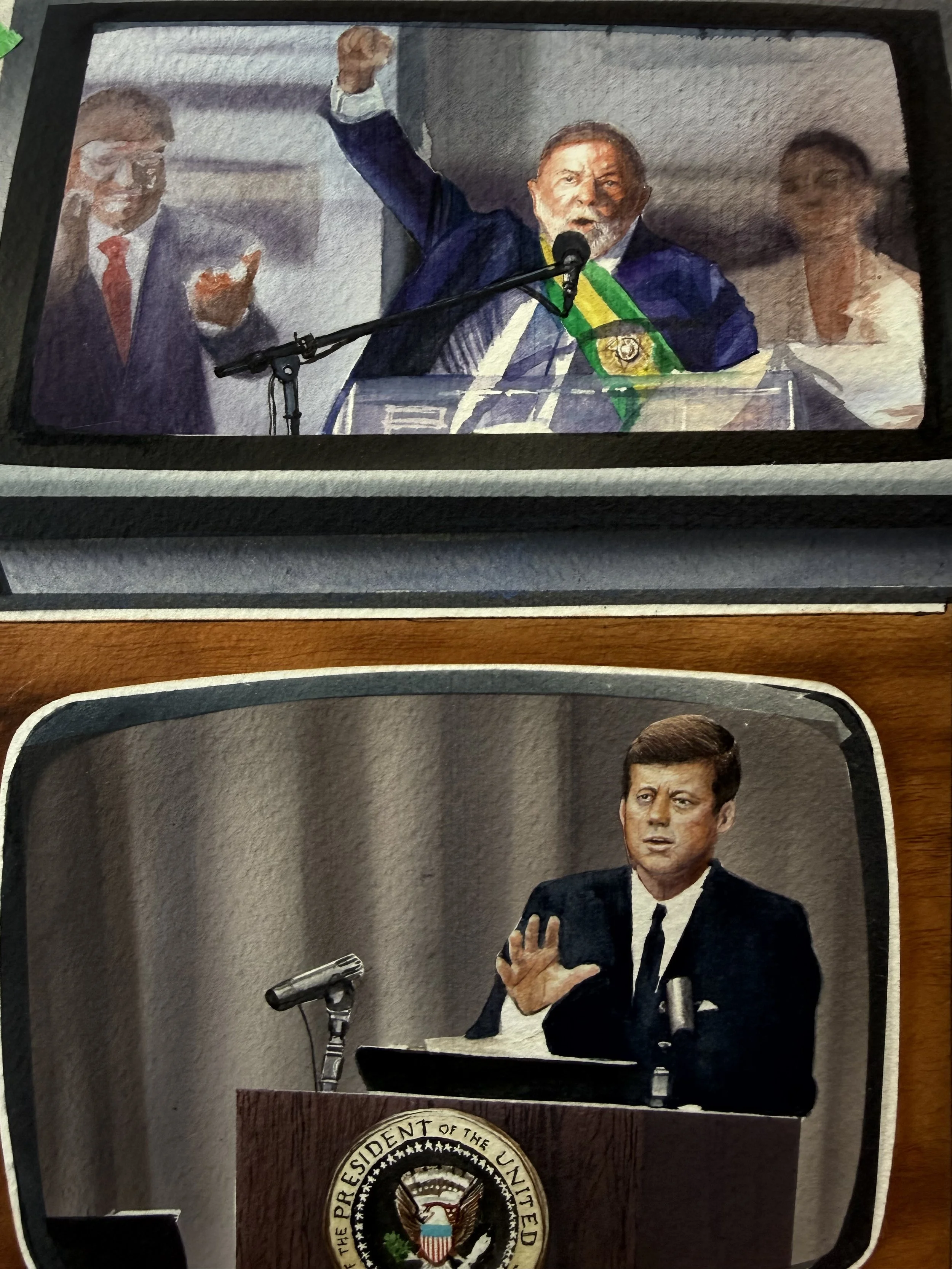
Television turned distance into presence. Many events that form part of our memory took place far from us. We encountered them because they appeared on a screen. Over time, remembering an event and remembering its representation became increasingly difficult to separate: framing, repetition, and transmission also began to form part of what we remembered.
The title takes its starting point from the Panopticon, the architecture conceived by Jeremy Bentham and later taken up by Michel Foucault to consider a form of power based on the distribution of the gaze. Its effectiveness lies in a possibility: each individual can be observed without knowing exactly when this occurs. The gaze becomes embedded in the structure and continues to operate even in the observer’s absence.
That idea changed the way I thought about the screen. Every screen establishes a position. It determines an inside and an outside, brings some things closer and pushes others away, selects, frames, repeats. In doing so, it participates in constructing what can appear as visible, memorable, or relevant.
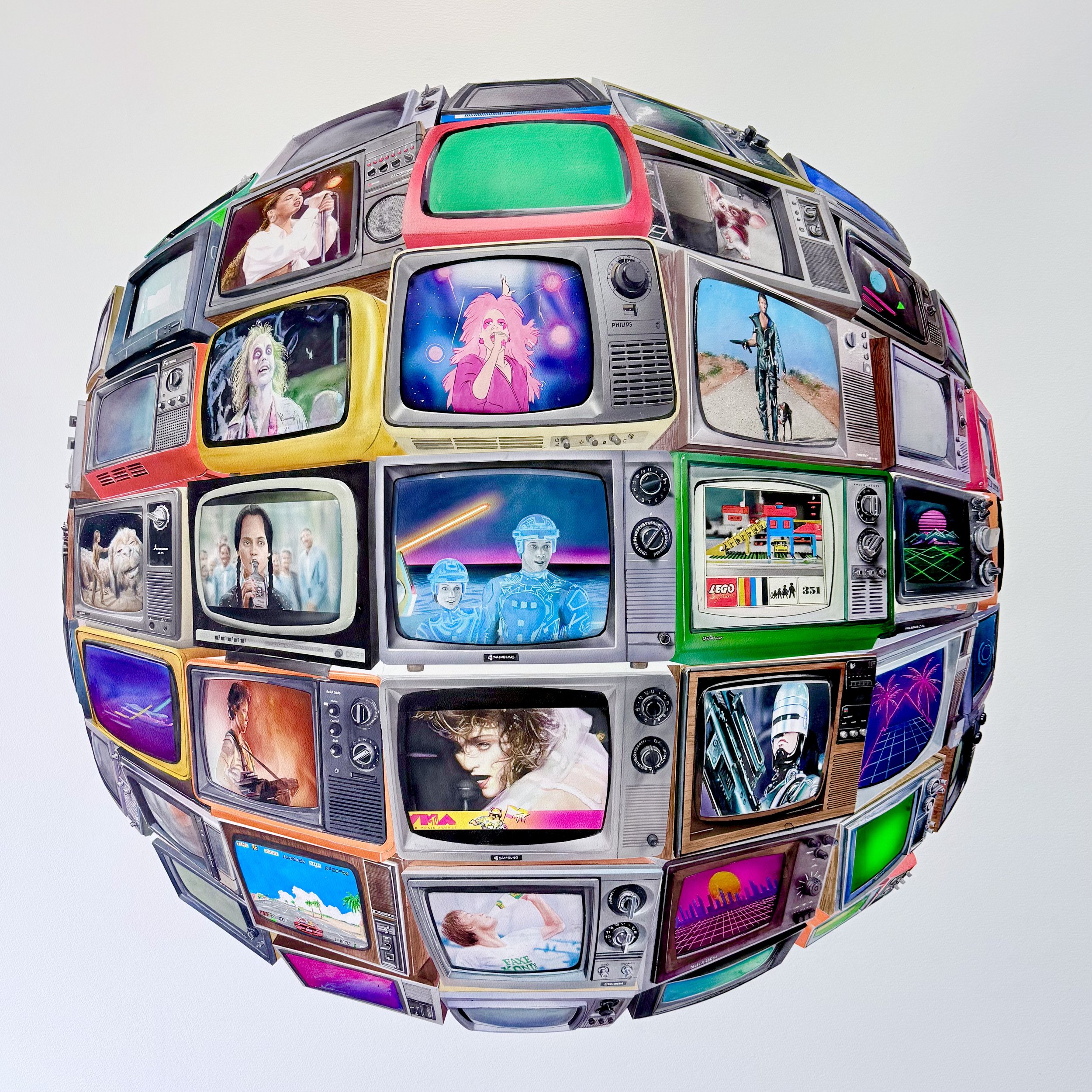
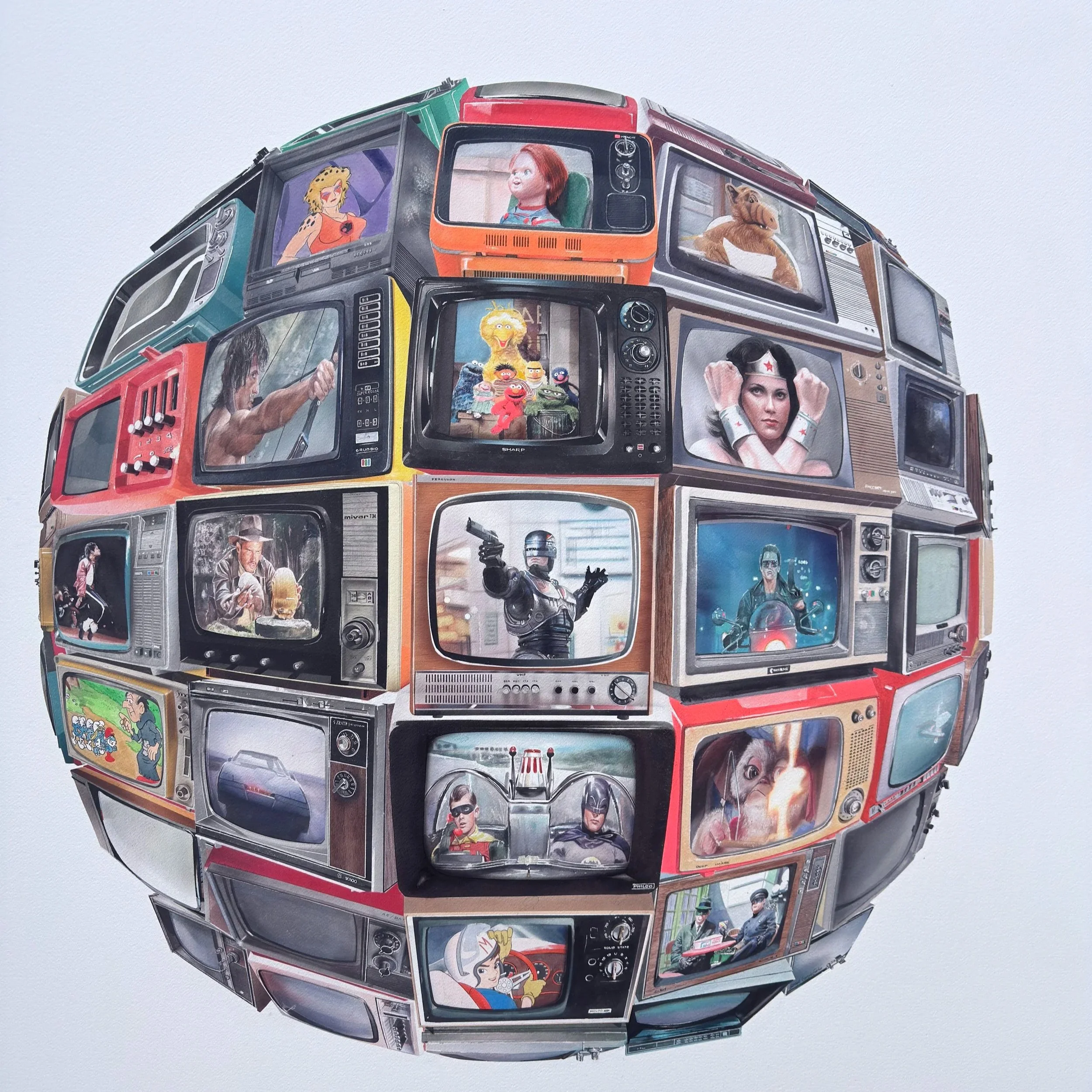
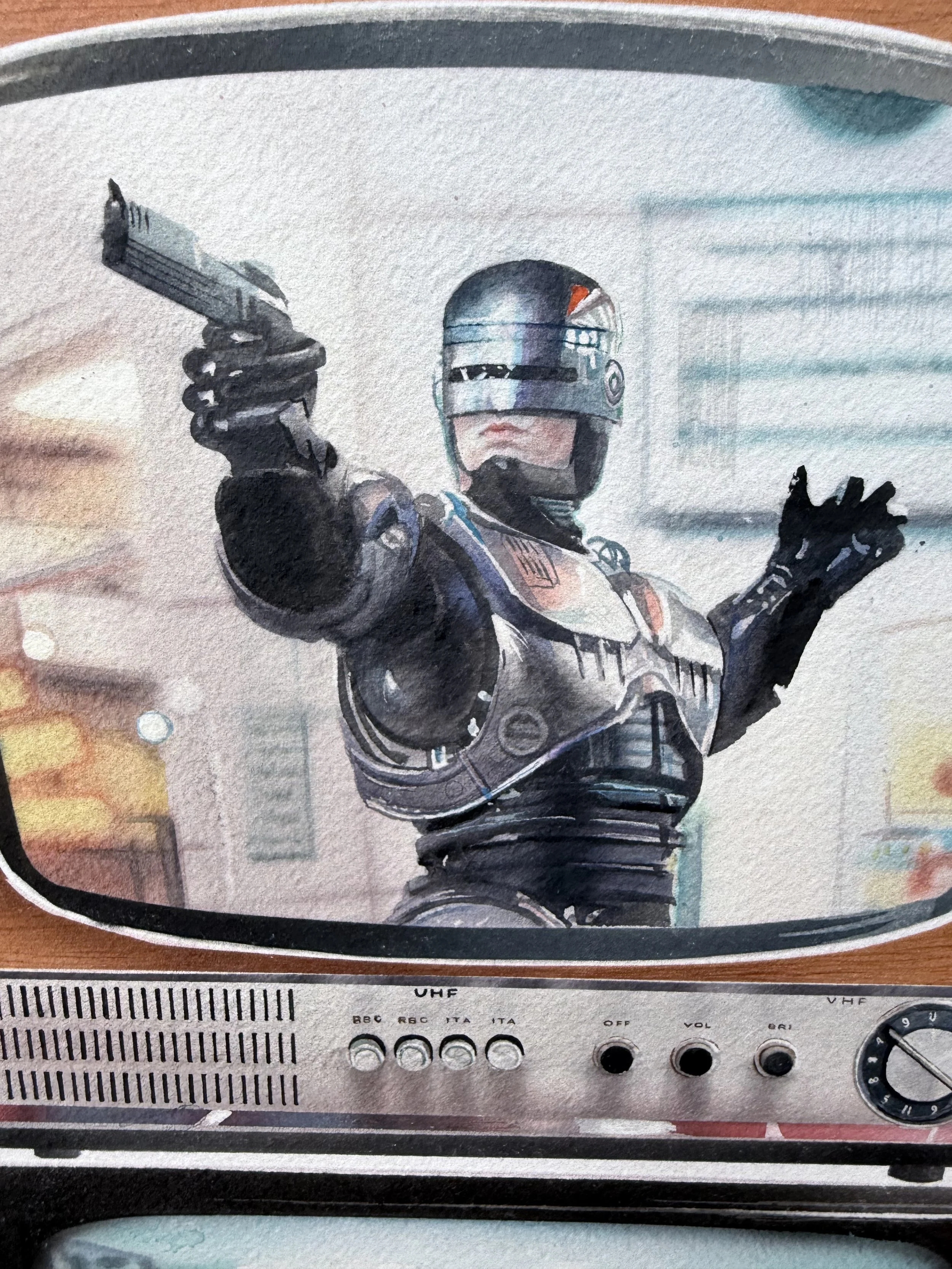
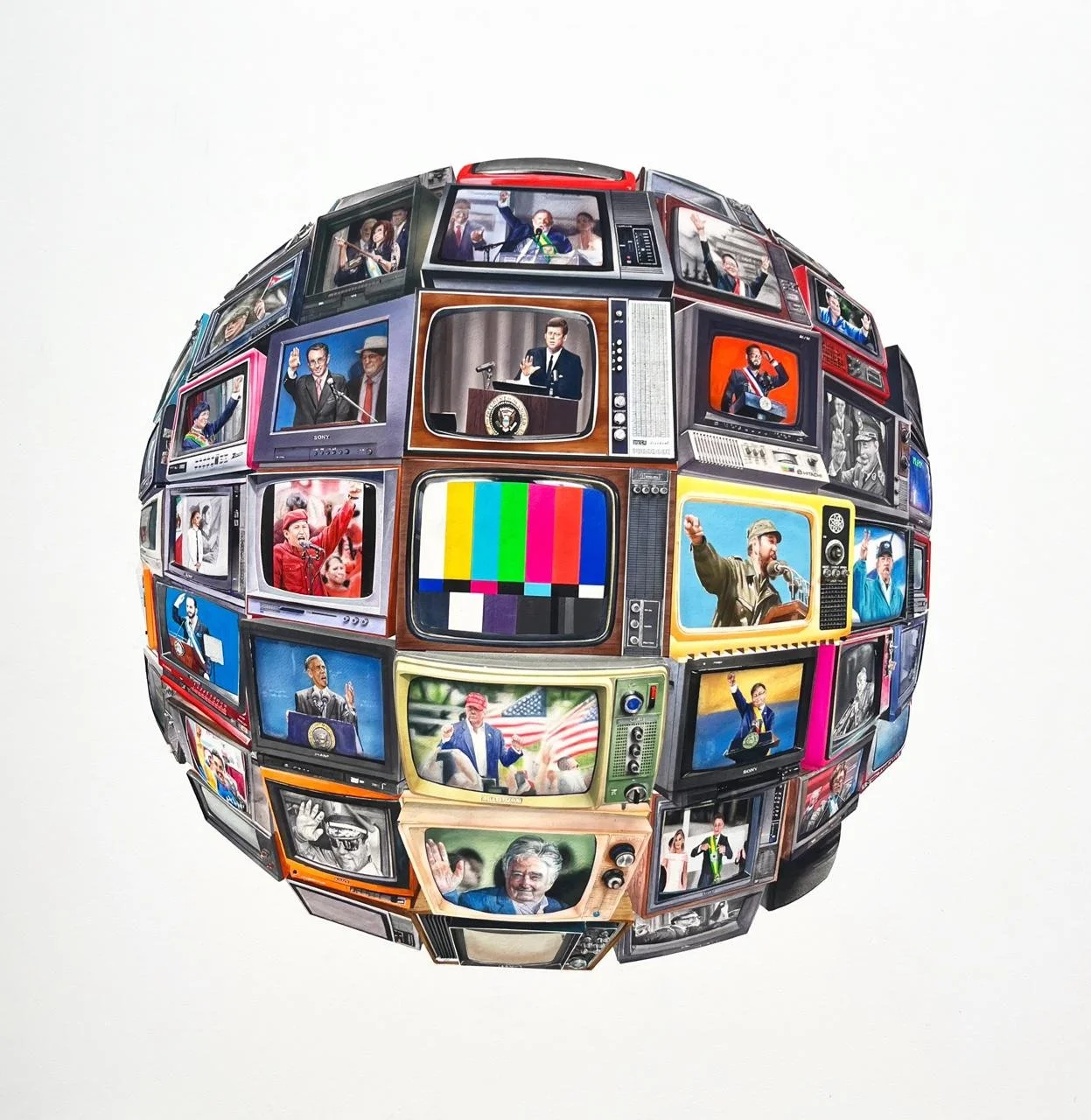
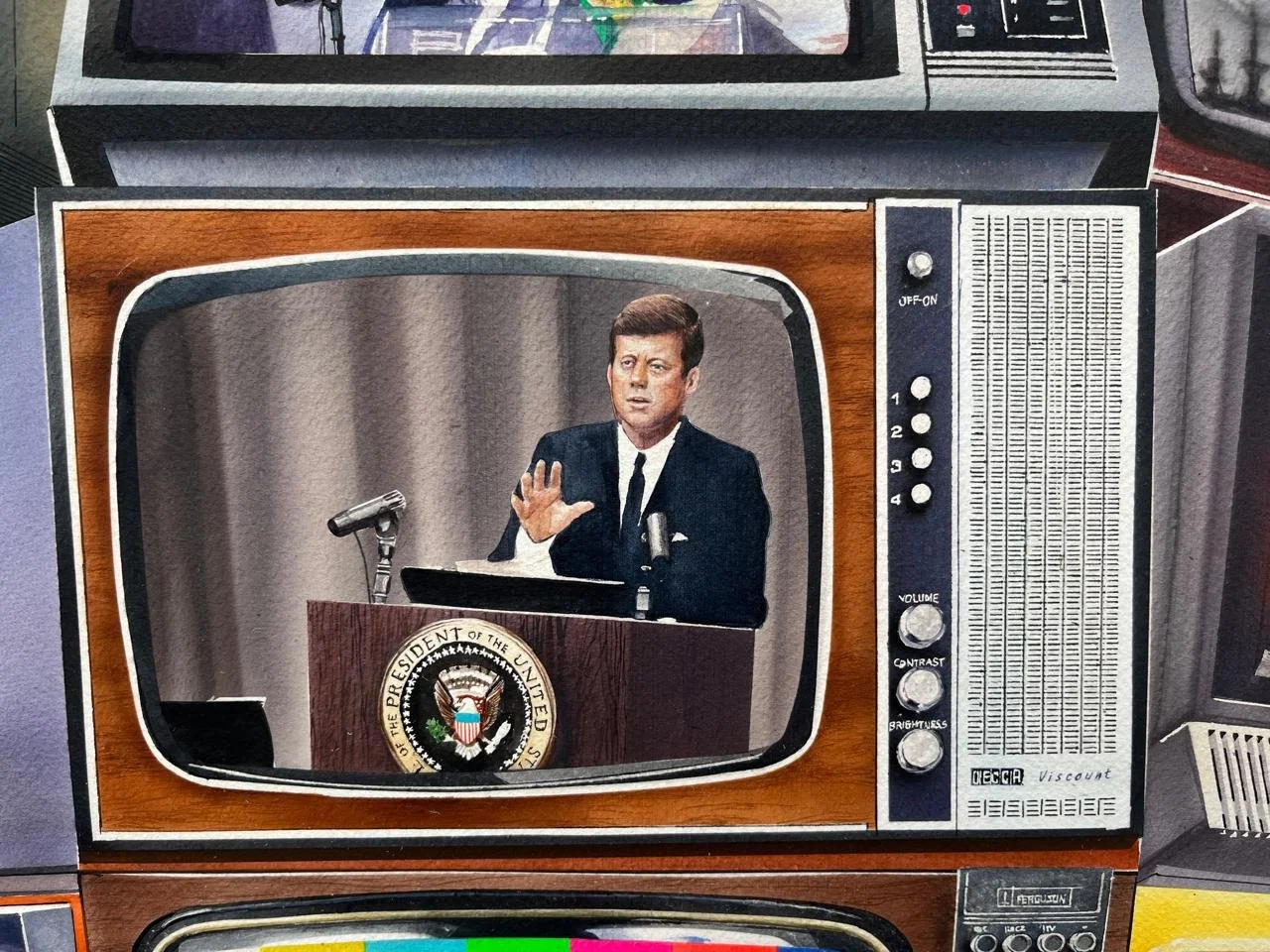
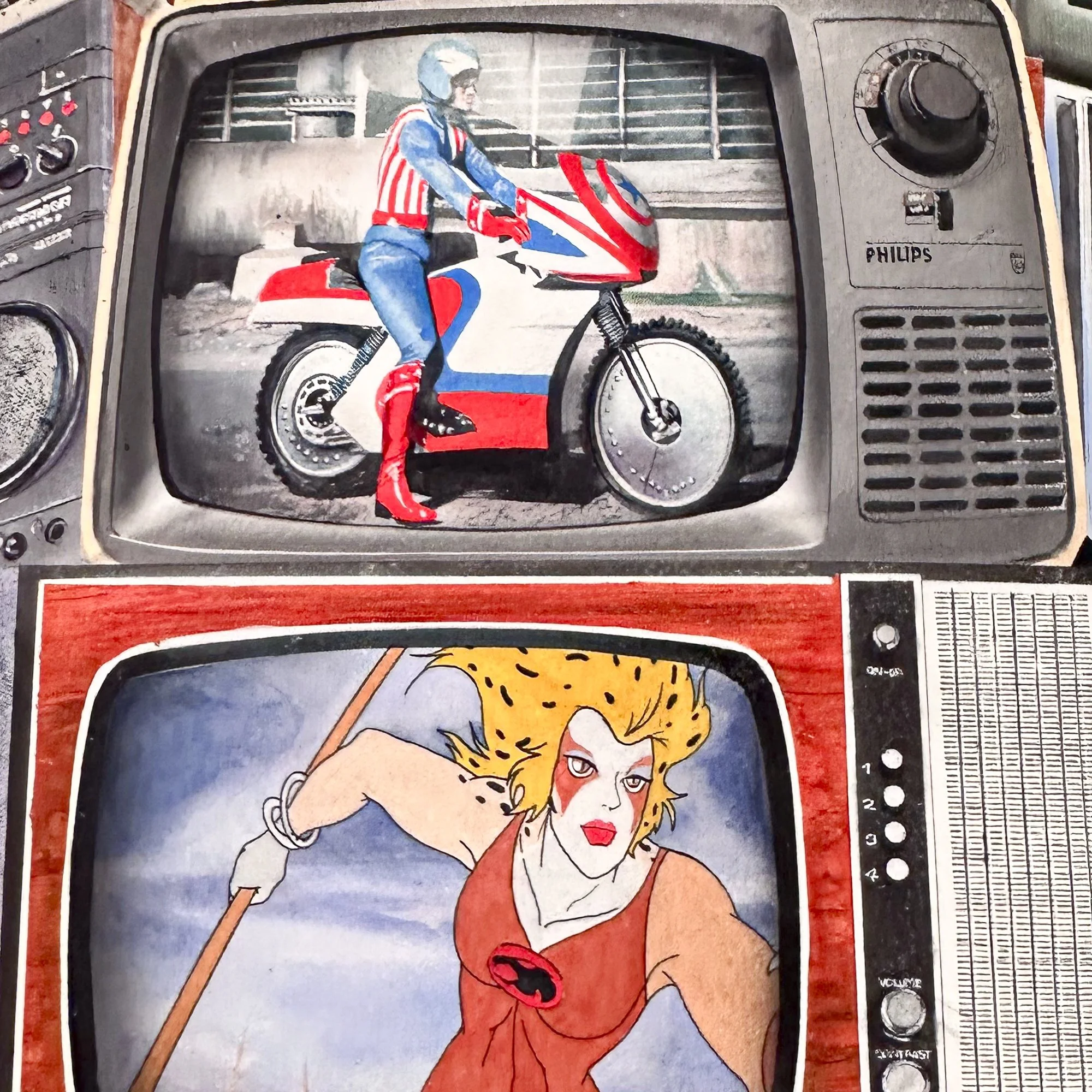
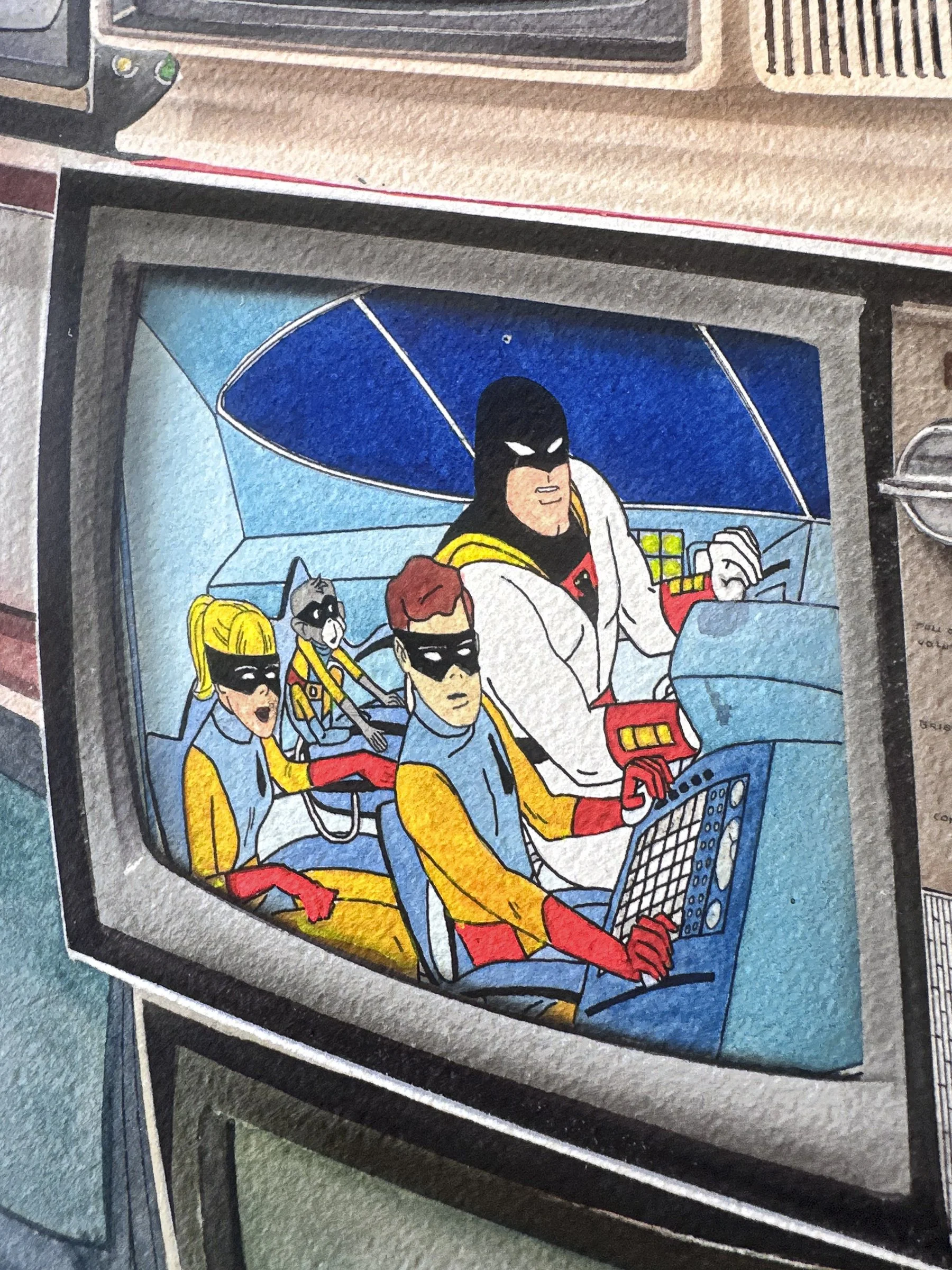
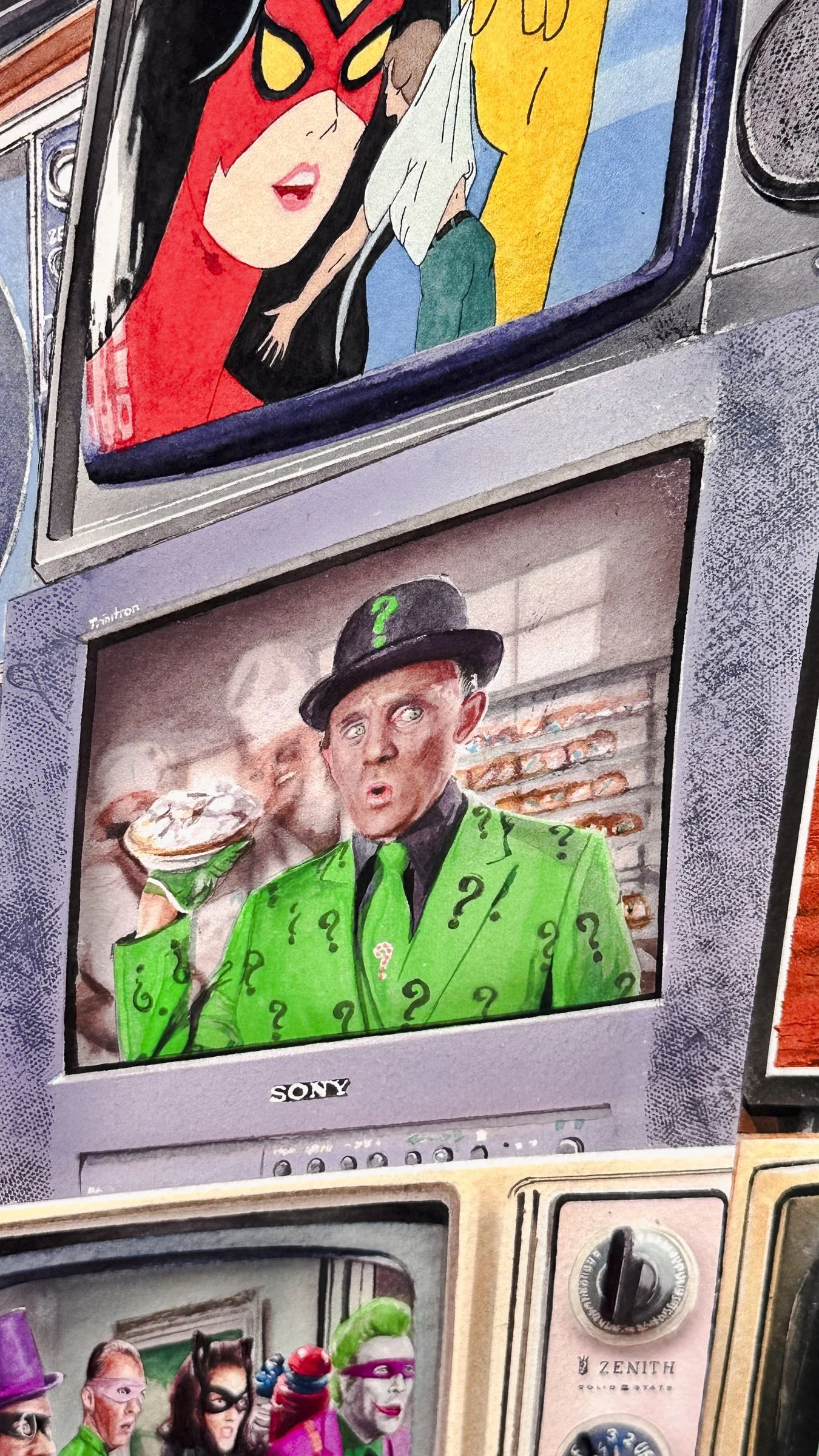
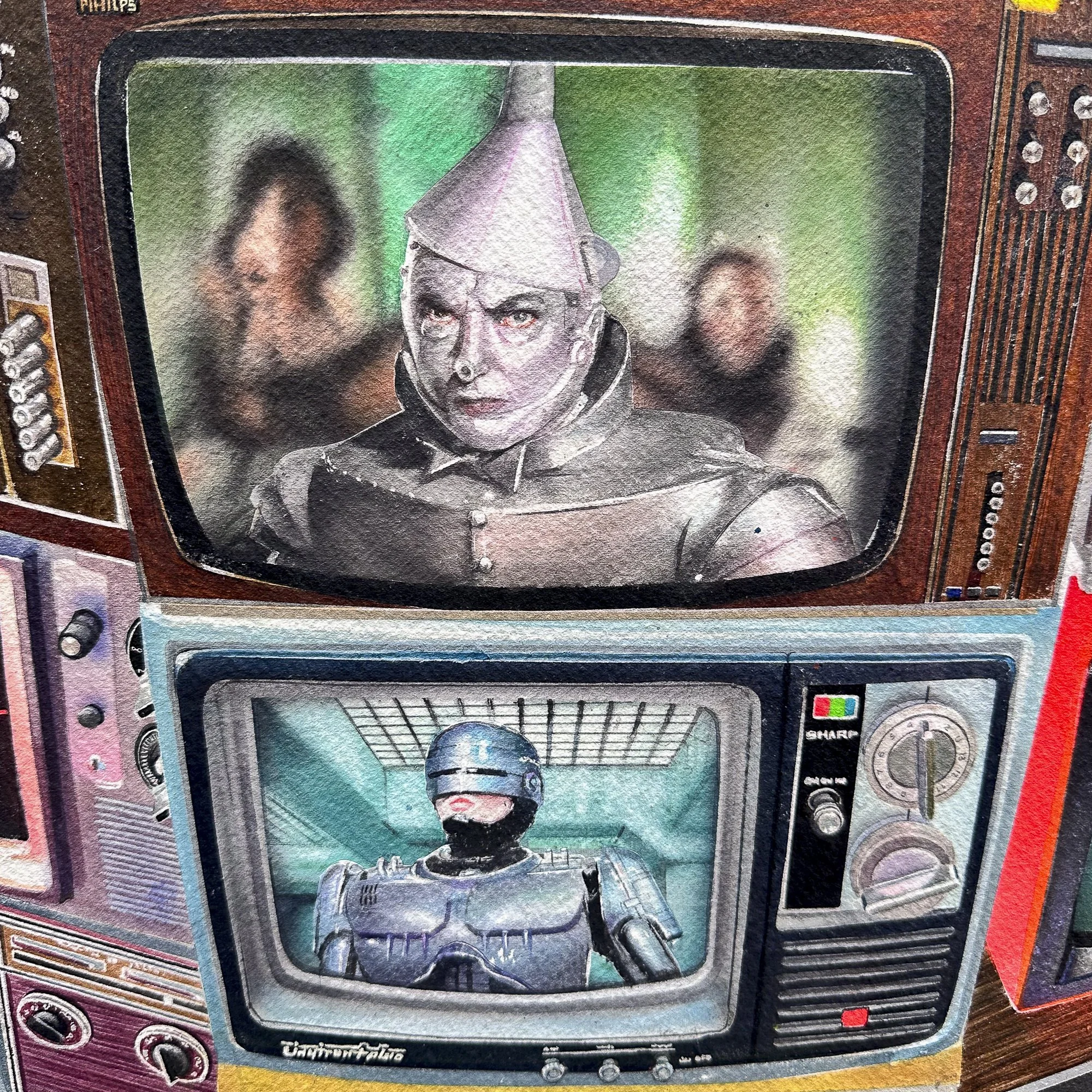
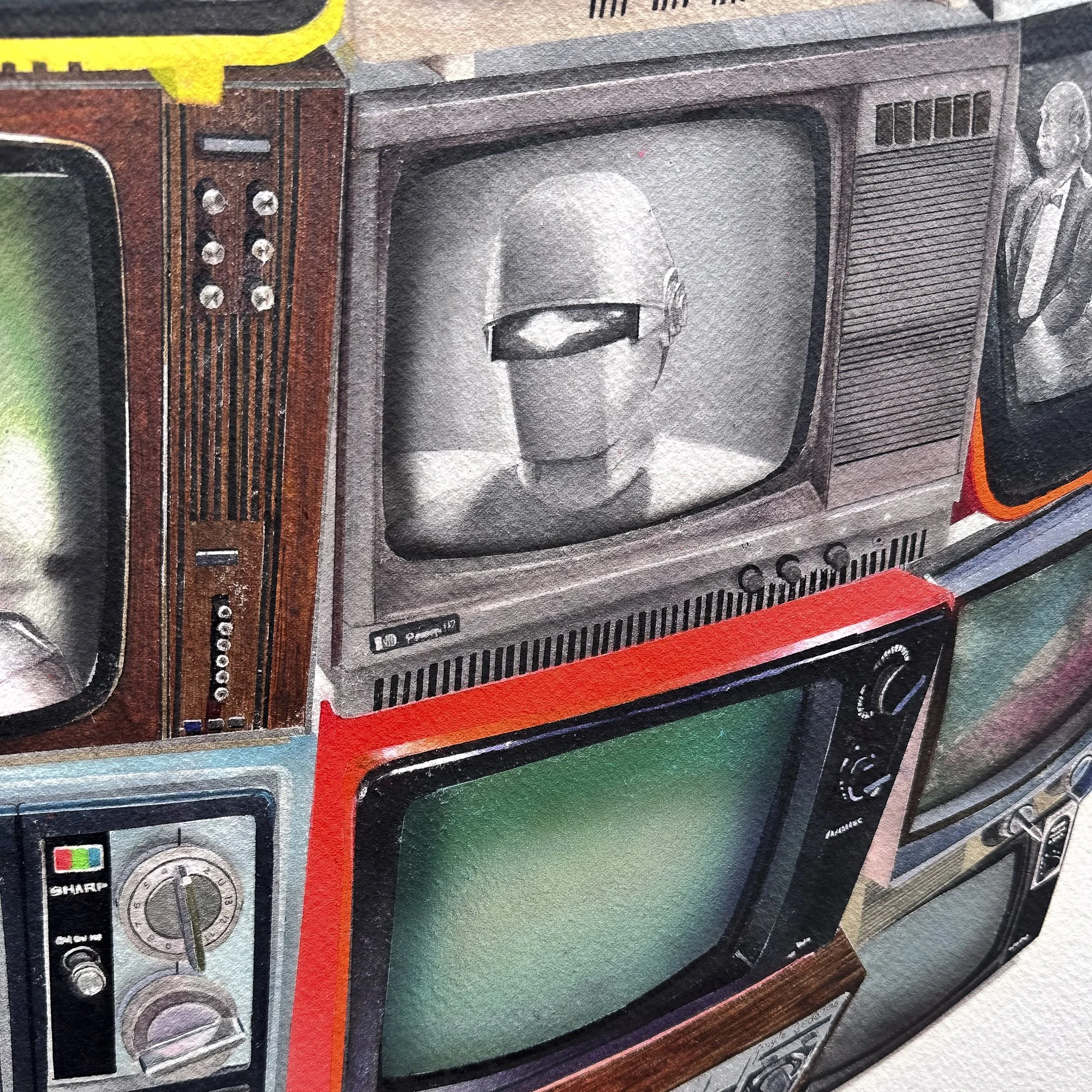
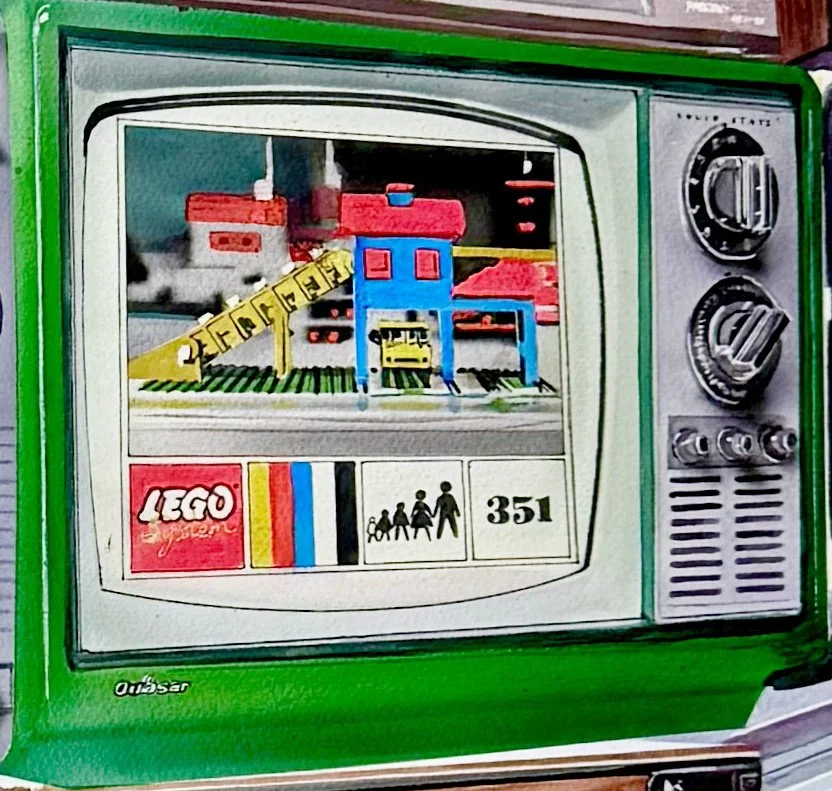
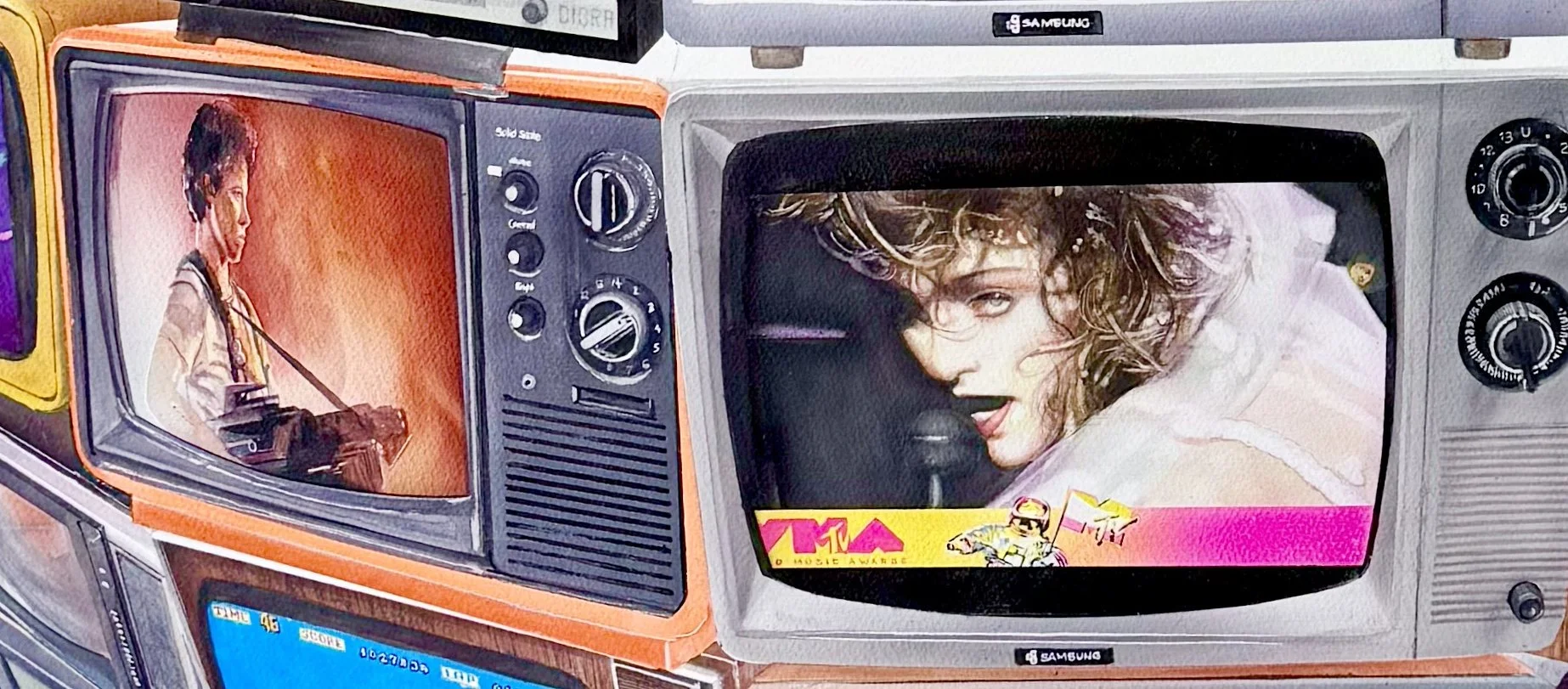
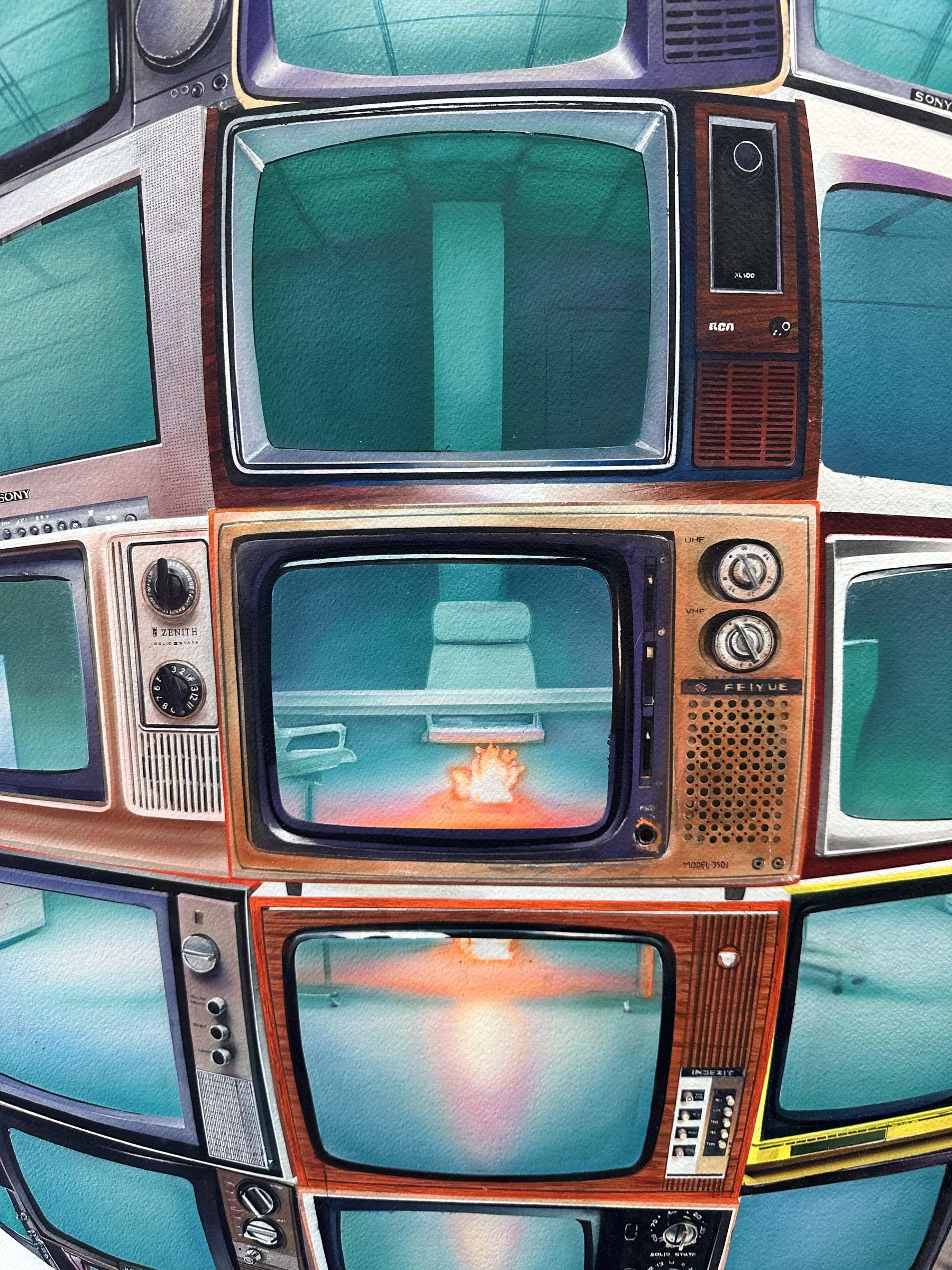
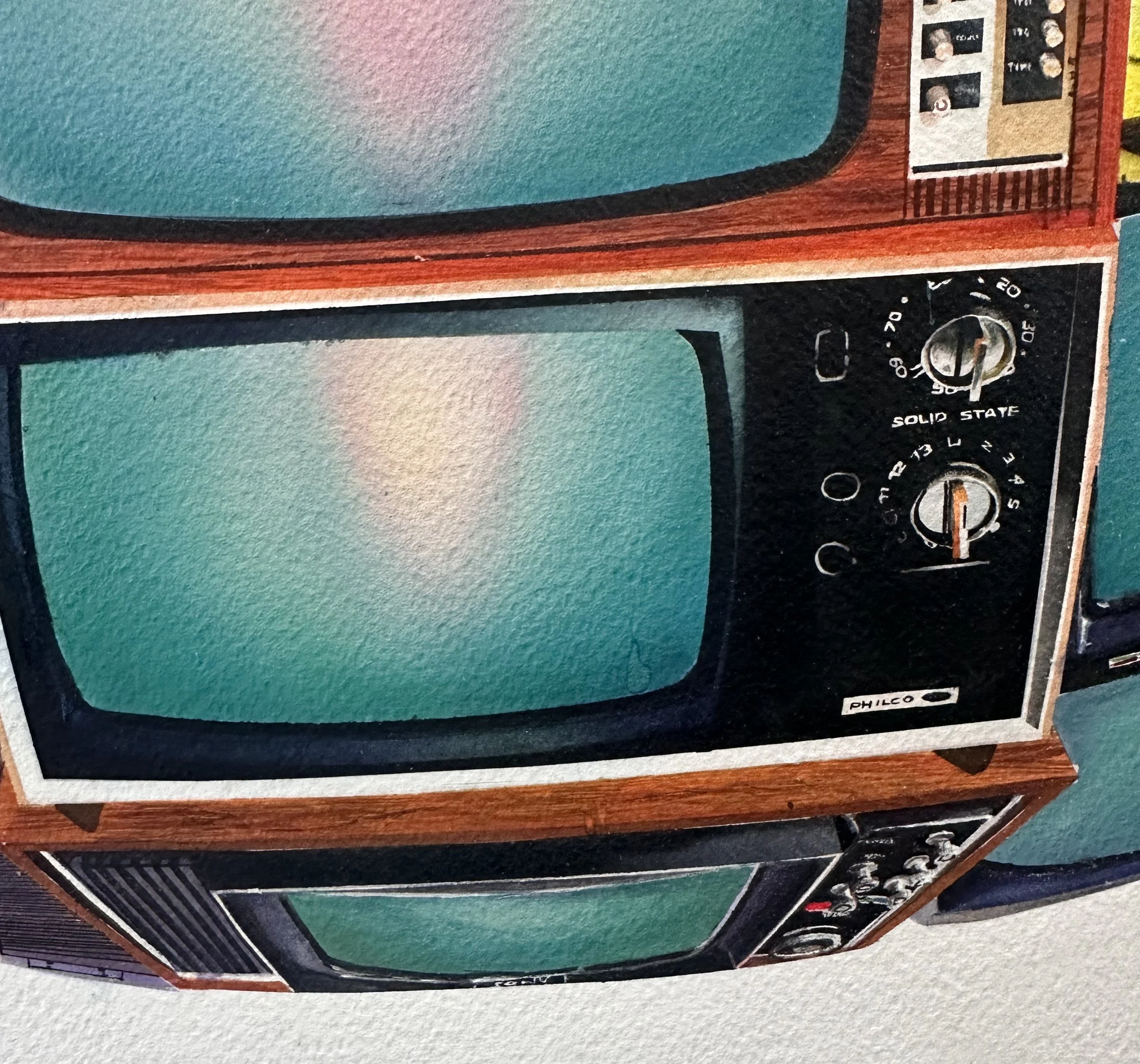
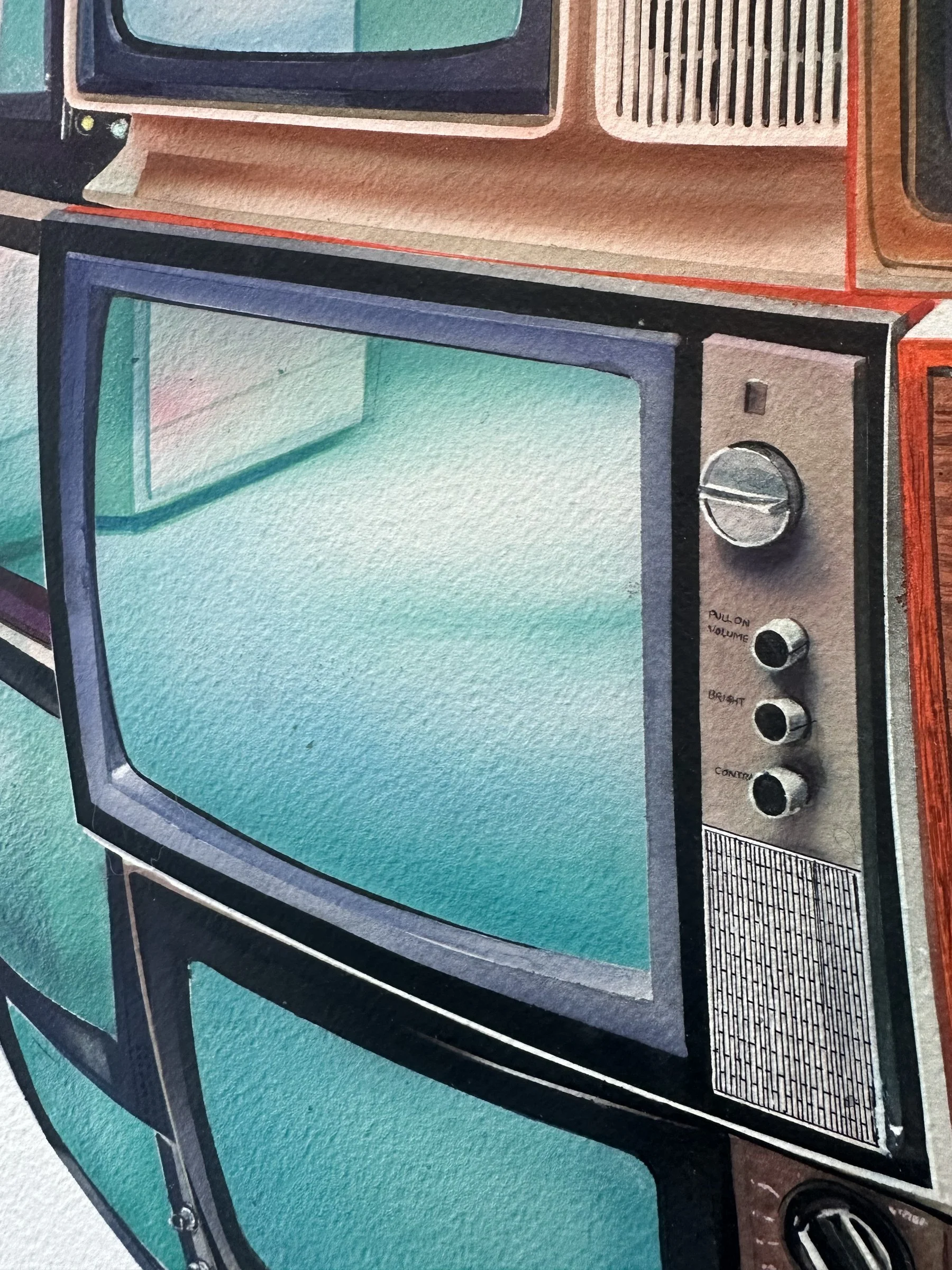
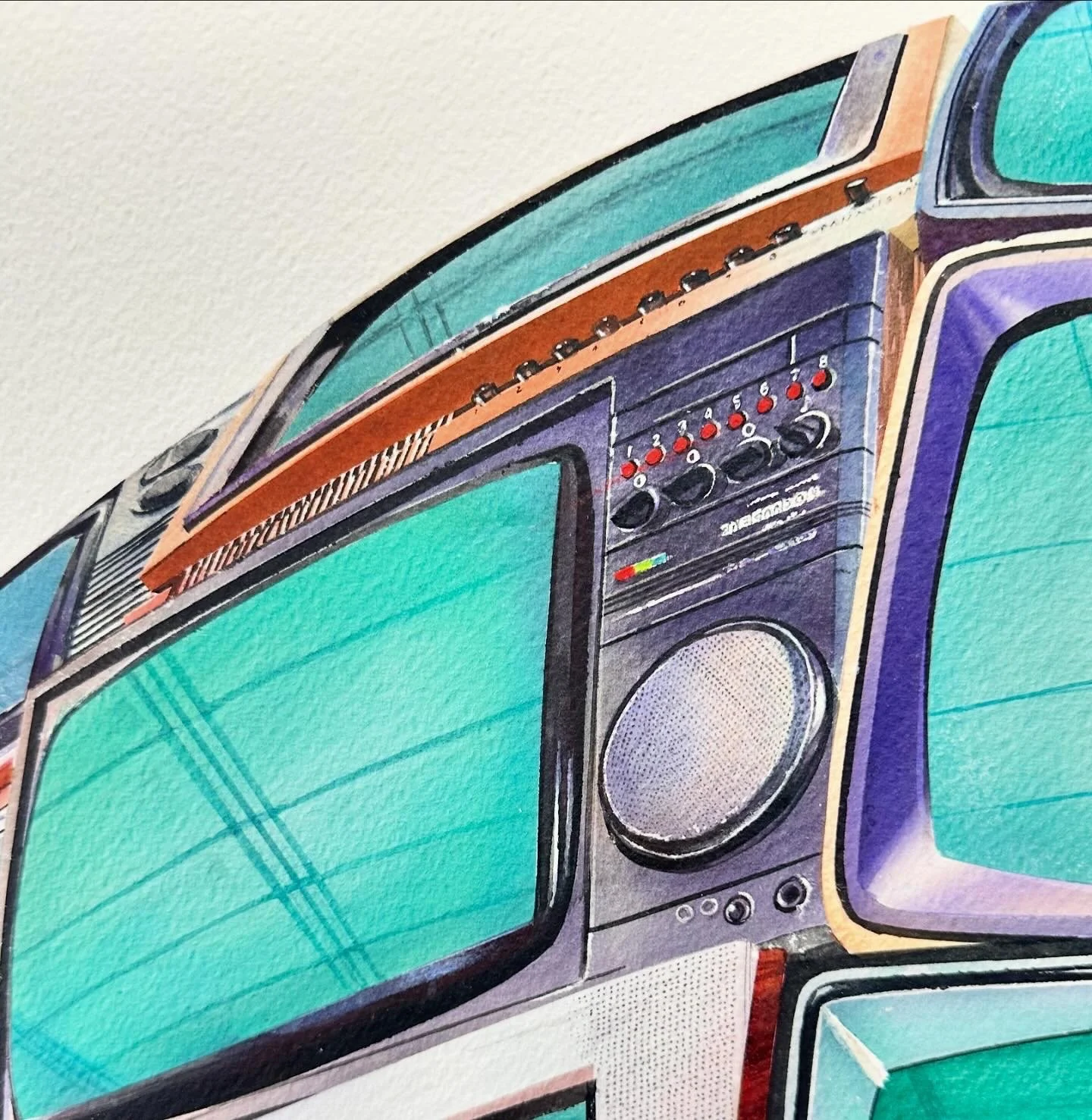
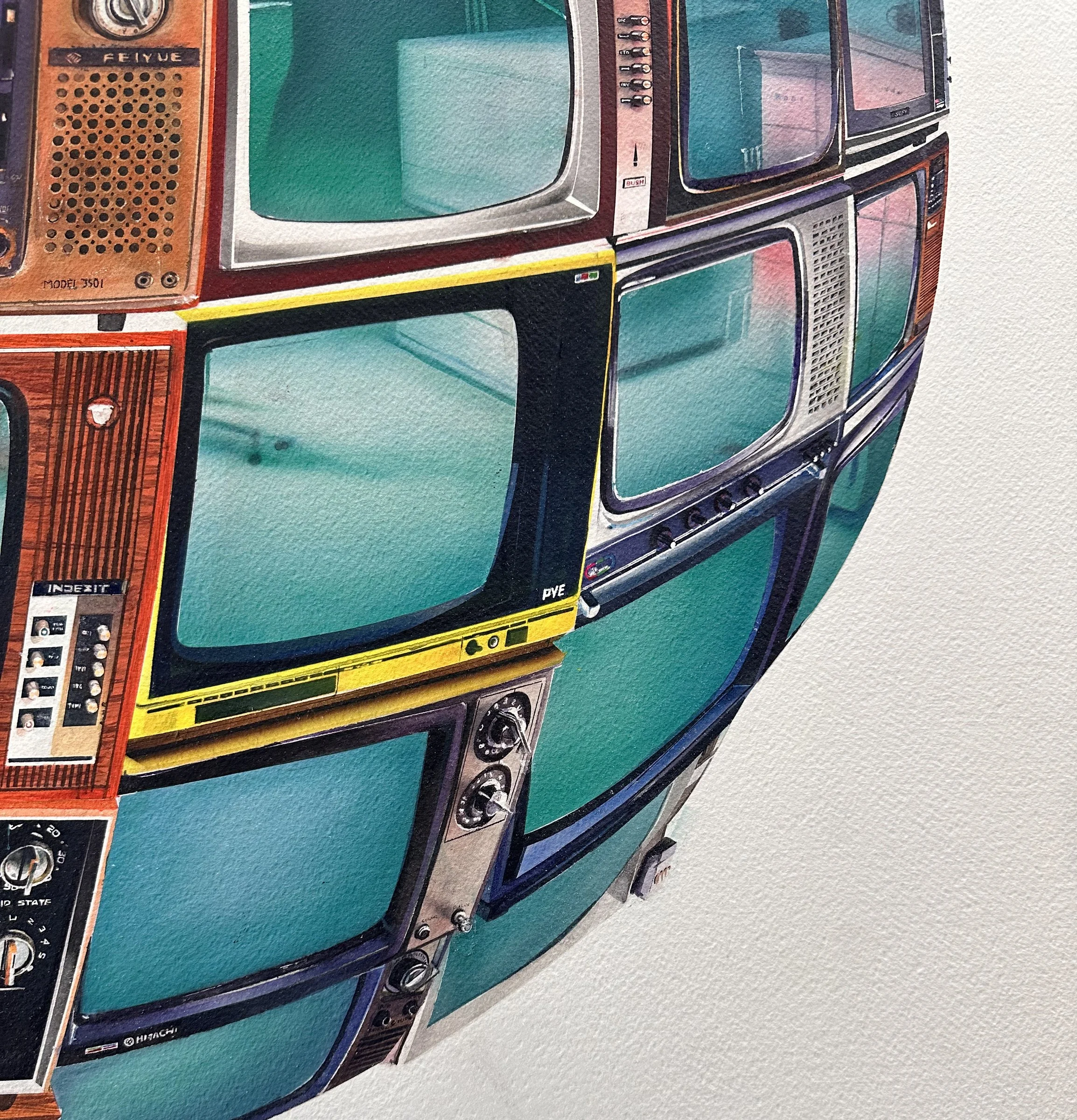
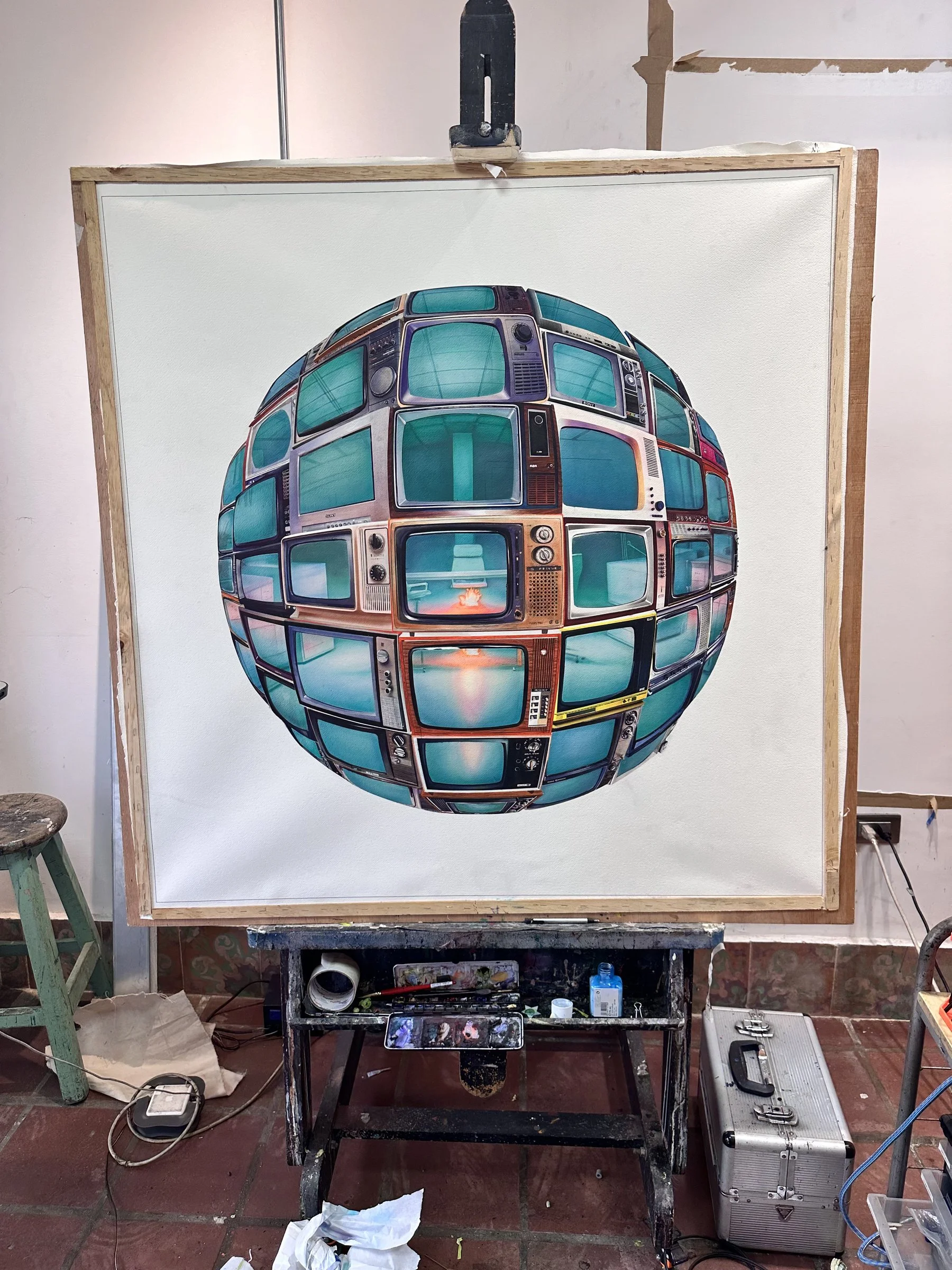
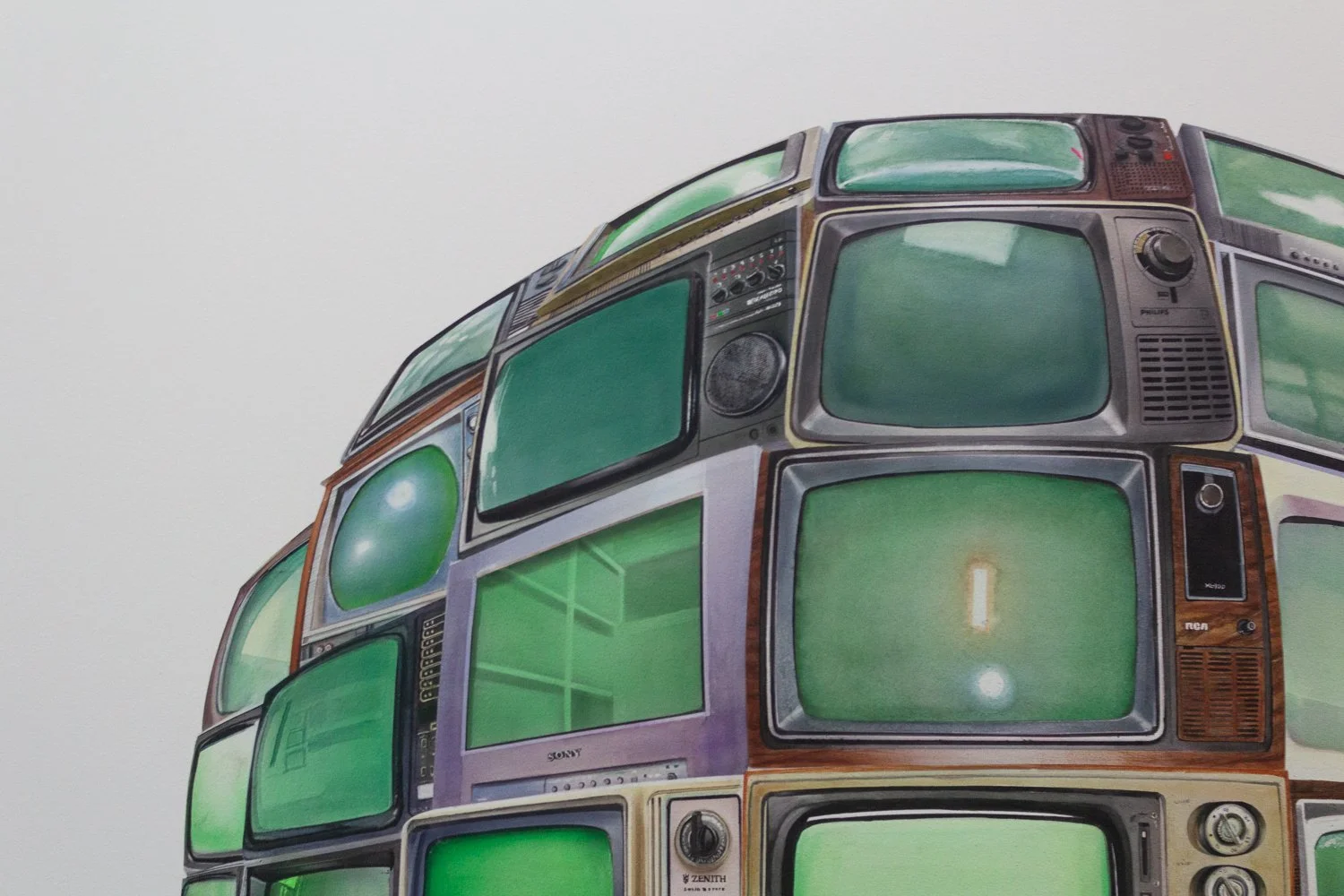
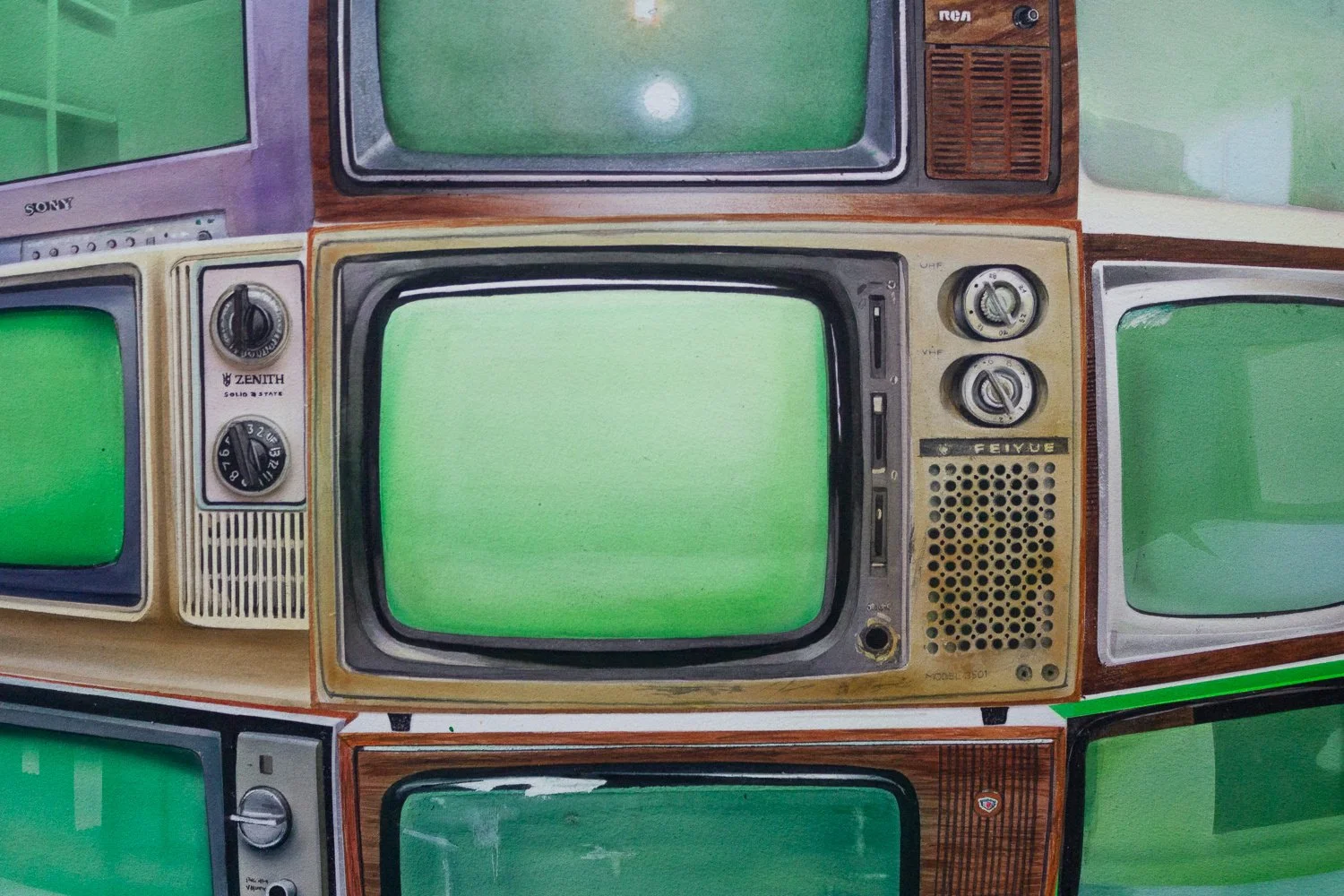
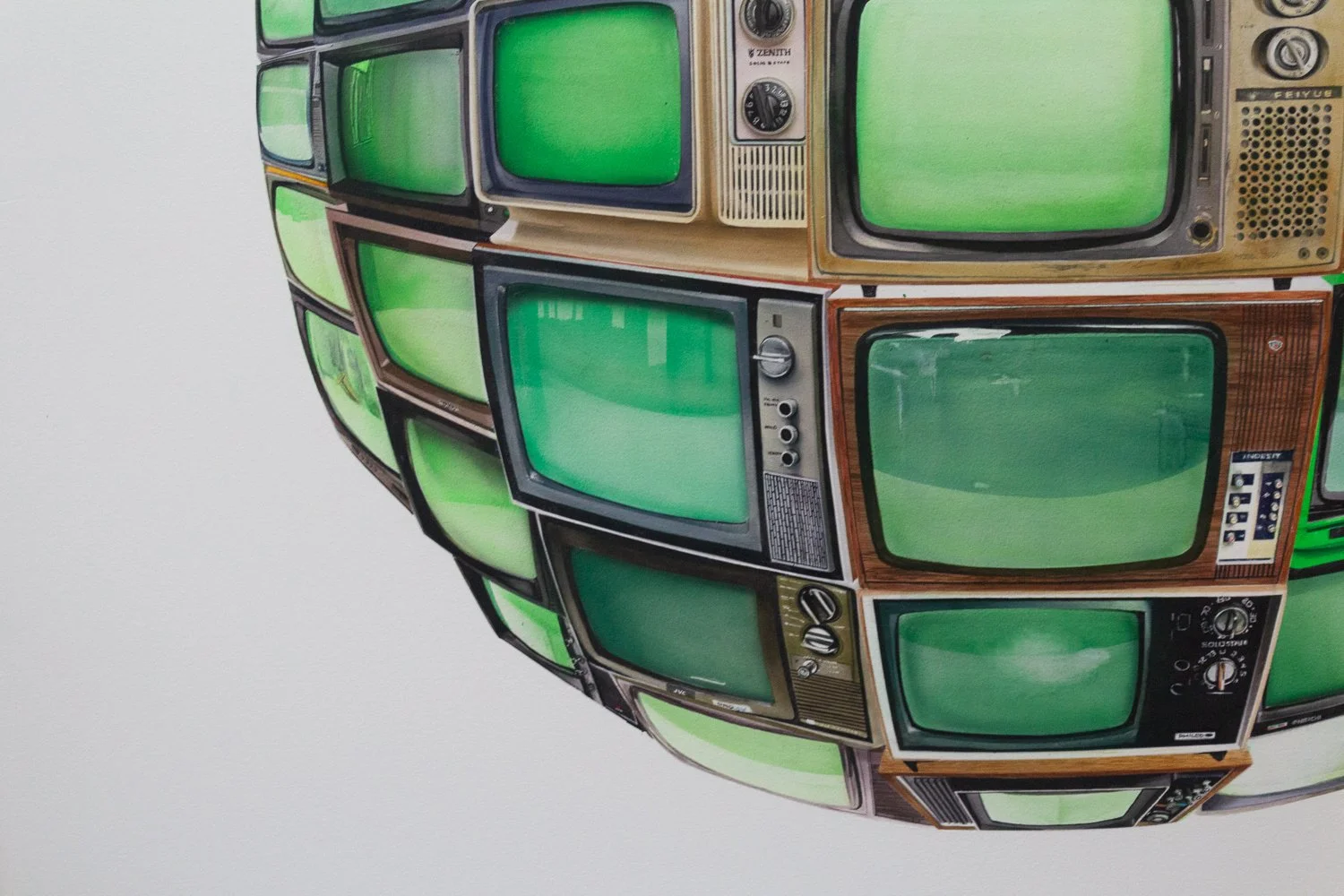
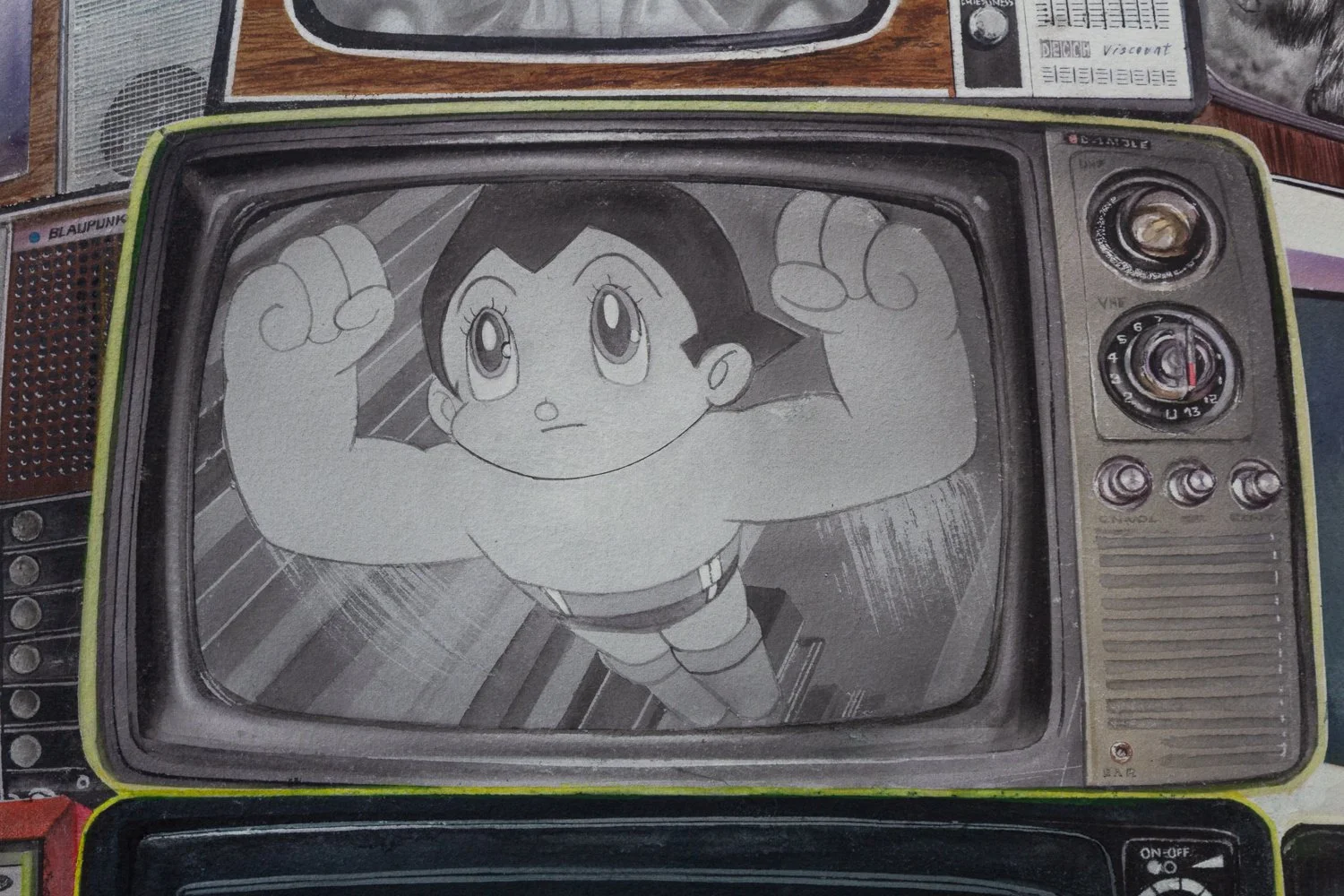
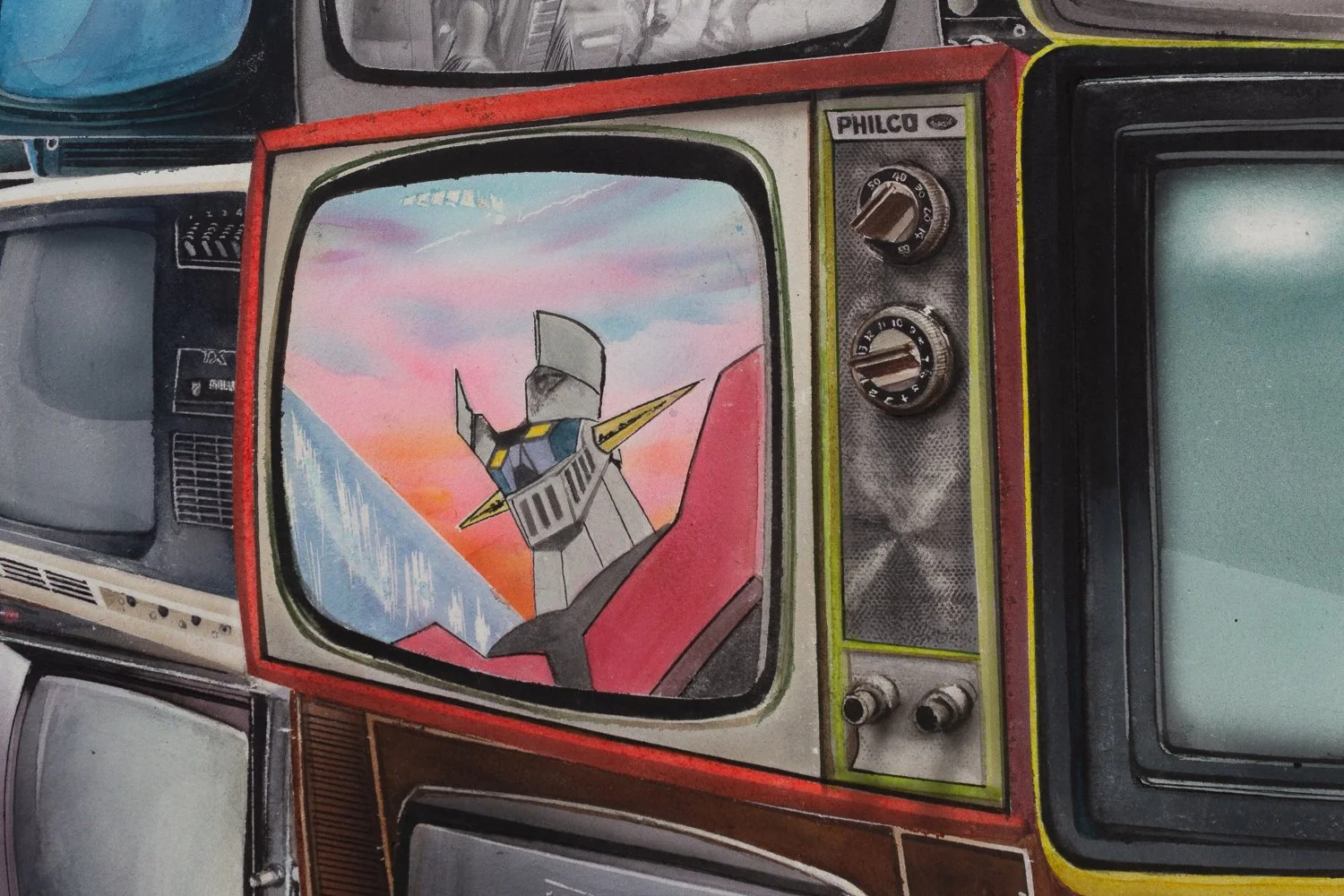
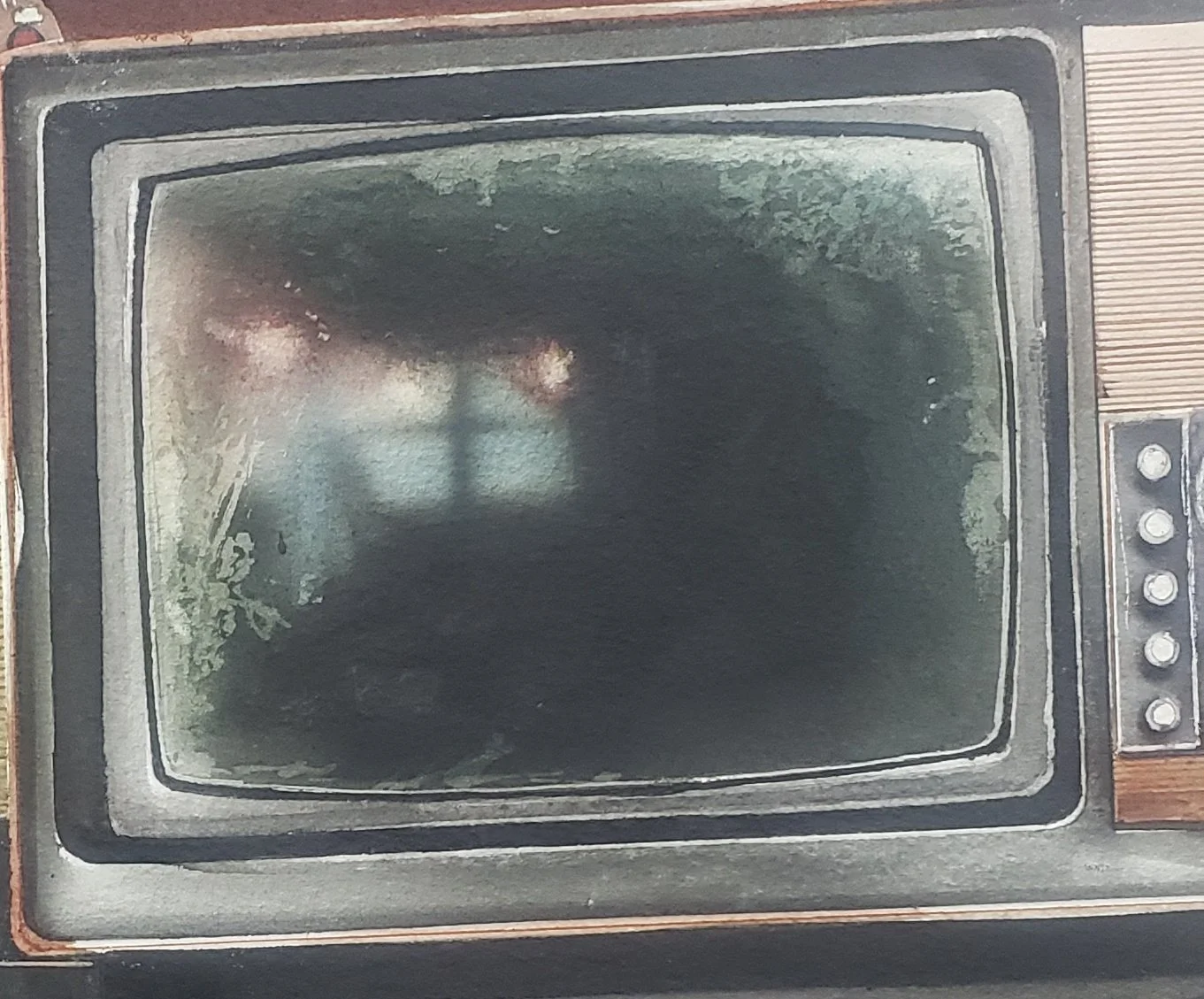
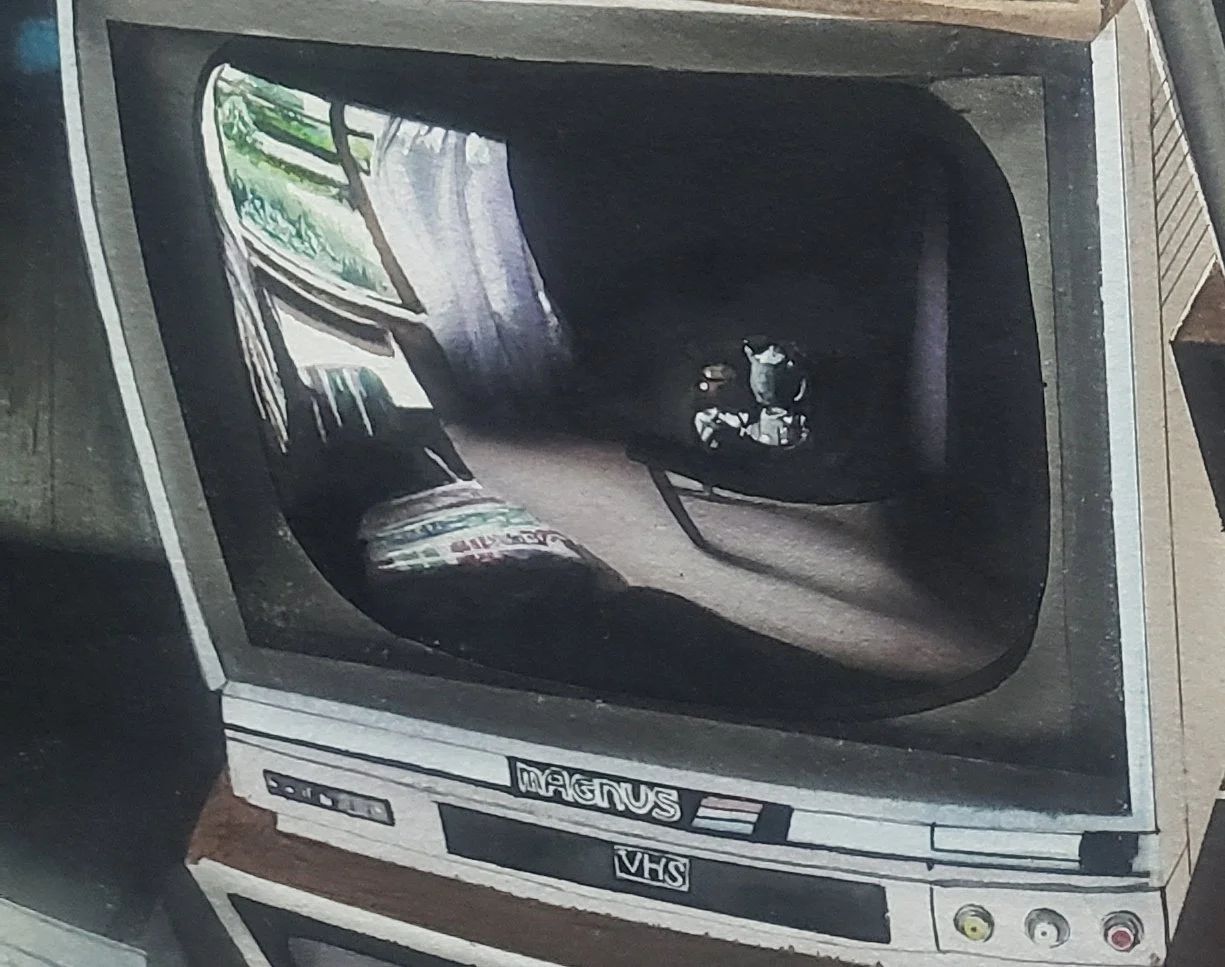
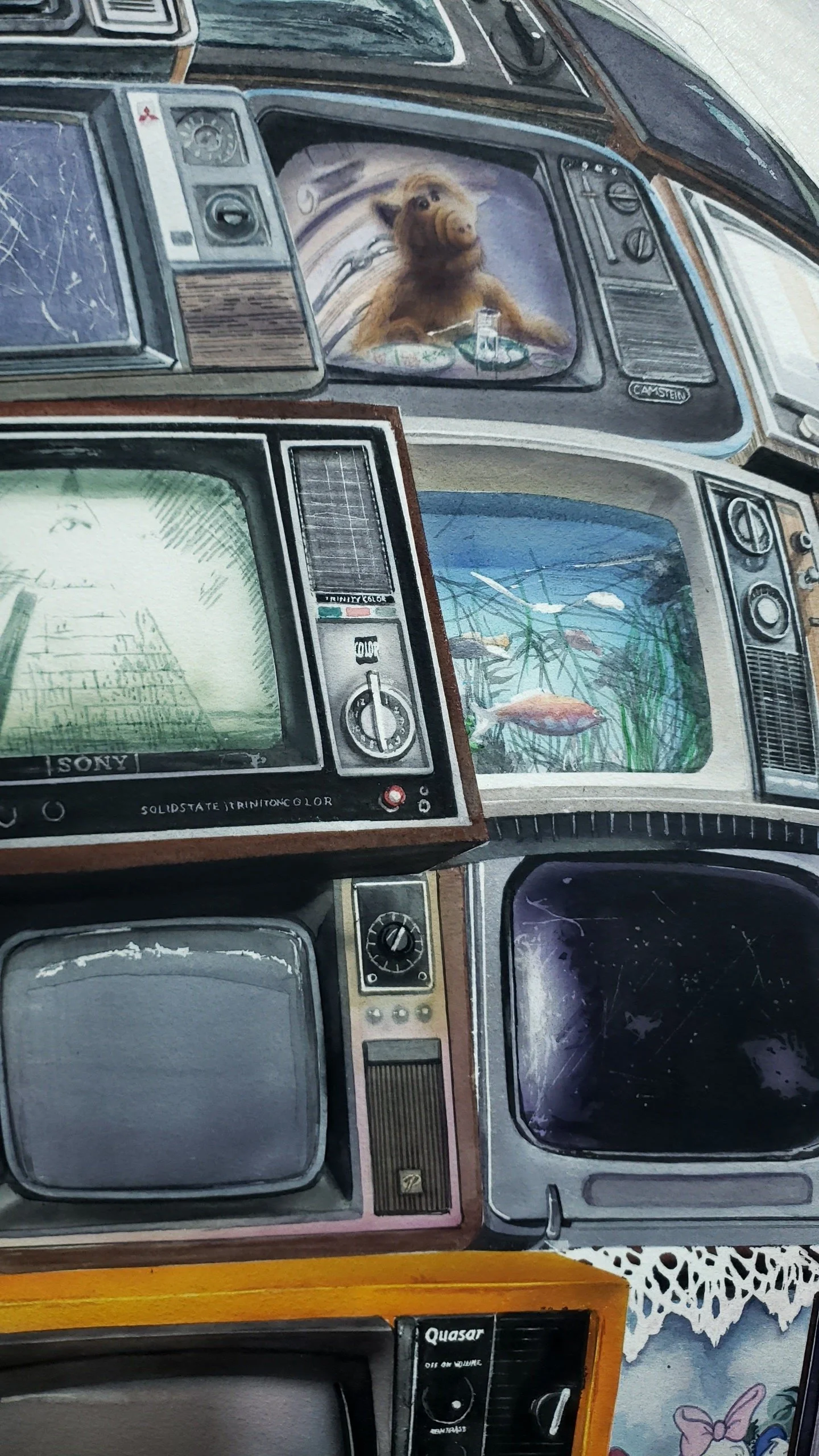
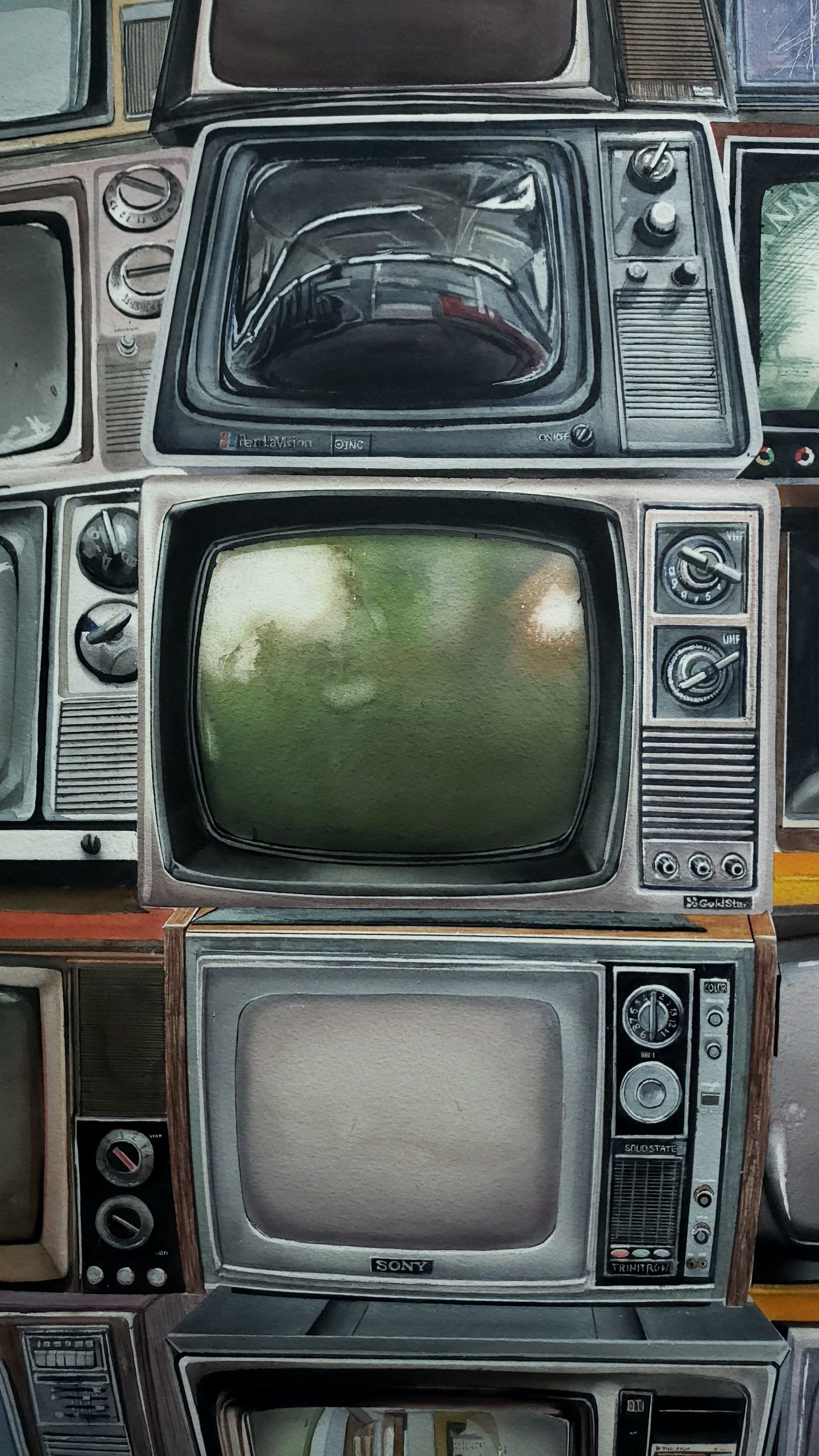
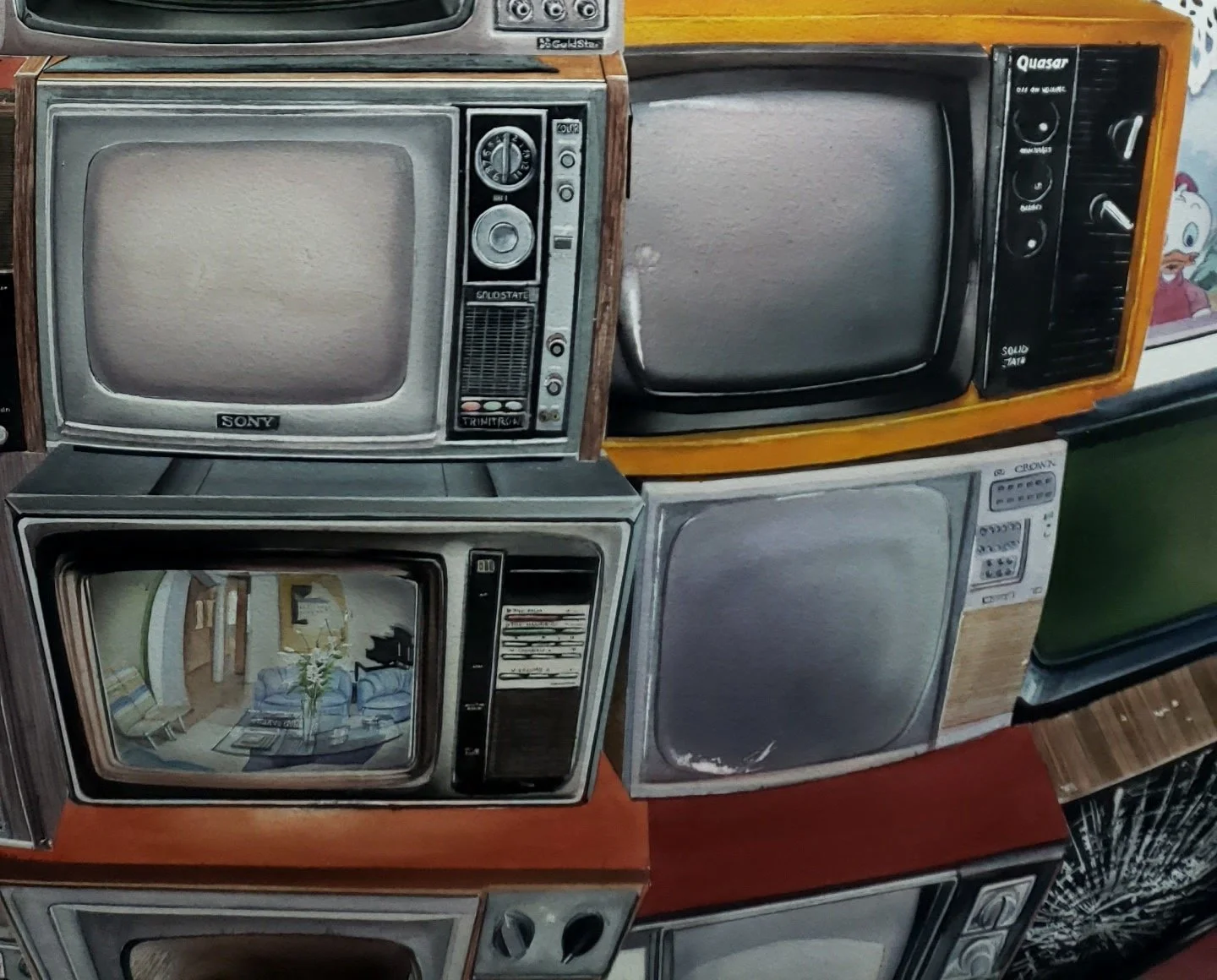
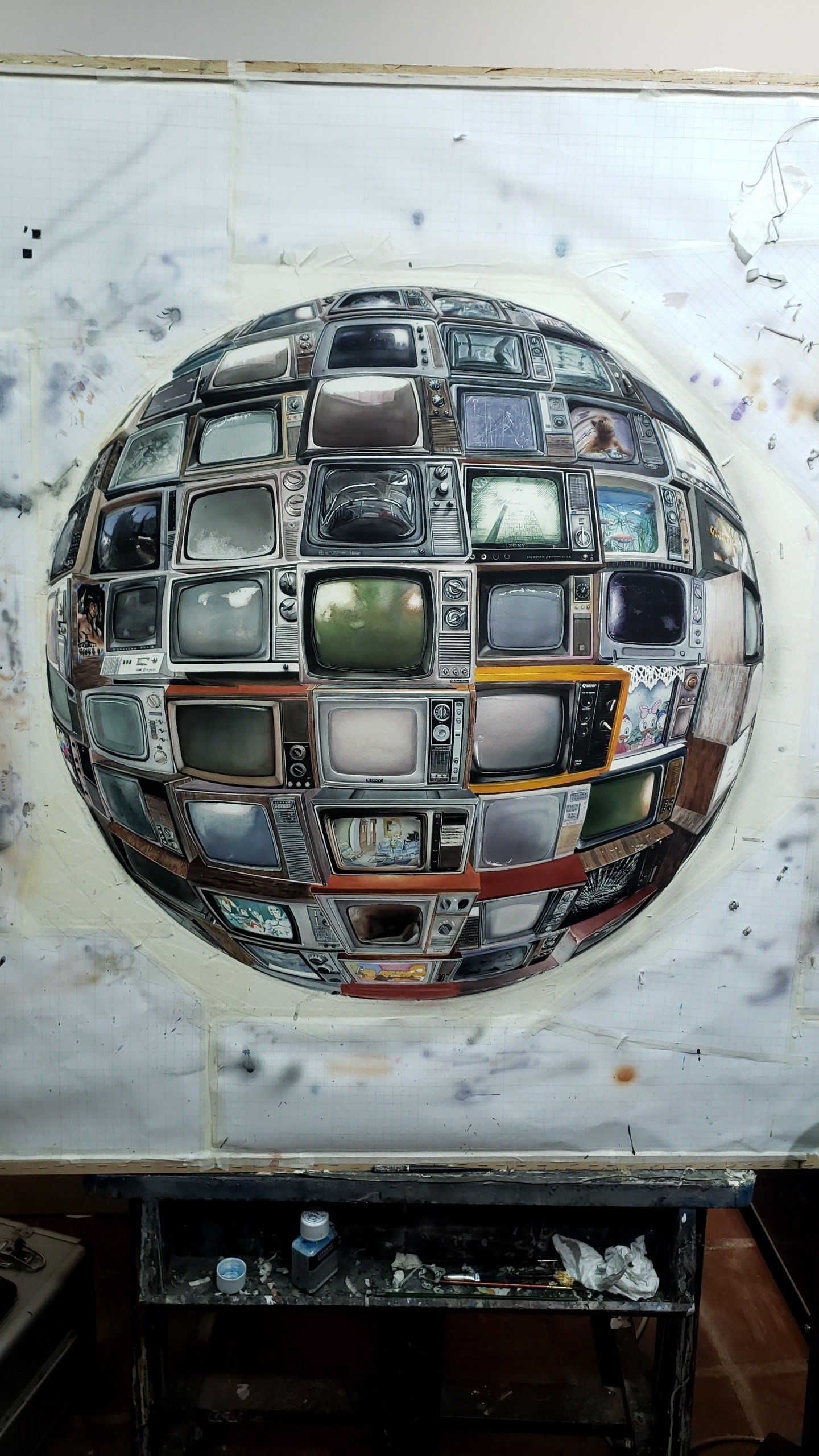
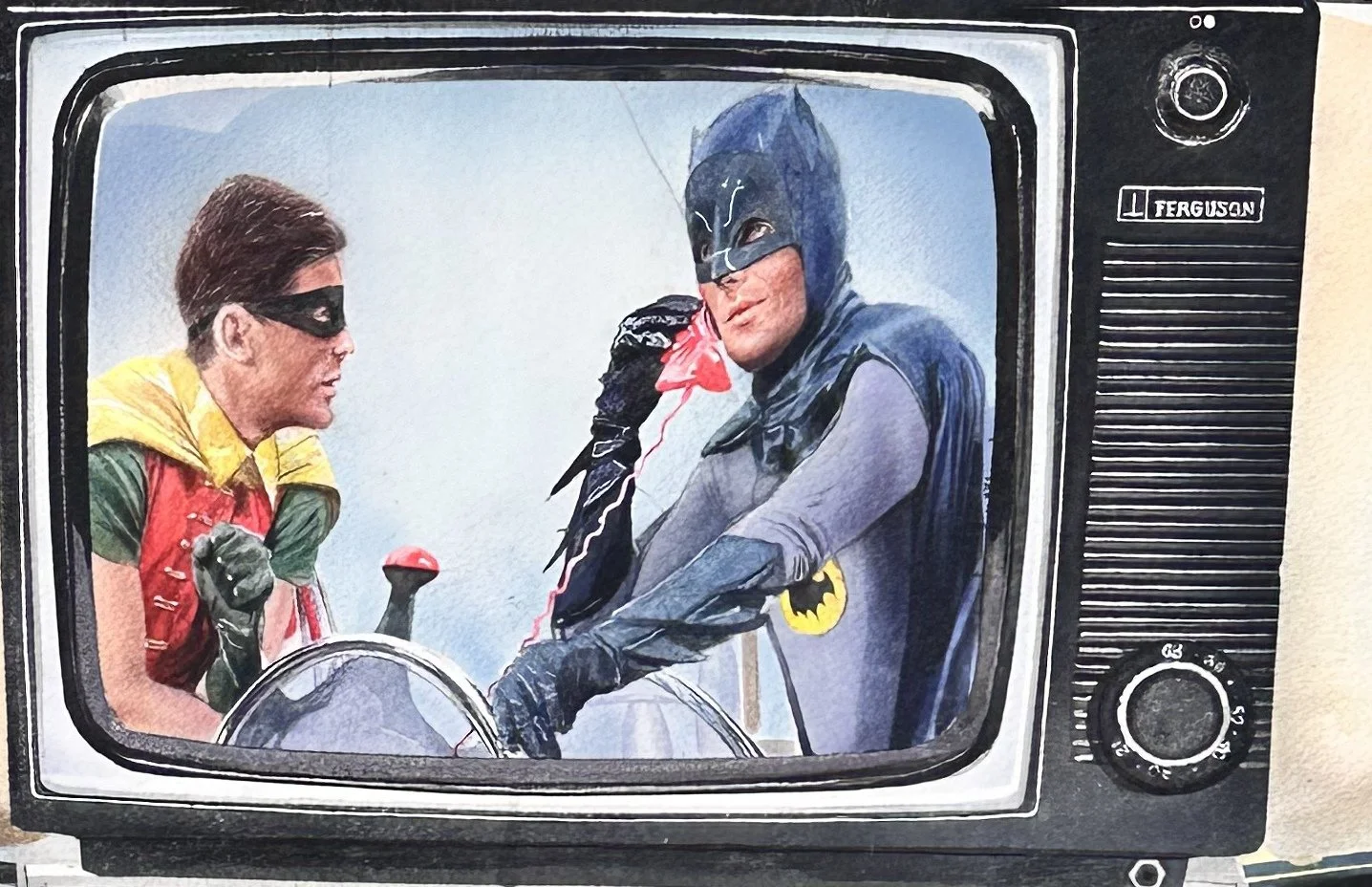
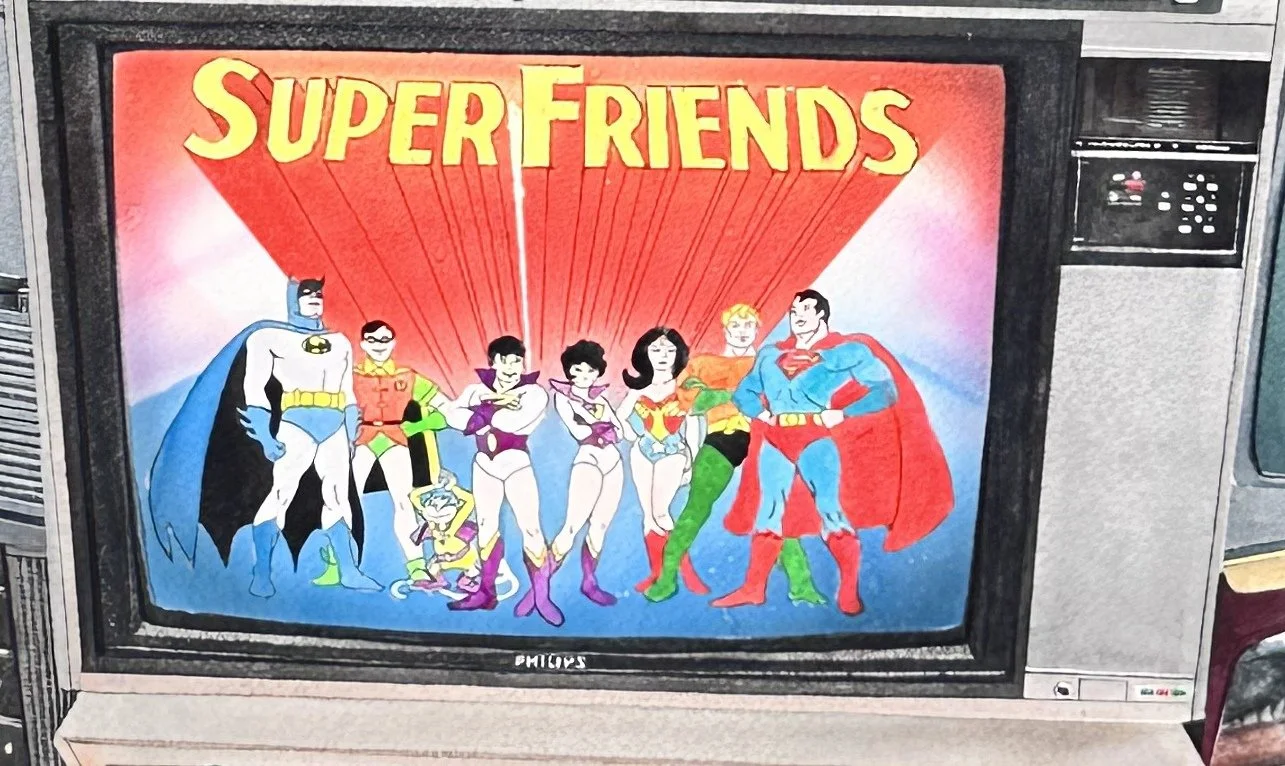
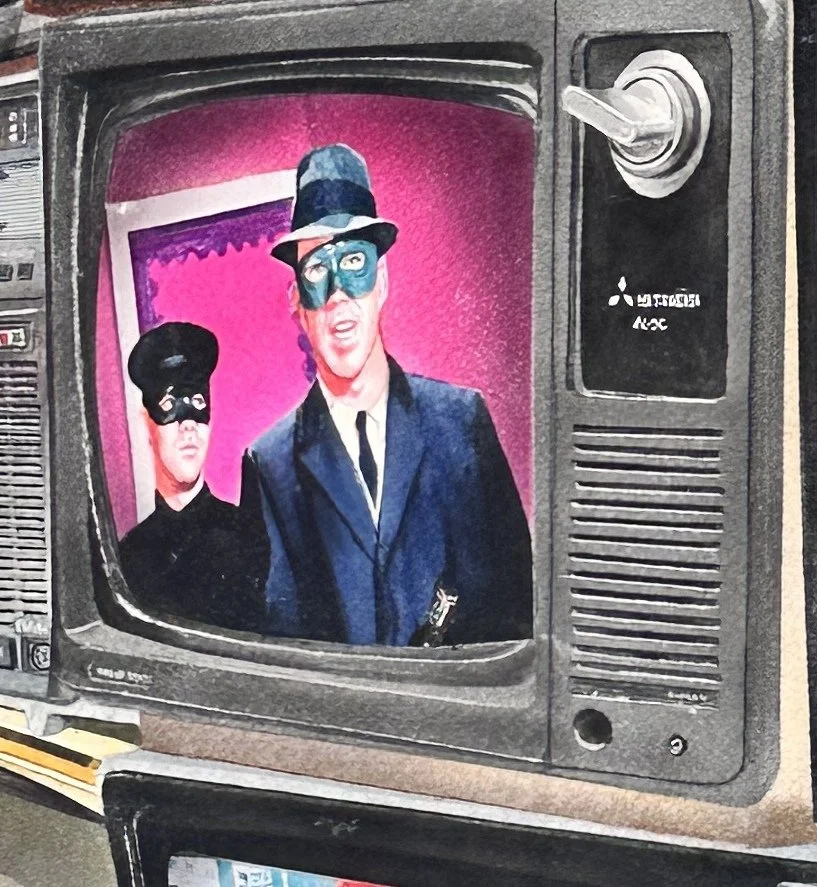
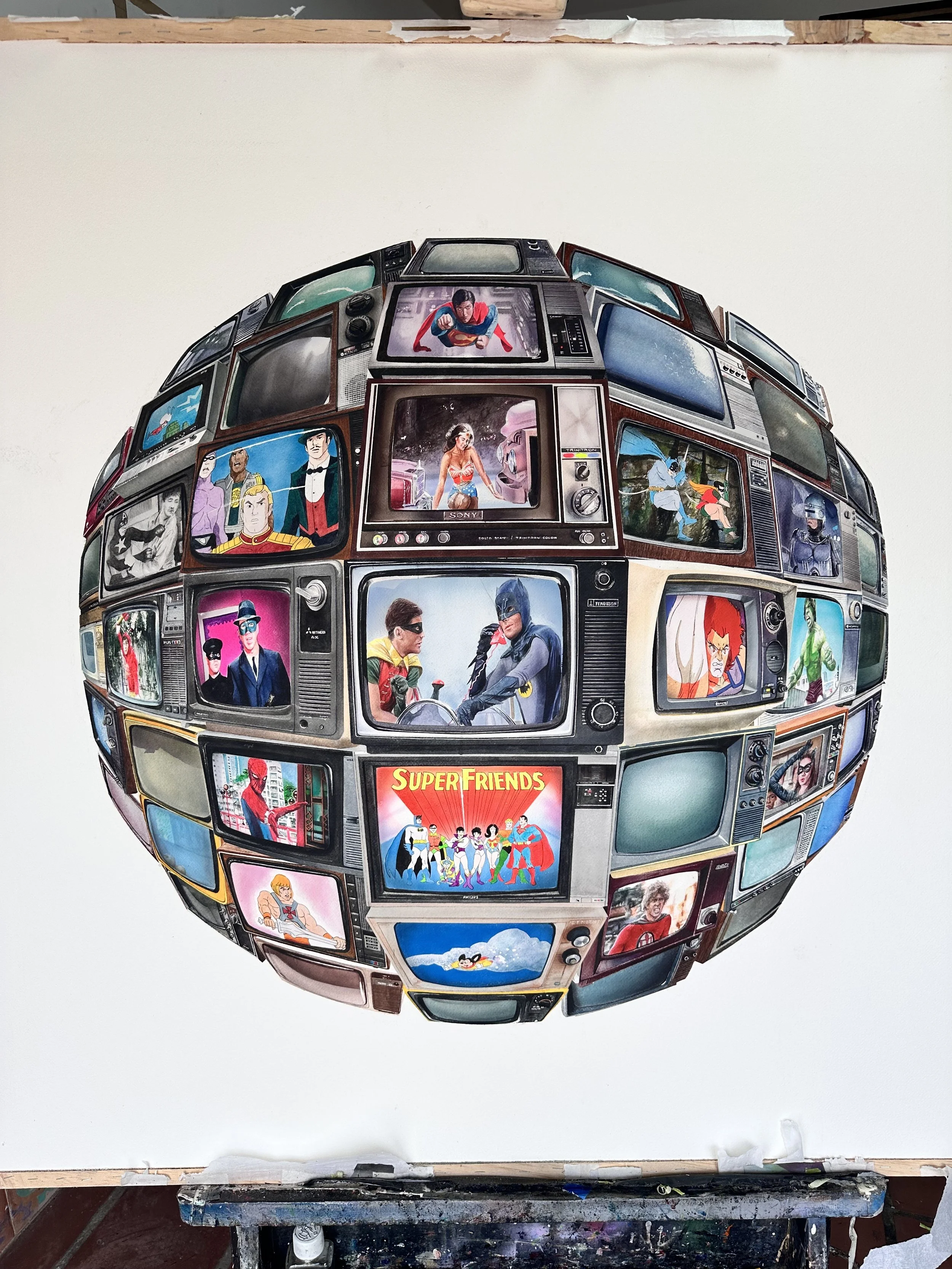
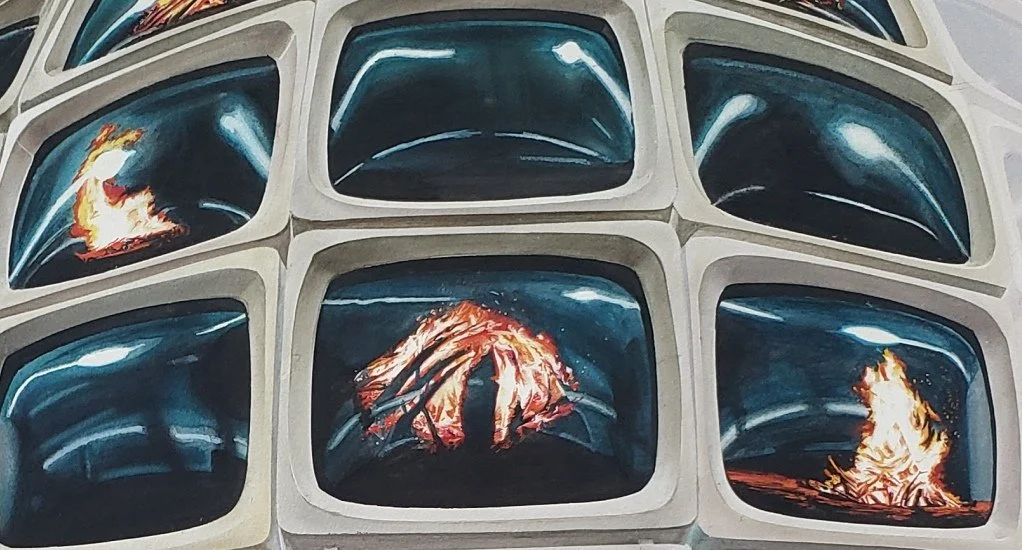
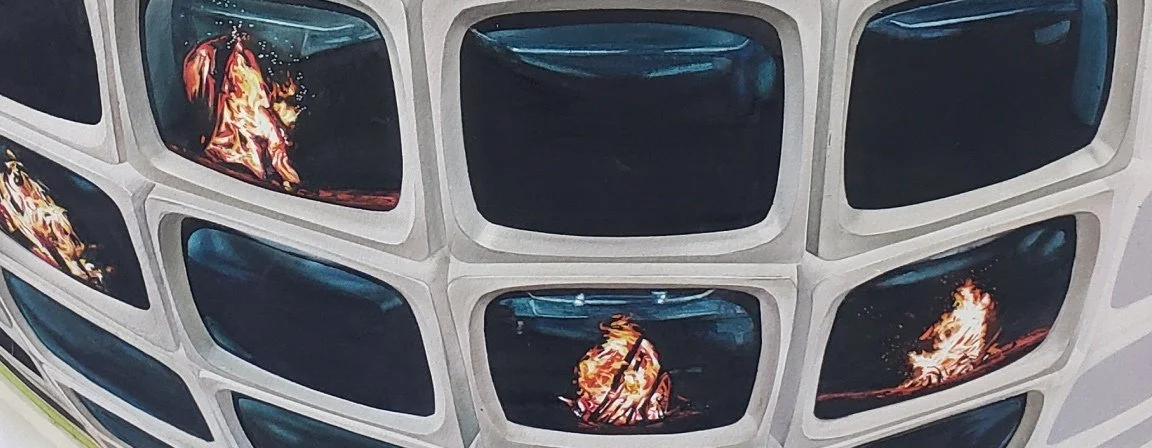
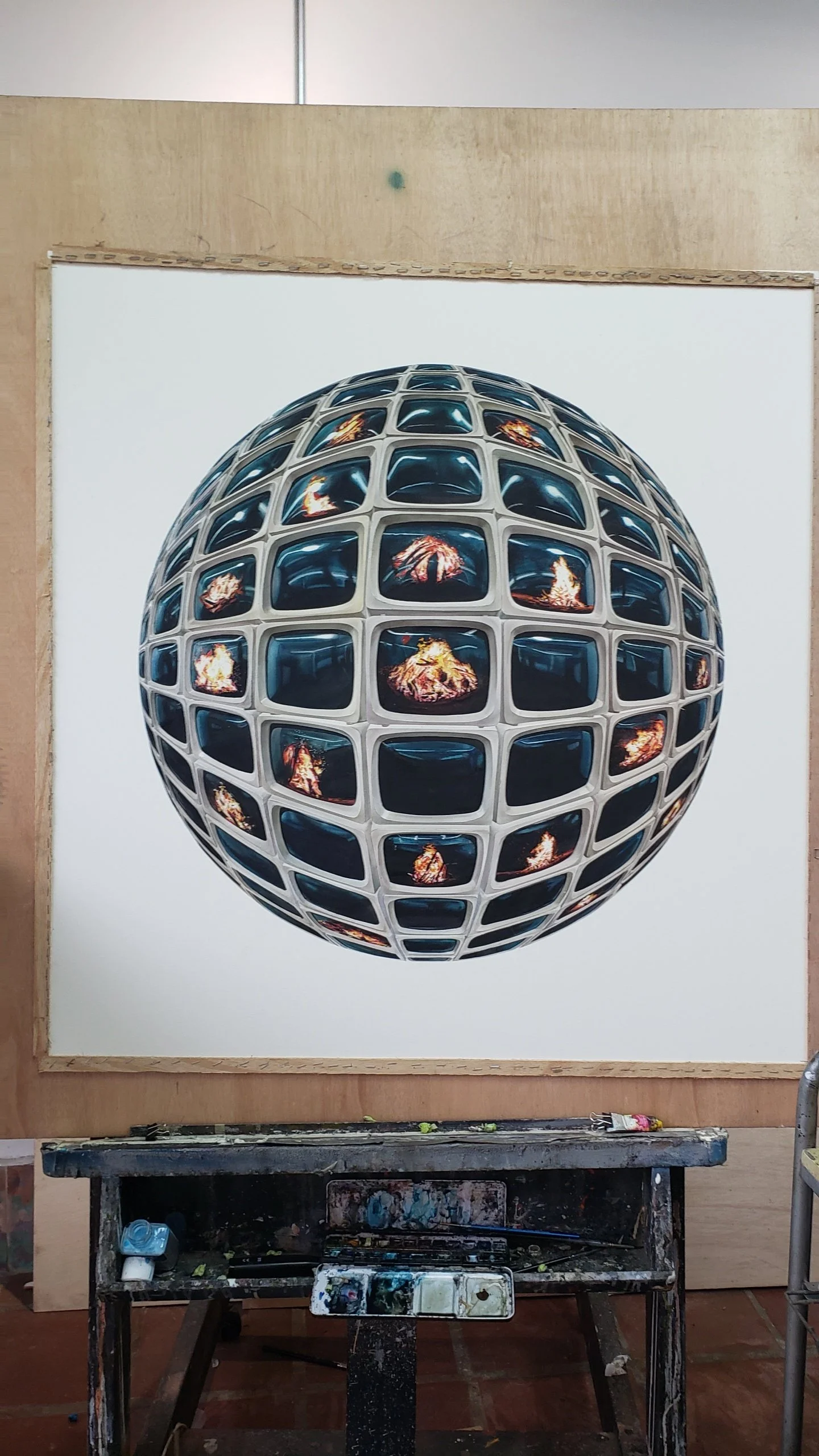
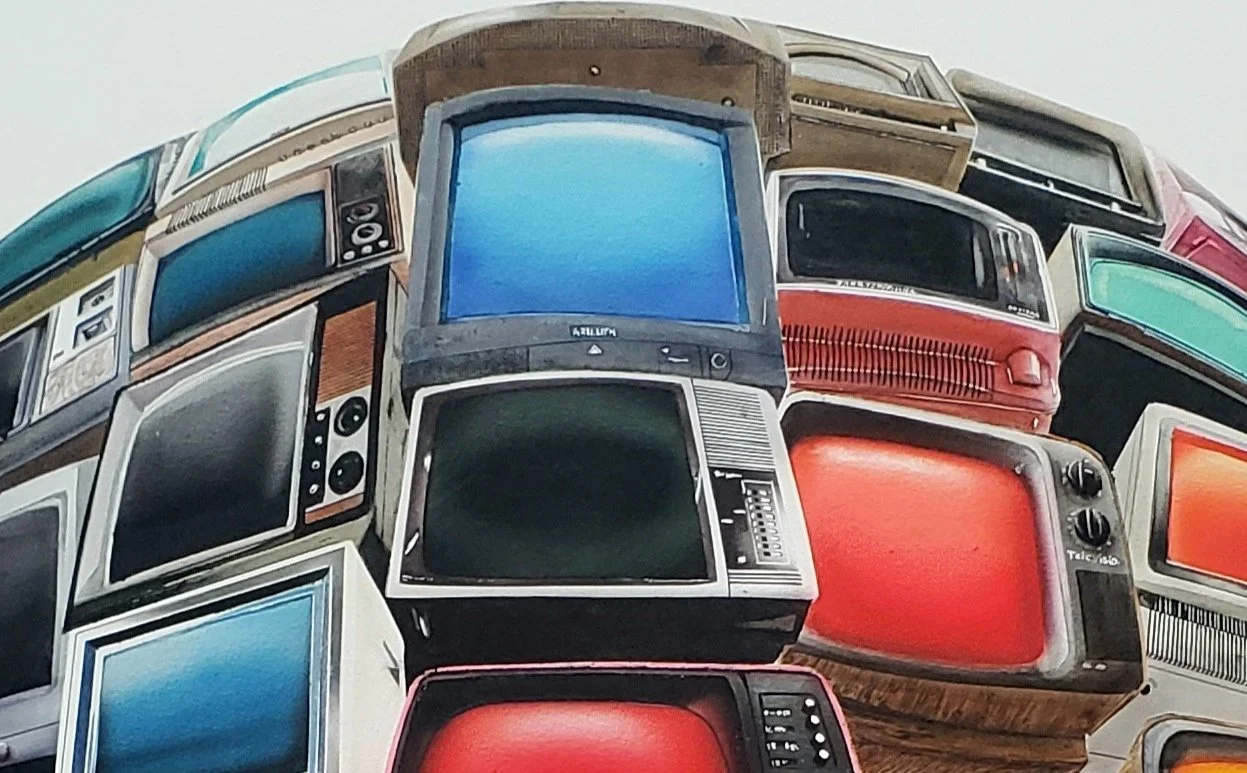
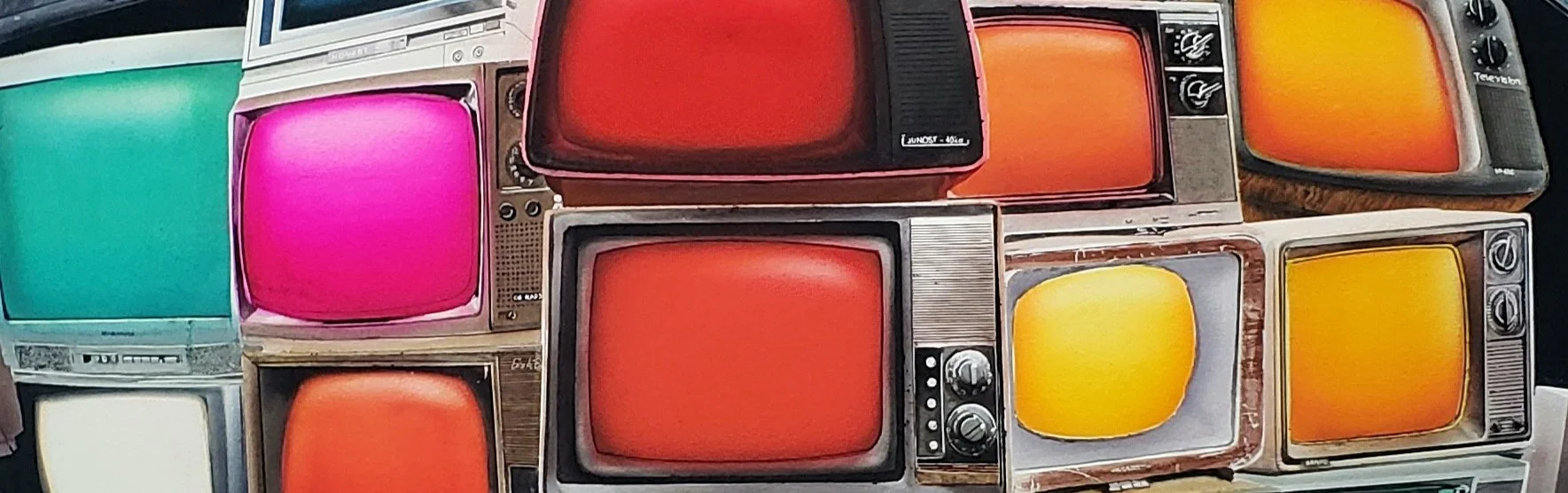
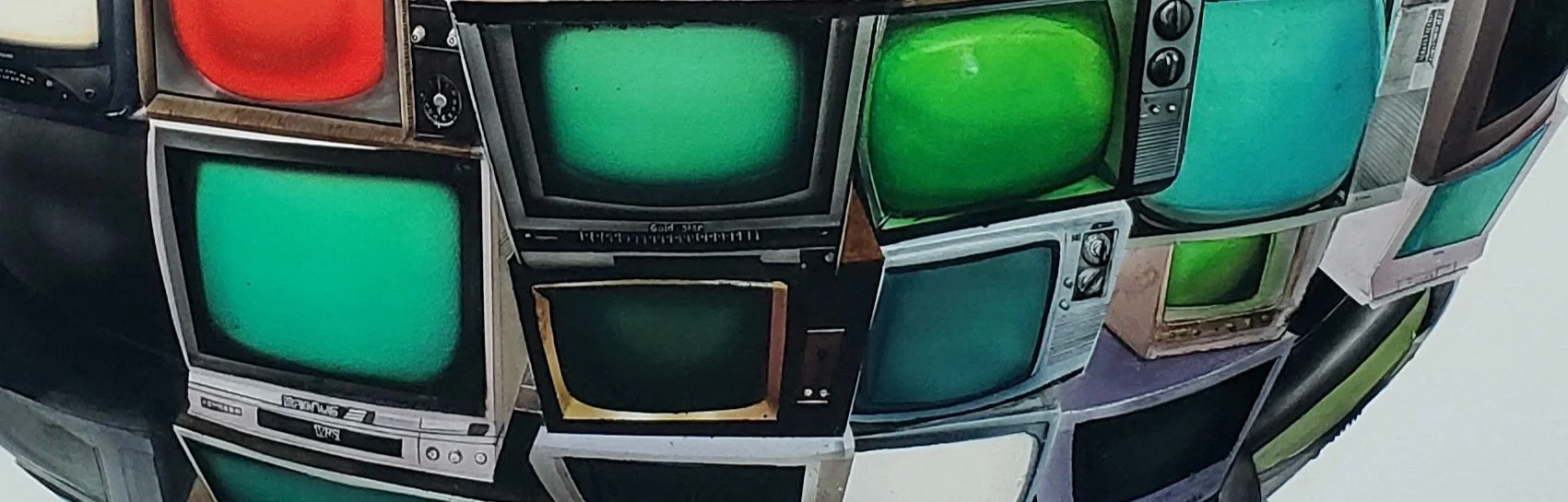
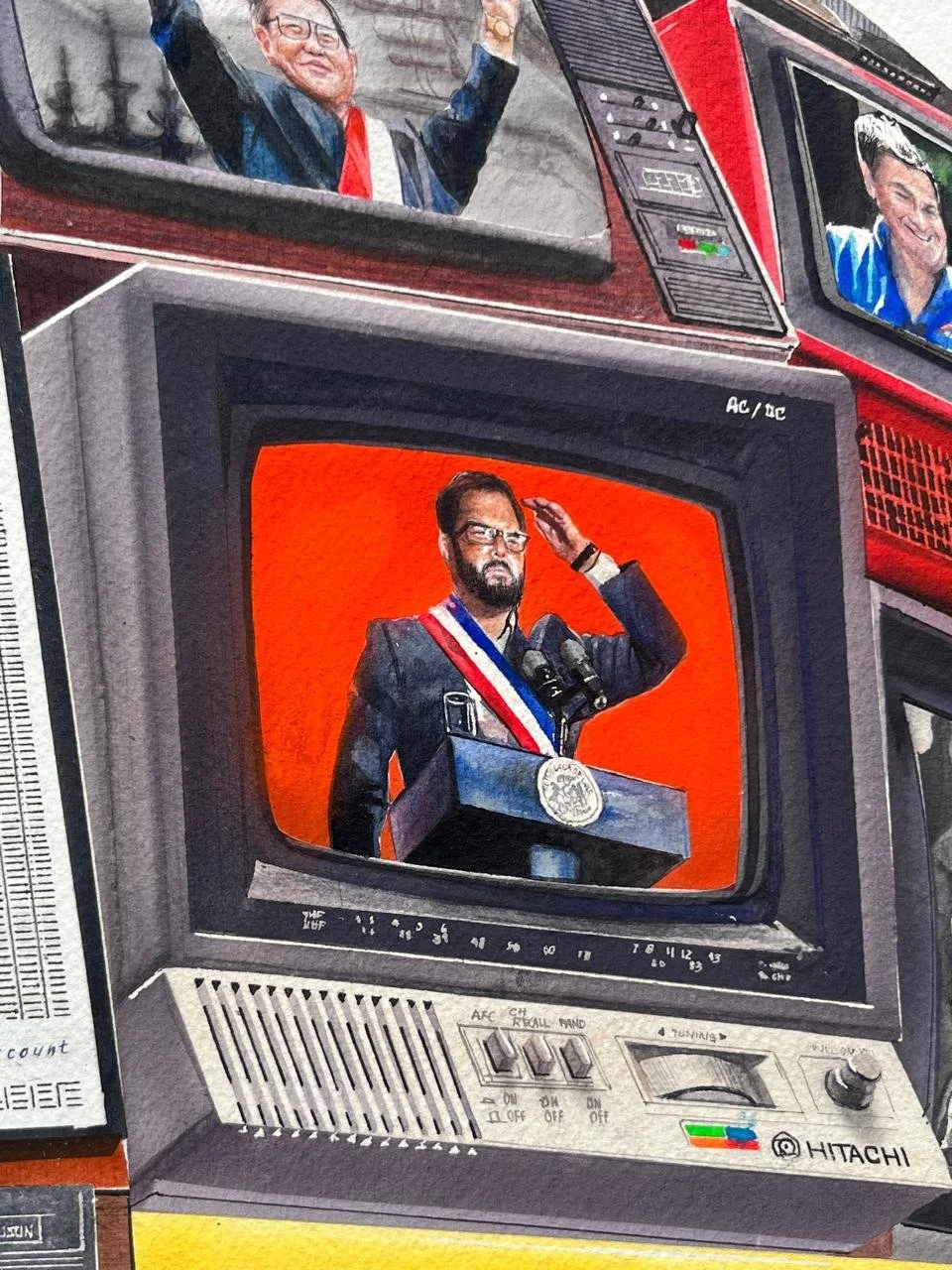
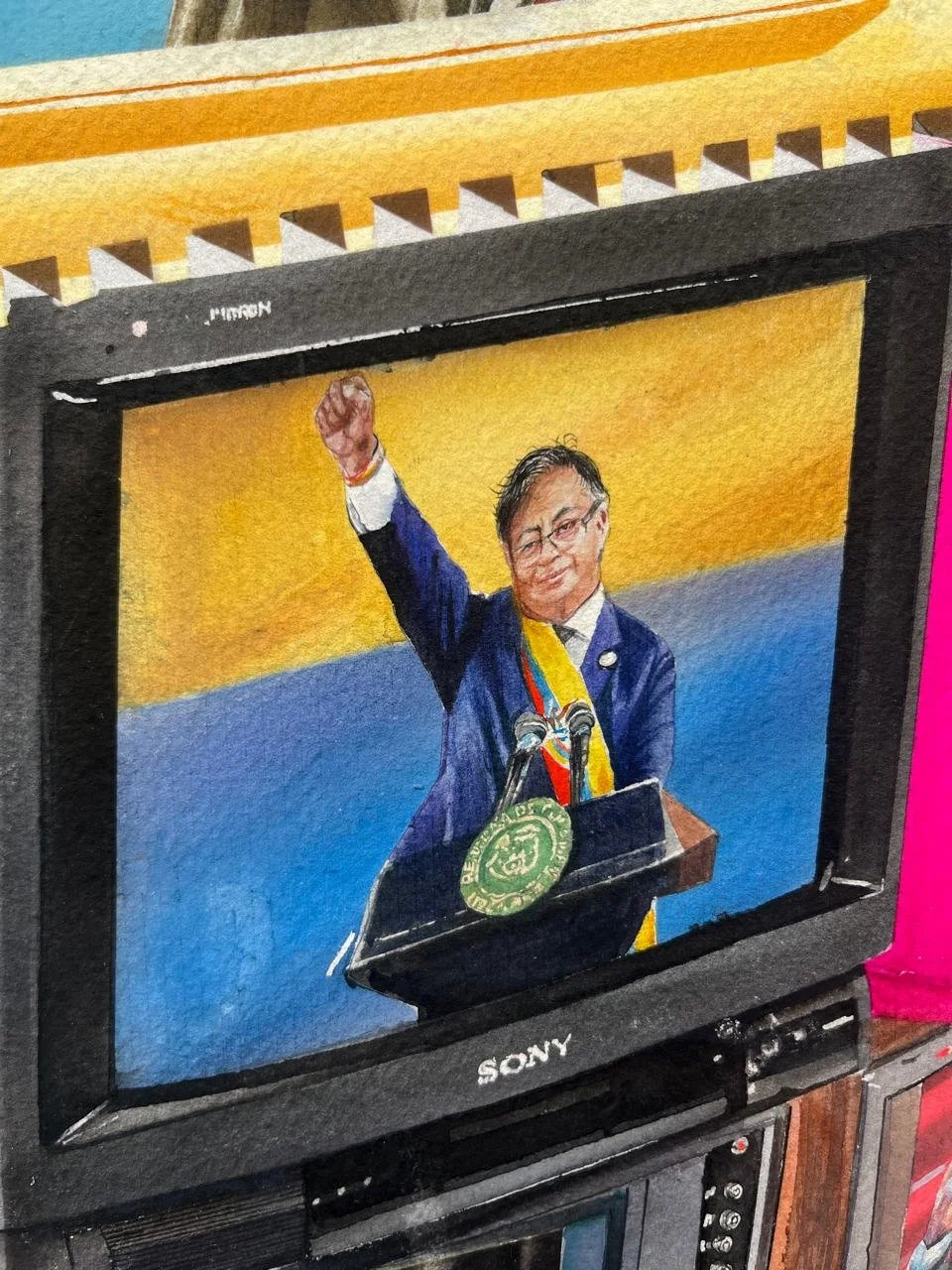
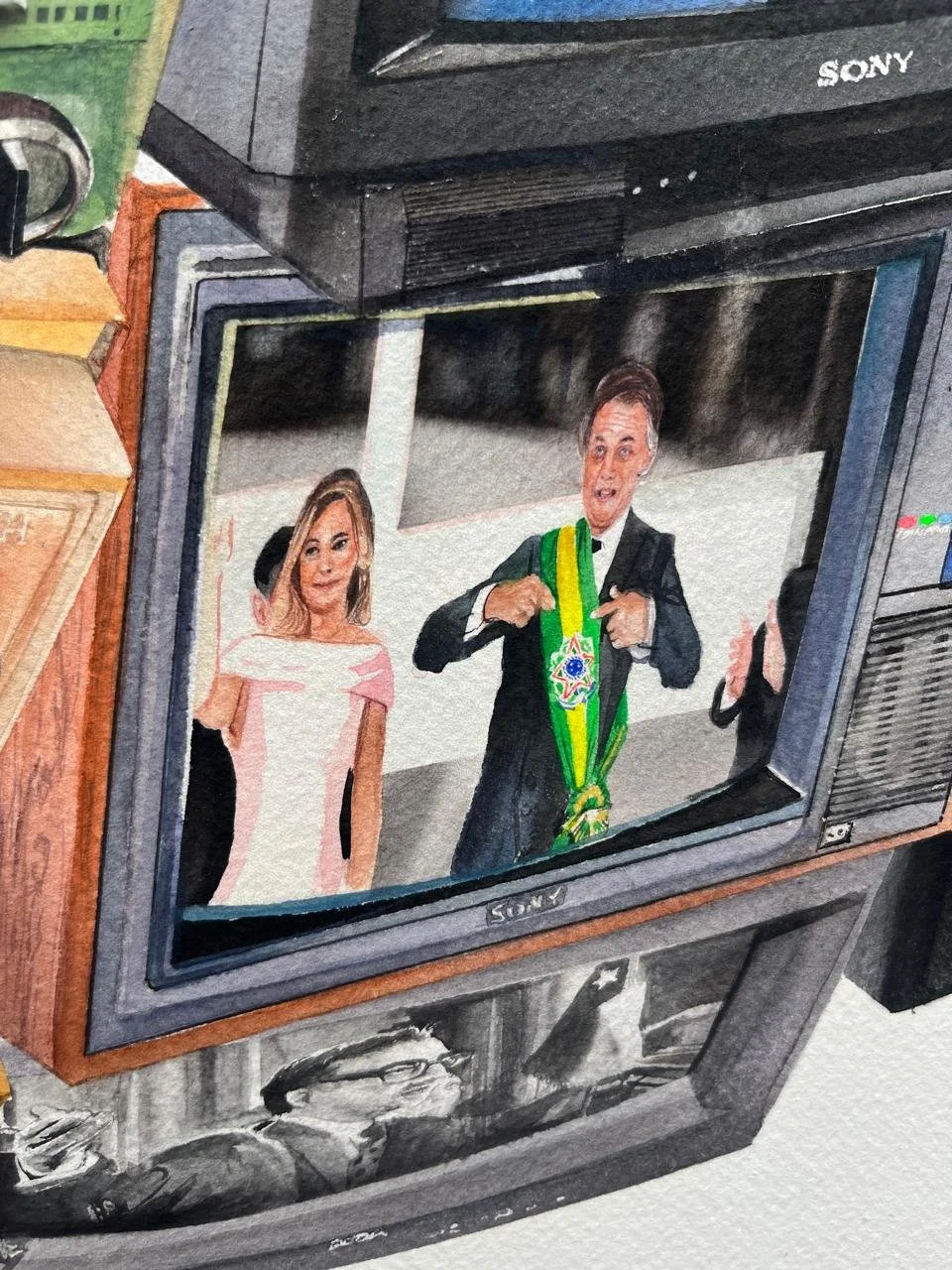
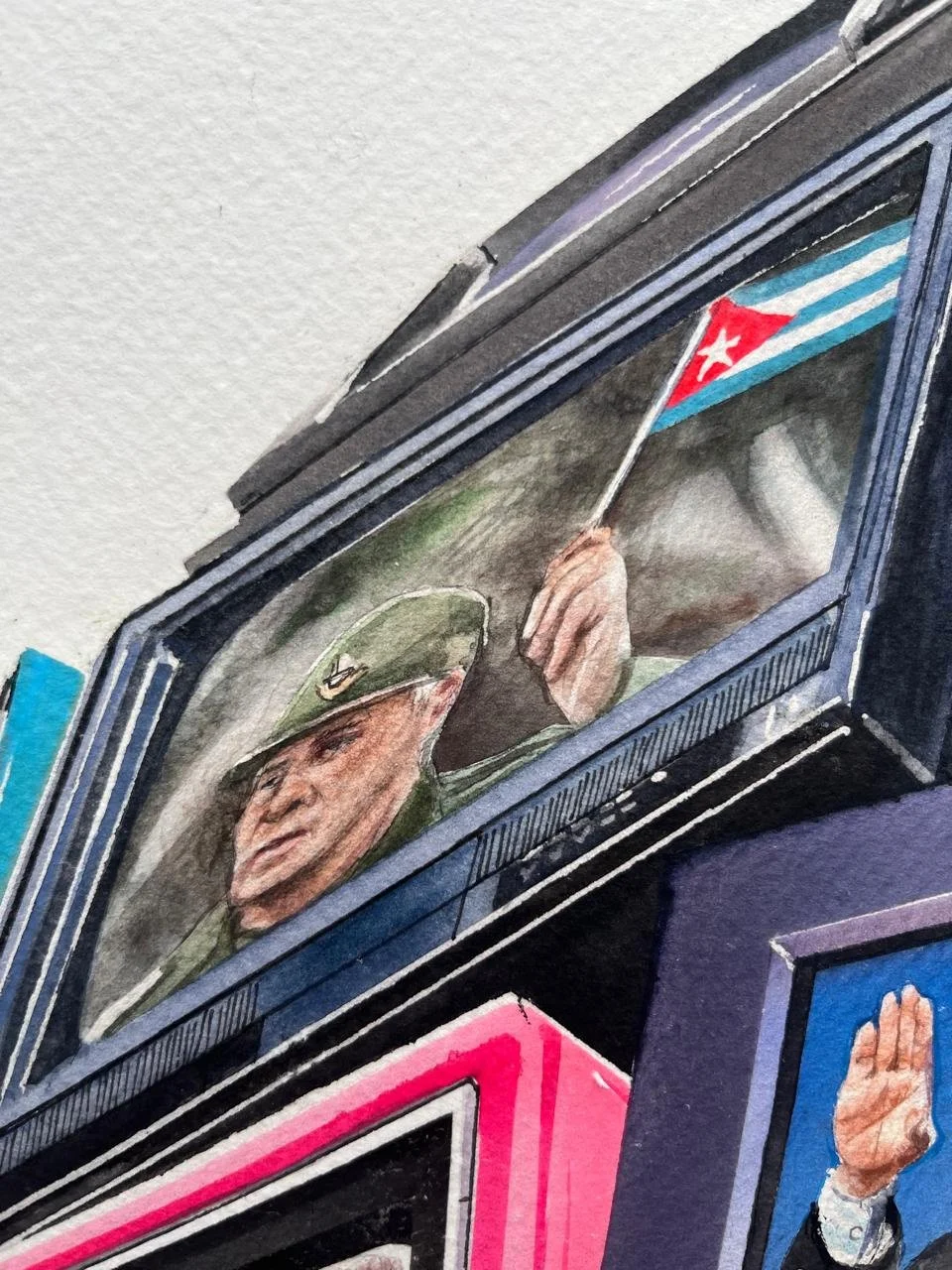
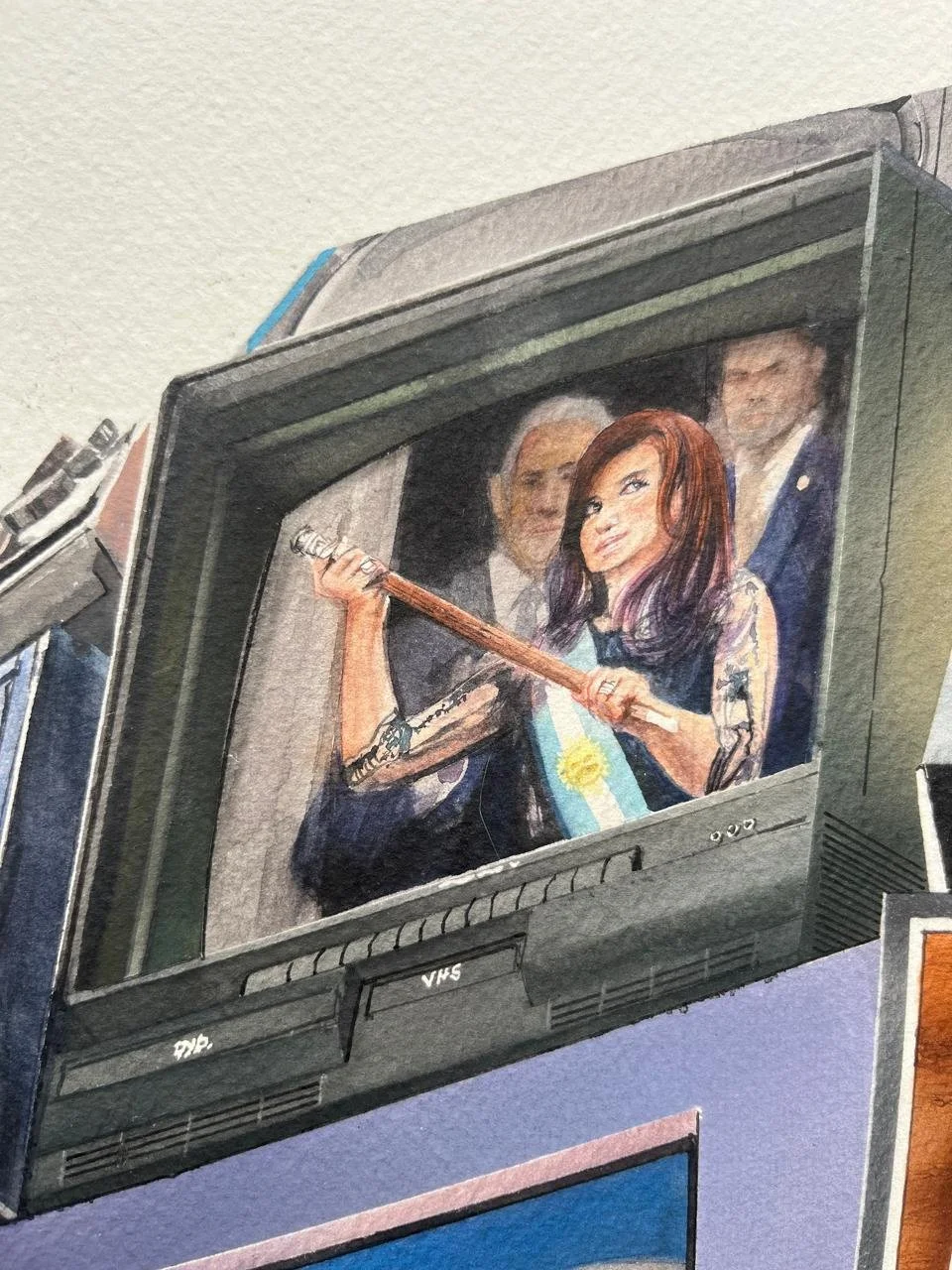
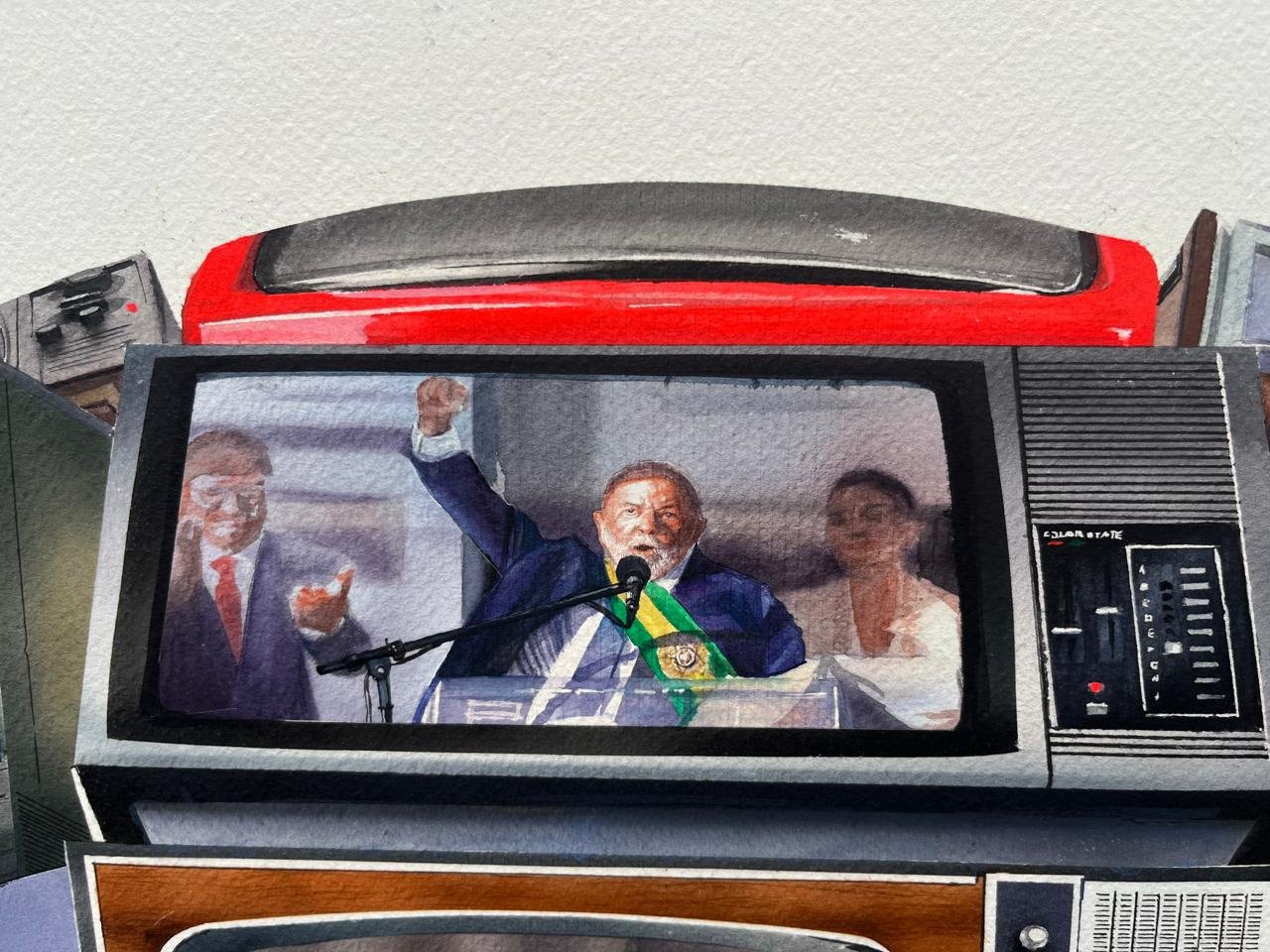
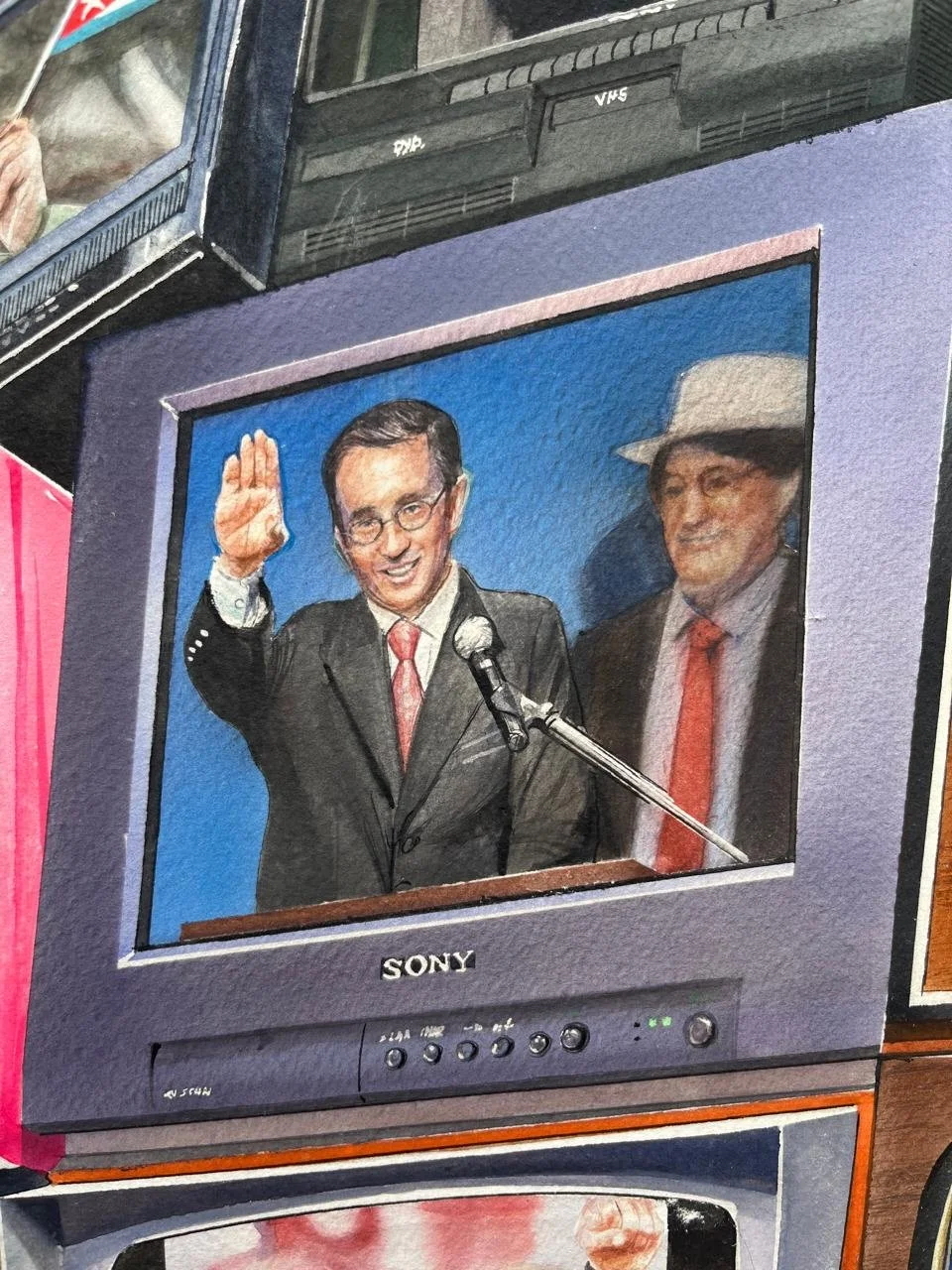
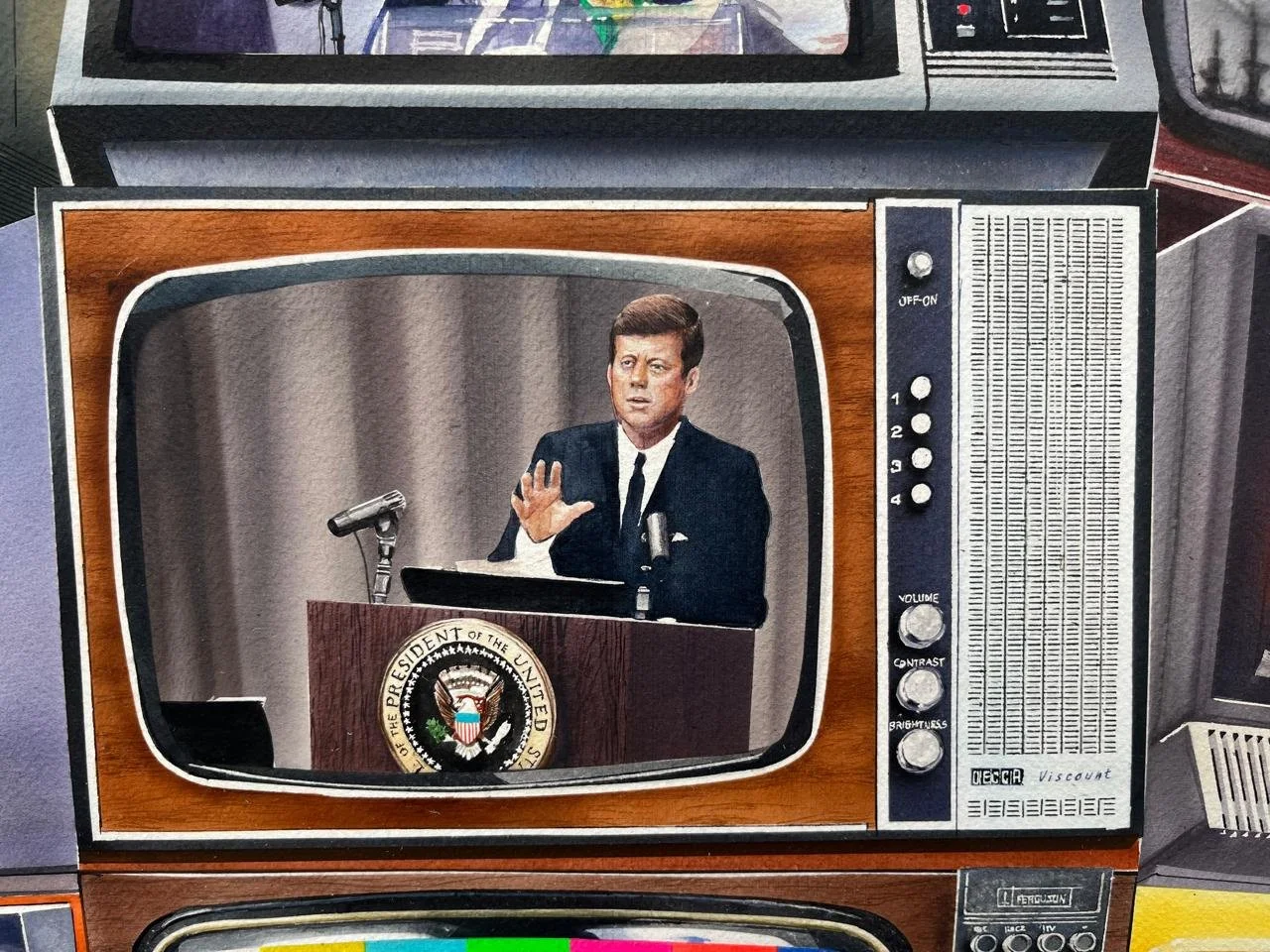
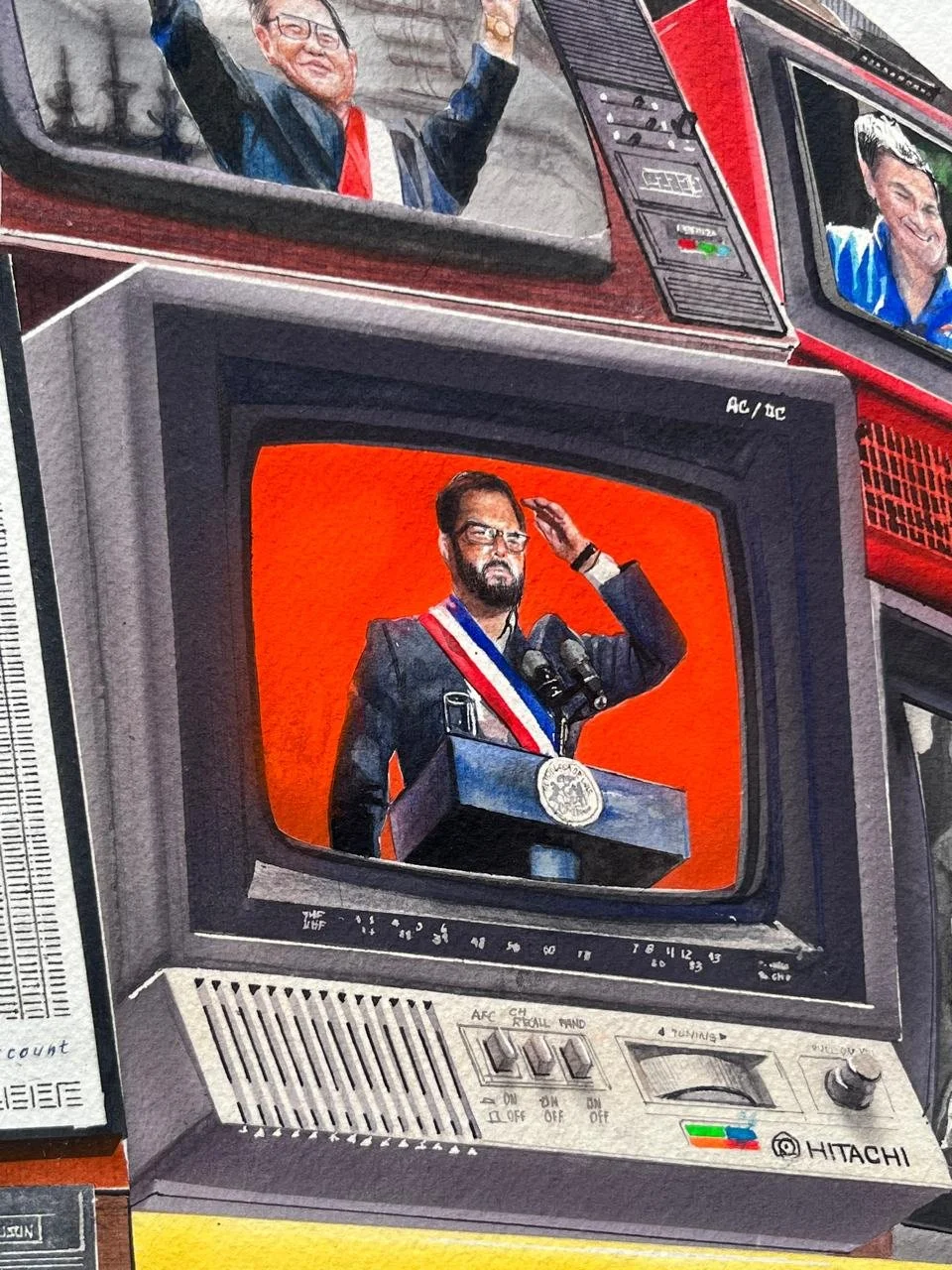
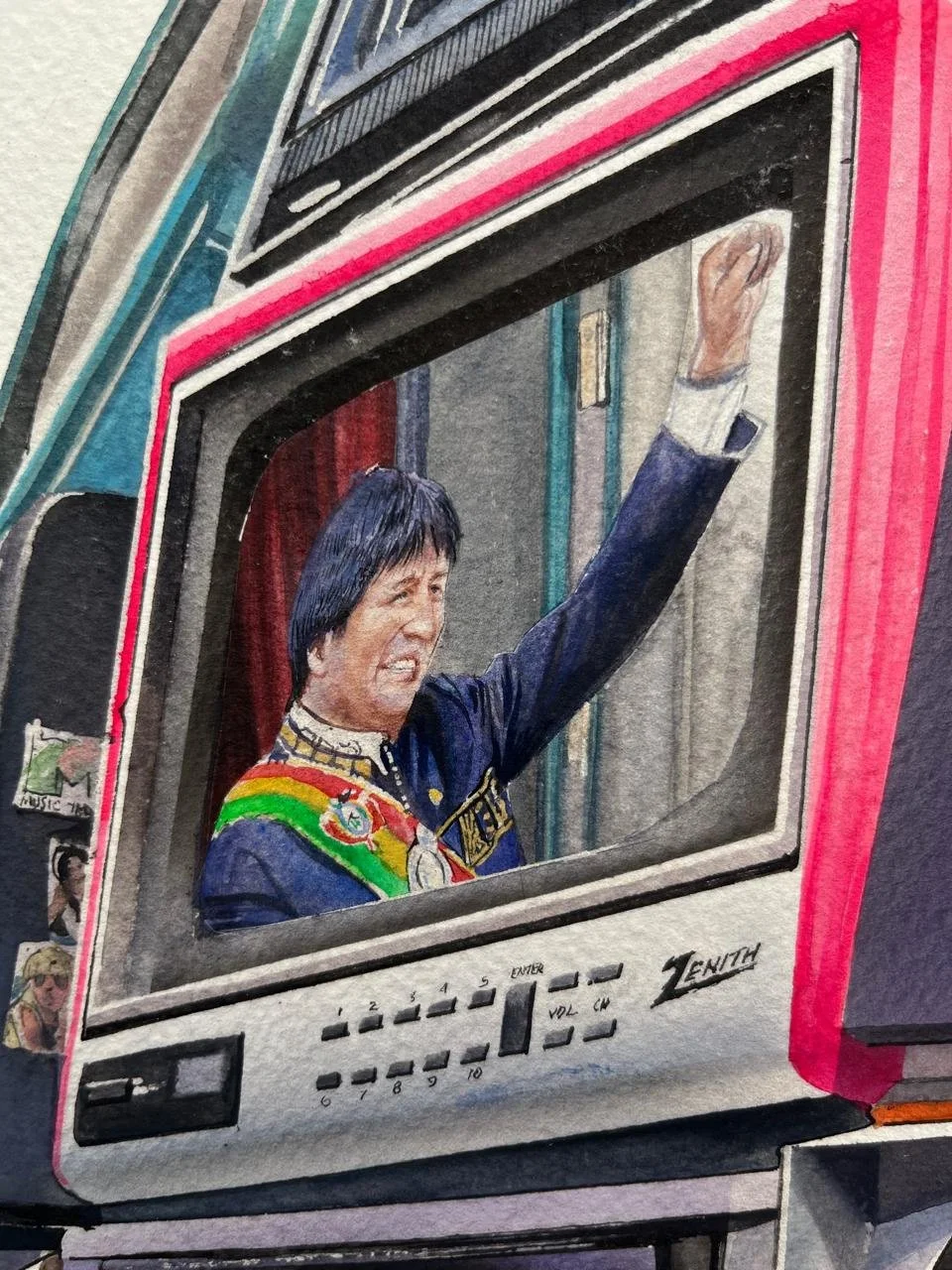
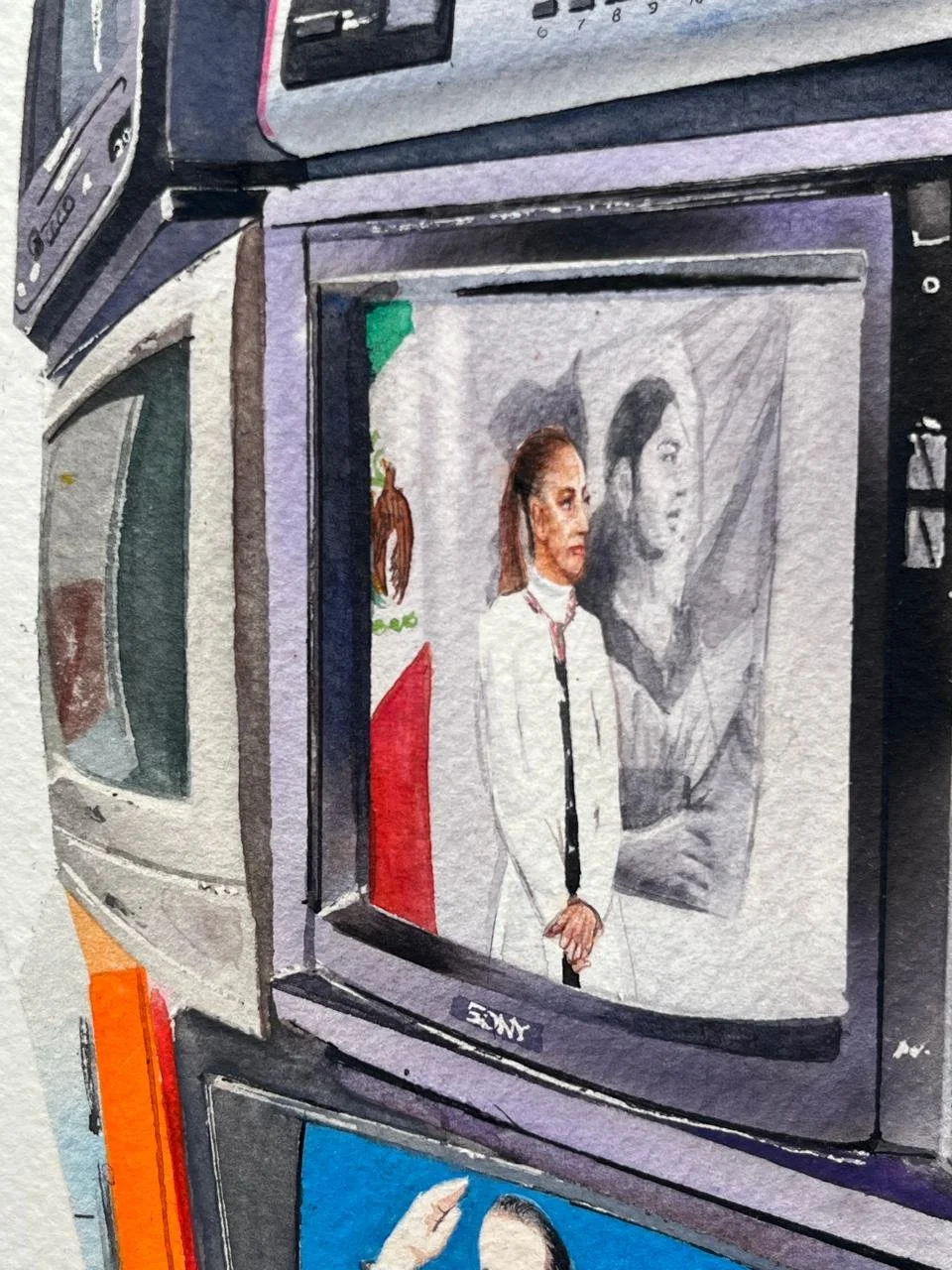
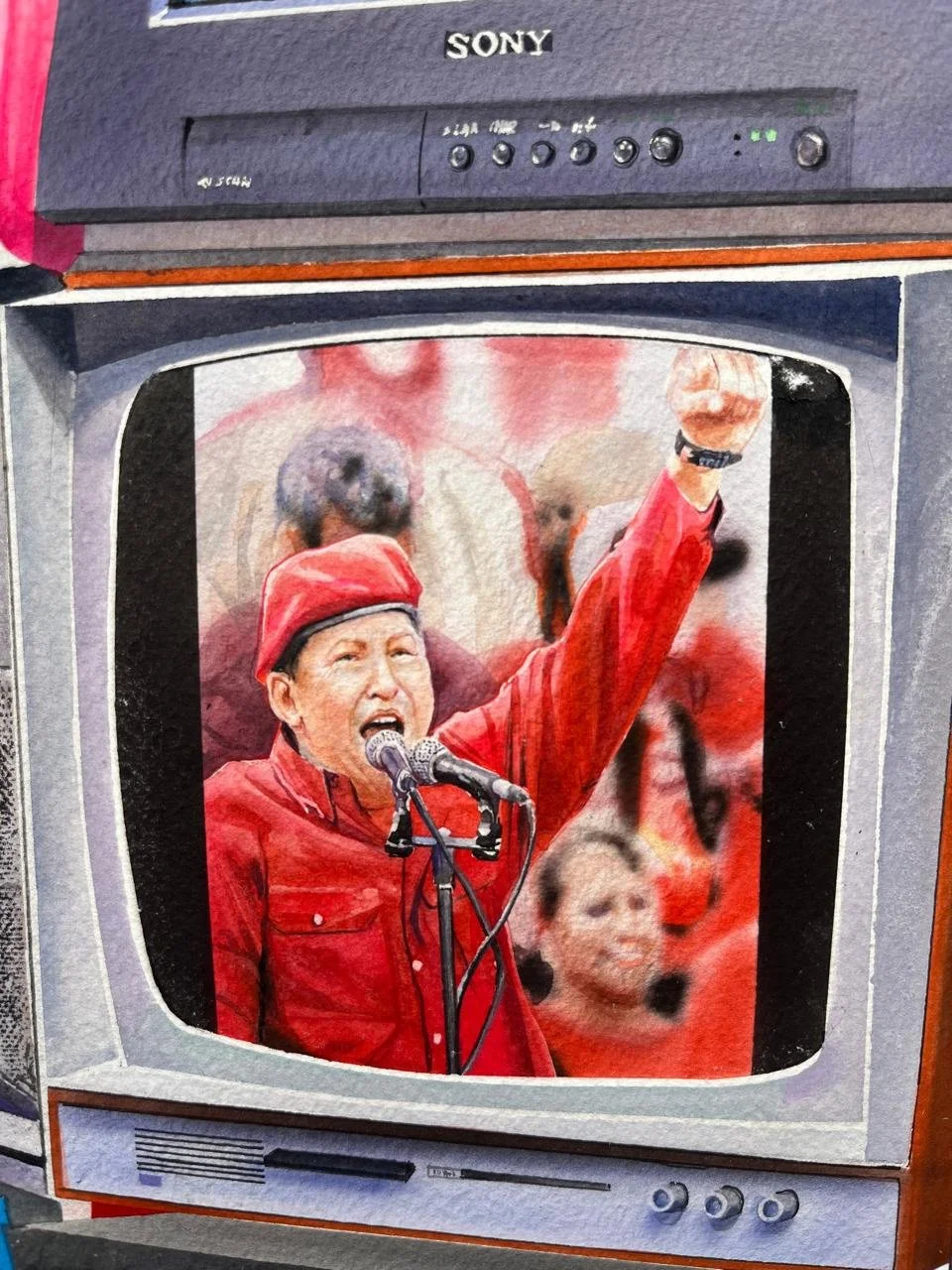
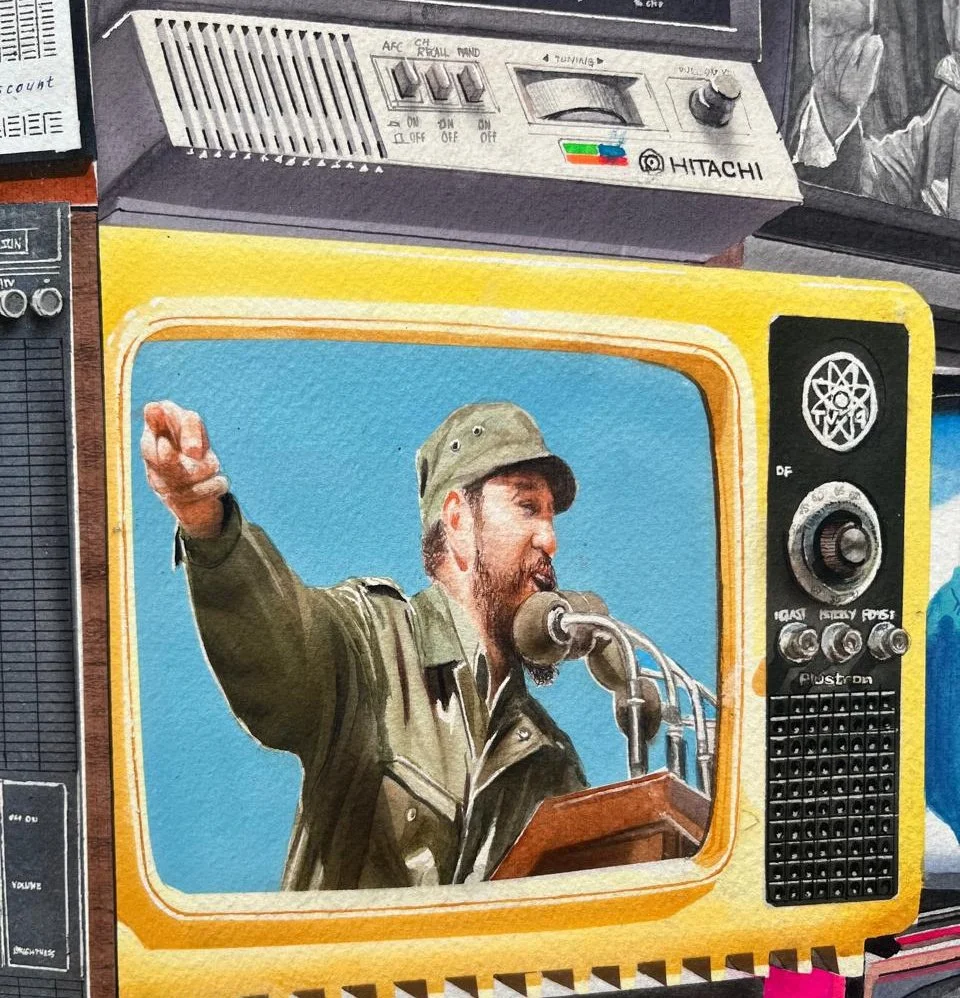
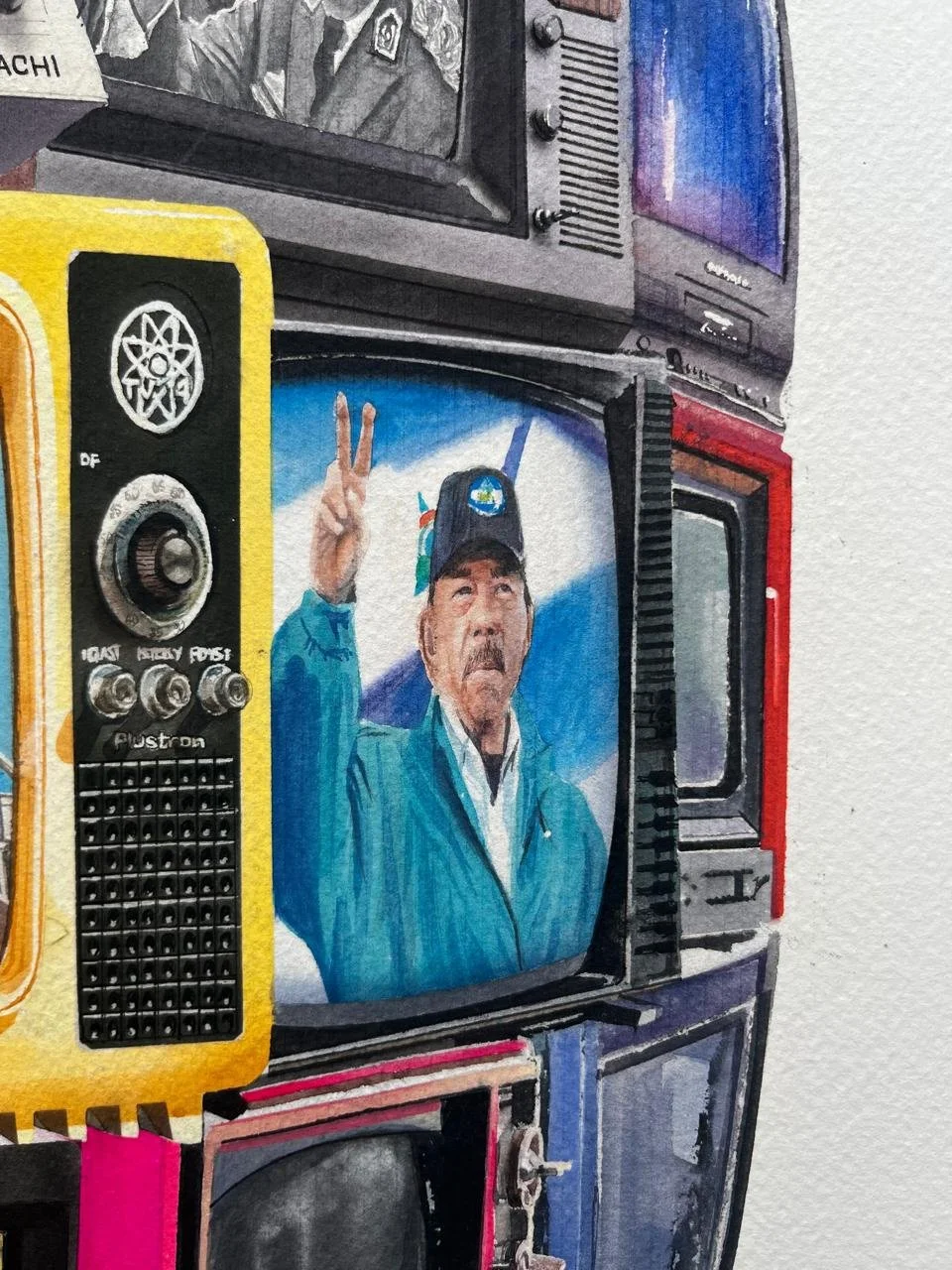
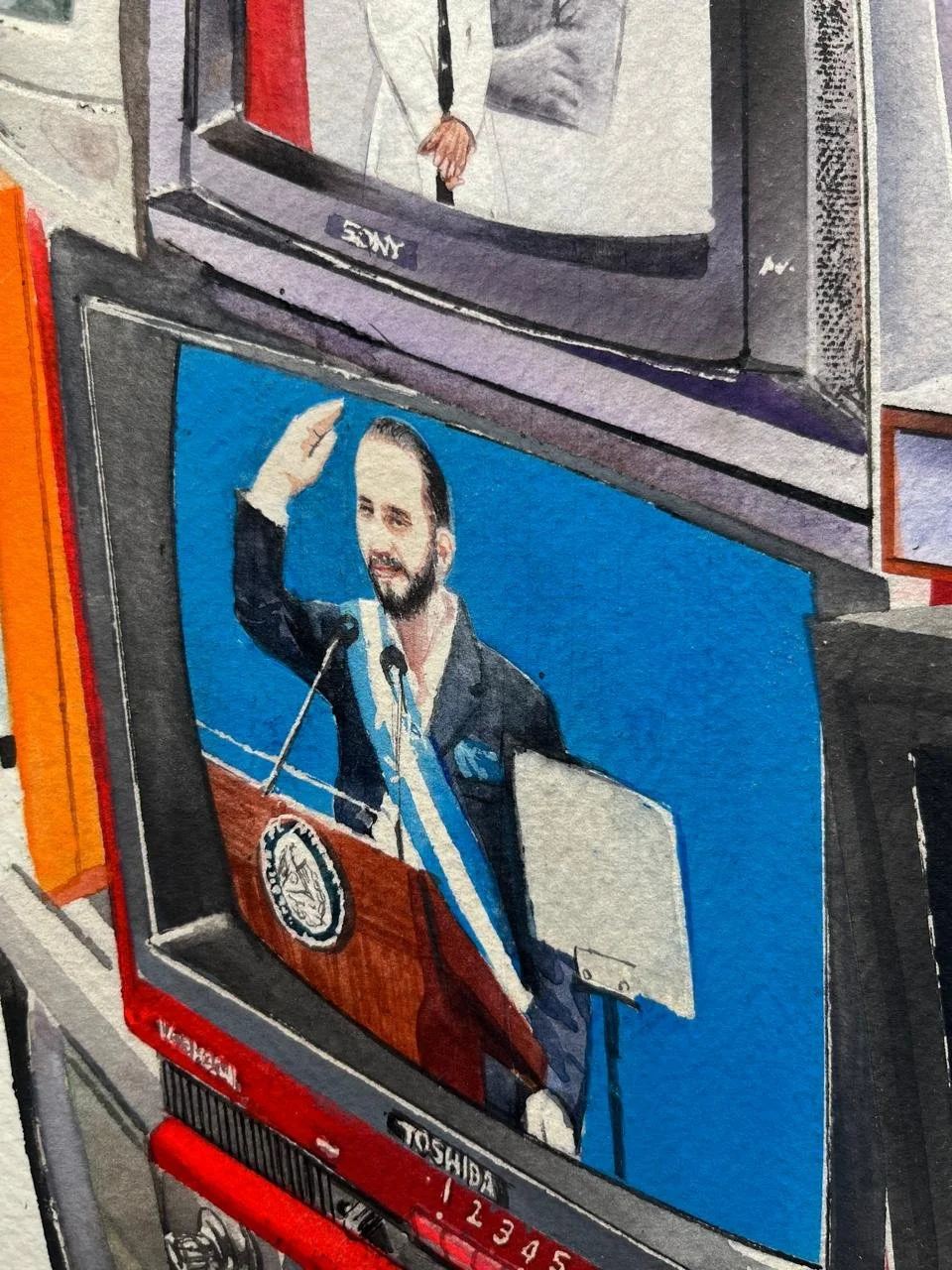
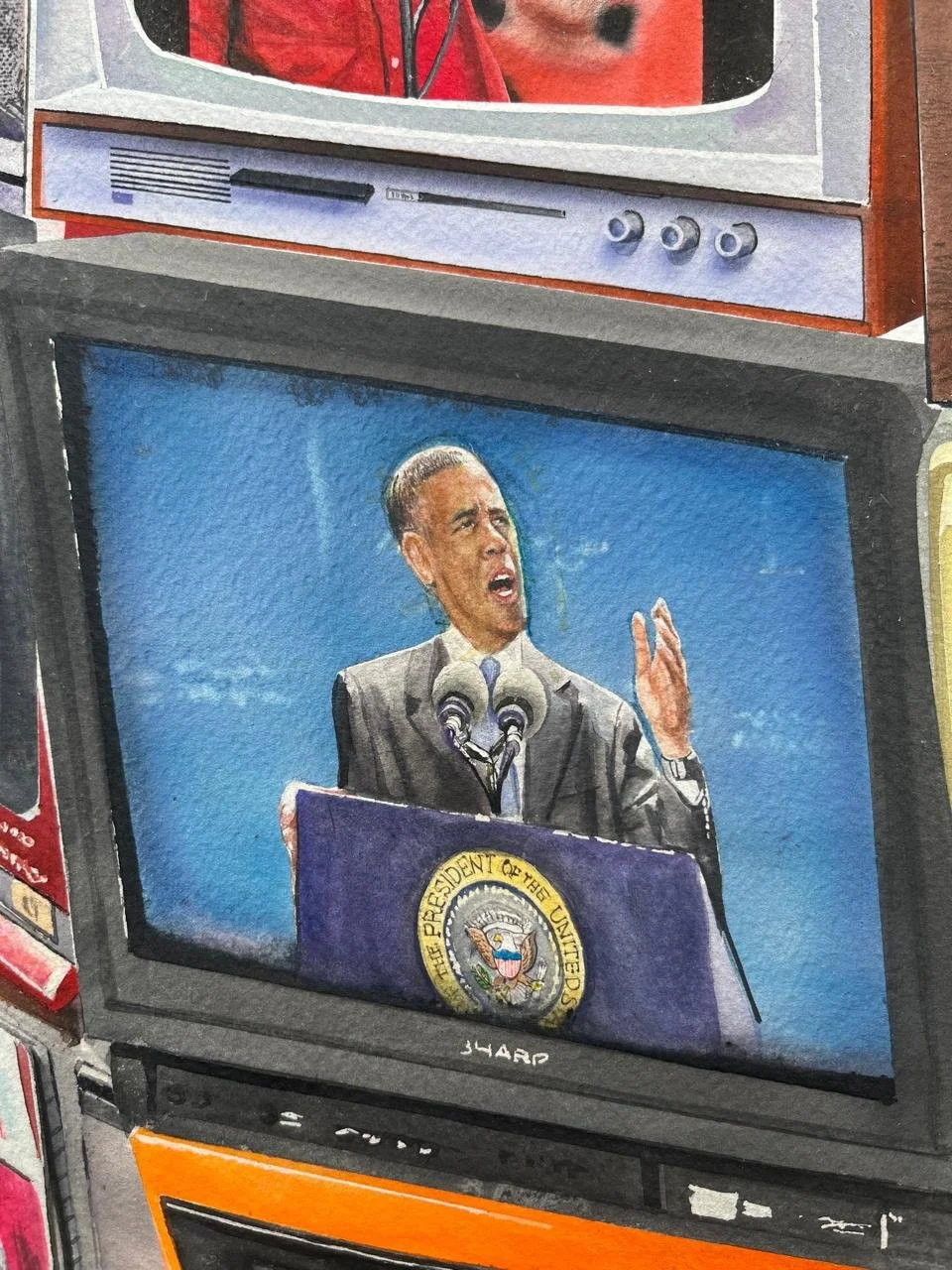
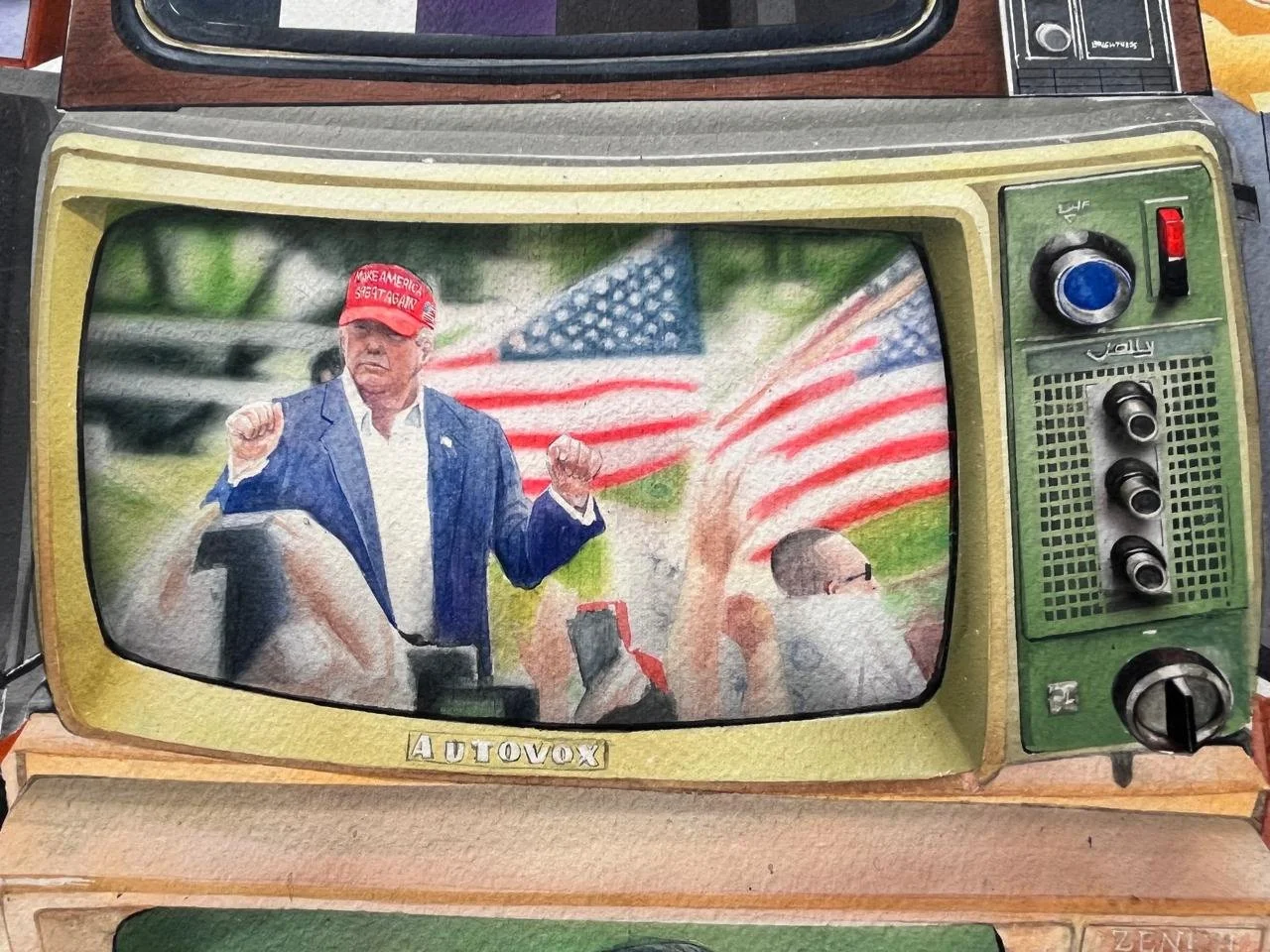
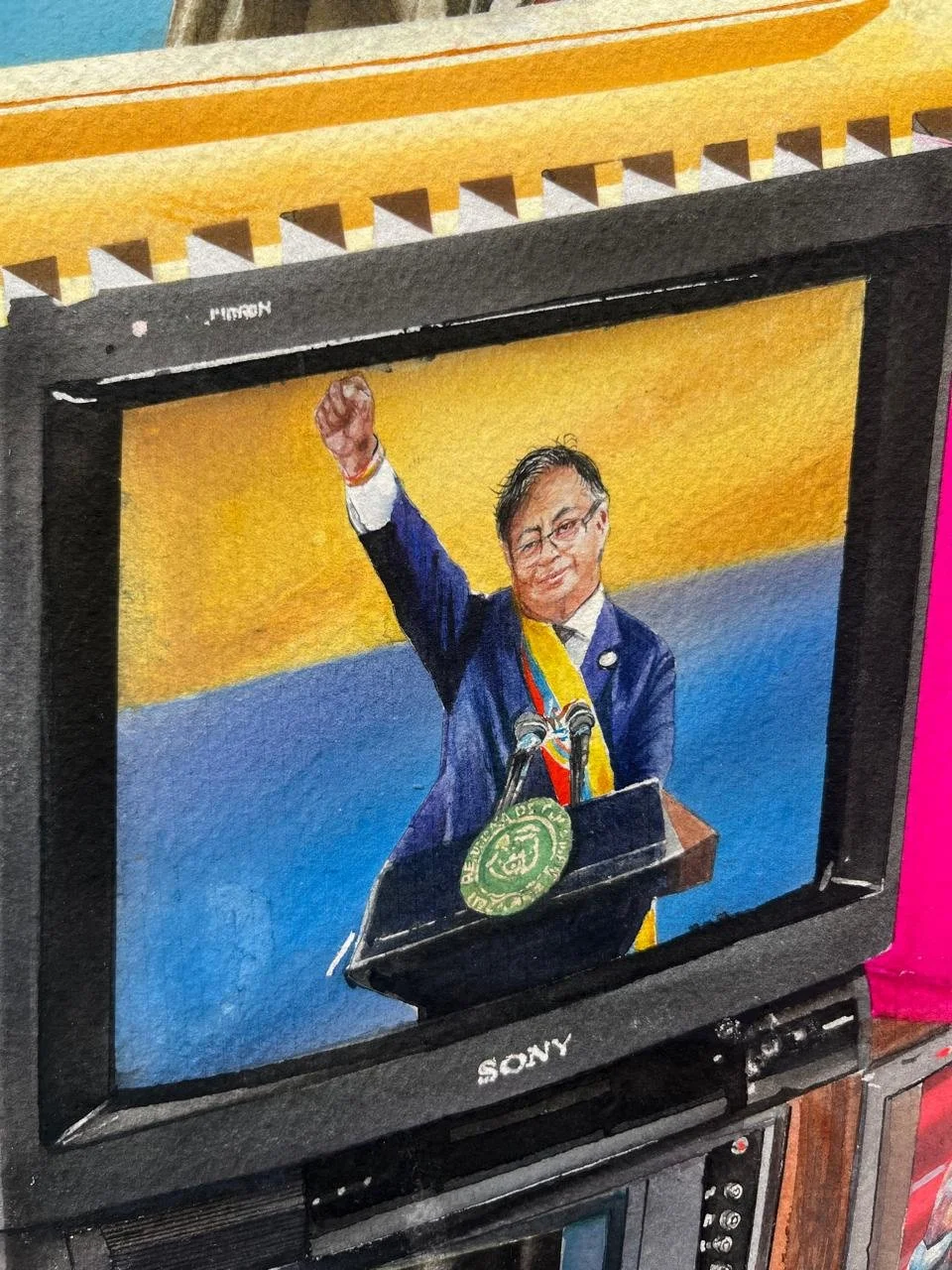
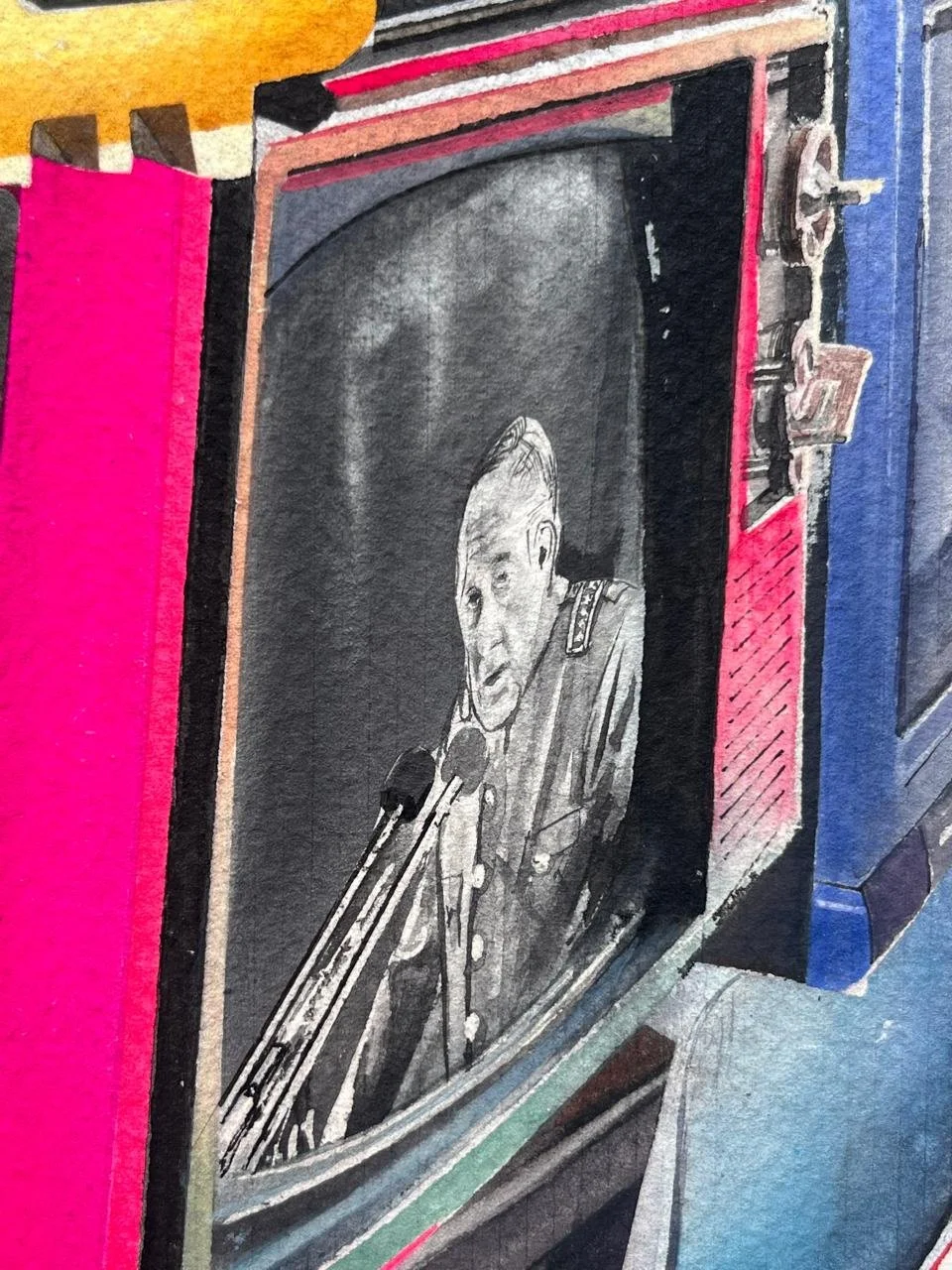
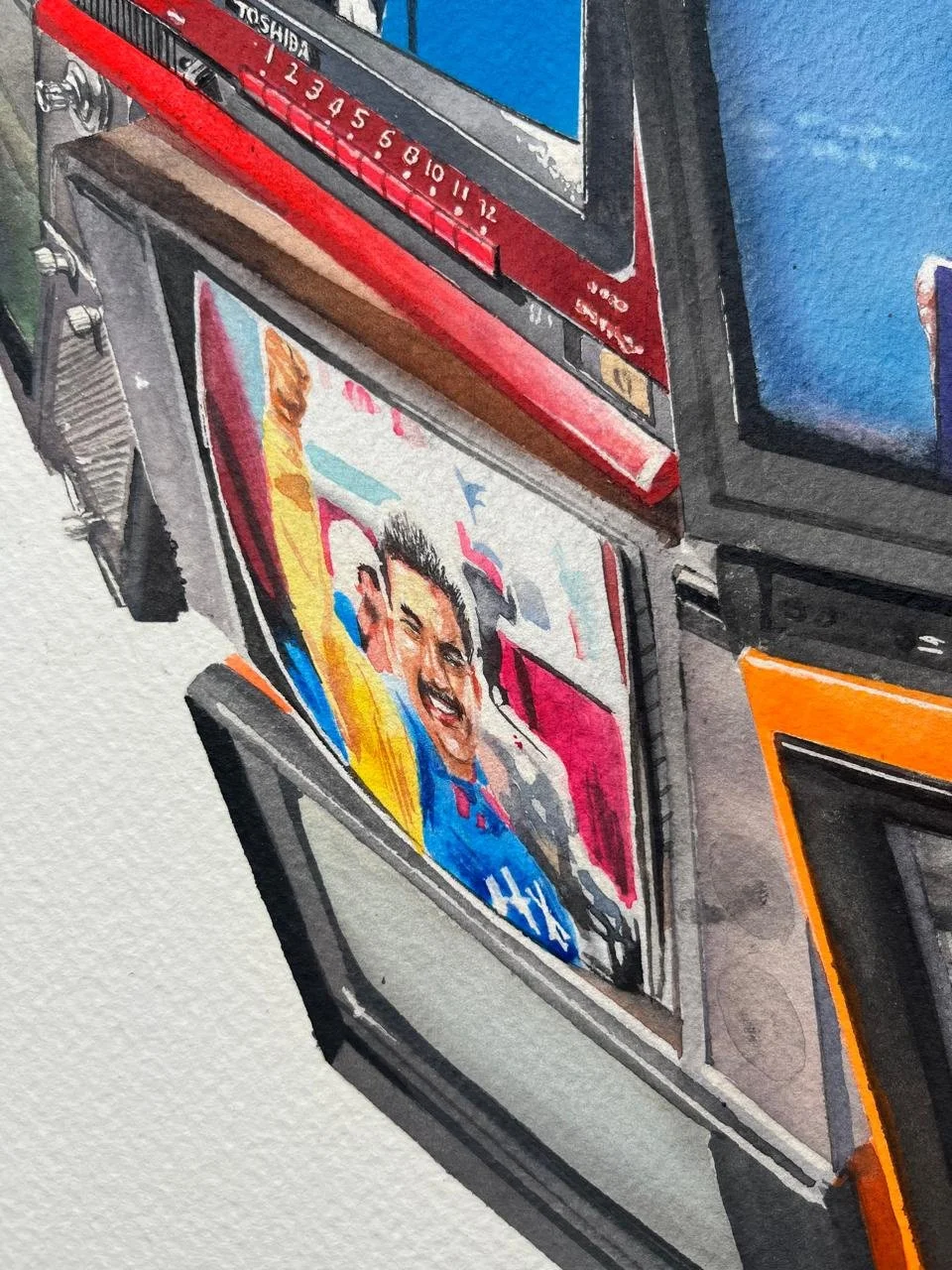
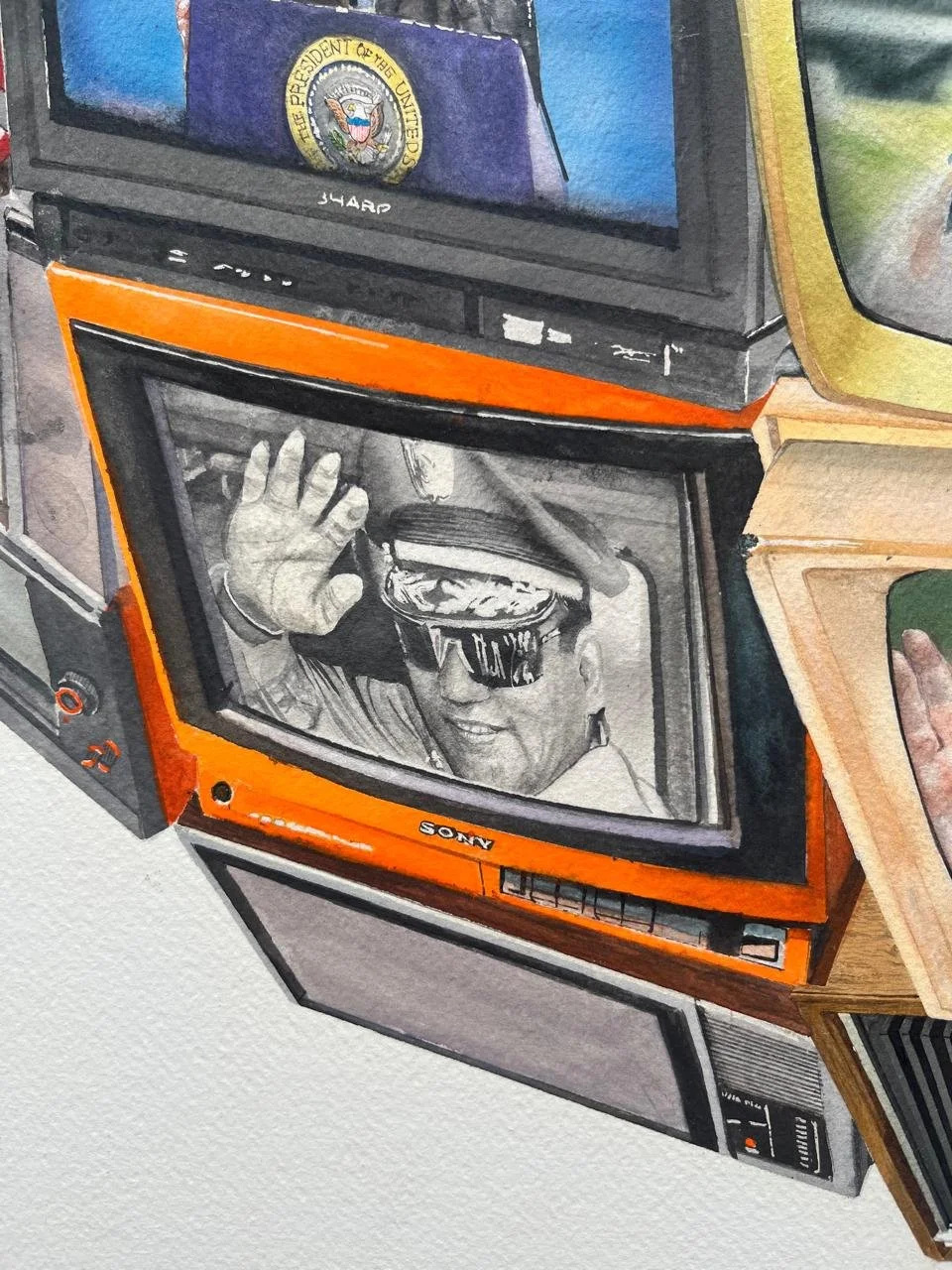
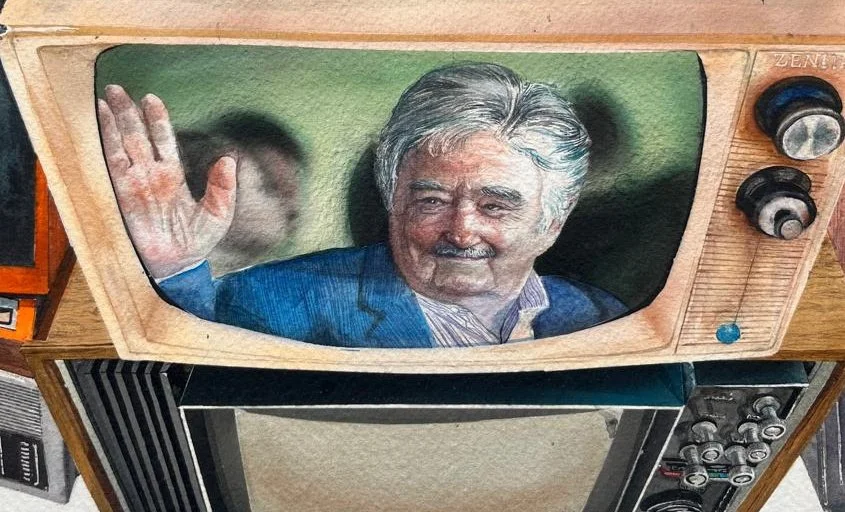
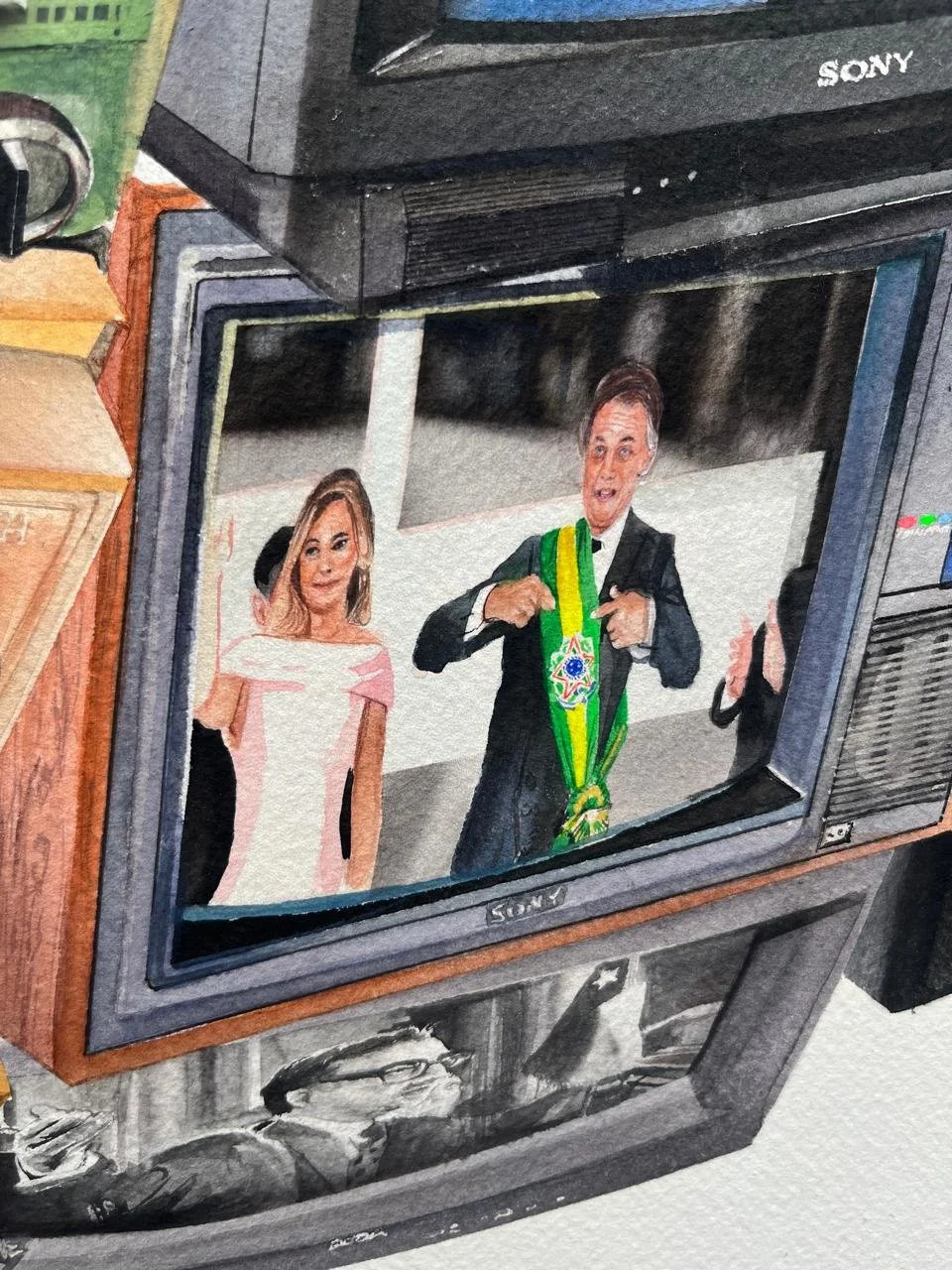
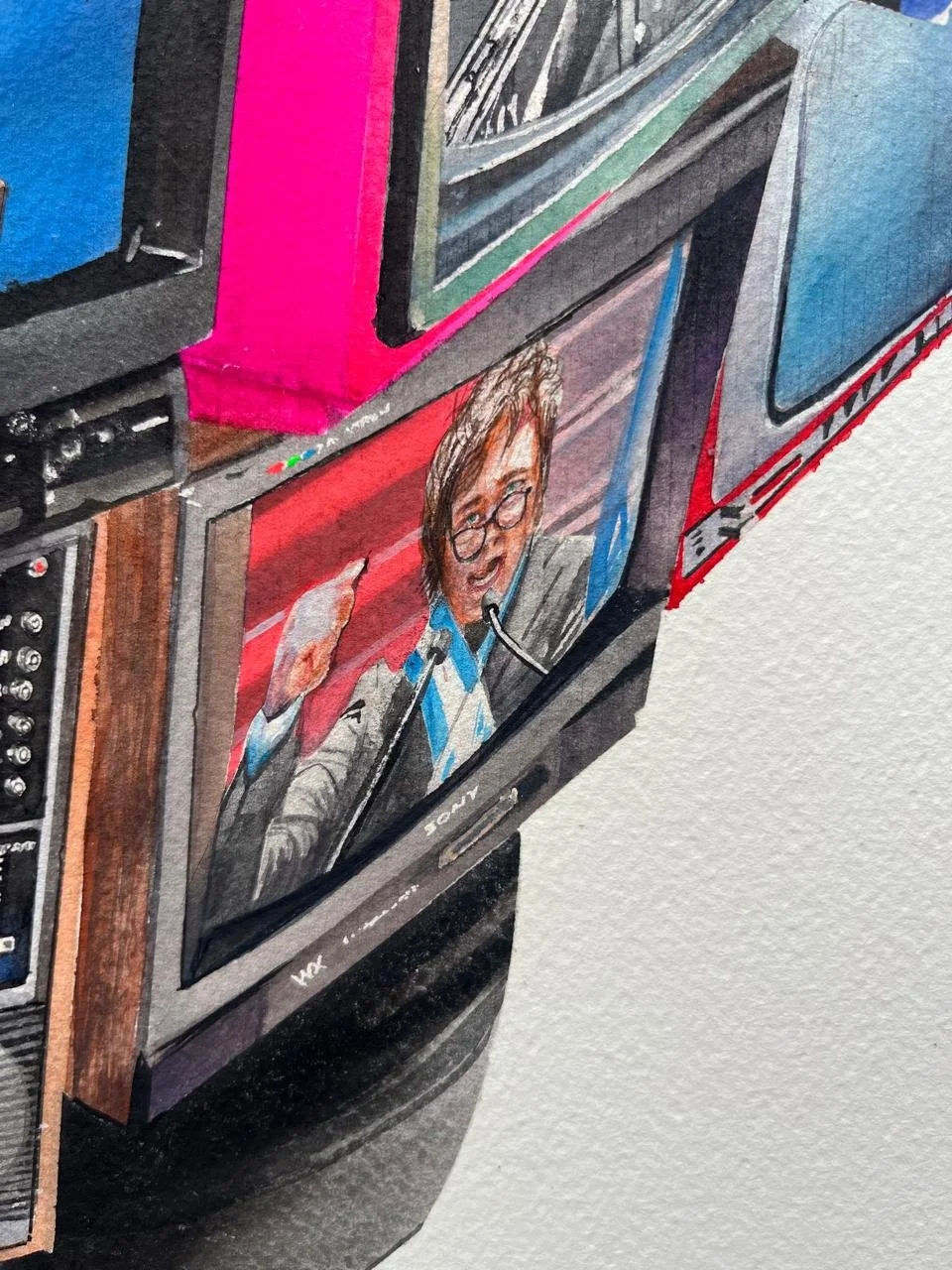
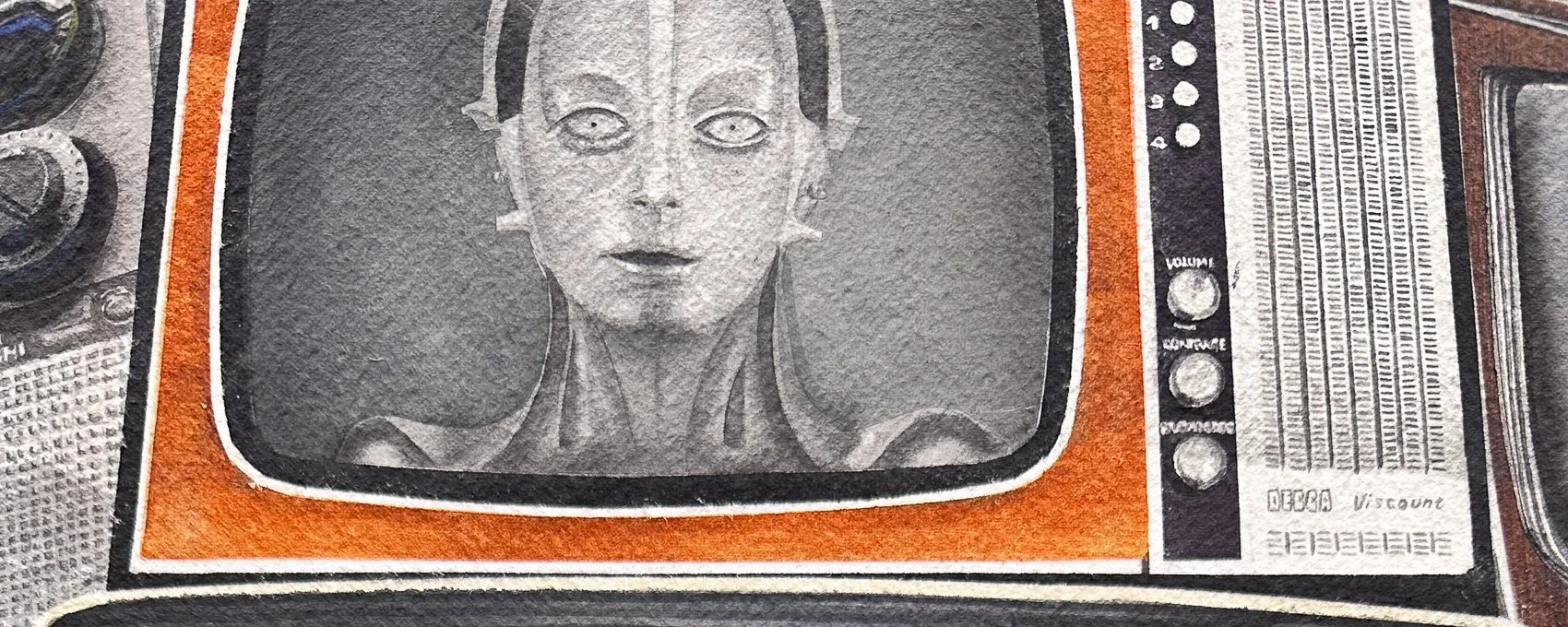
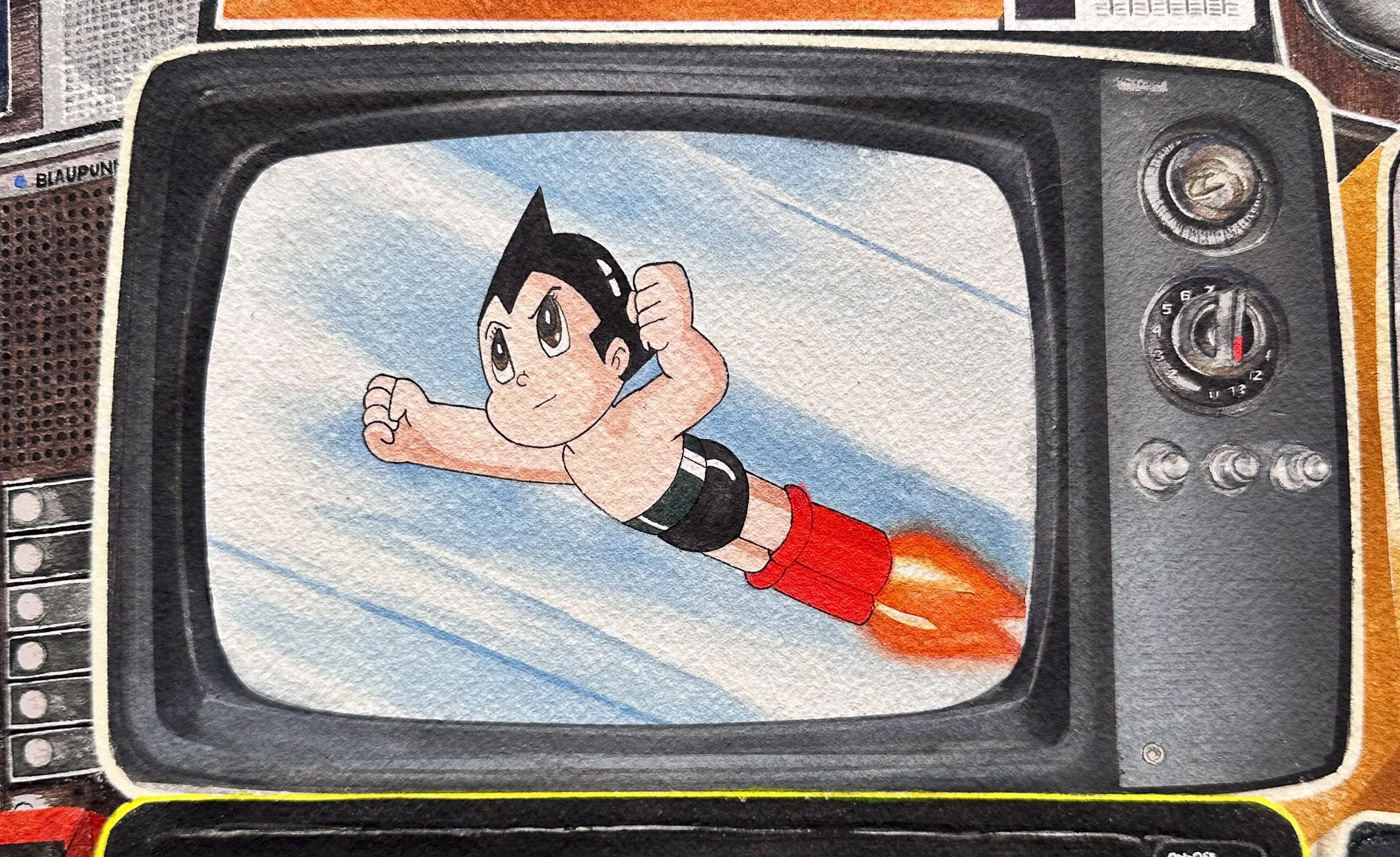
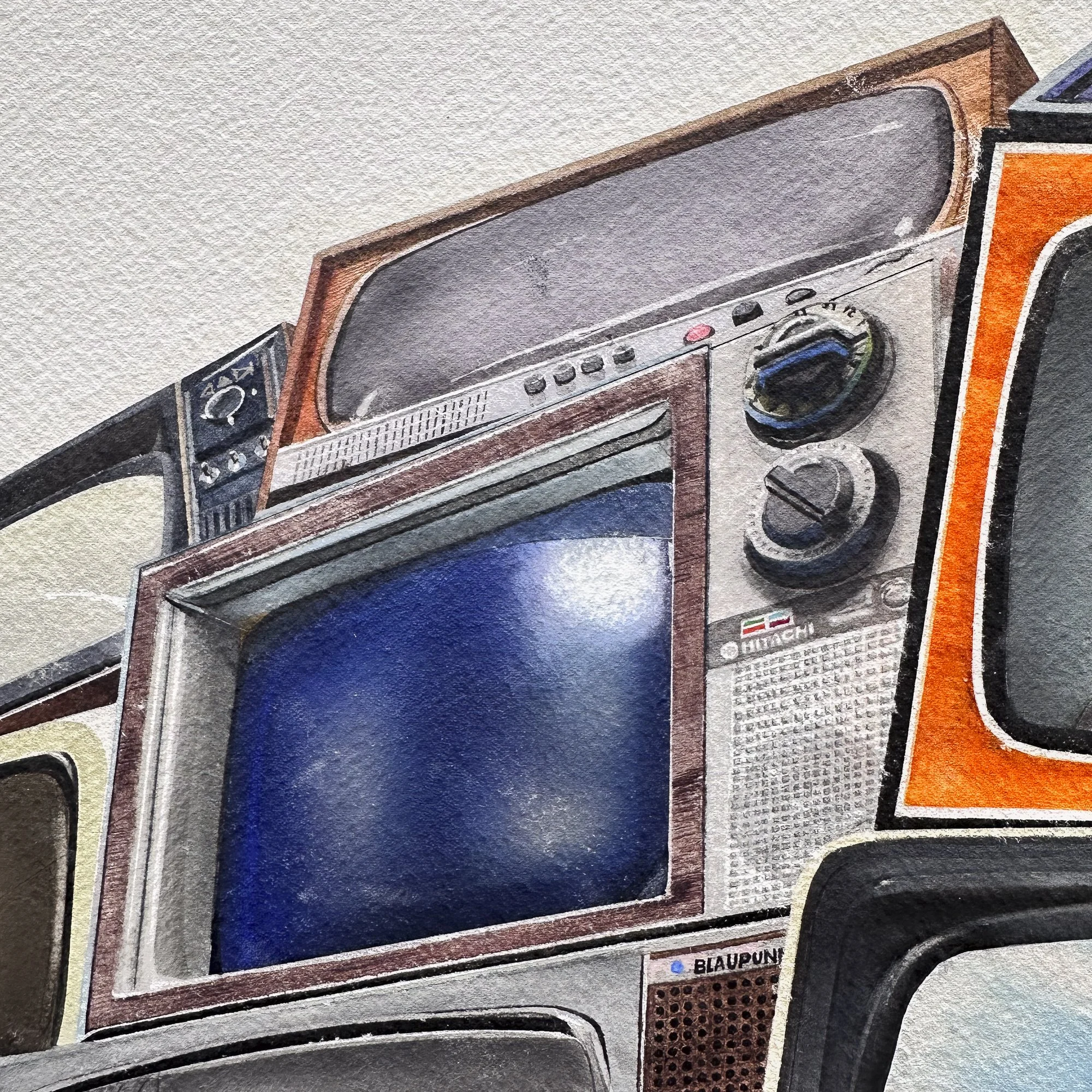
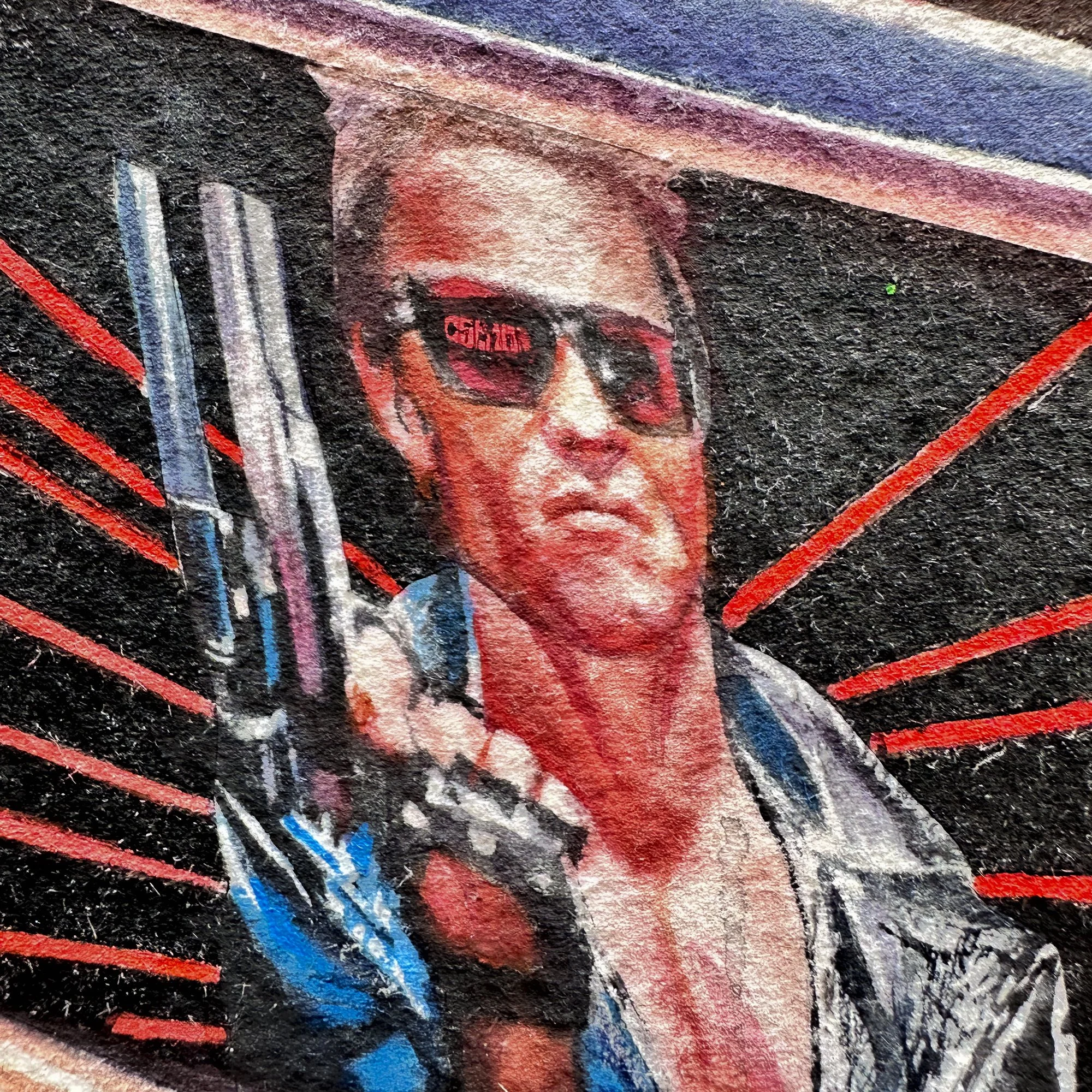
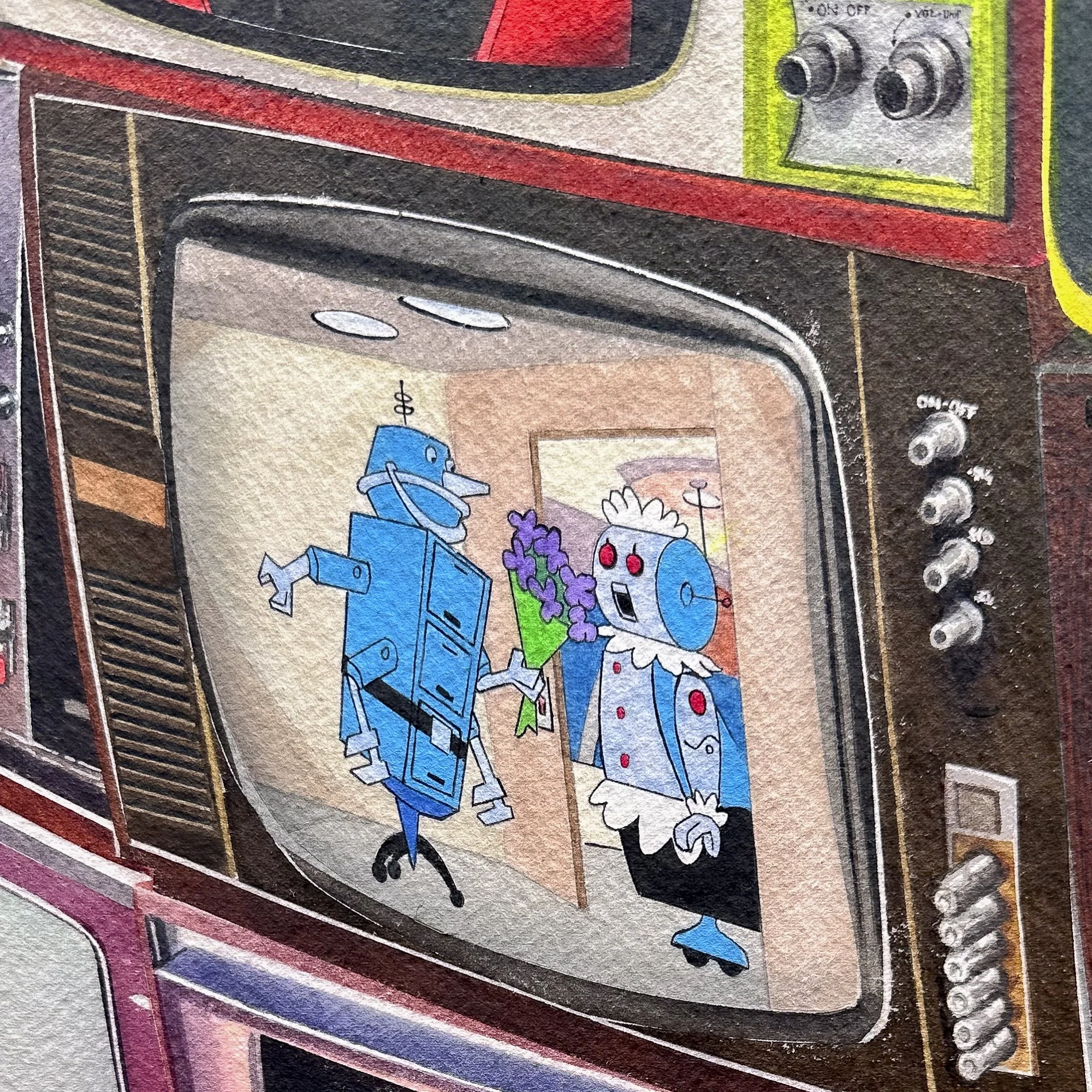
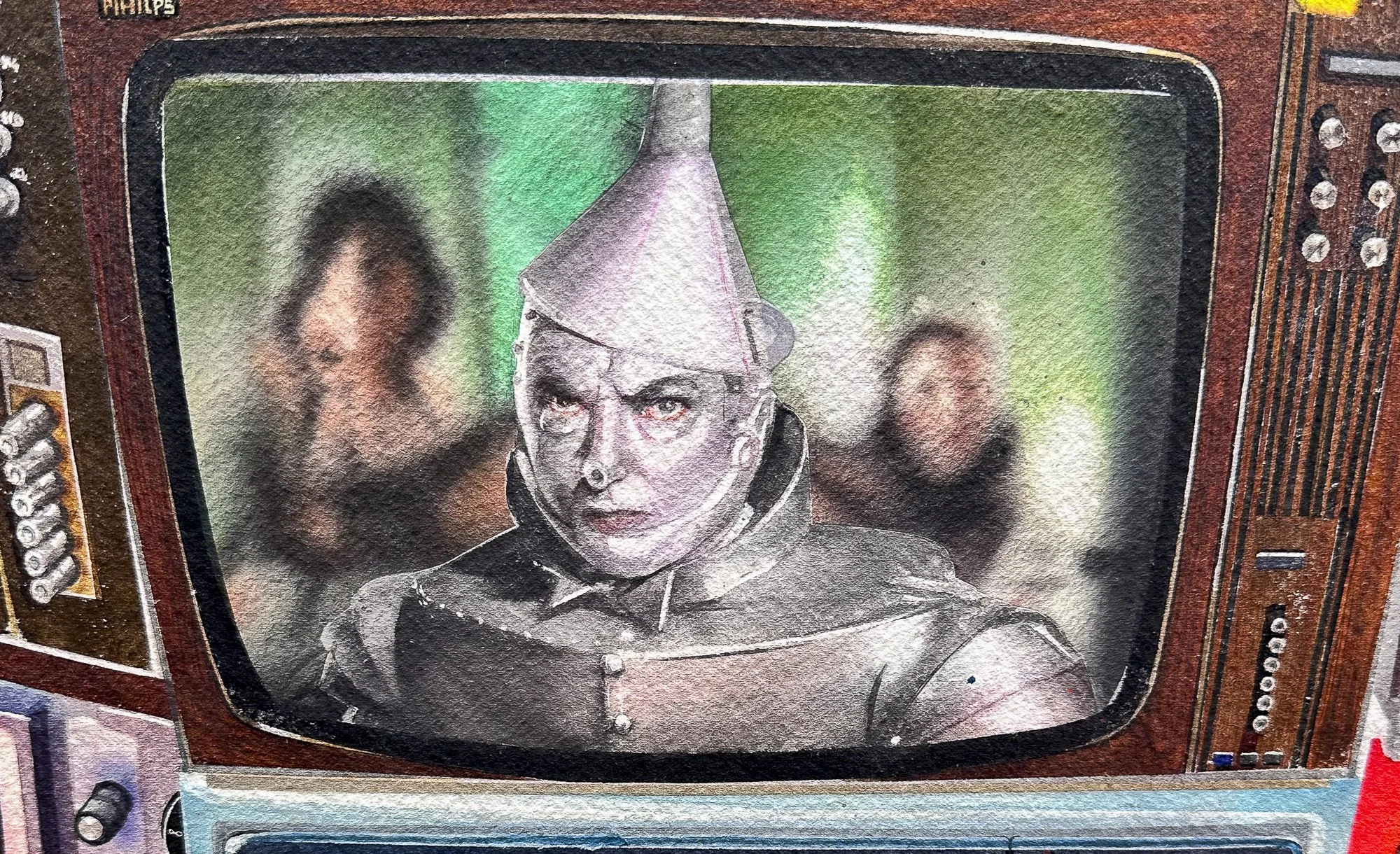
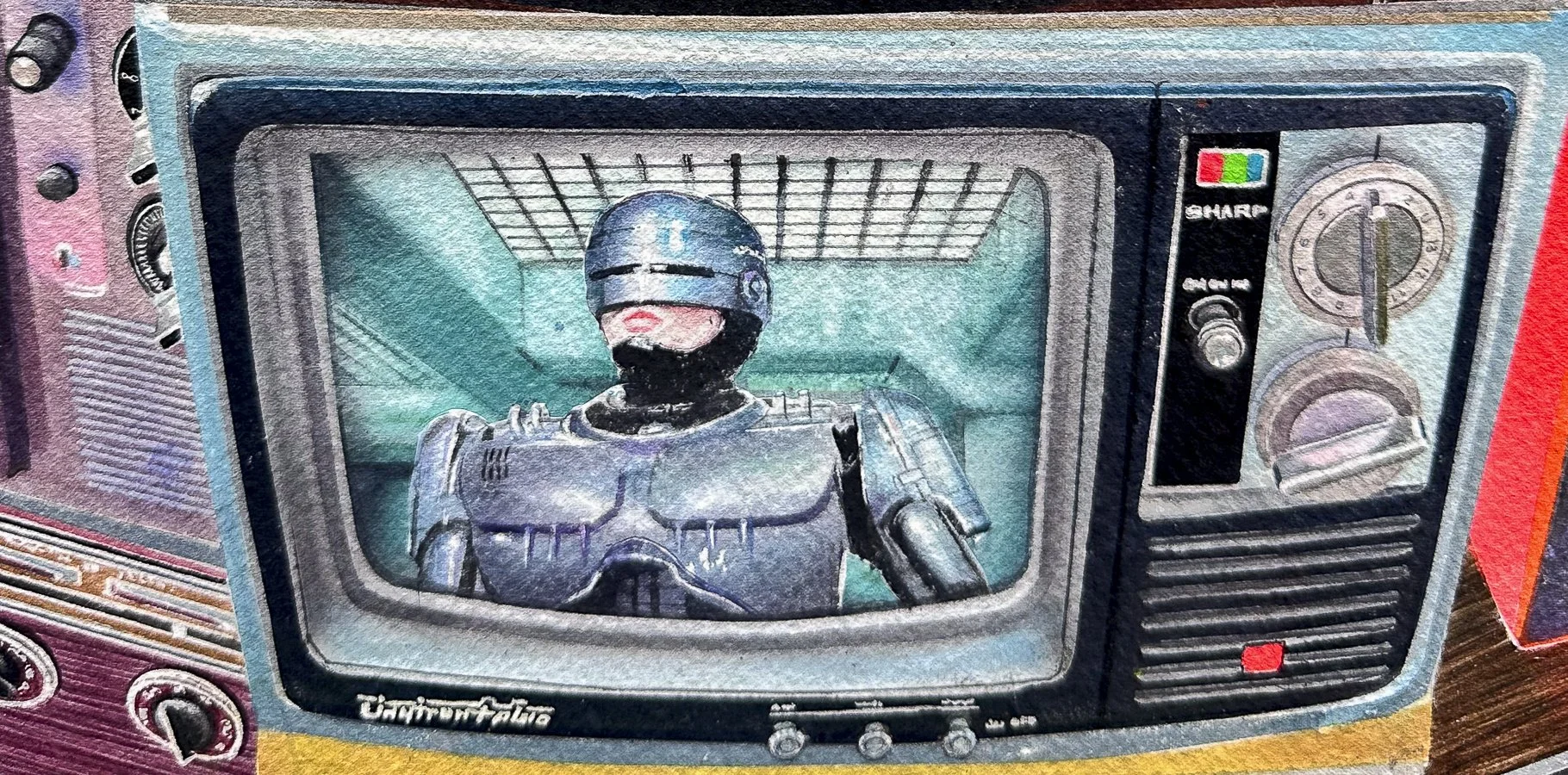
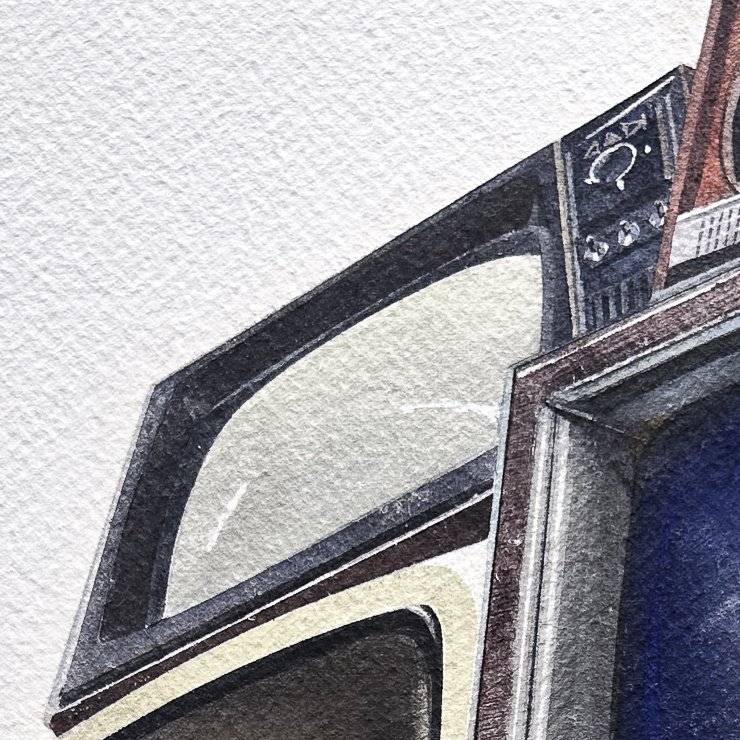
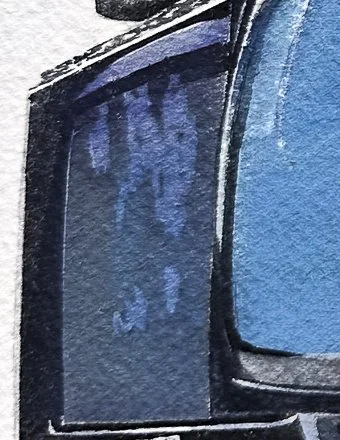
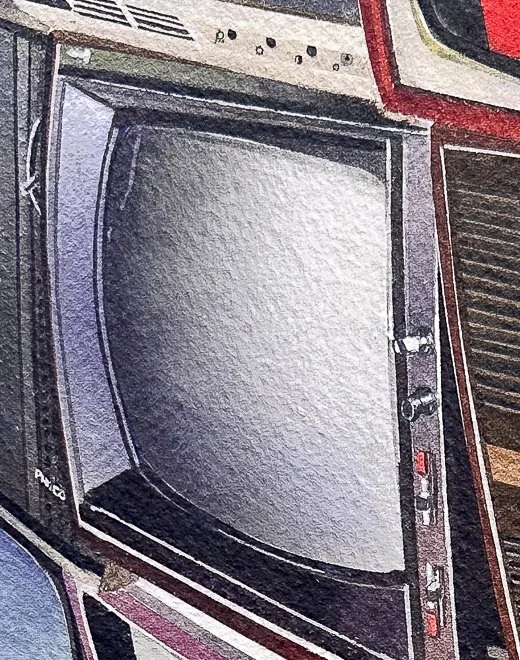
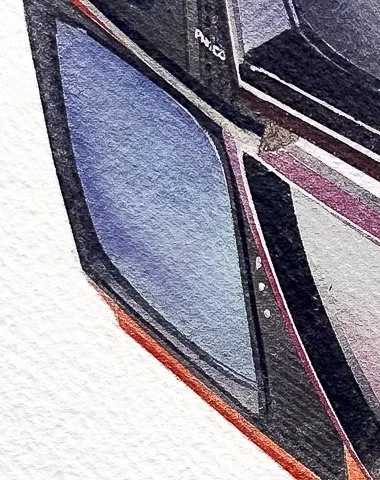
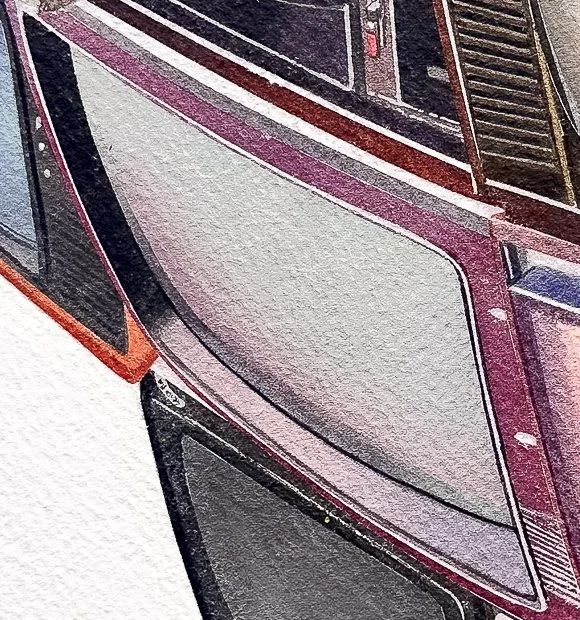
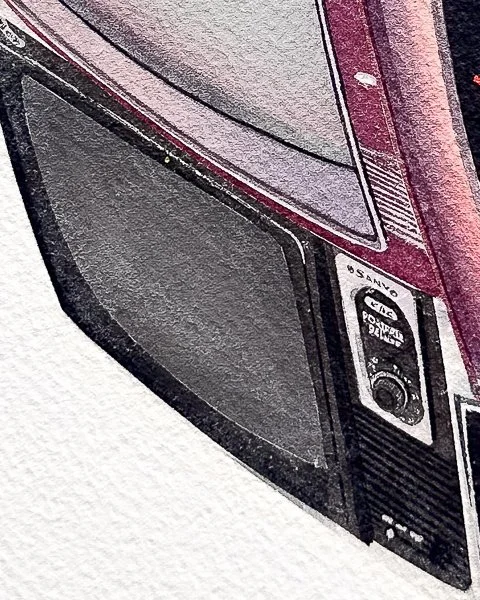
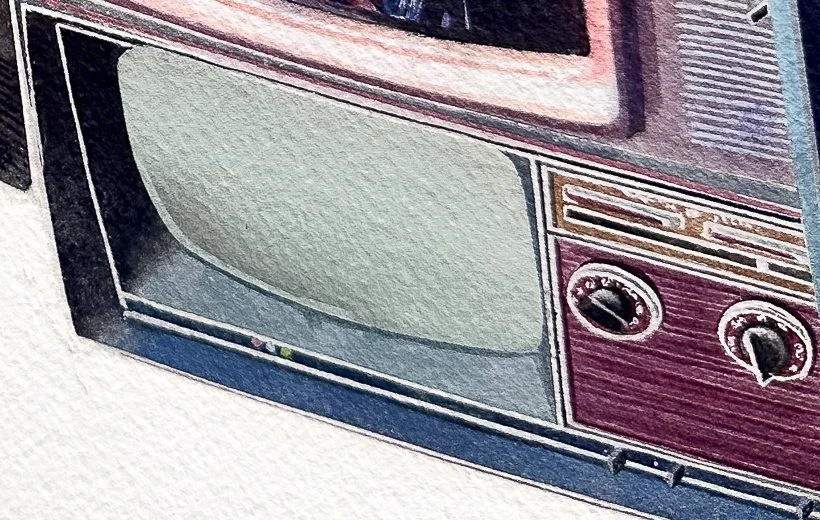
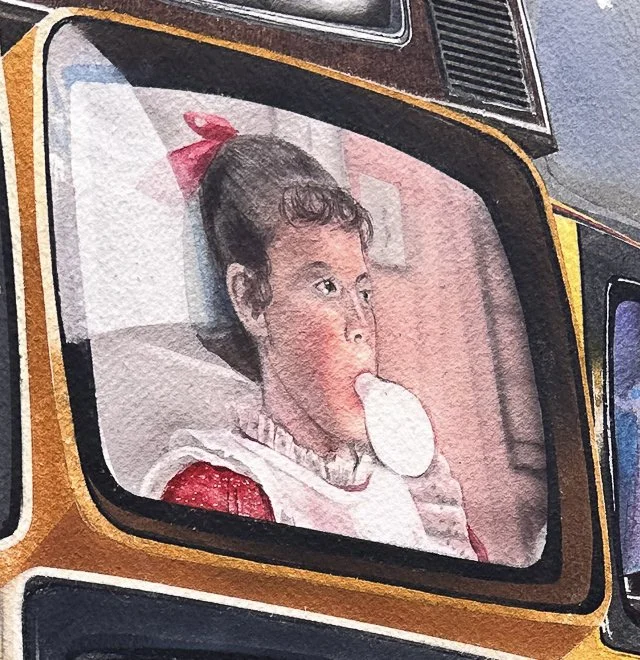
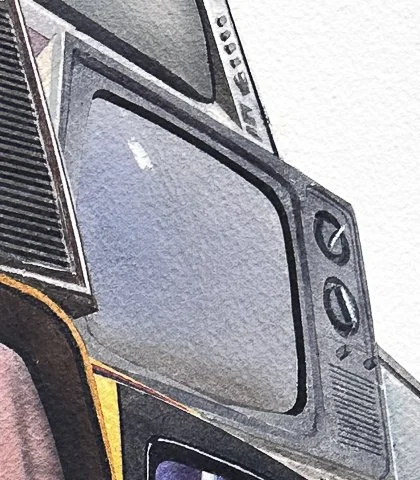
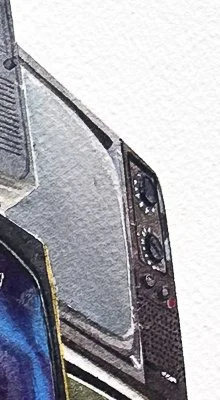
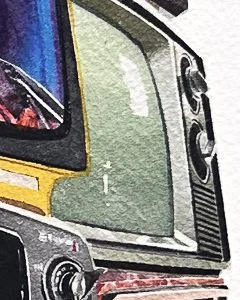
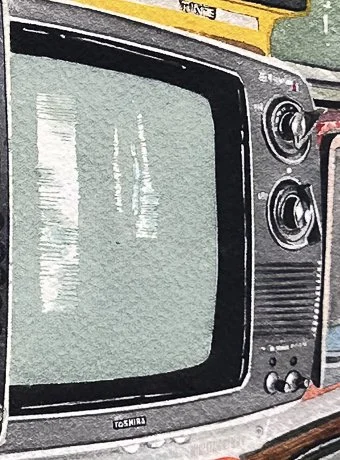
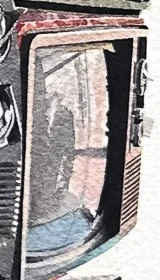
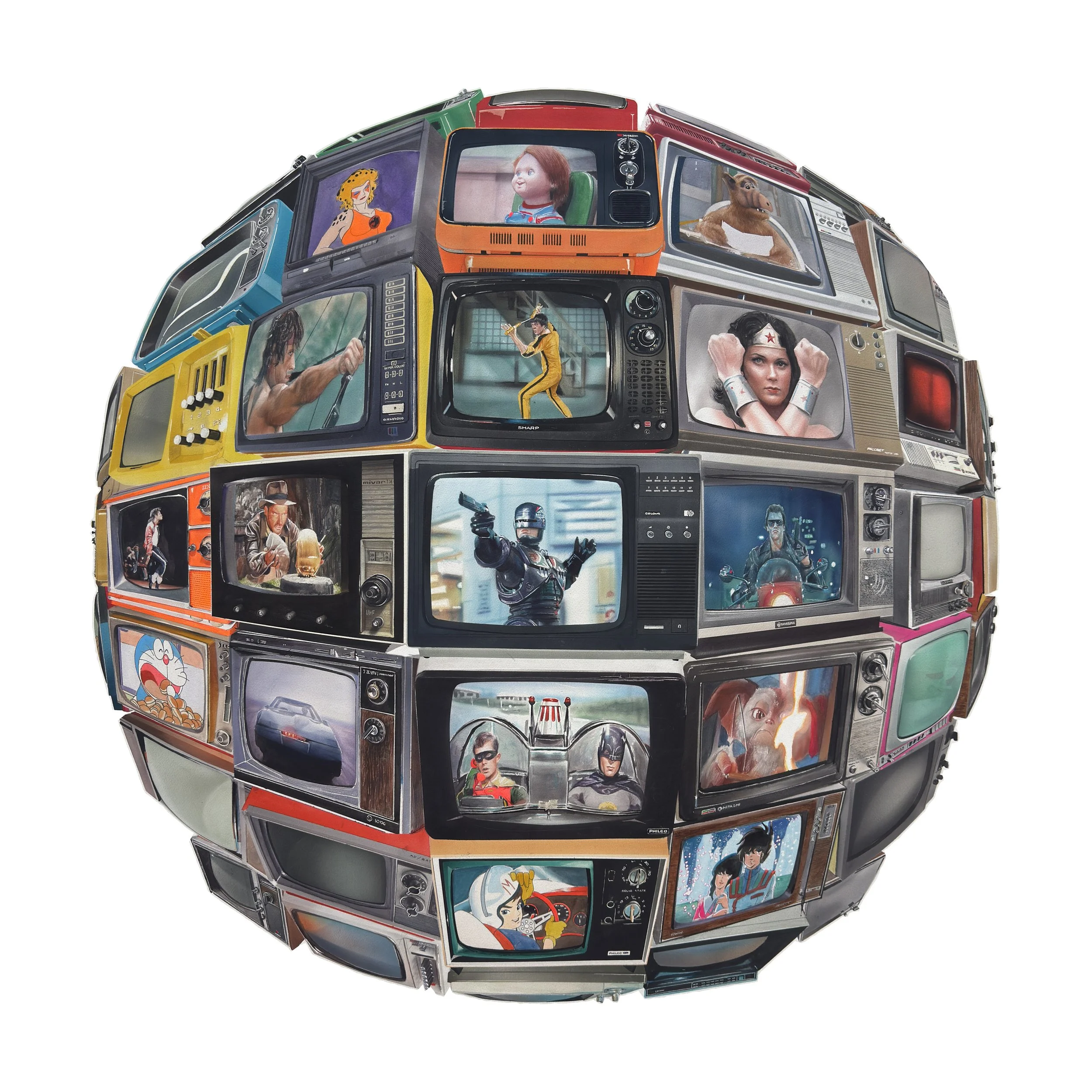
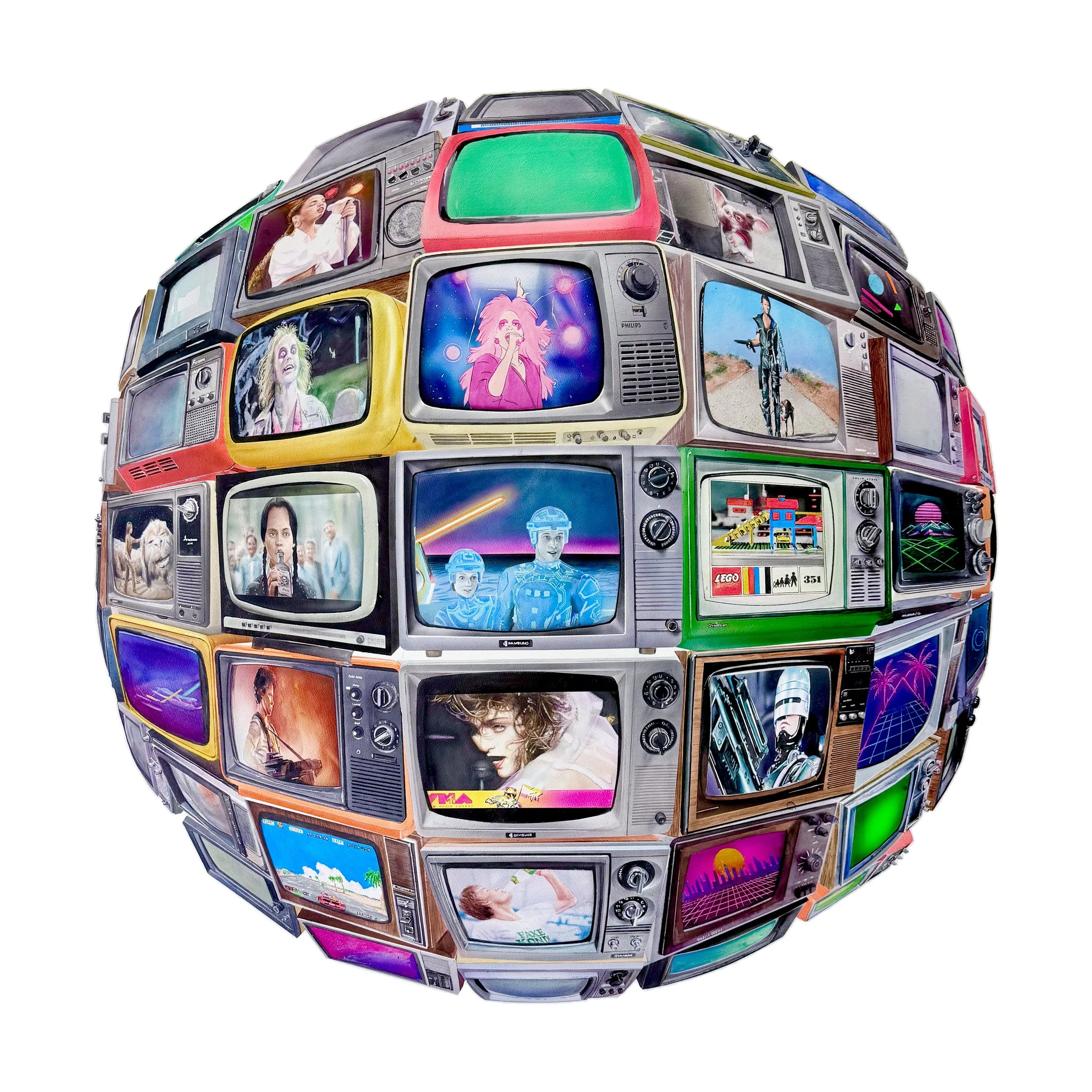
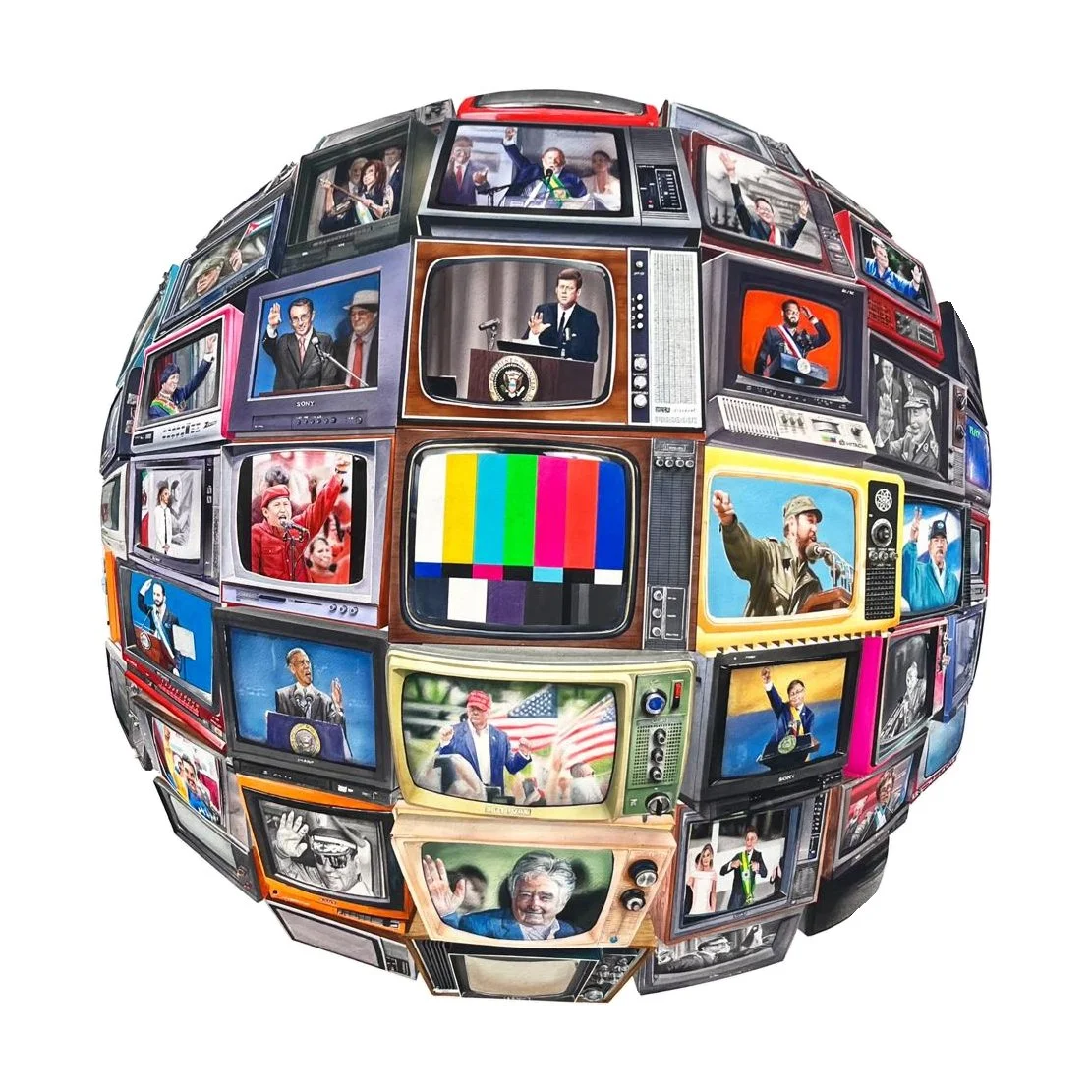
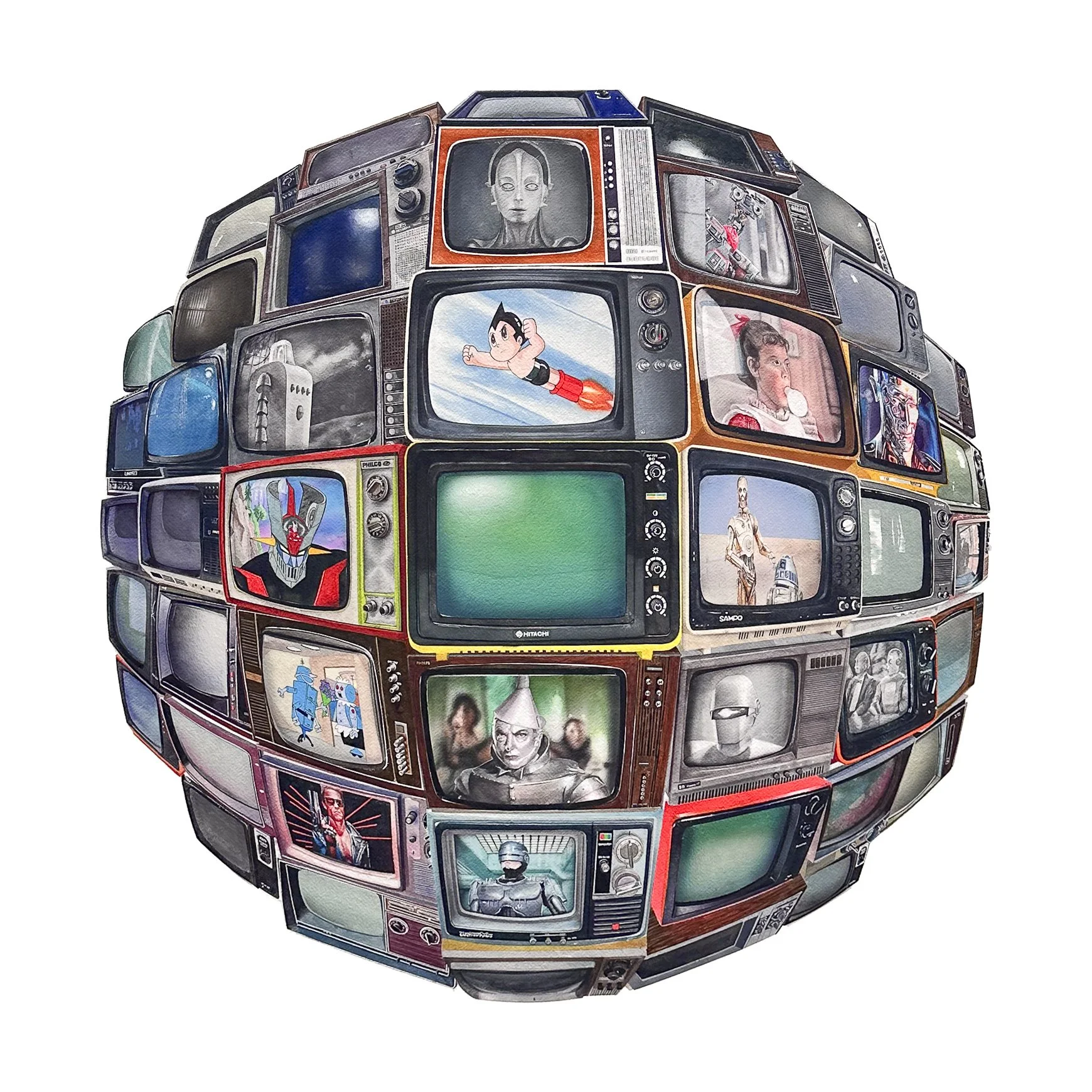
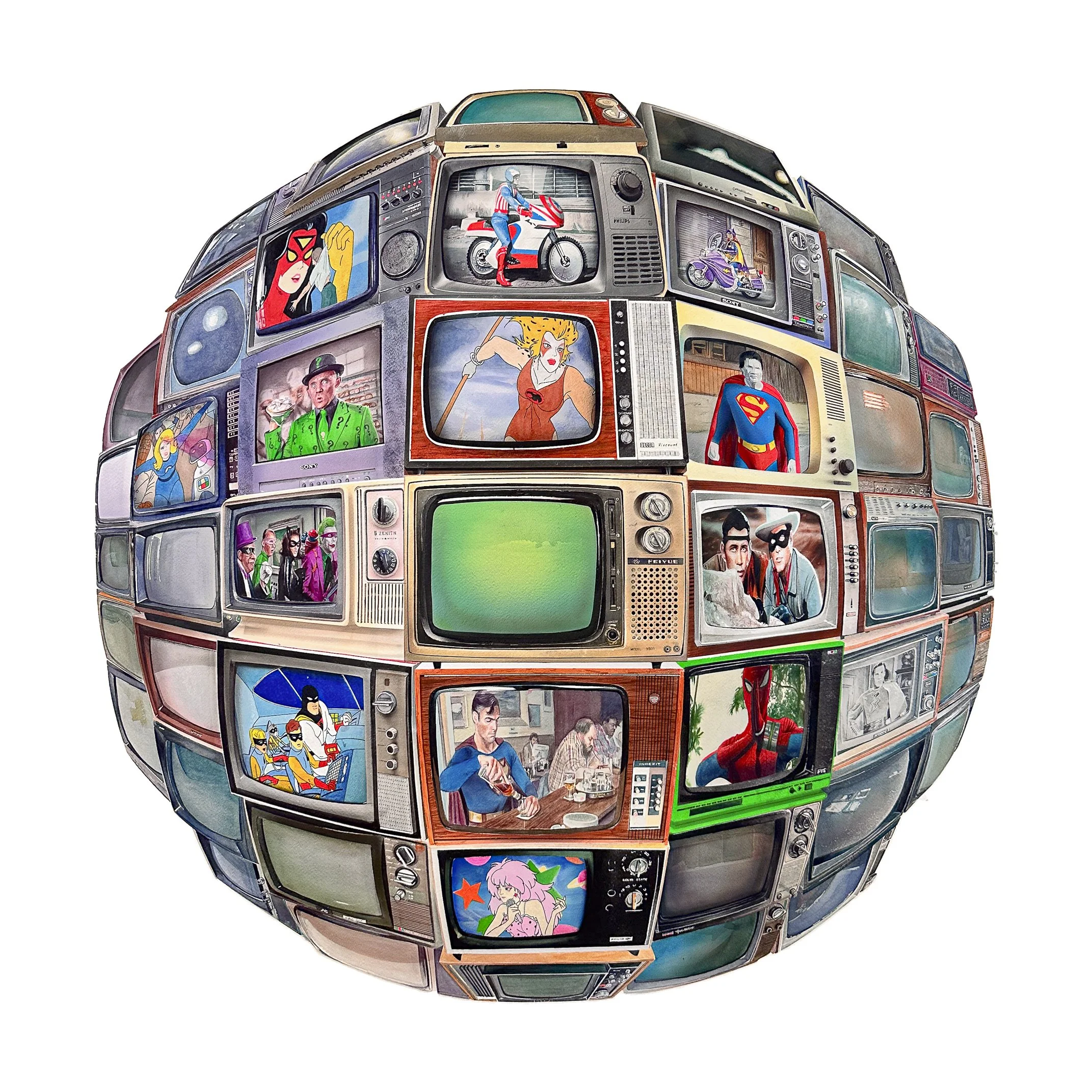
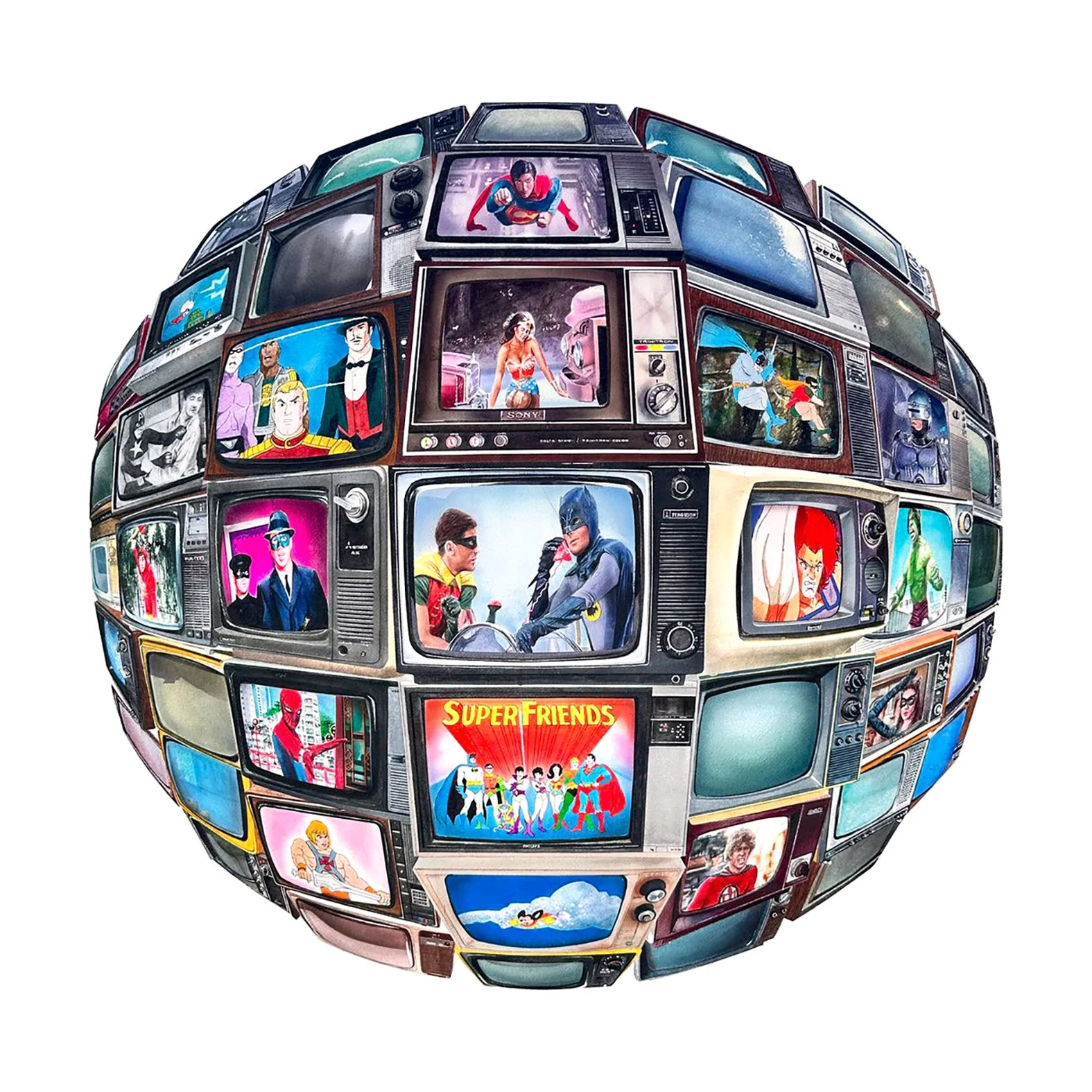
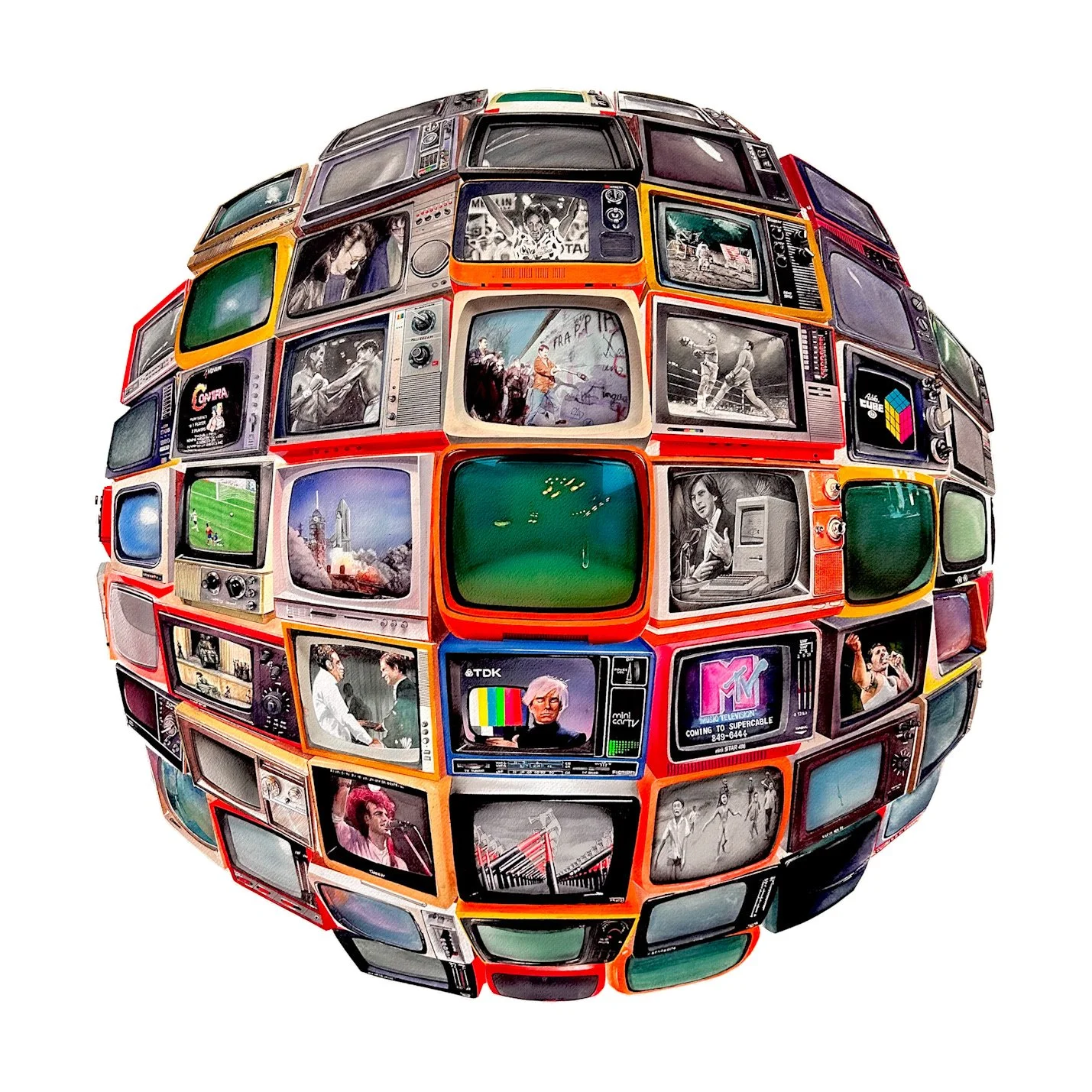
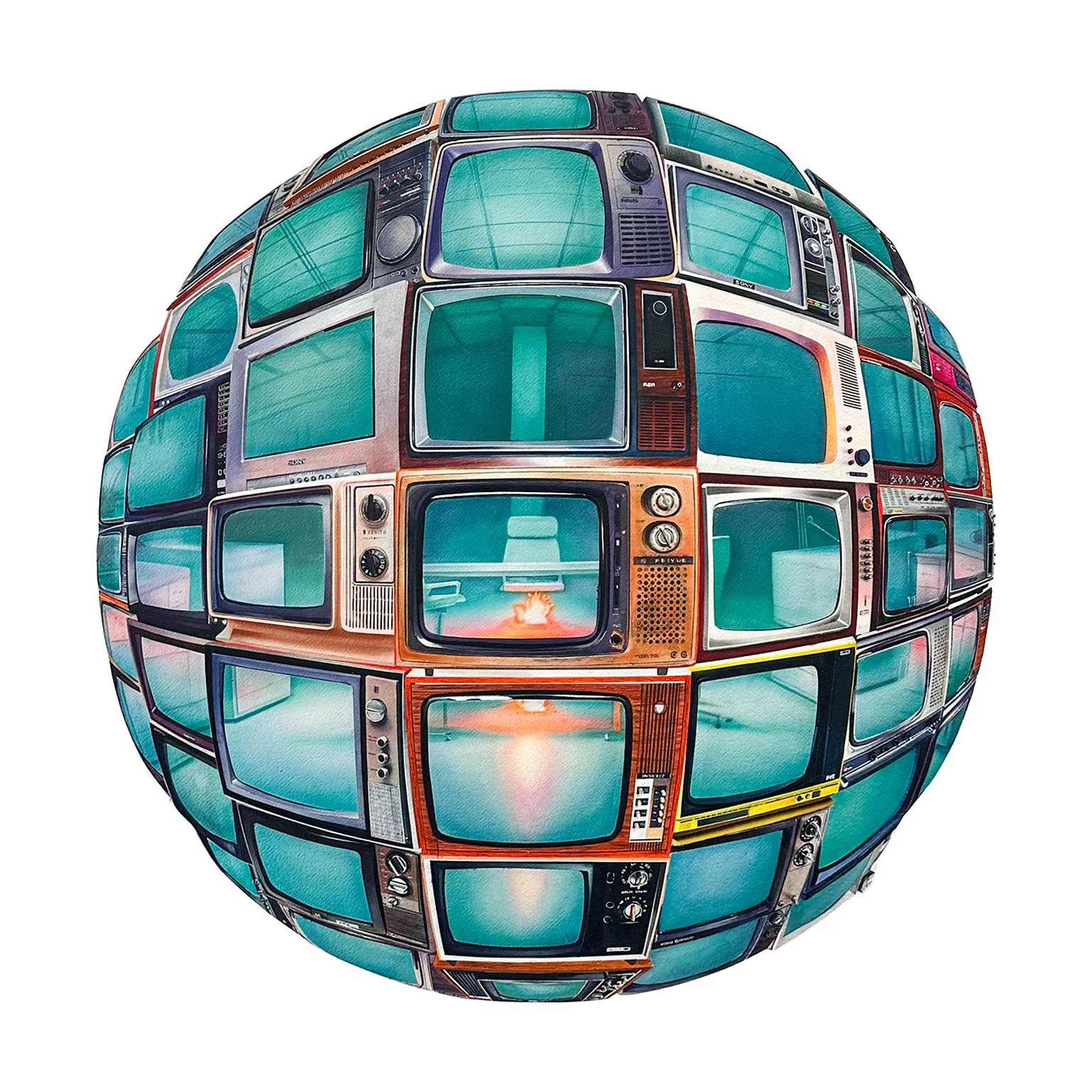
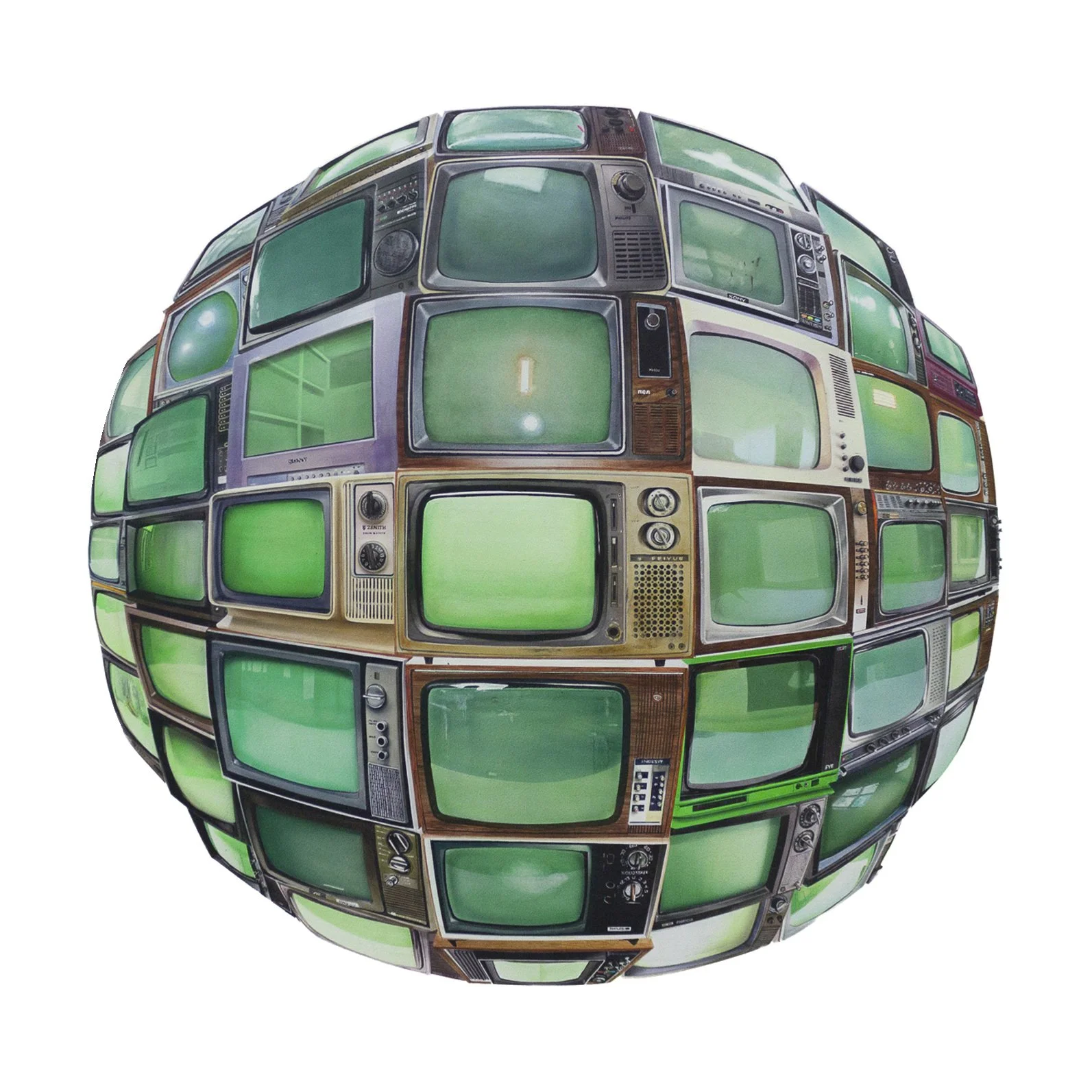
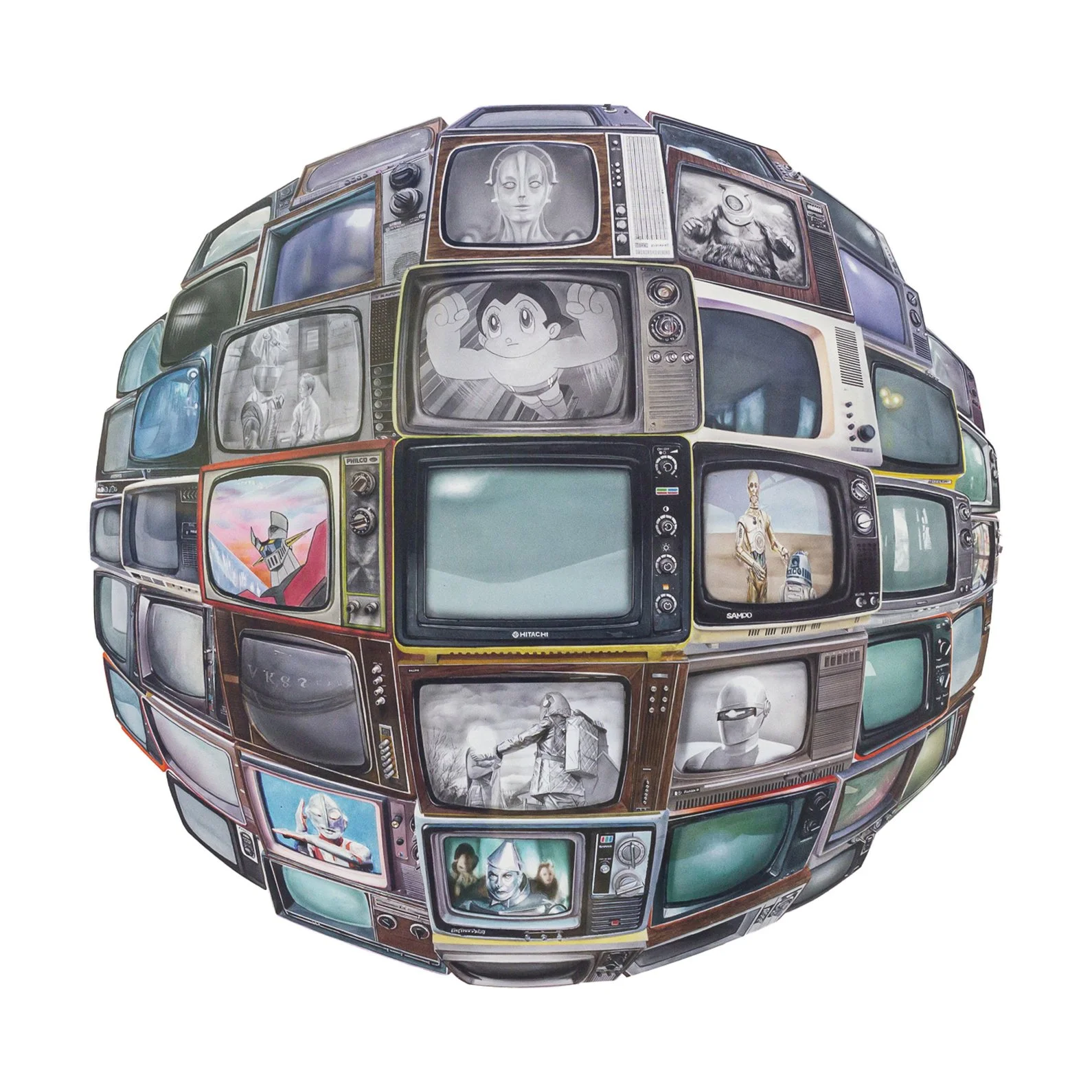
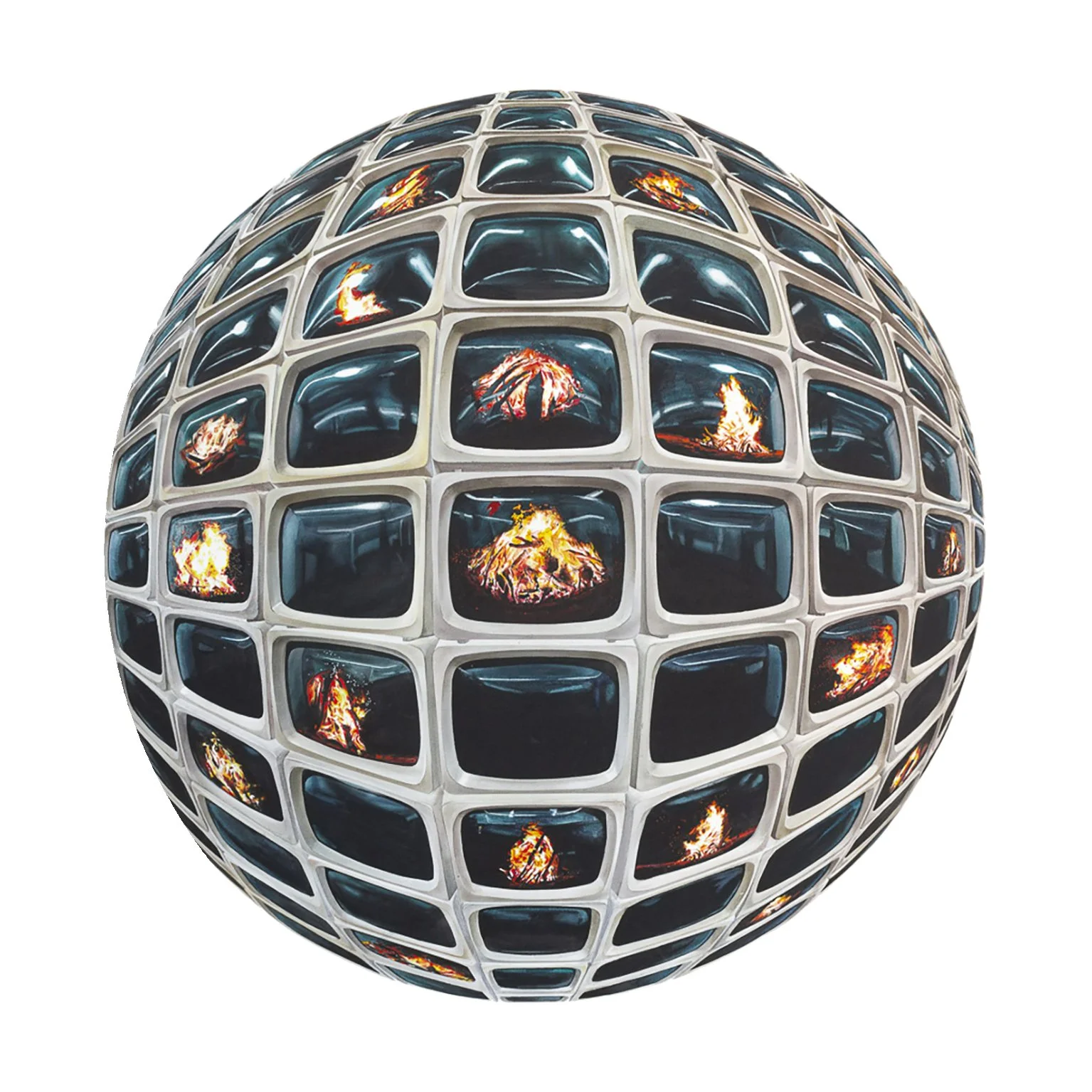
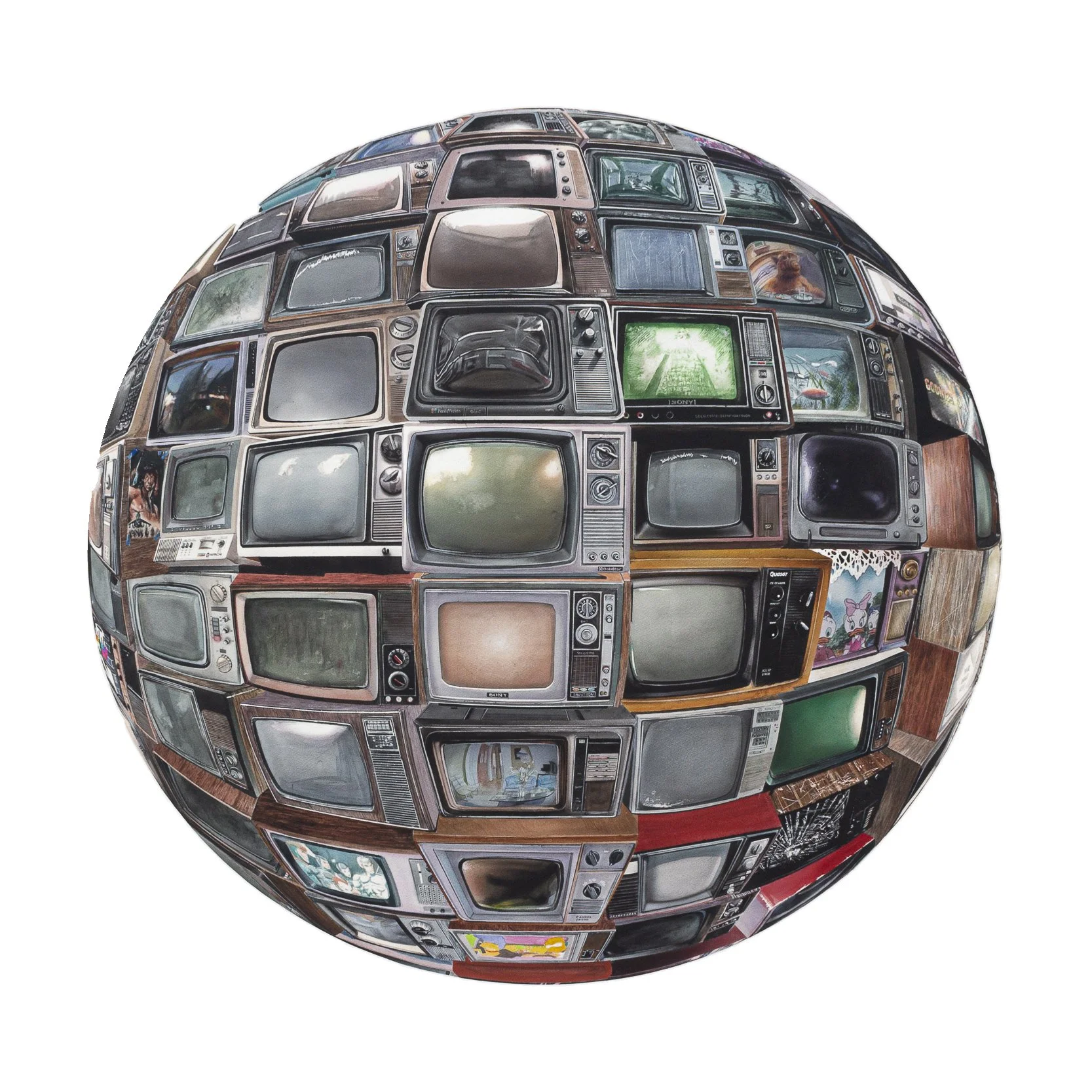
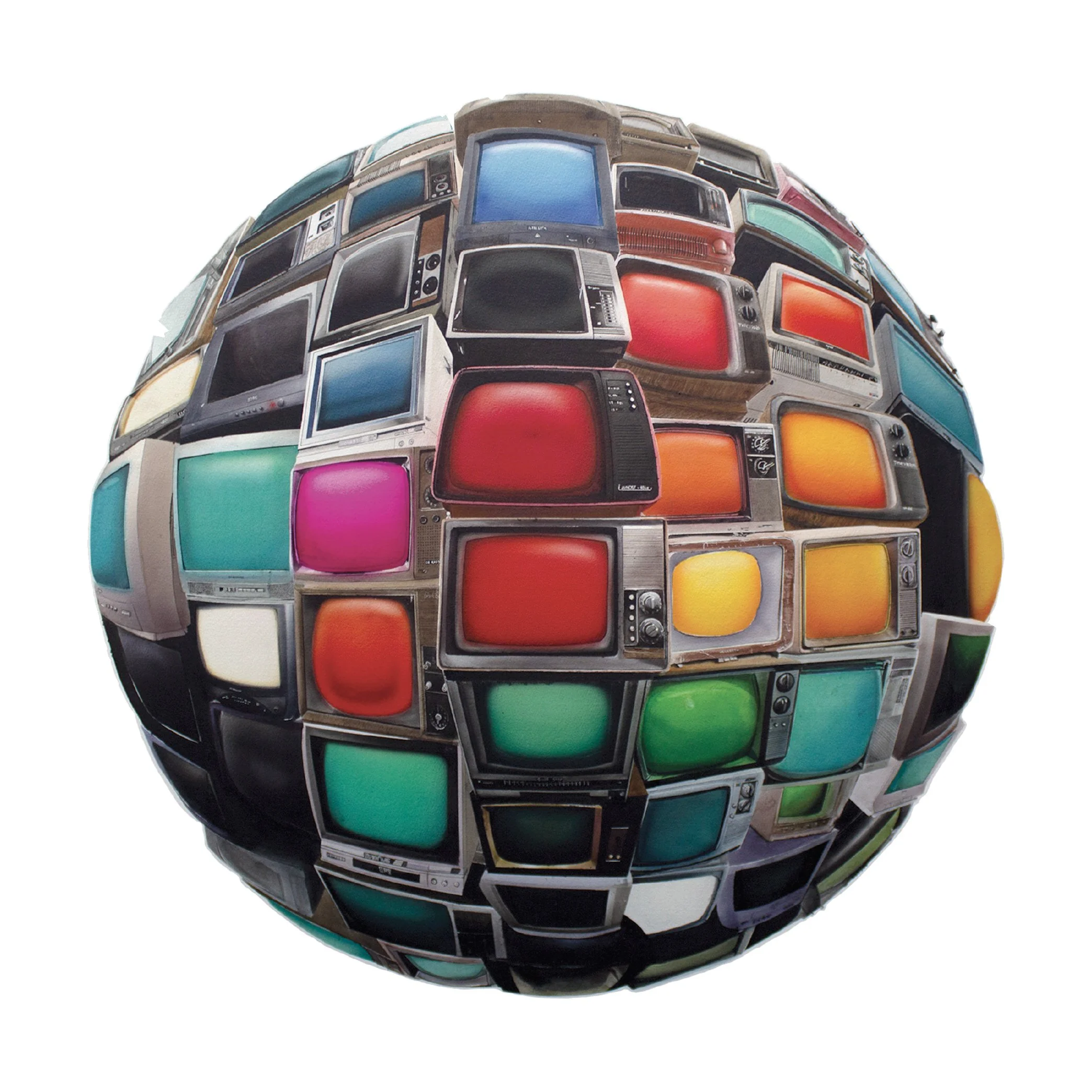
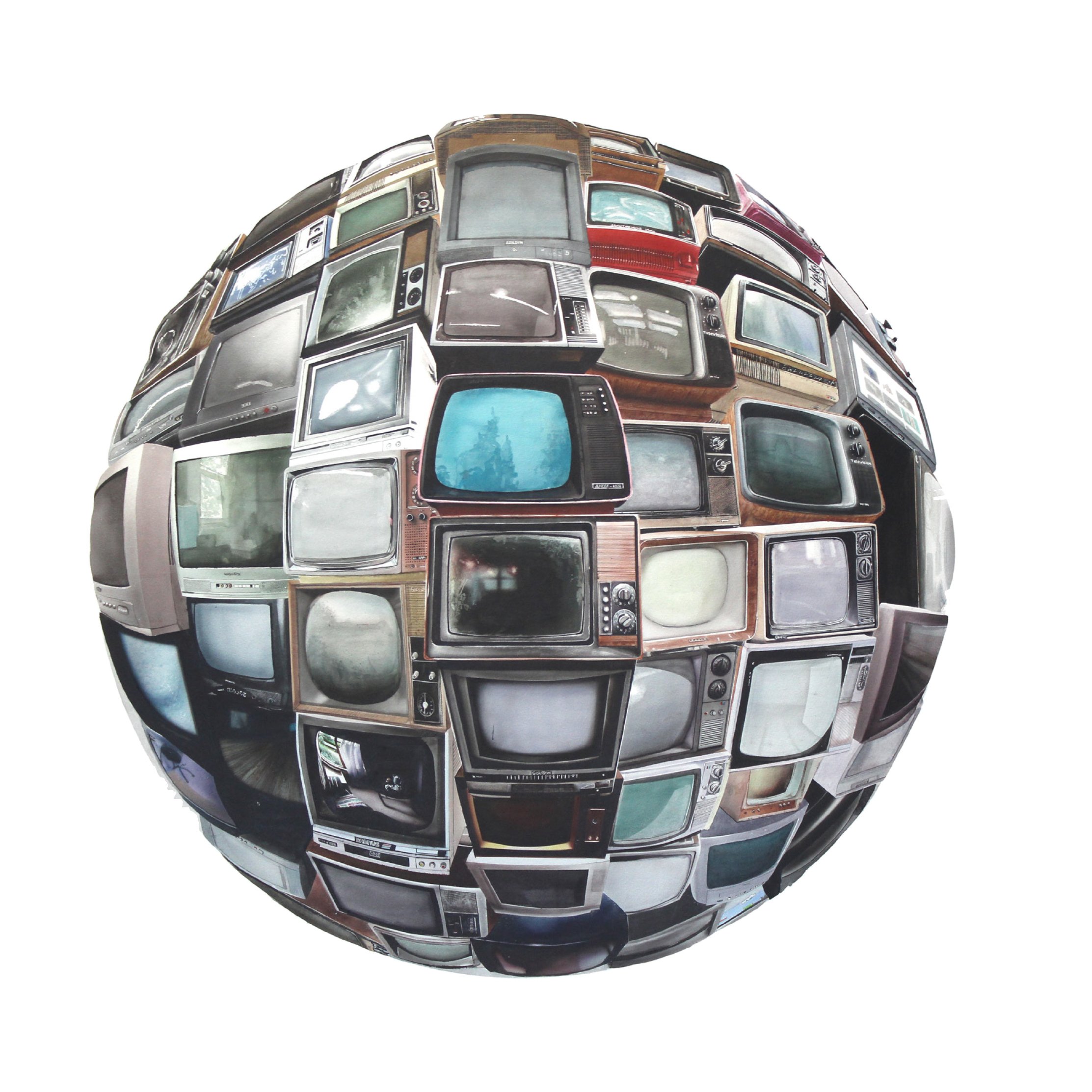
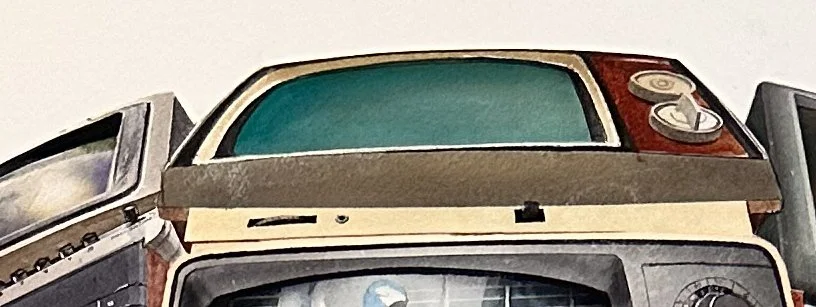
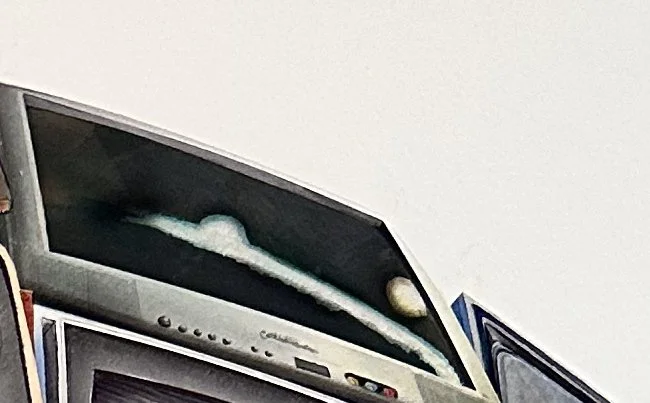
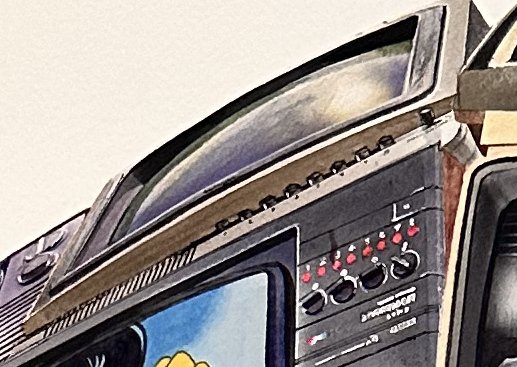
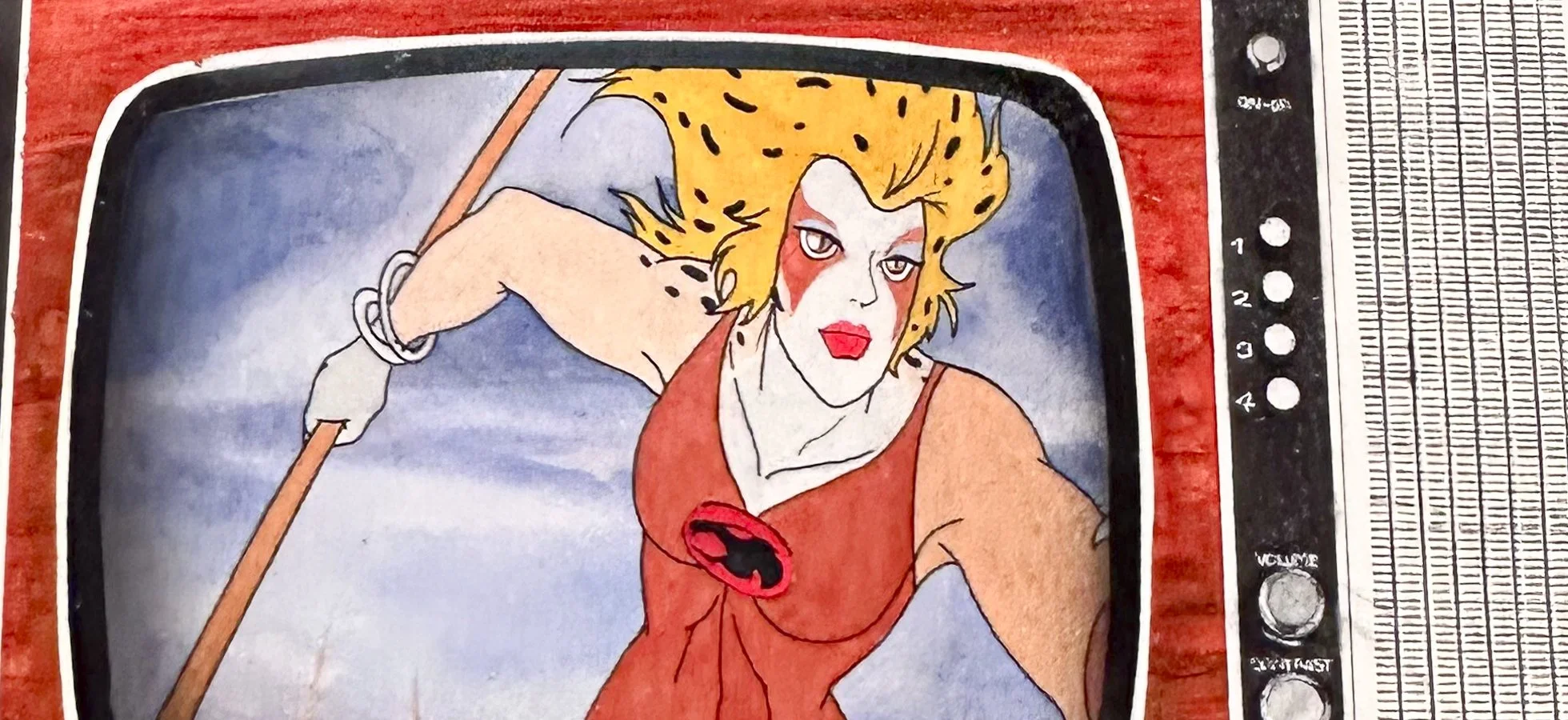
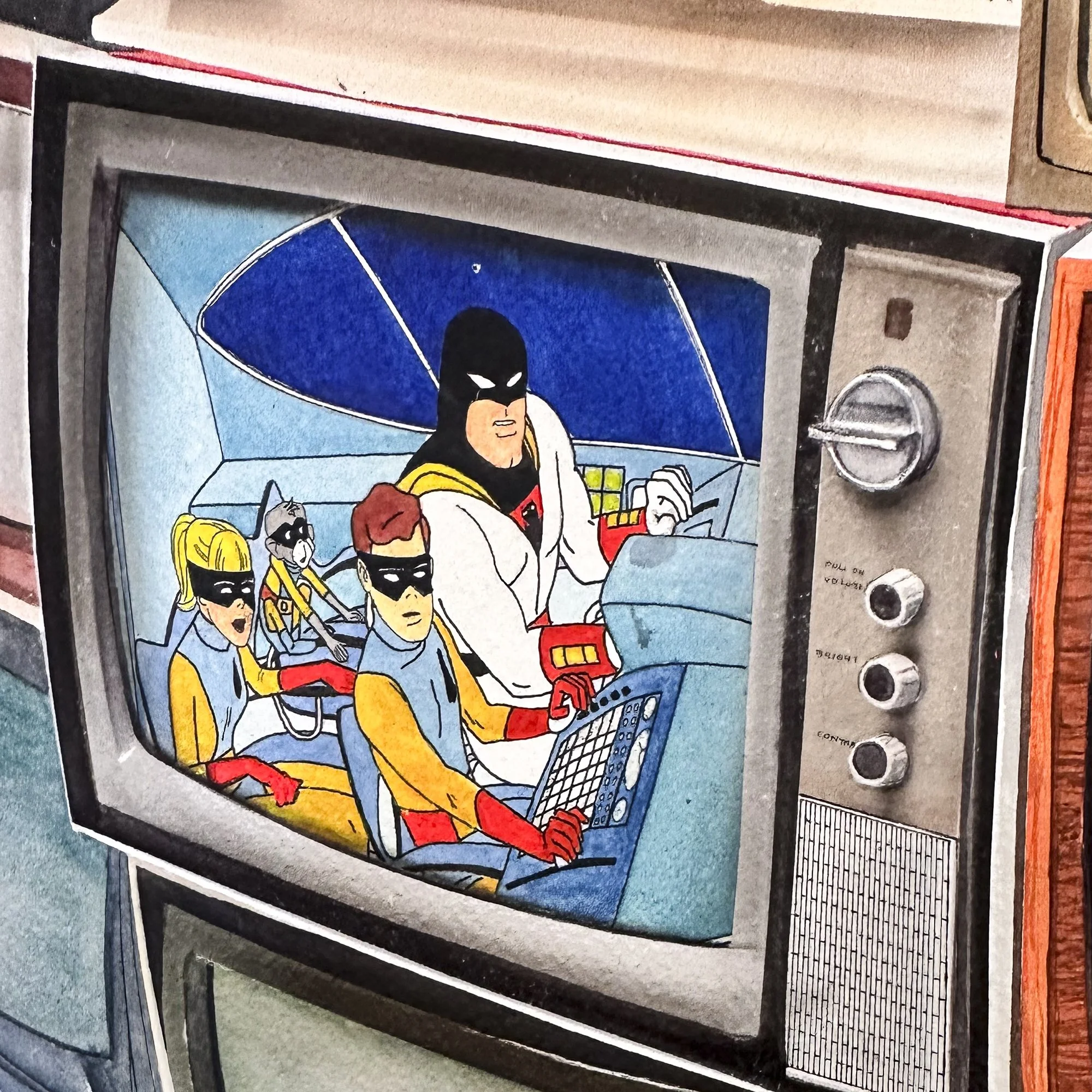
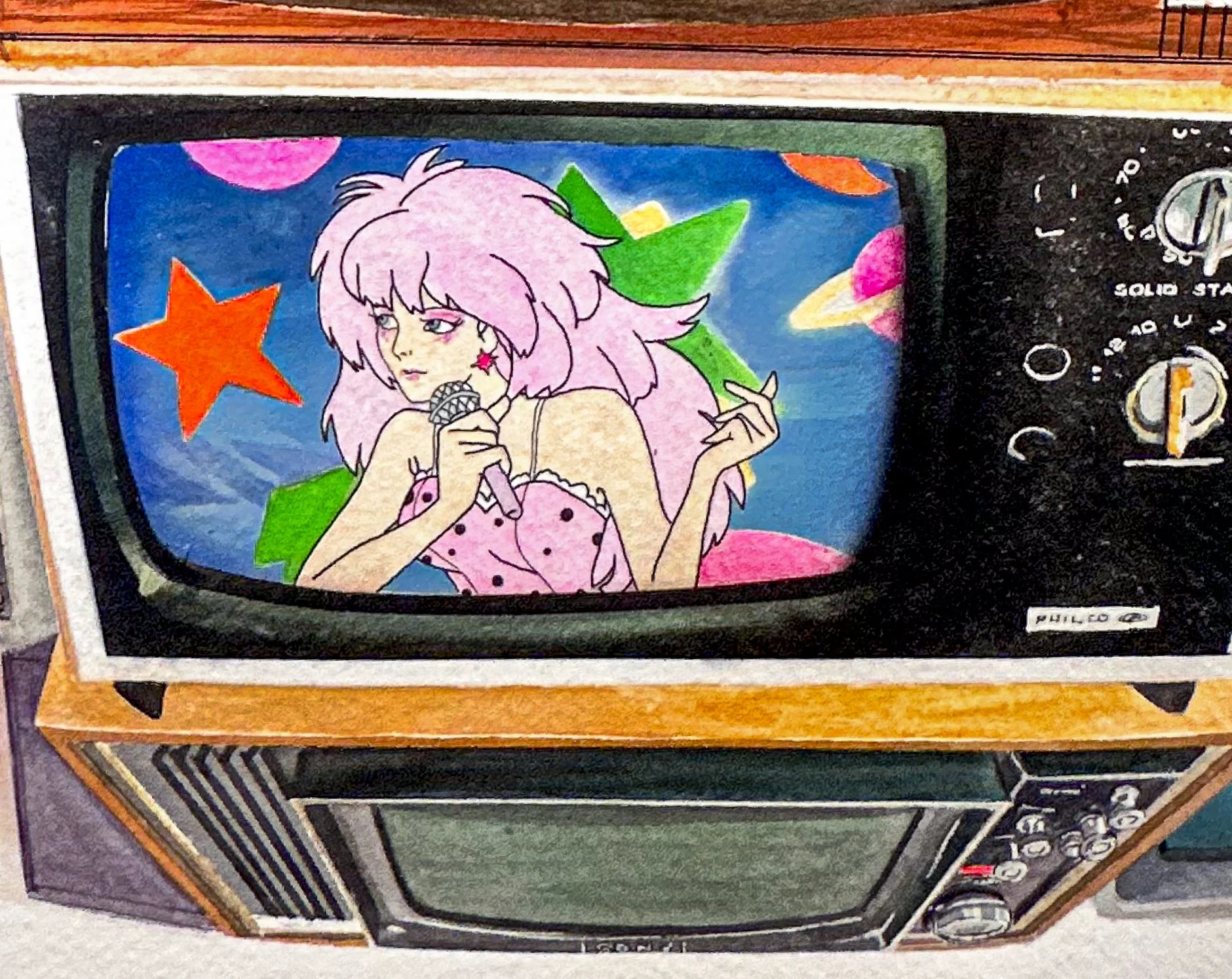
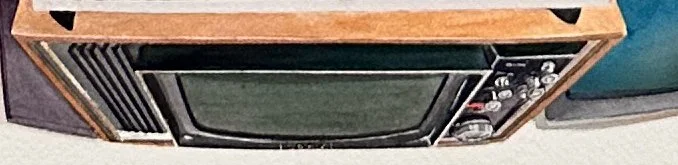
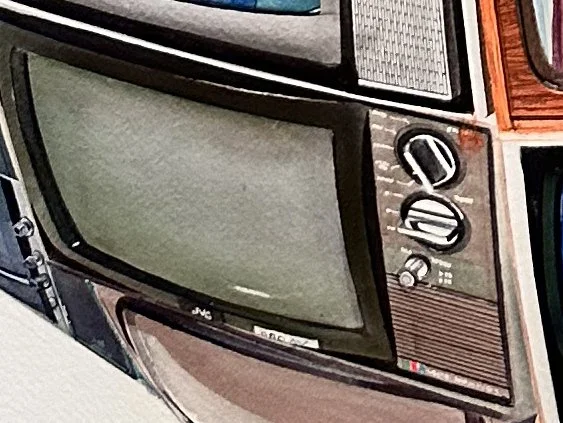
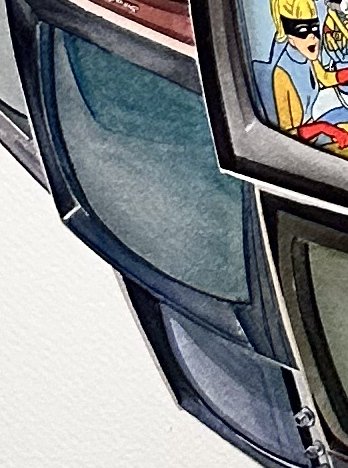
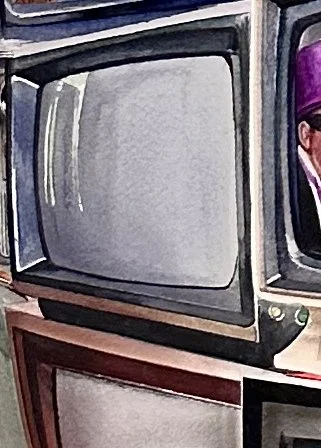
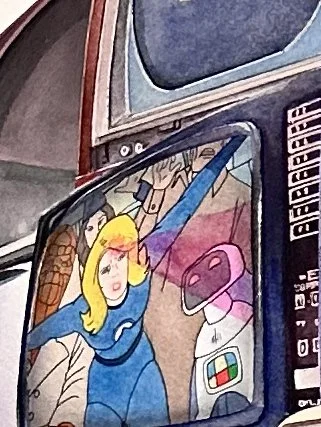
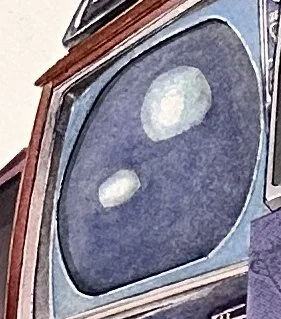
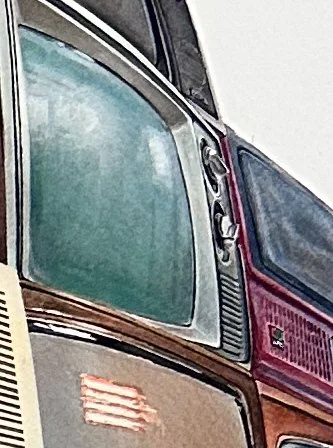
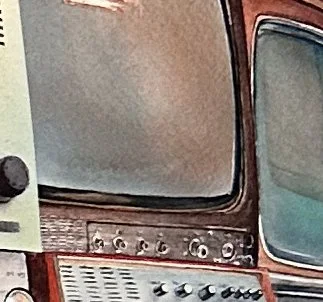
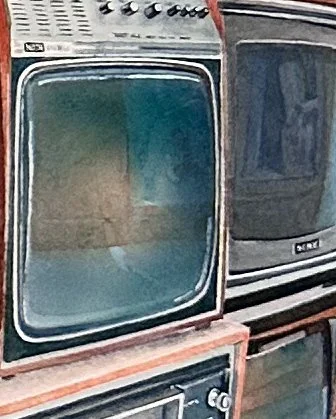
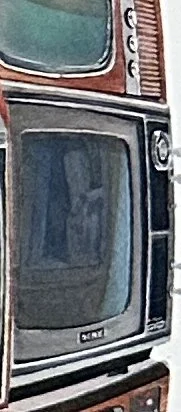
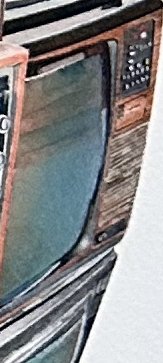
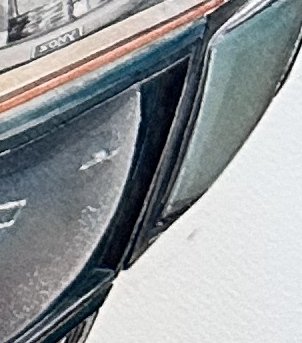
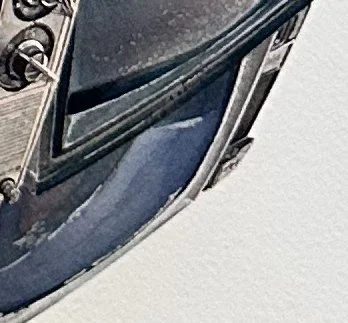
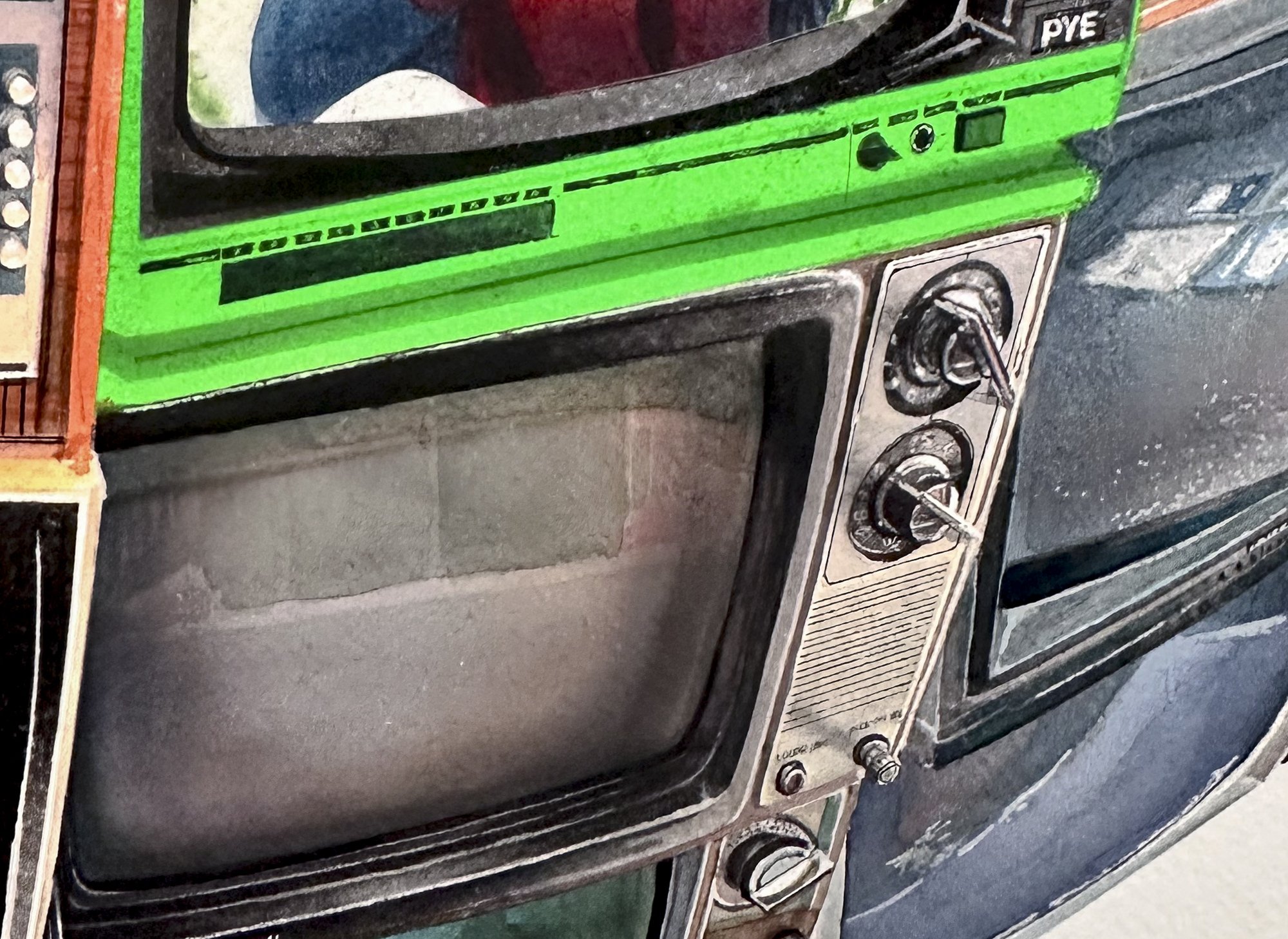
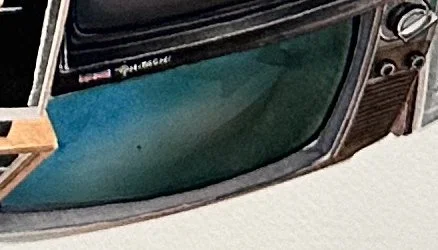
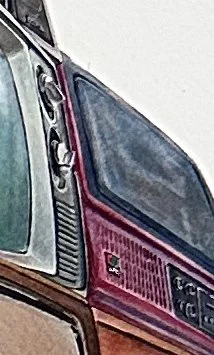
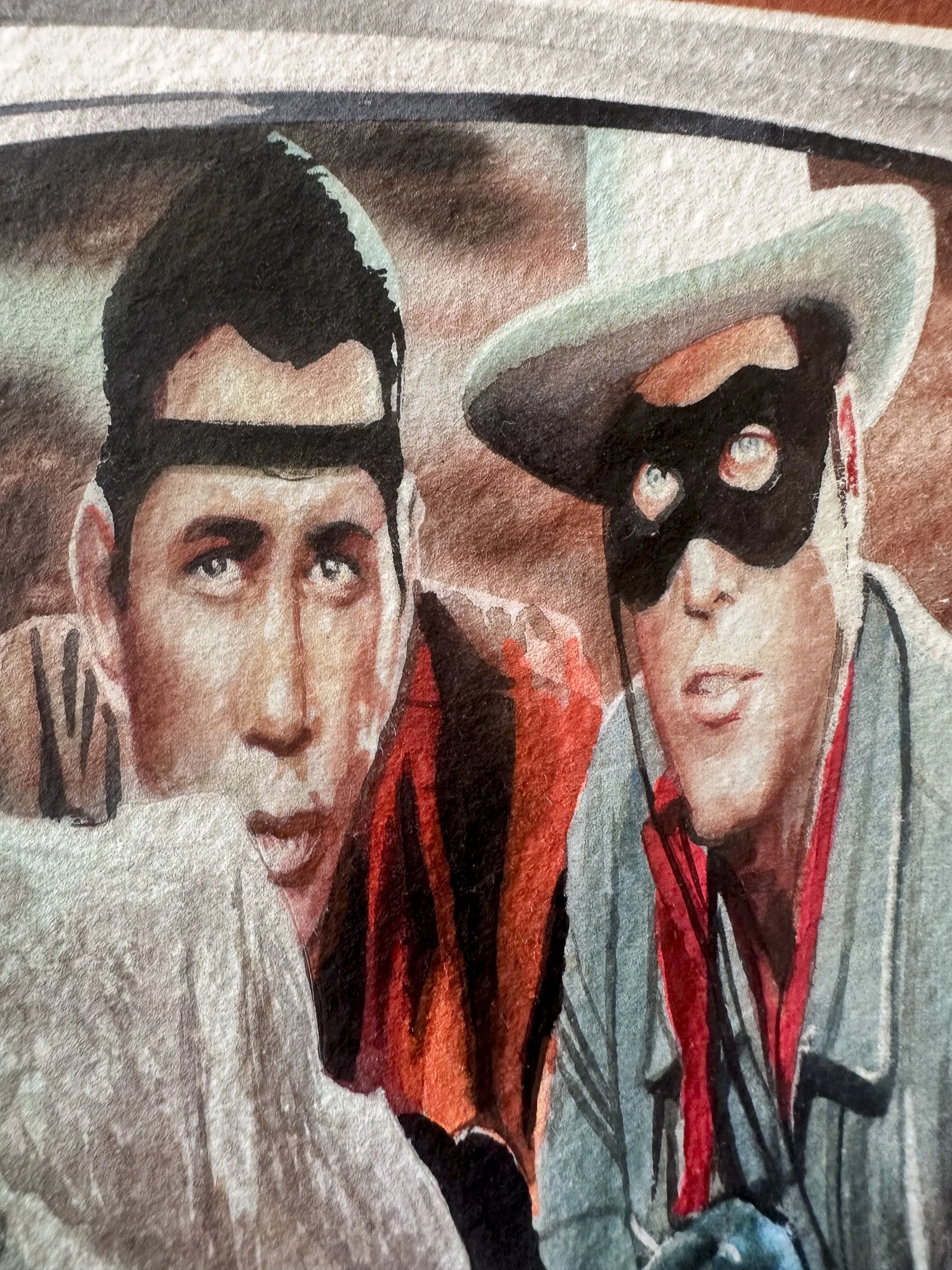
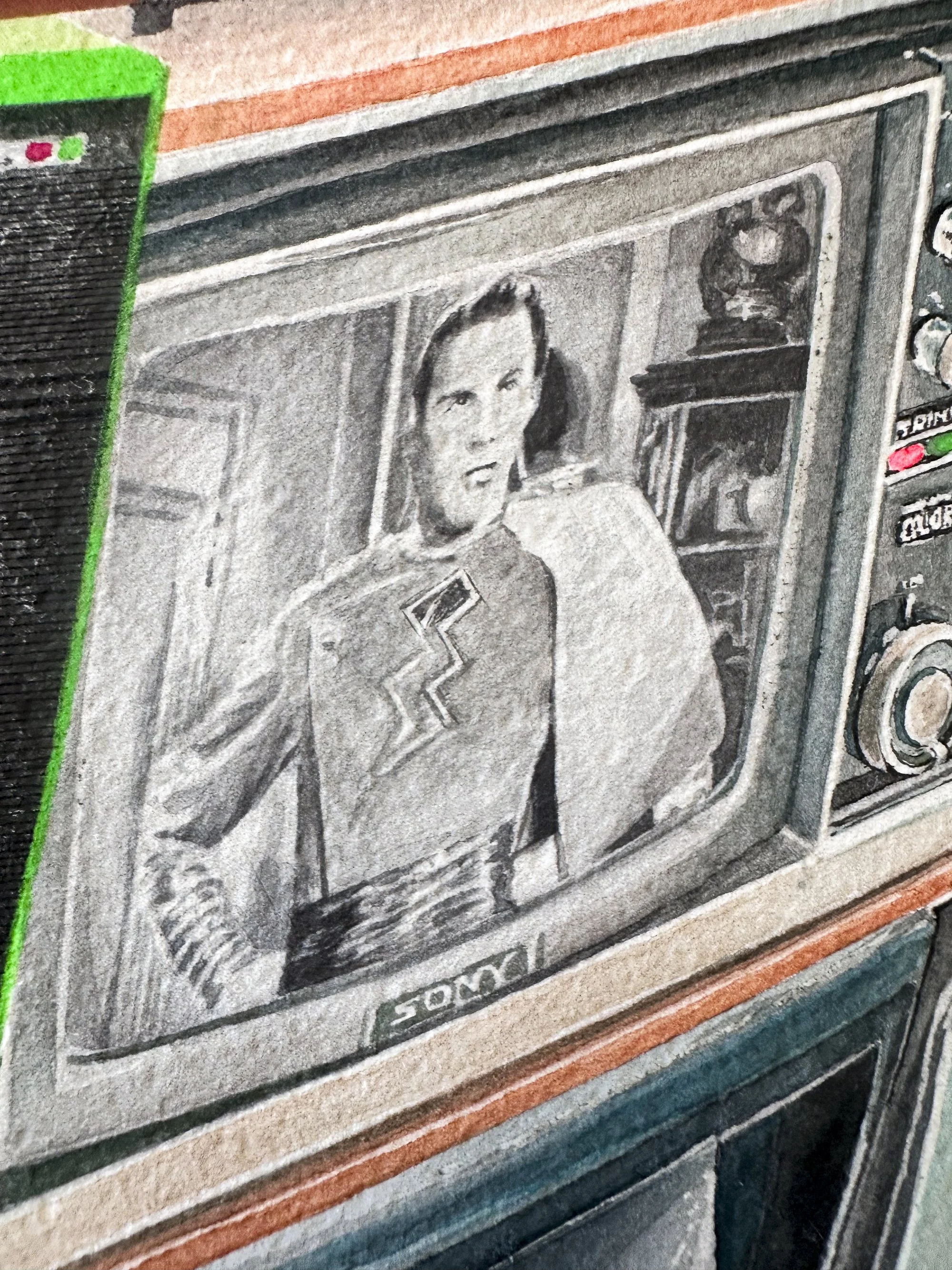
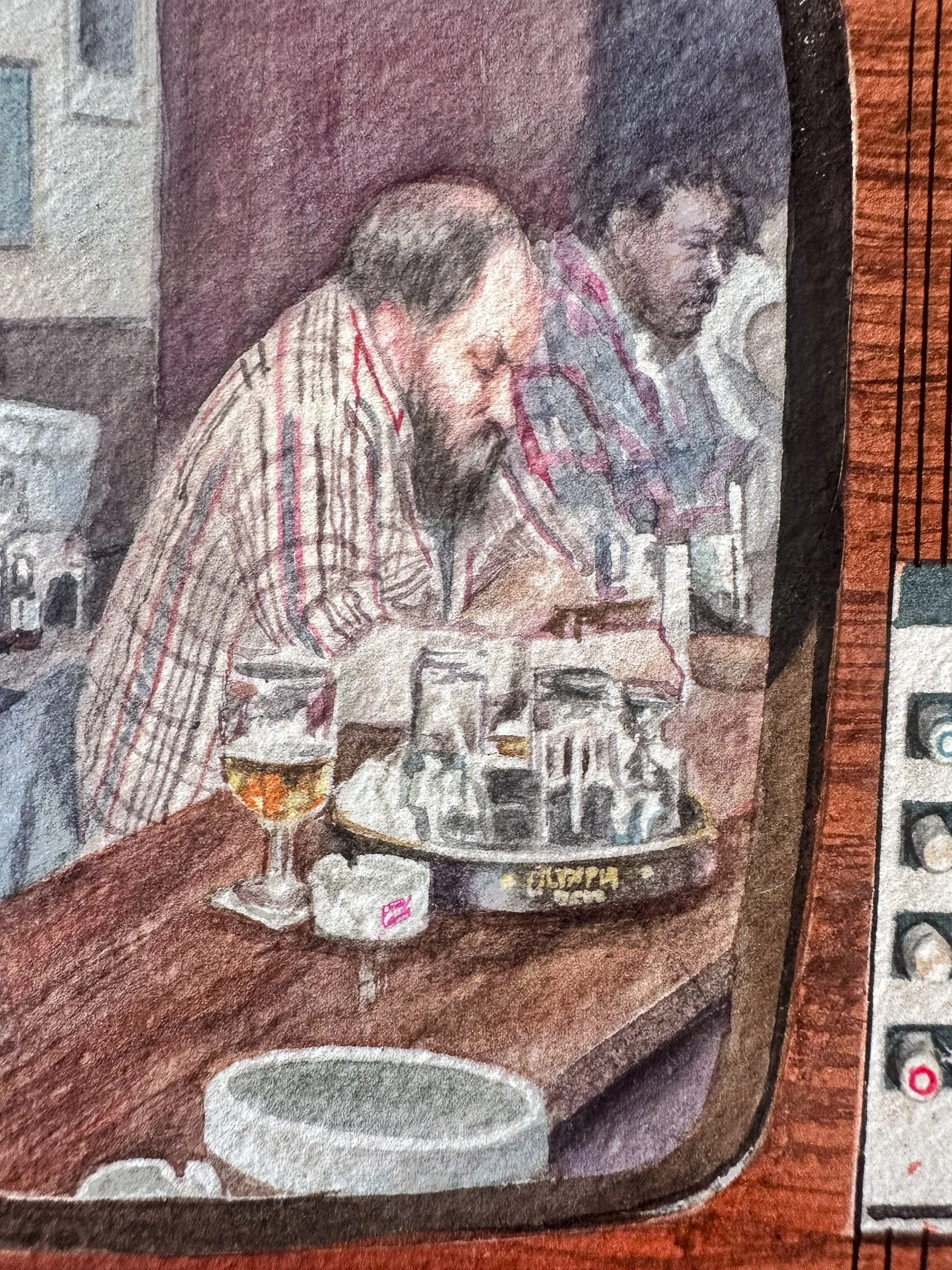
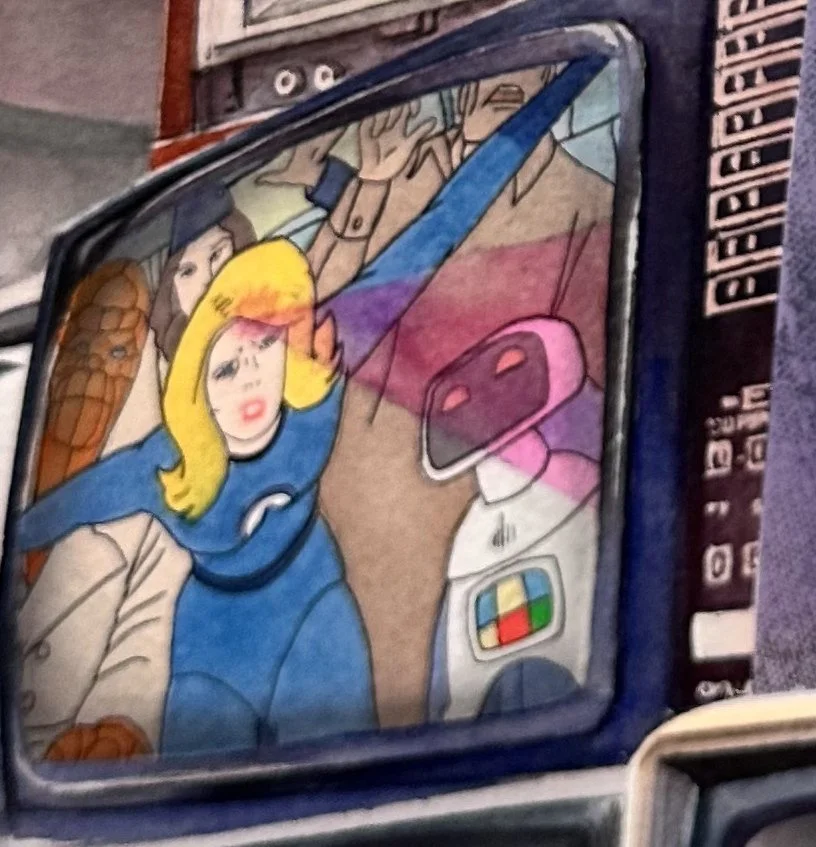
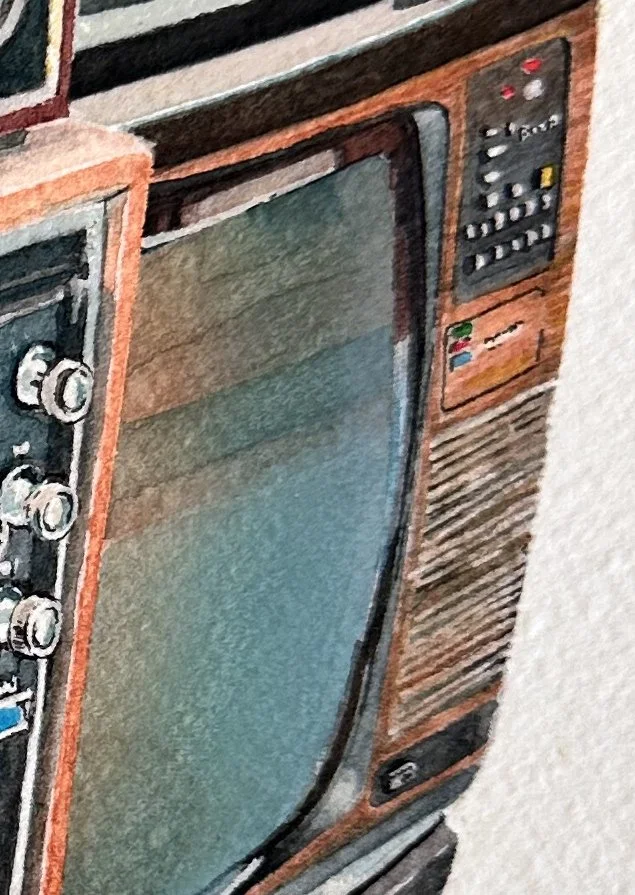
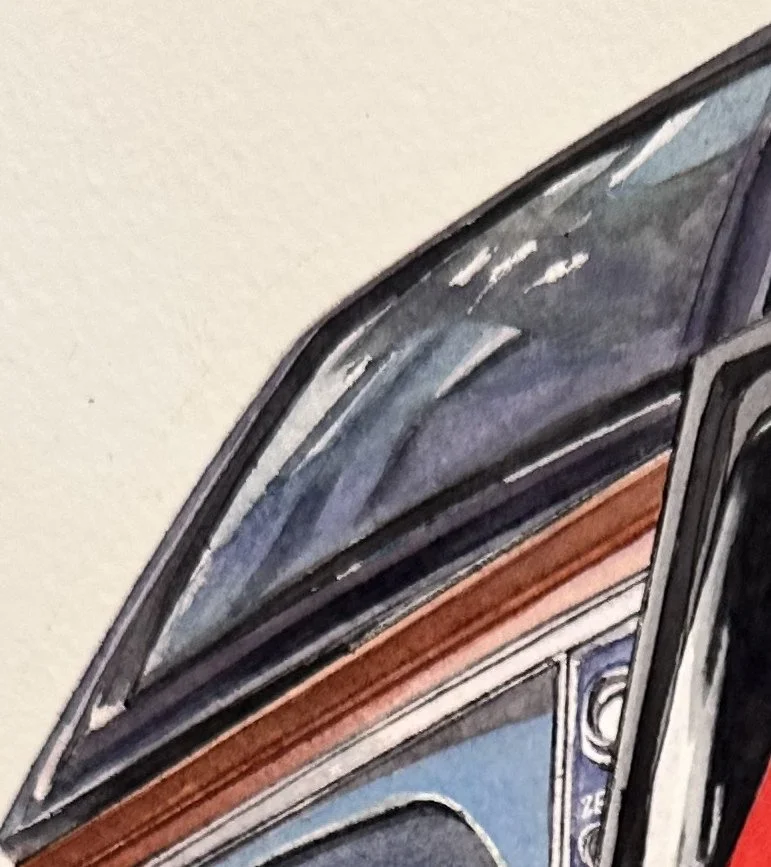
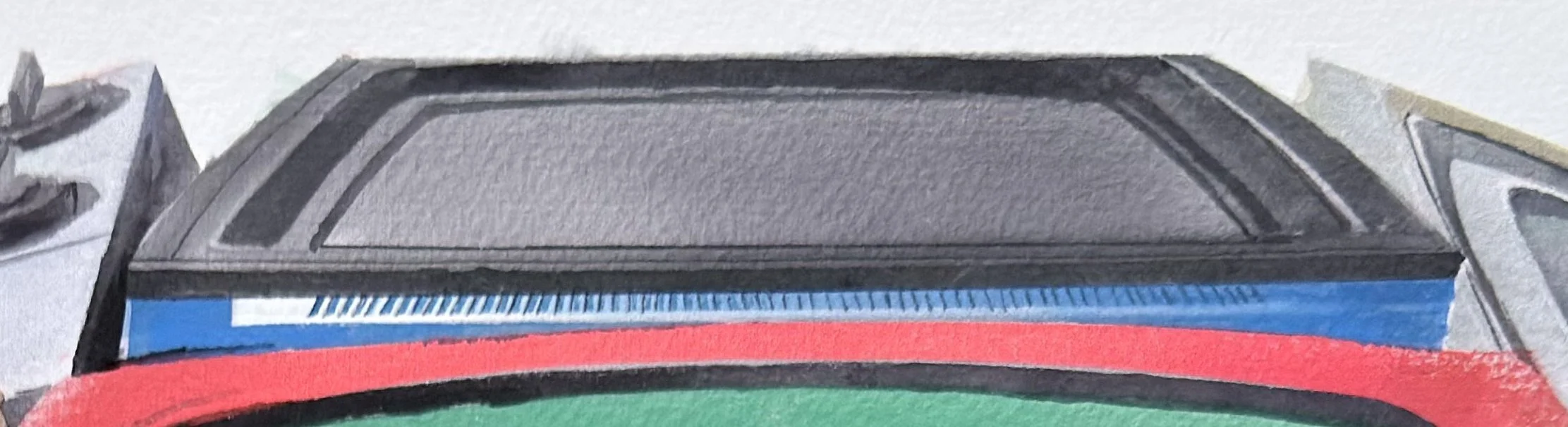
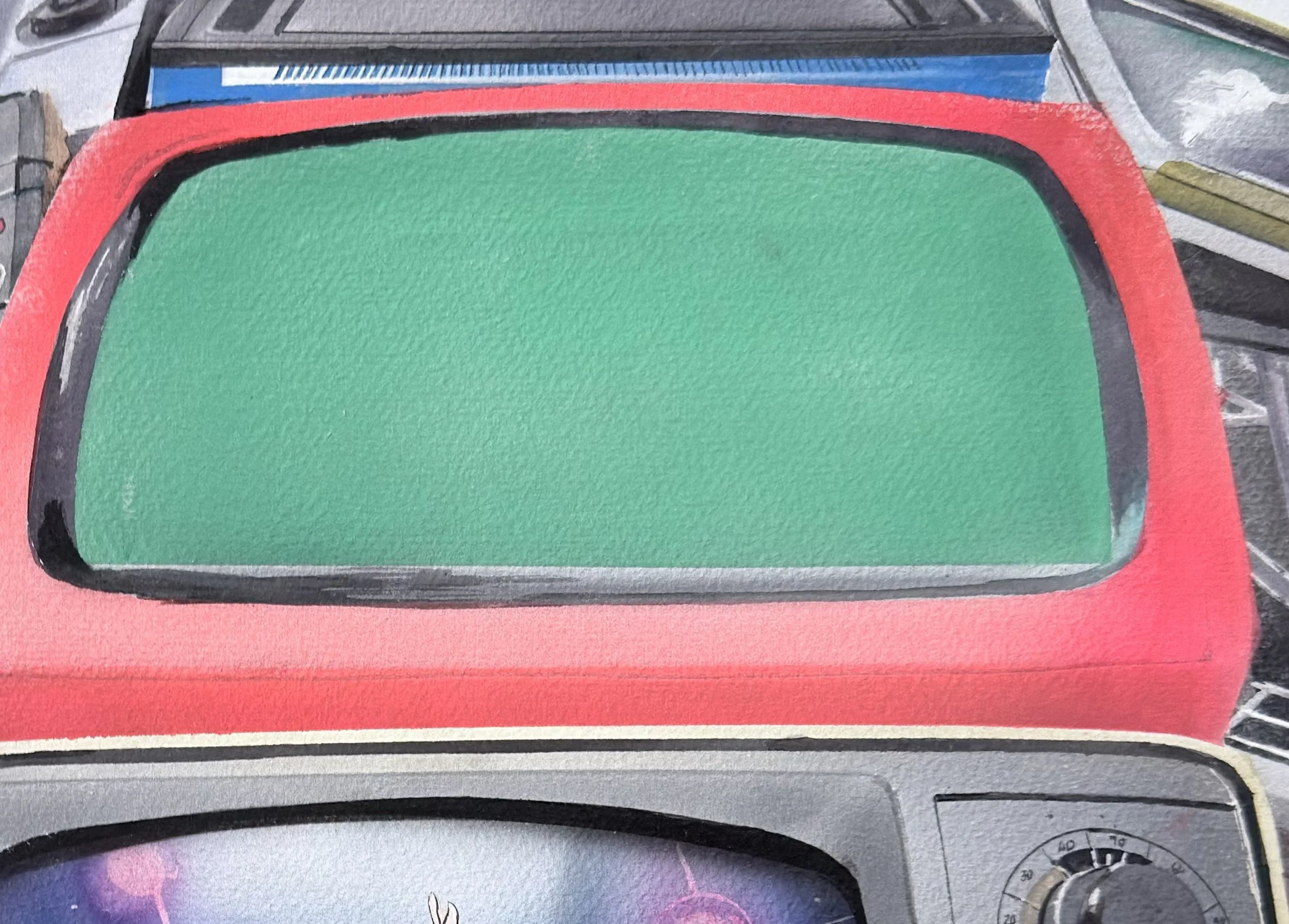
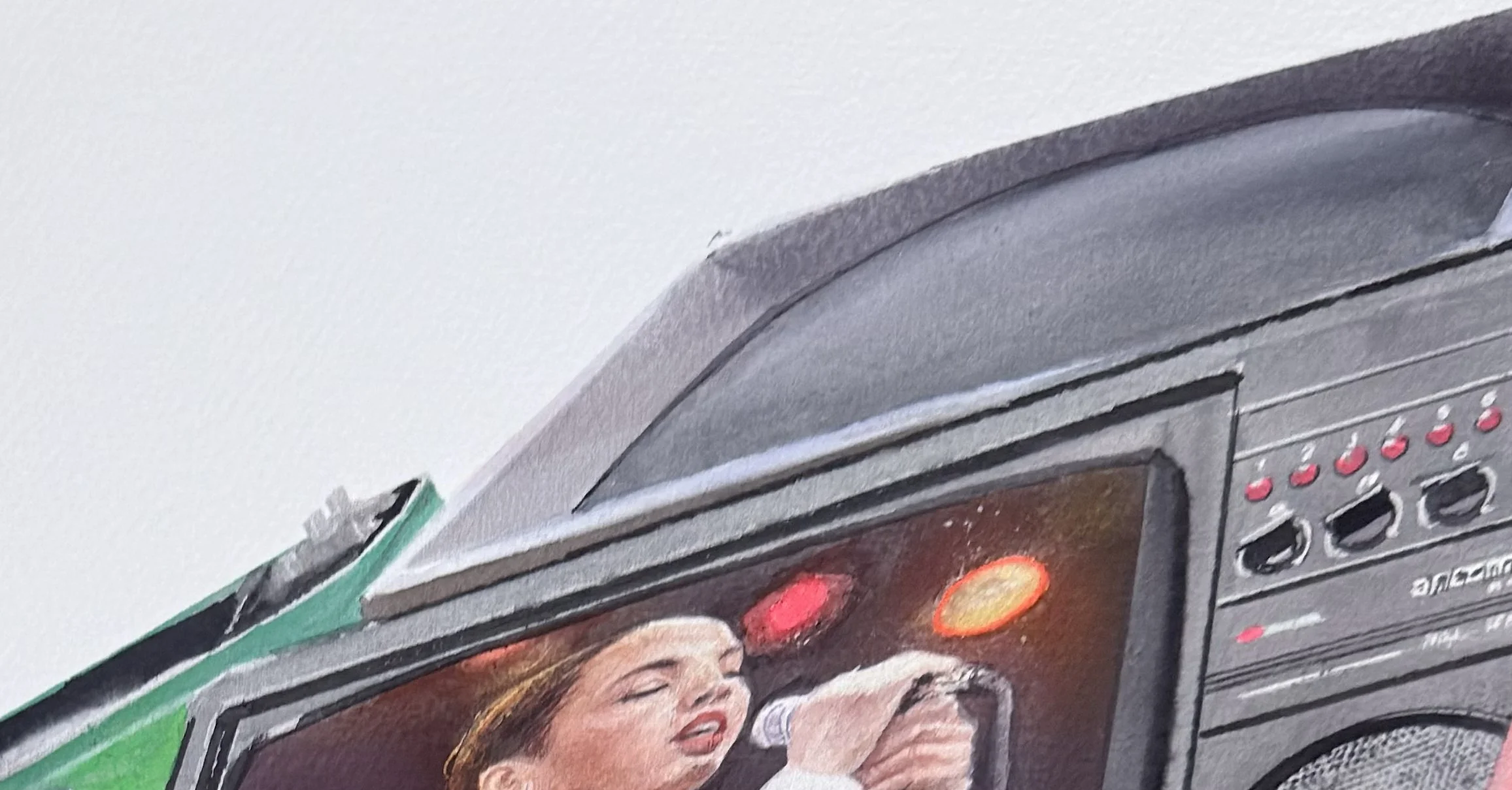
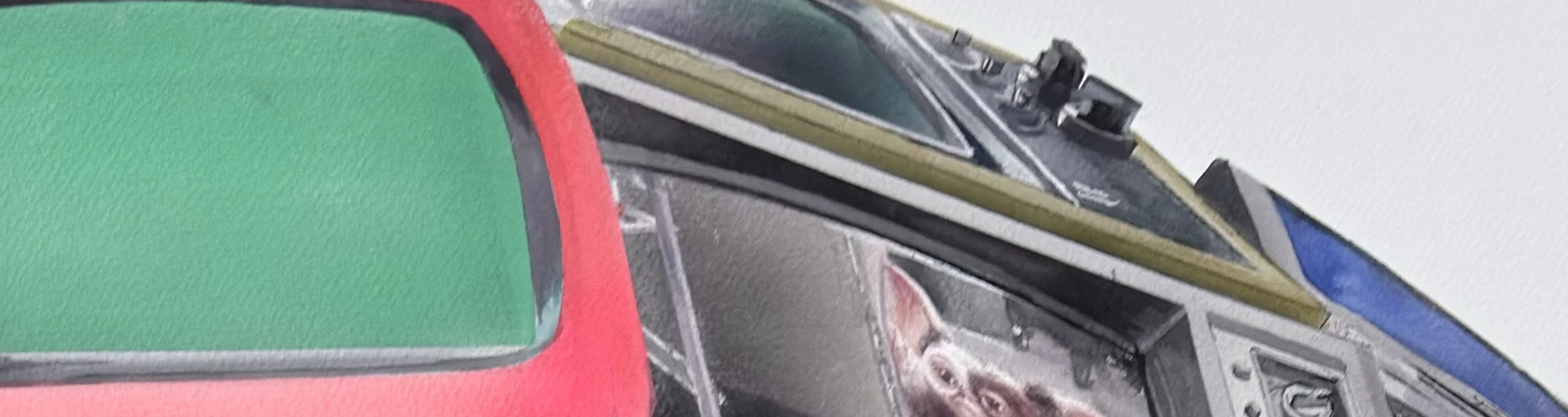
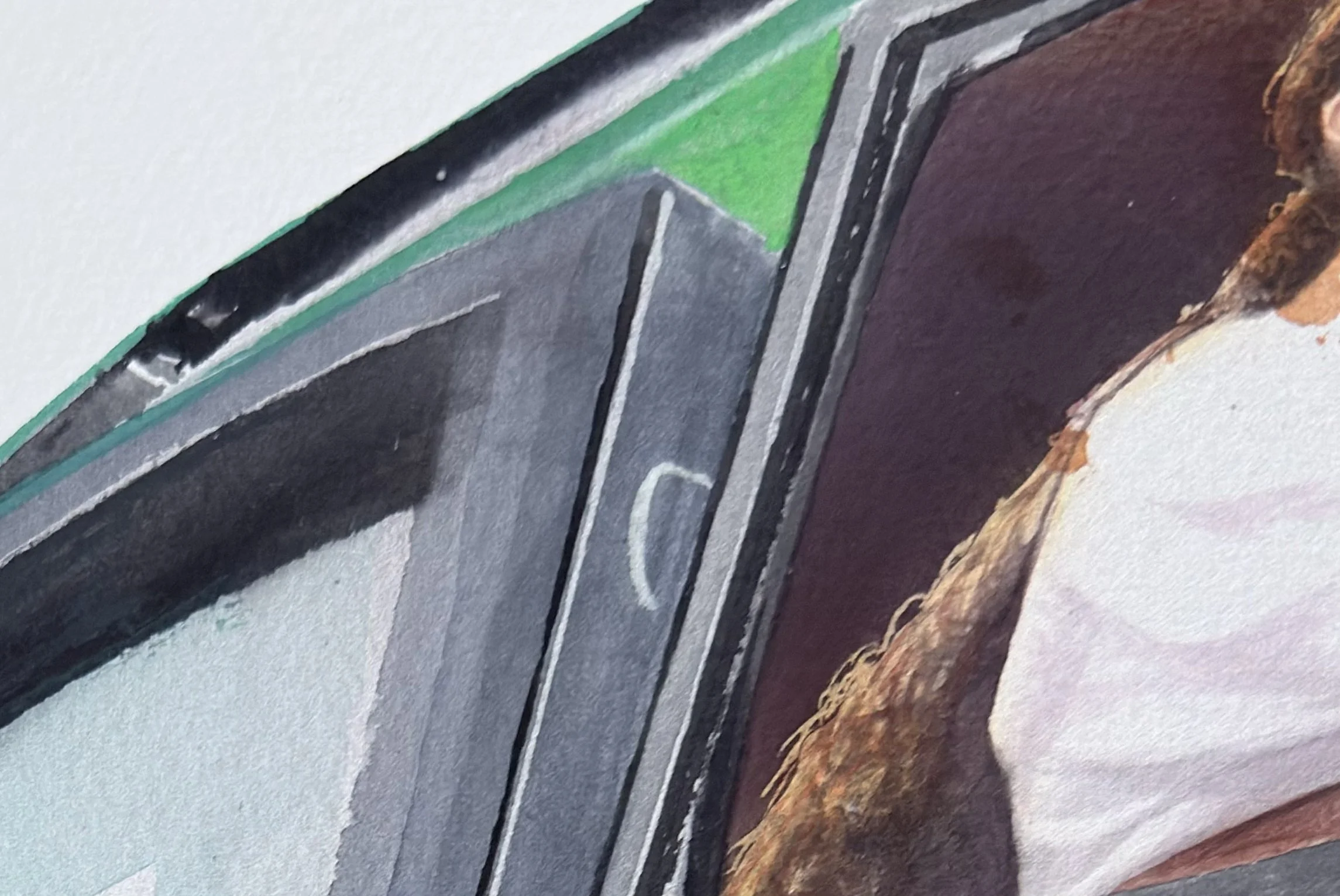
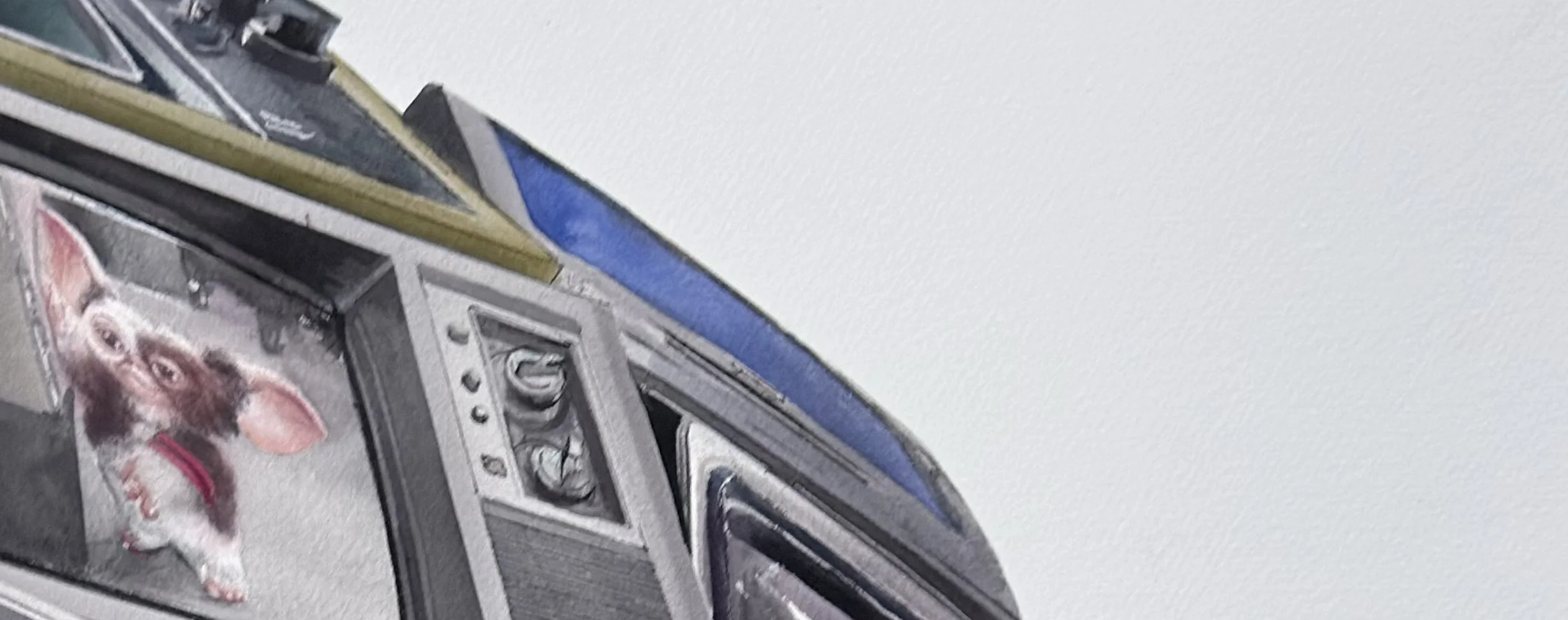
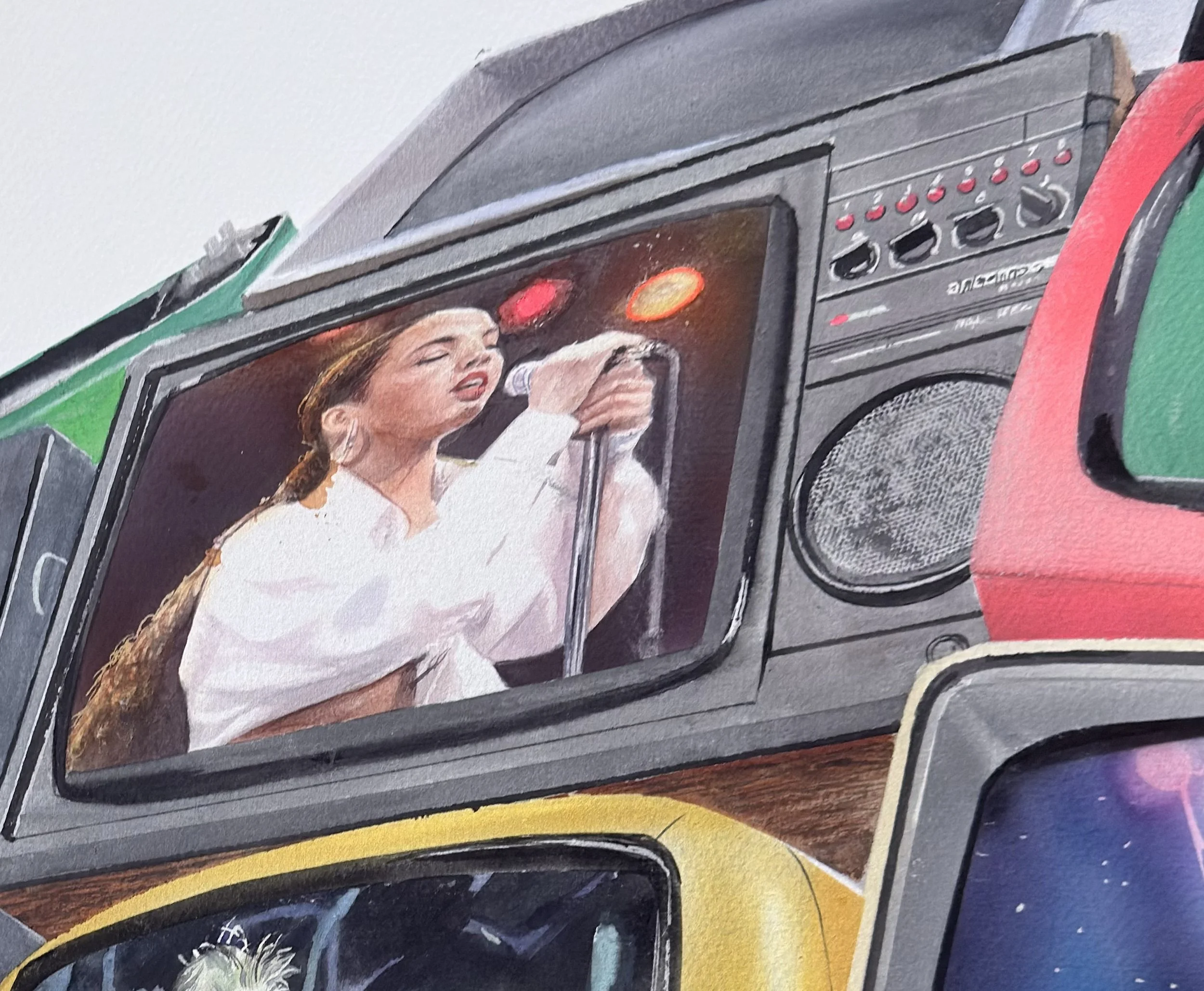
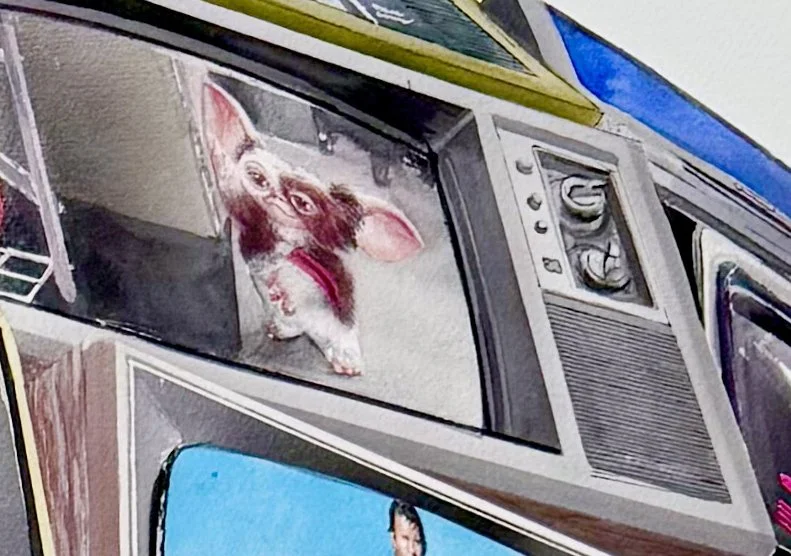
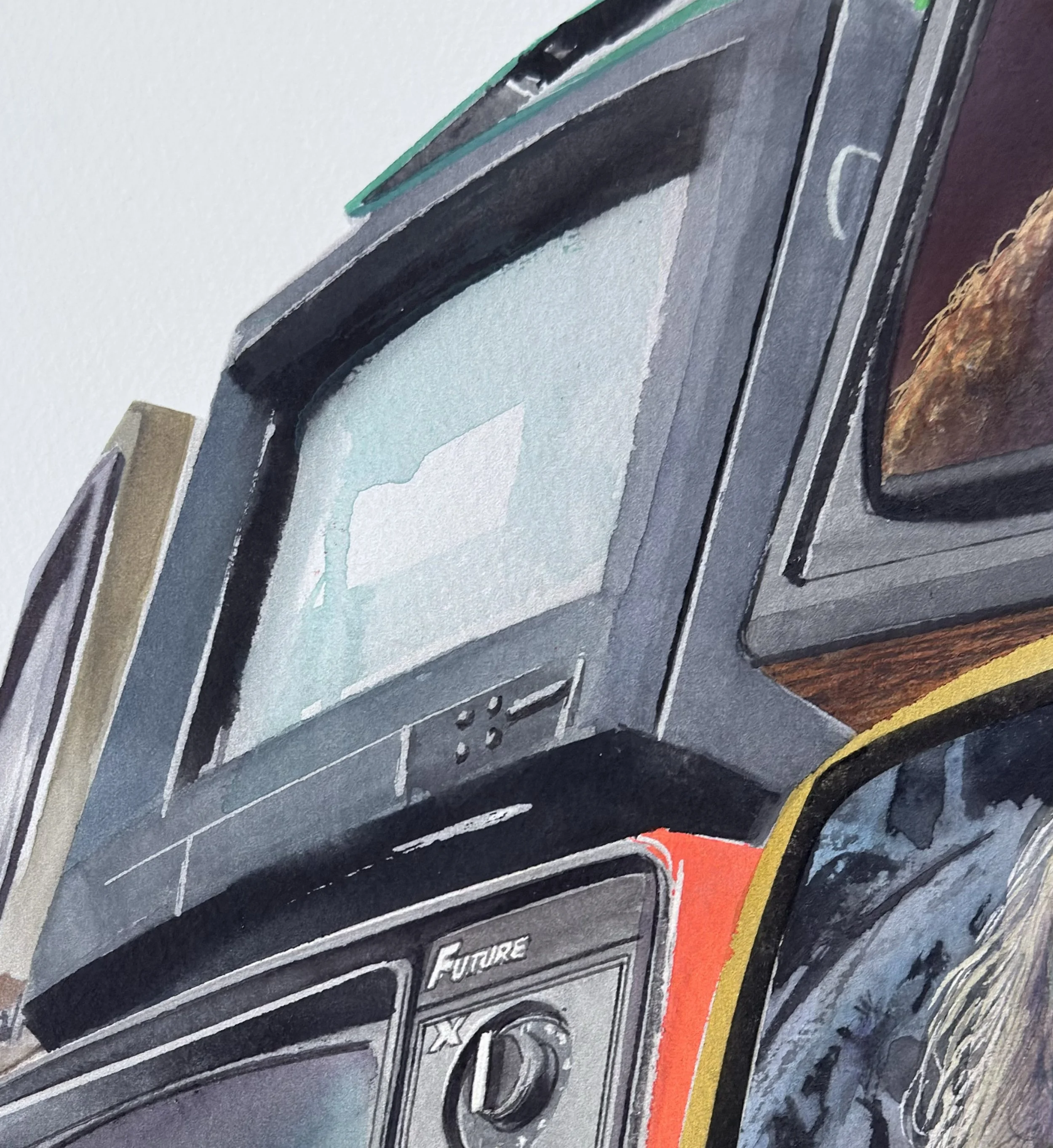
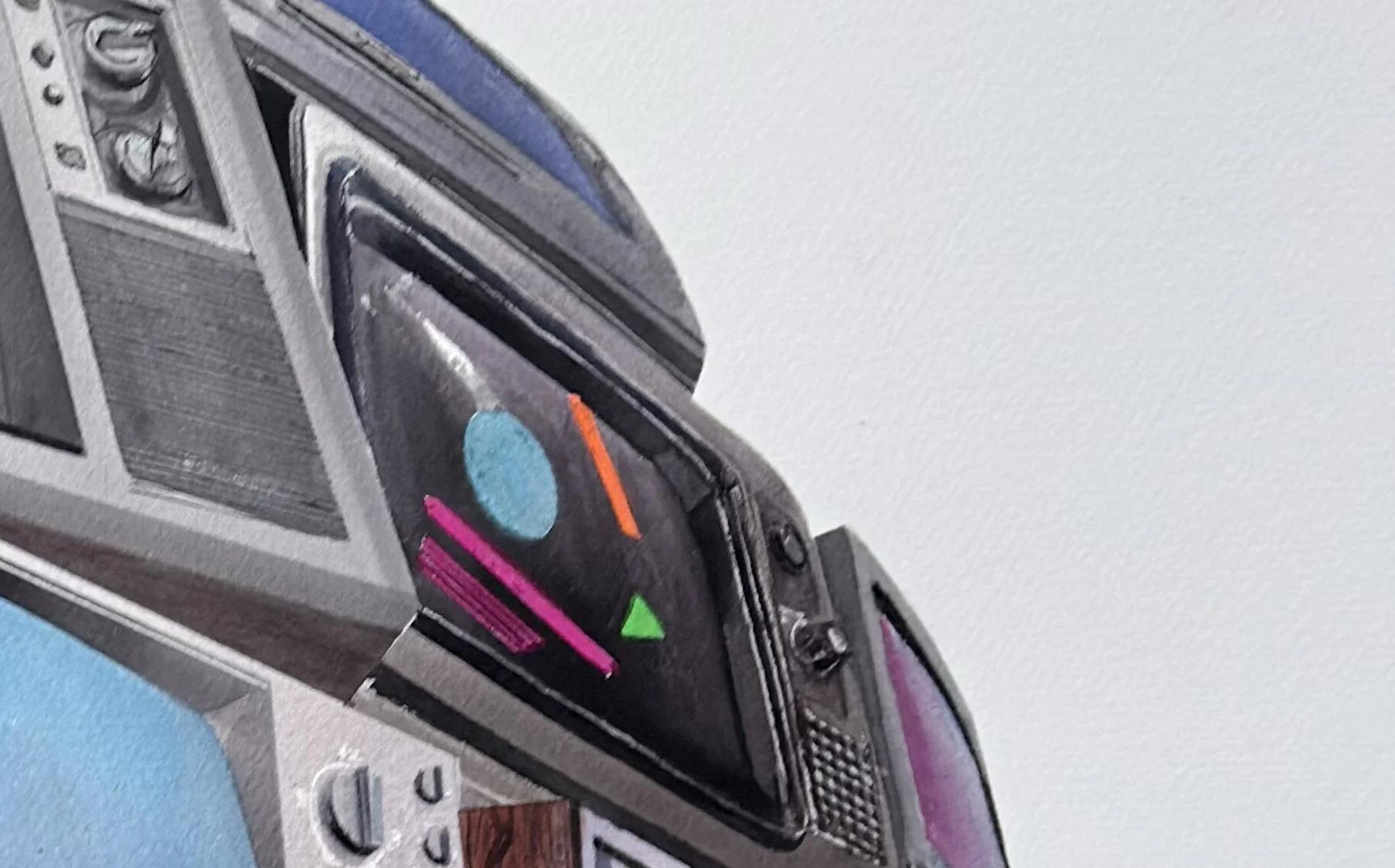
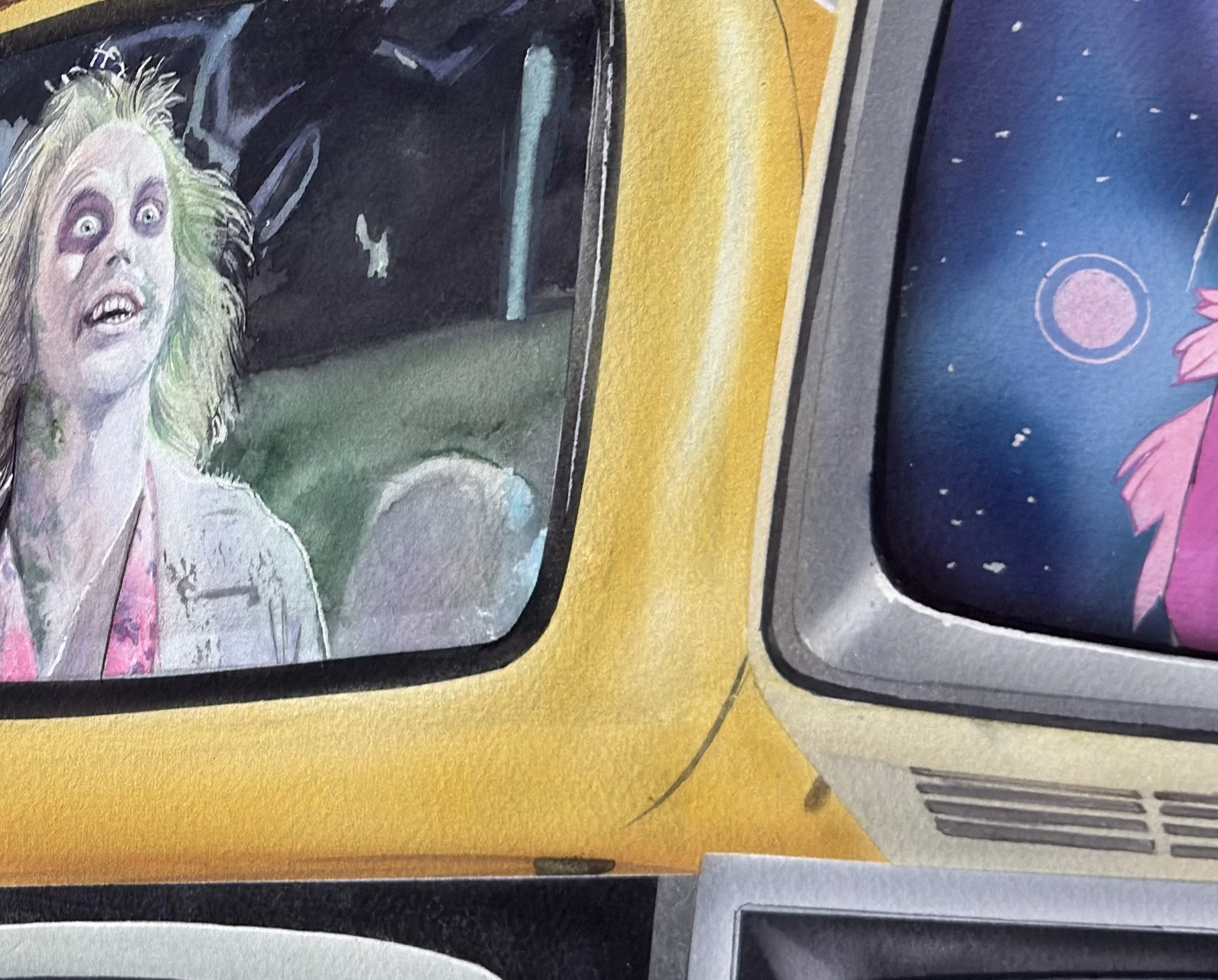
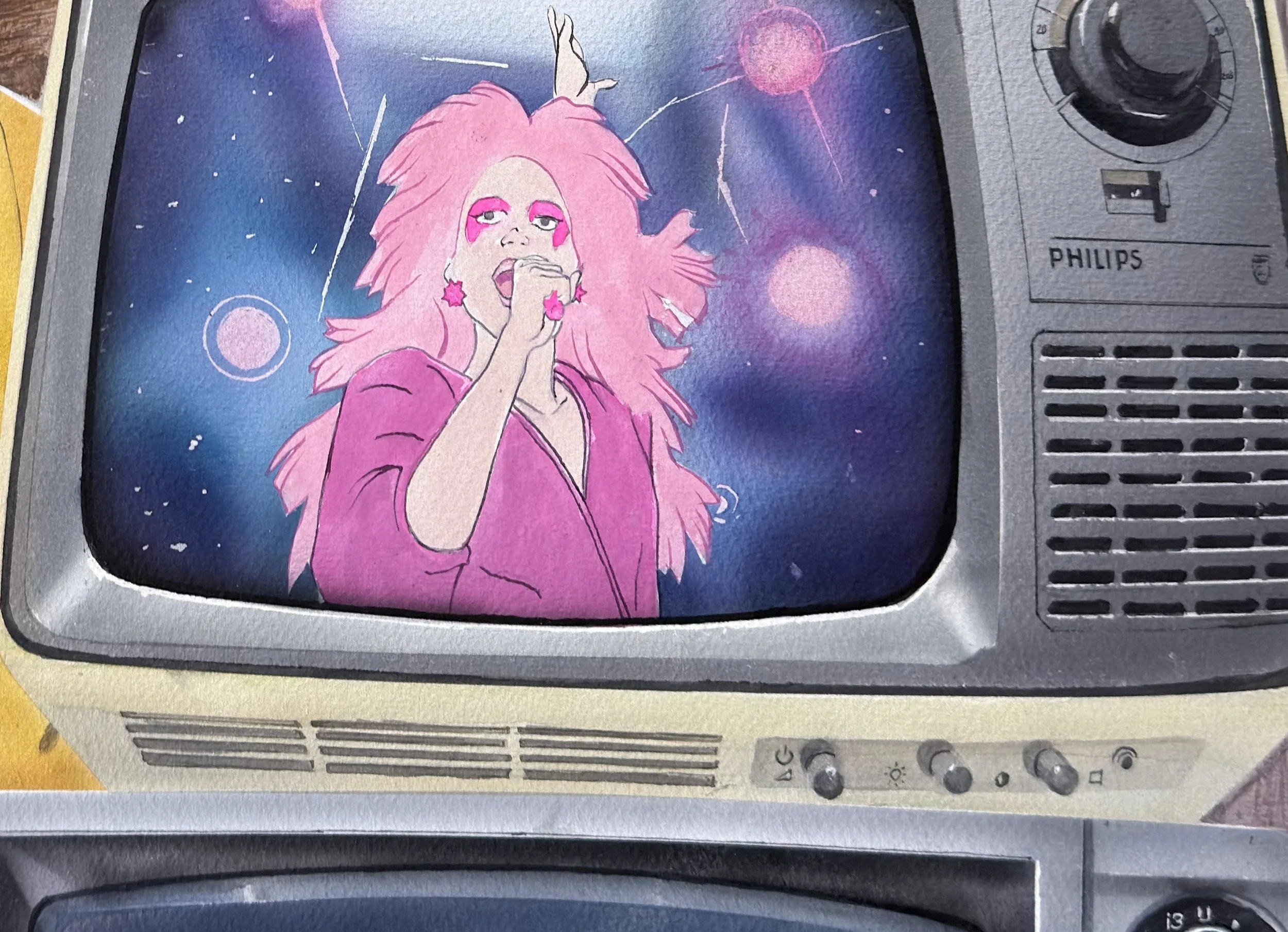
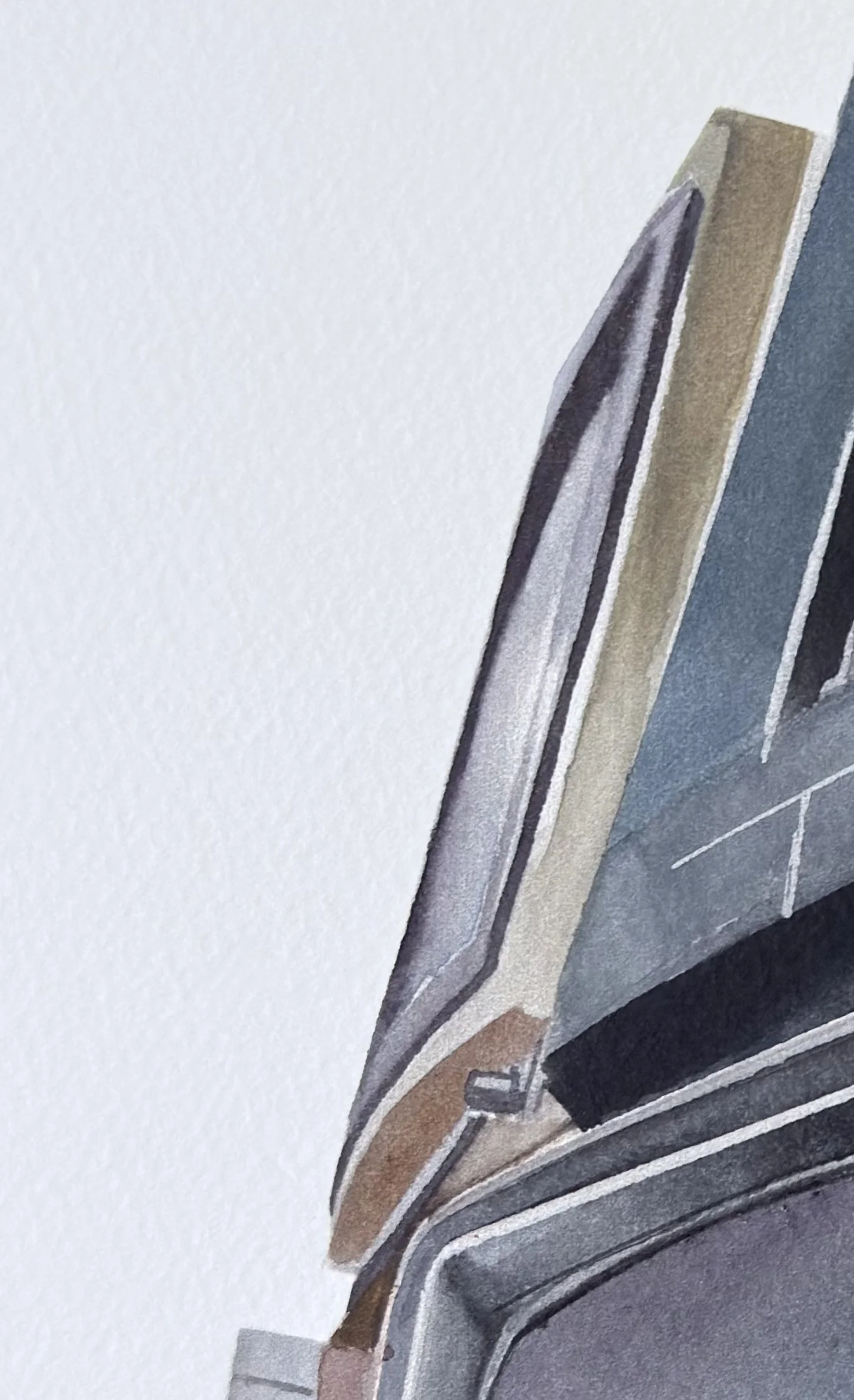
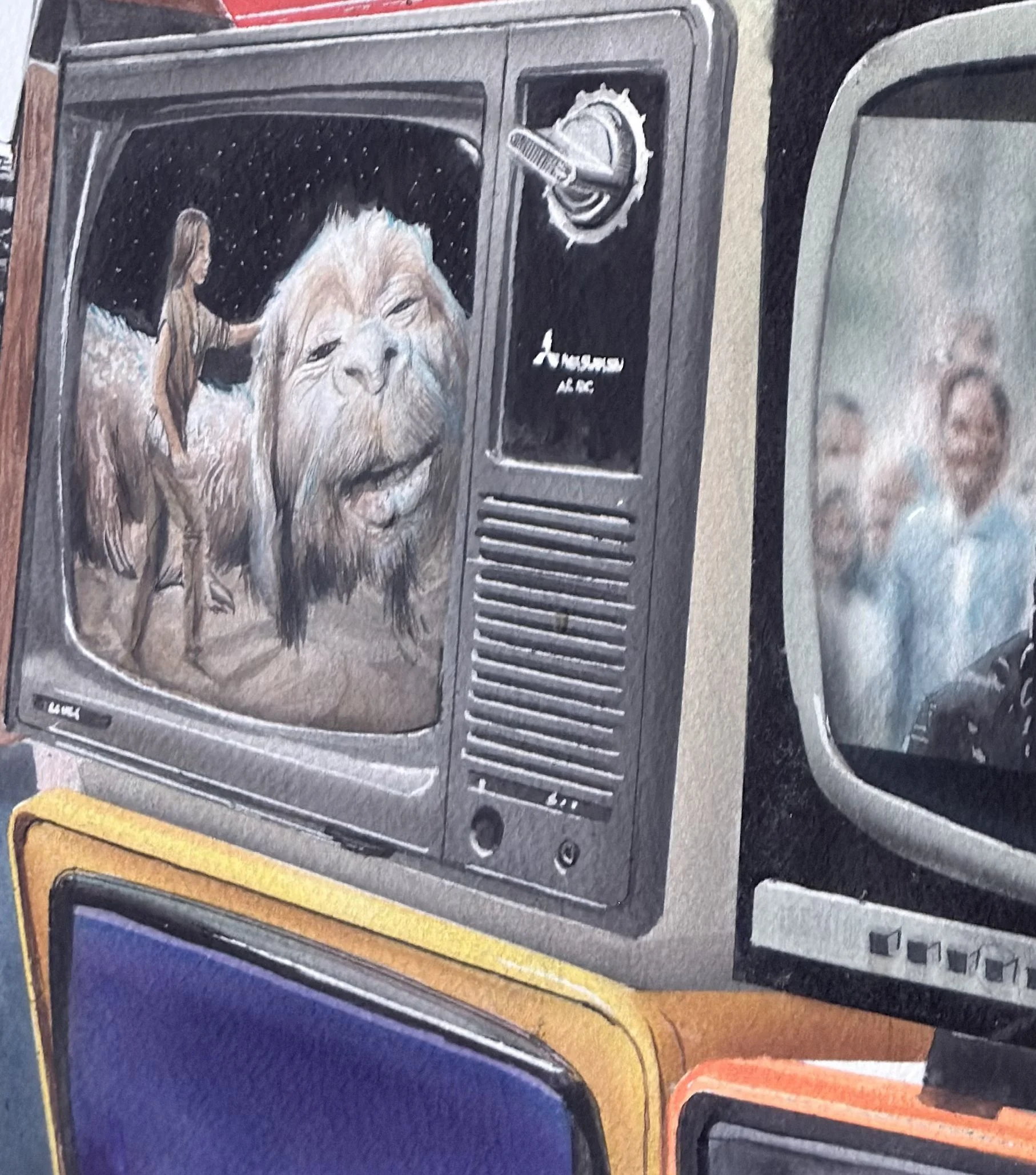
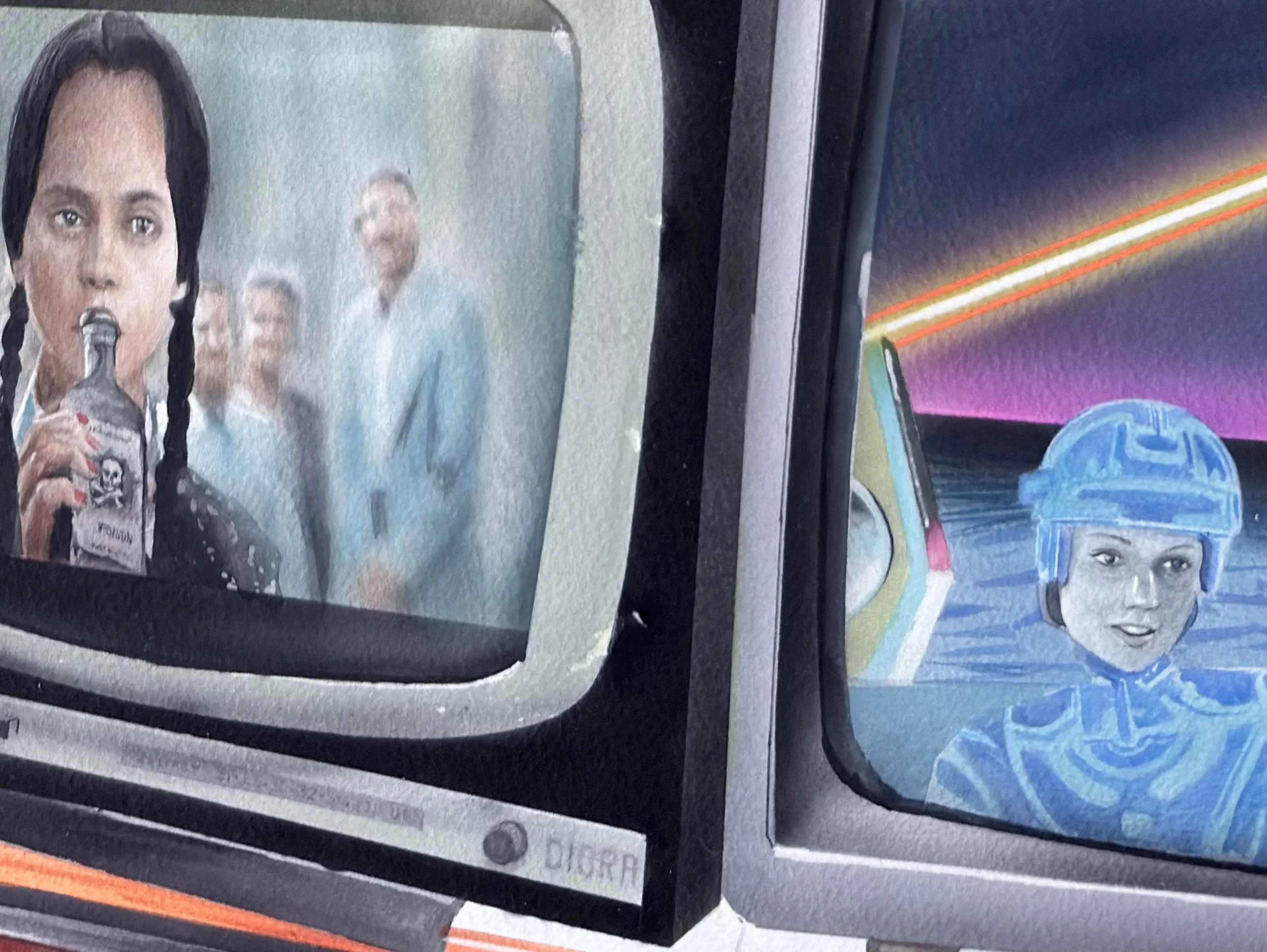
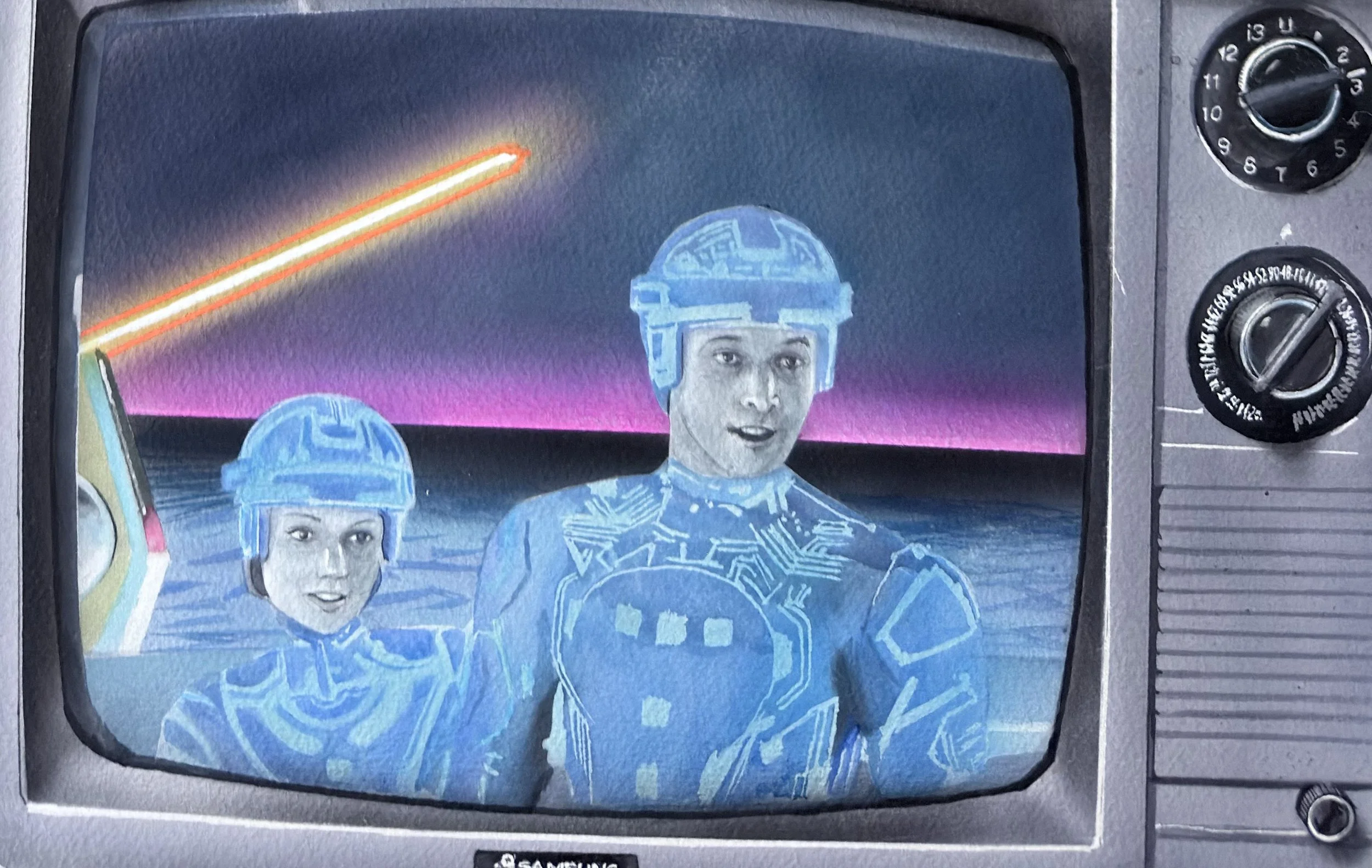
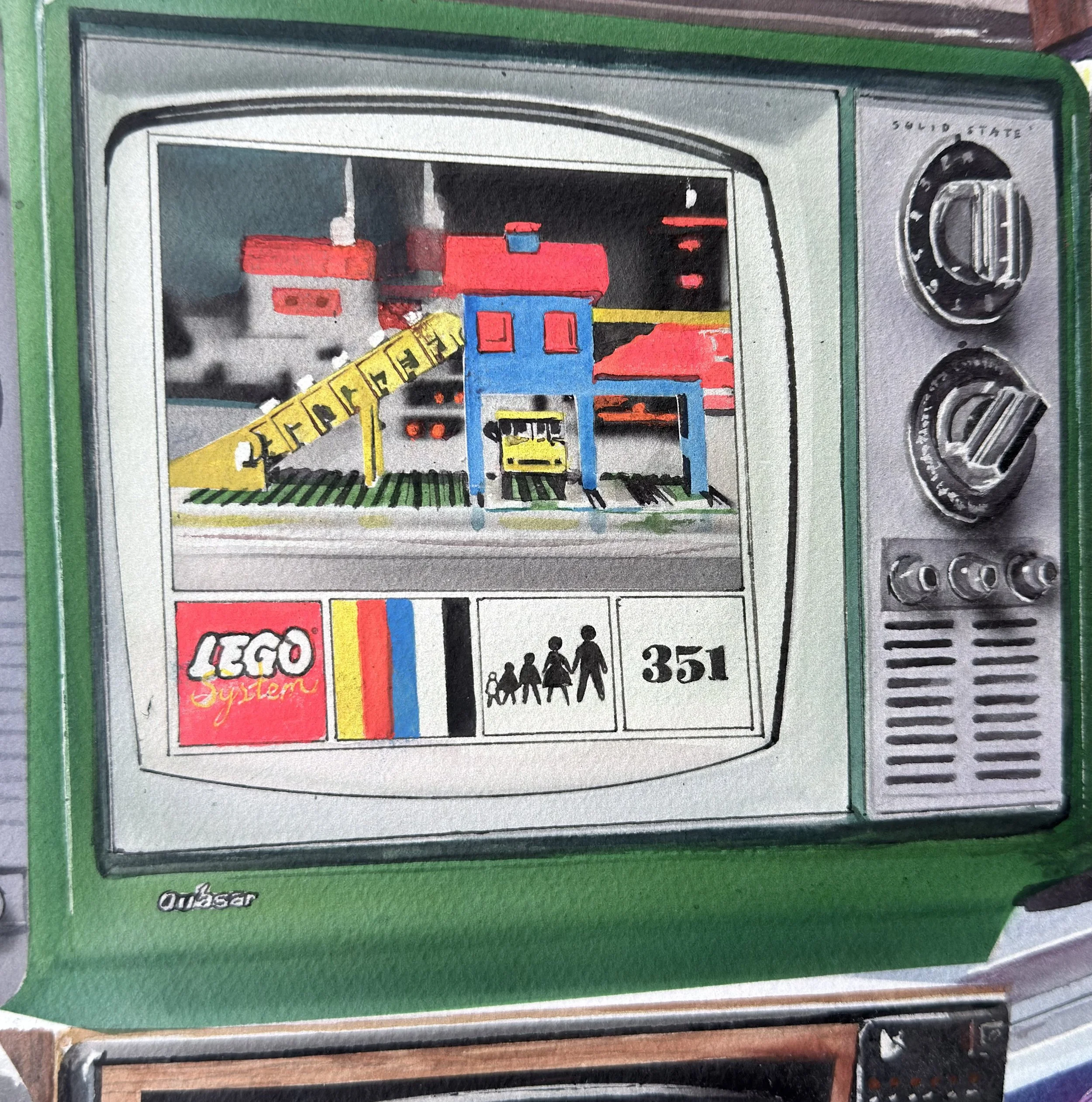
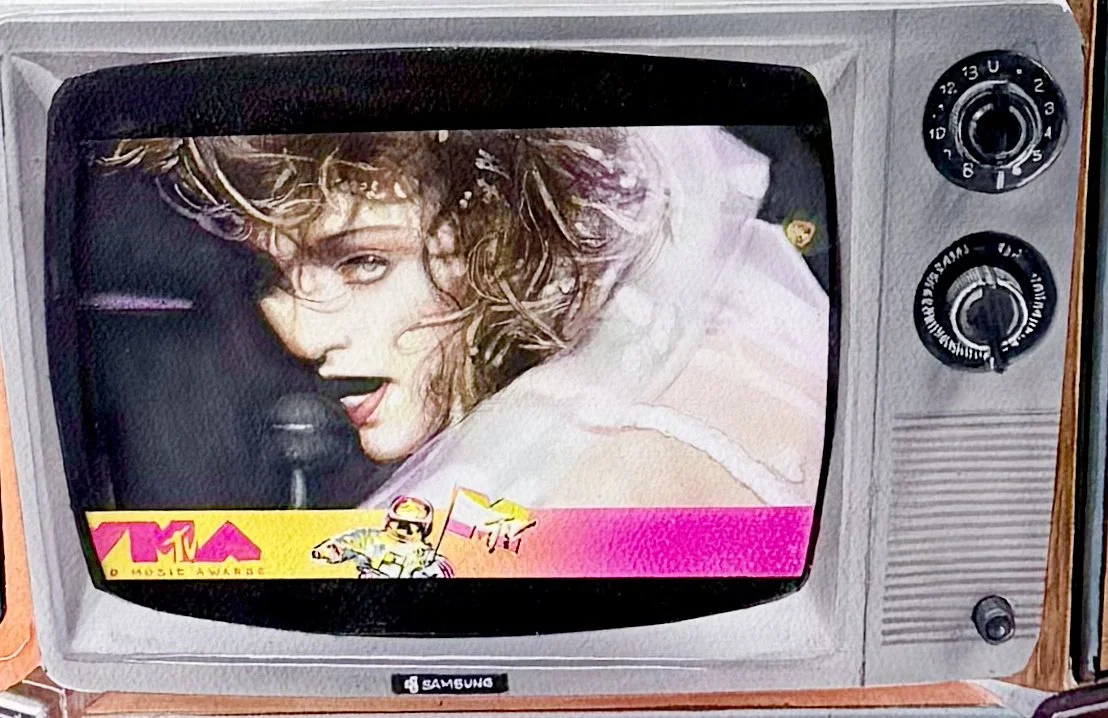
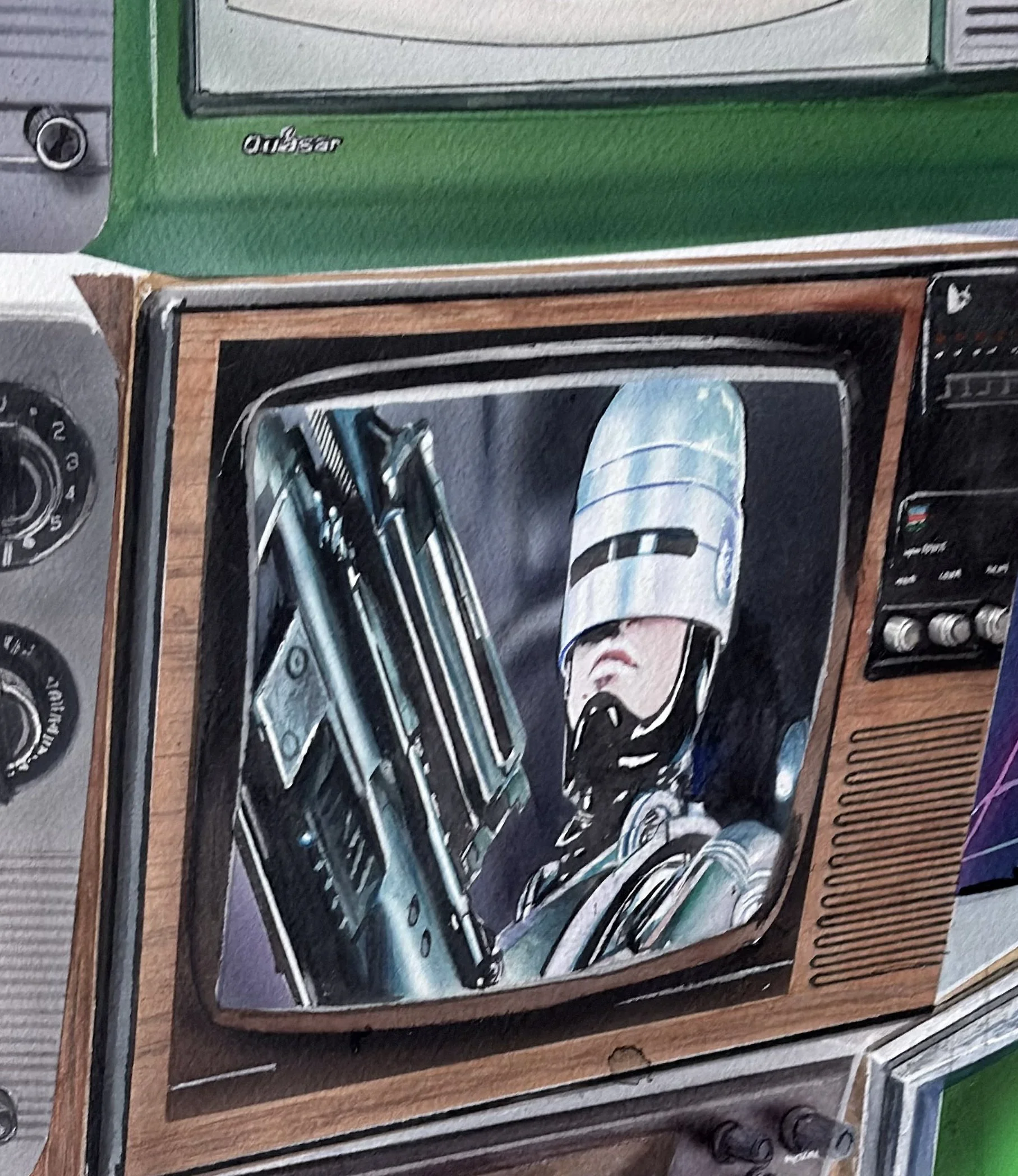
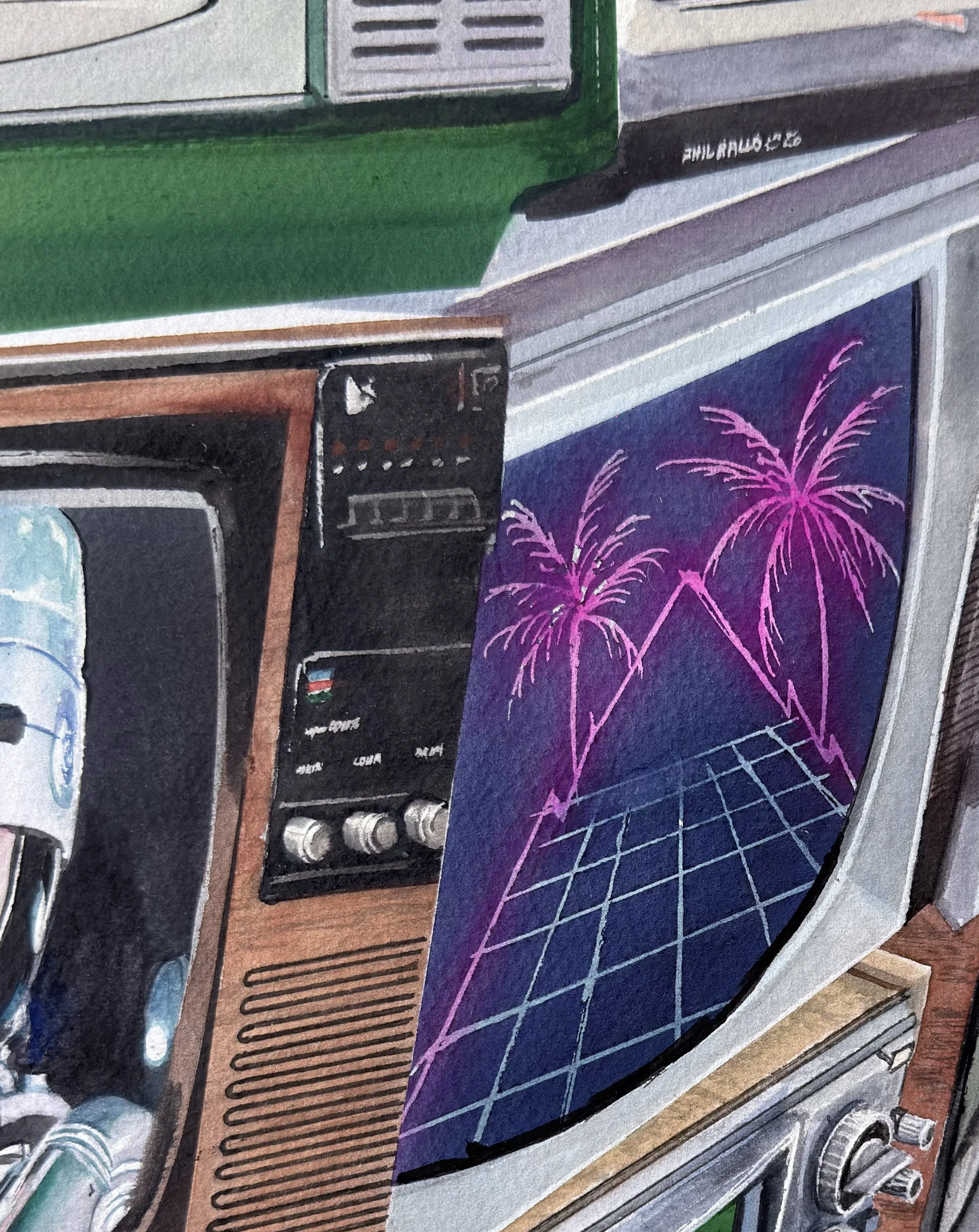
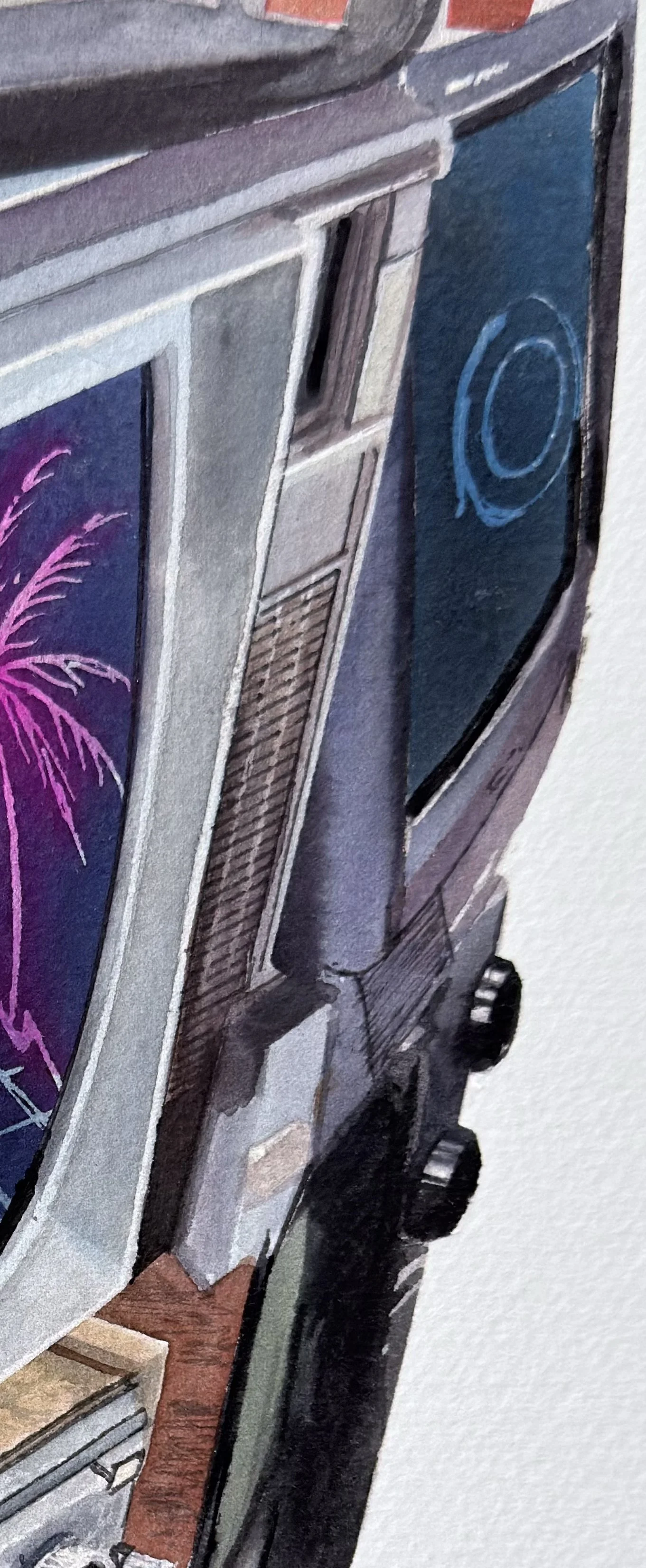
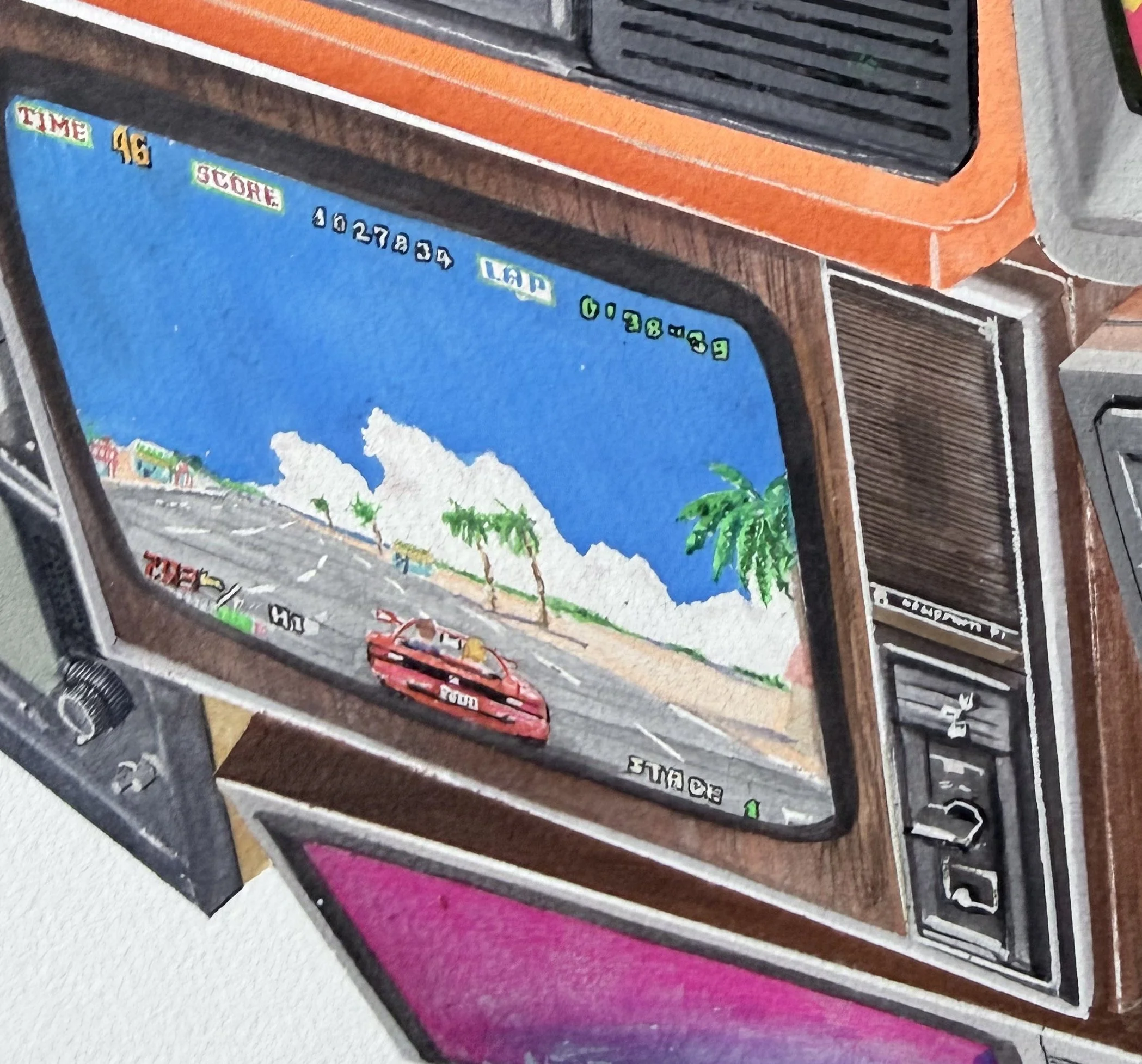
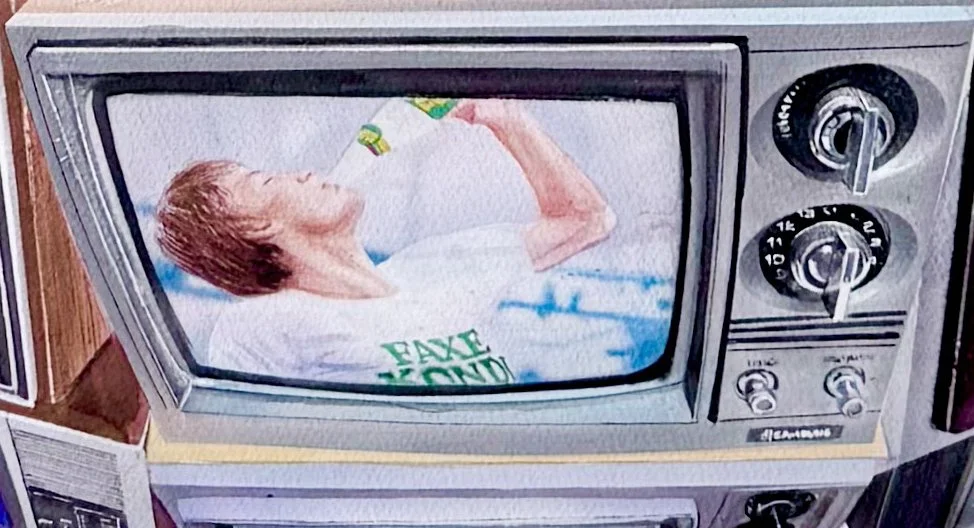
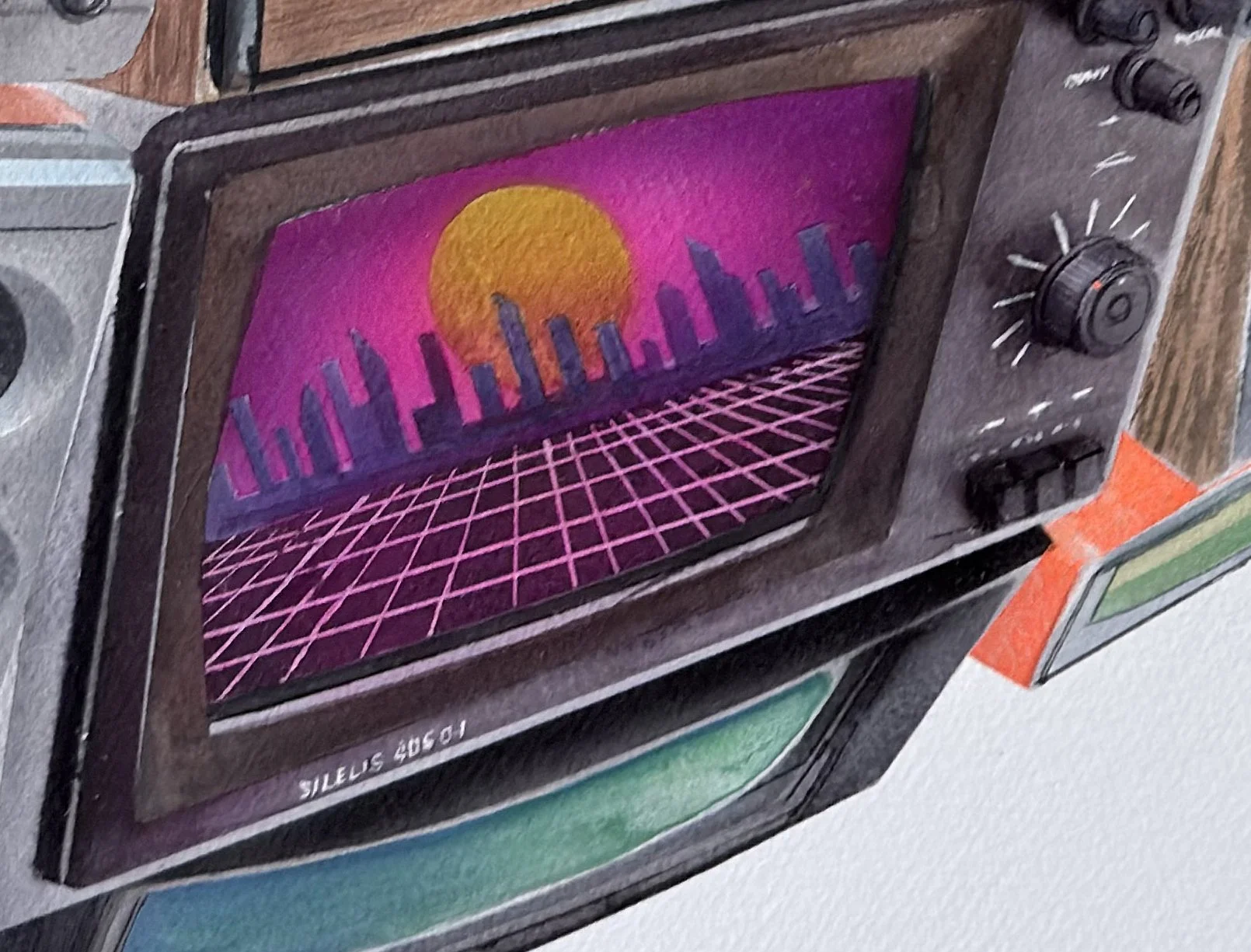
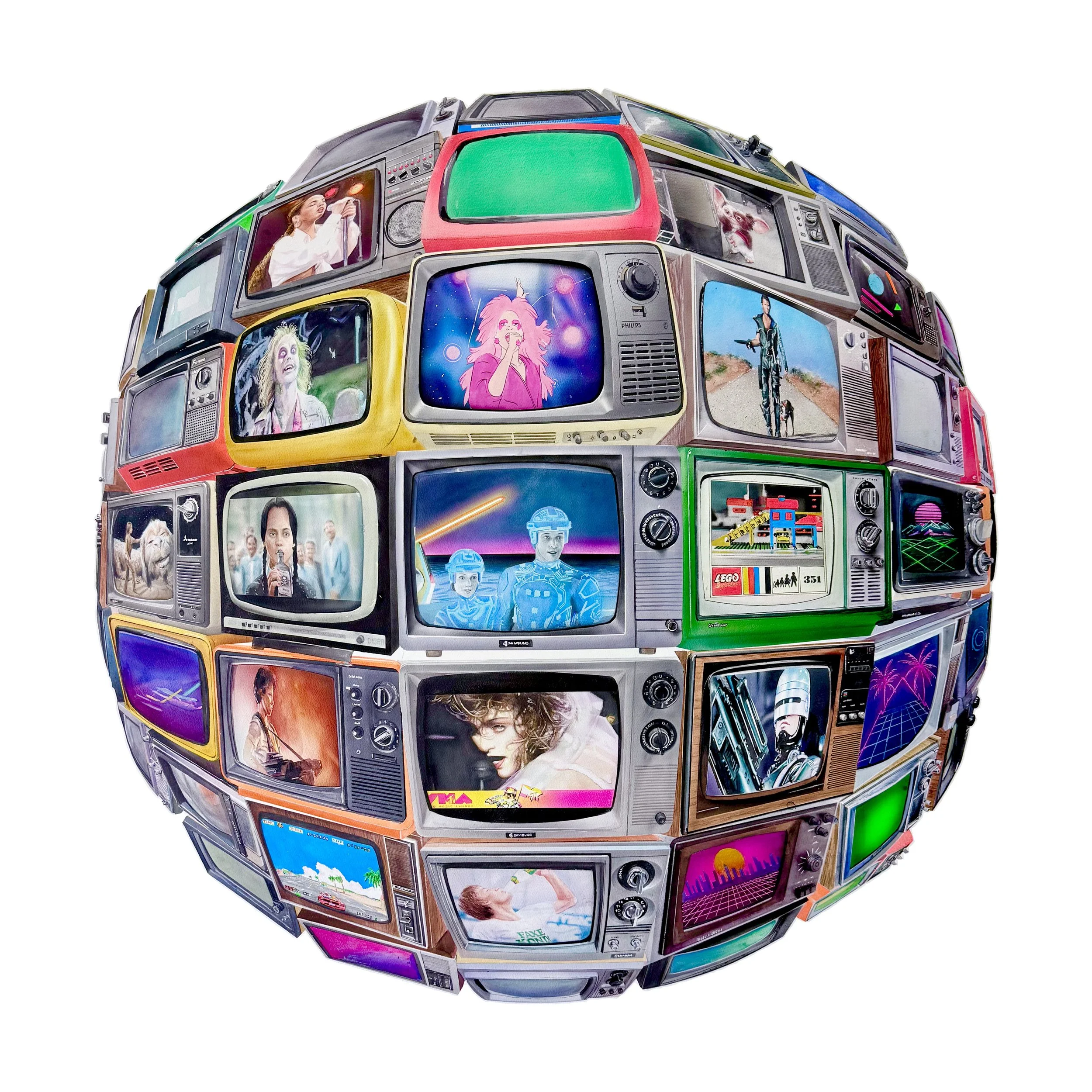
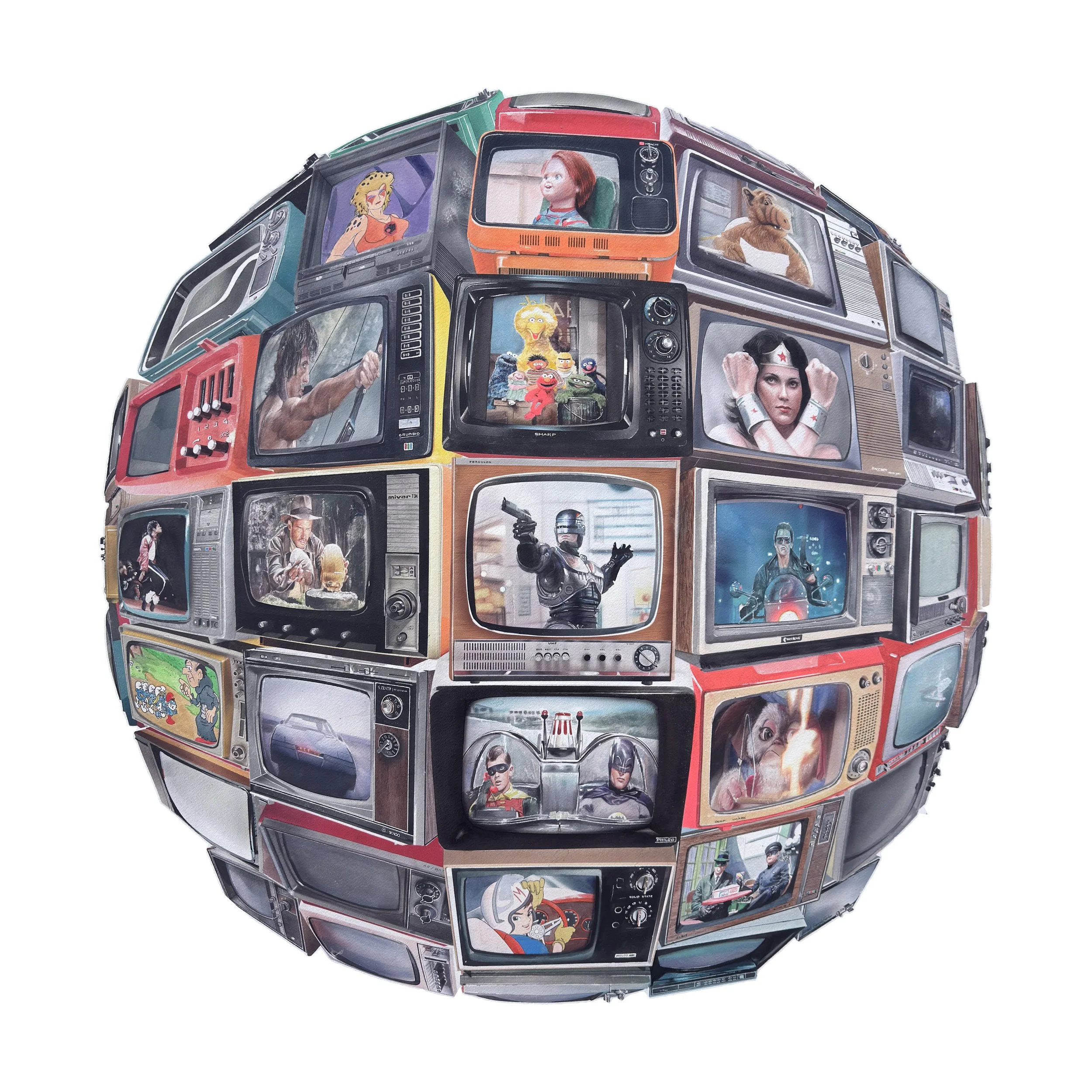
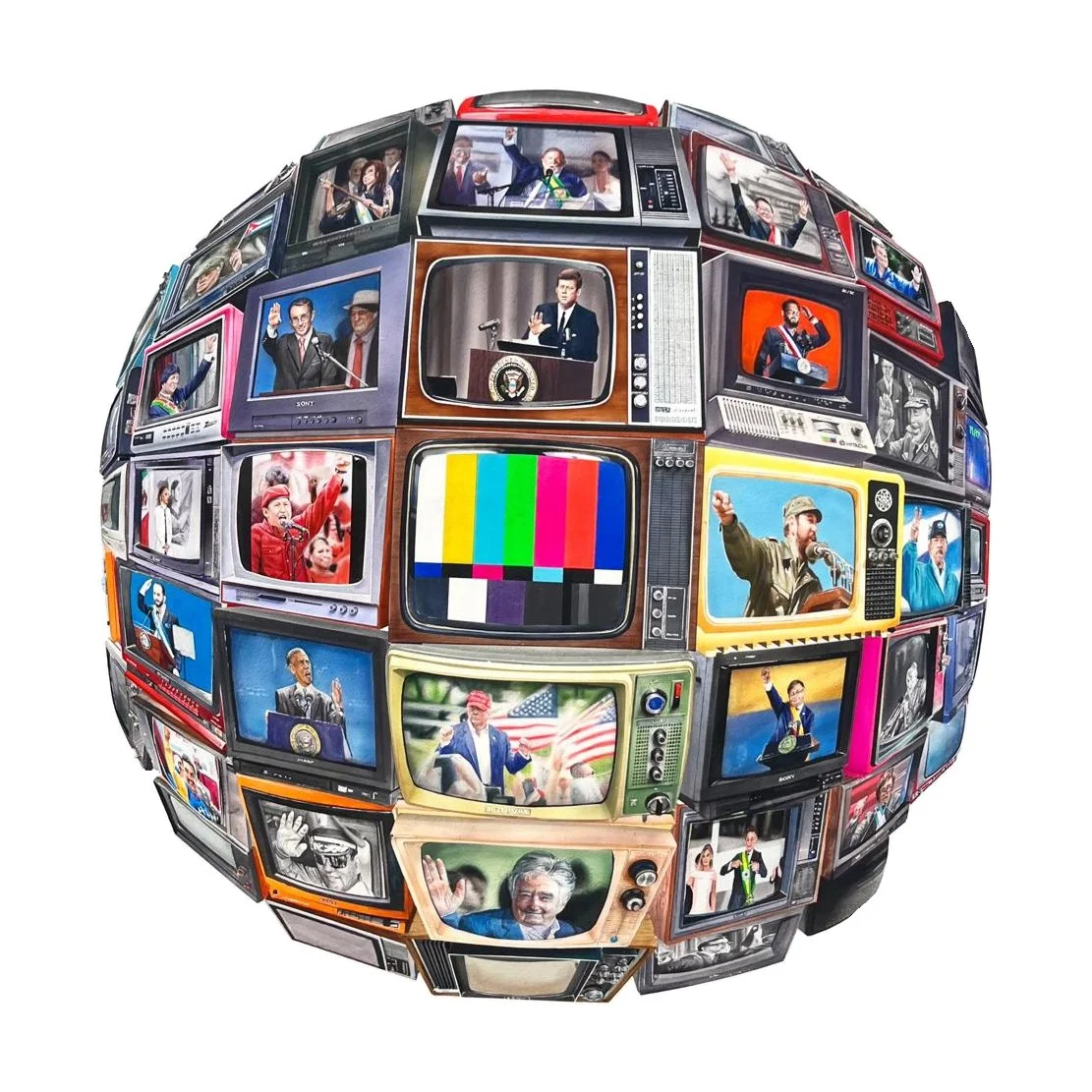
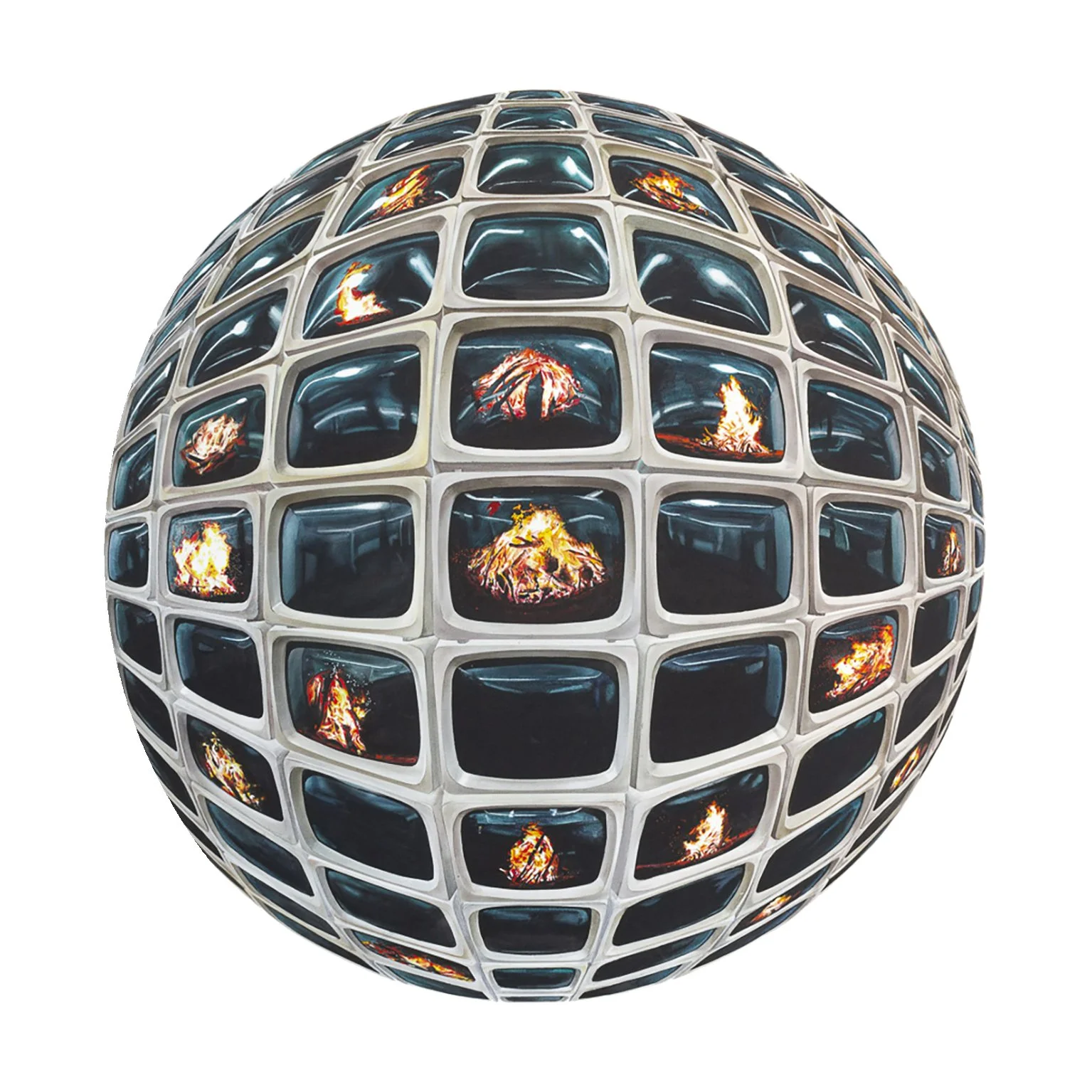
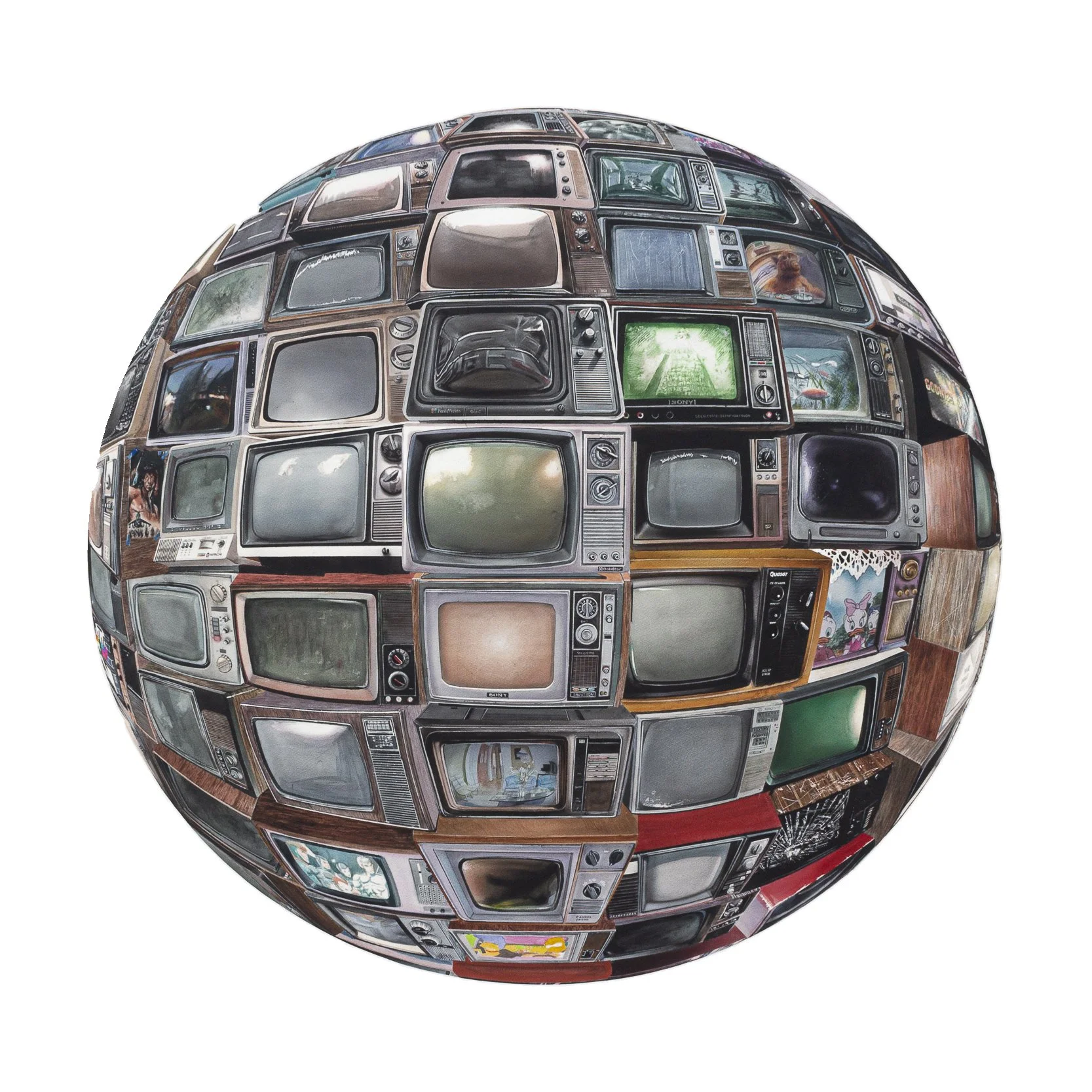
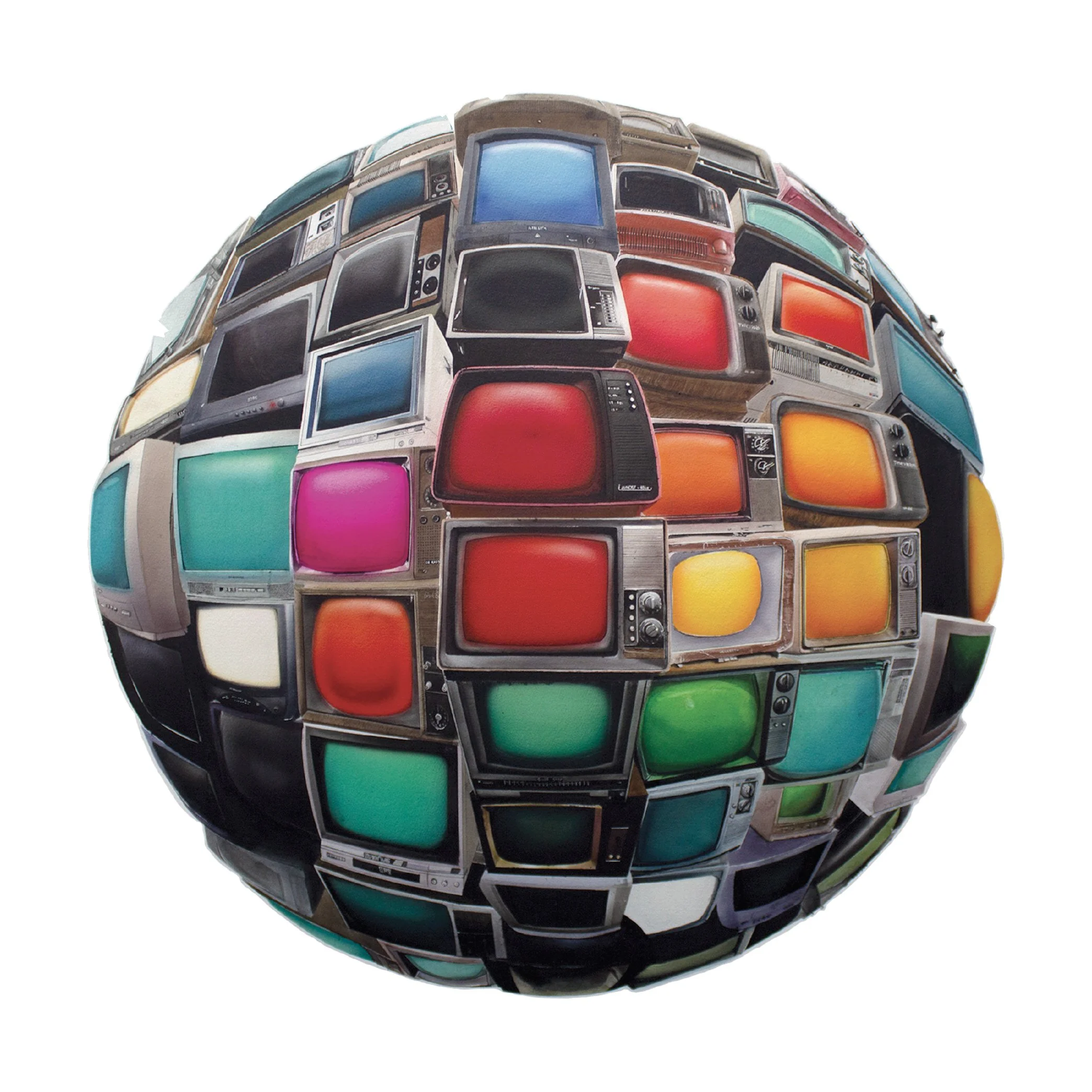
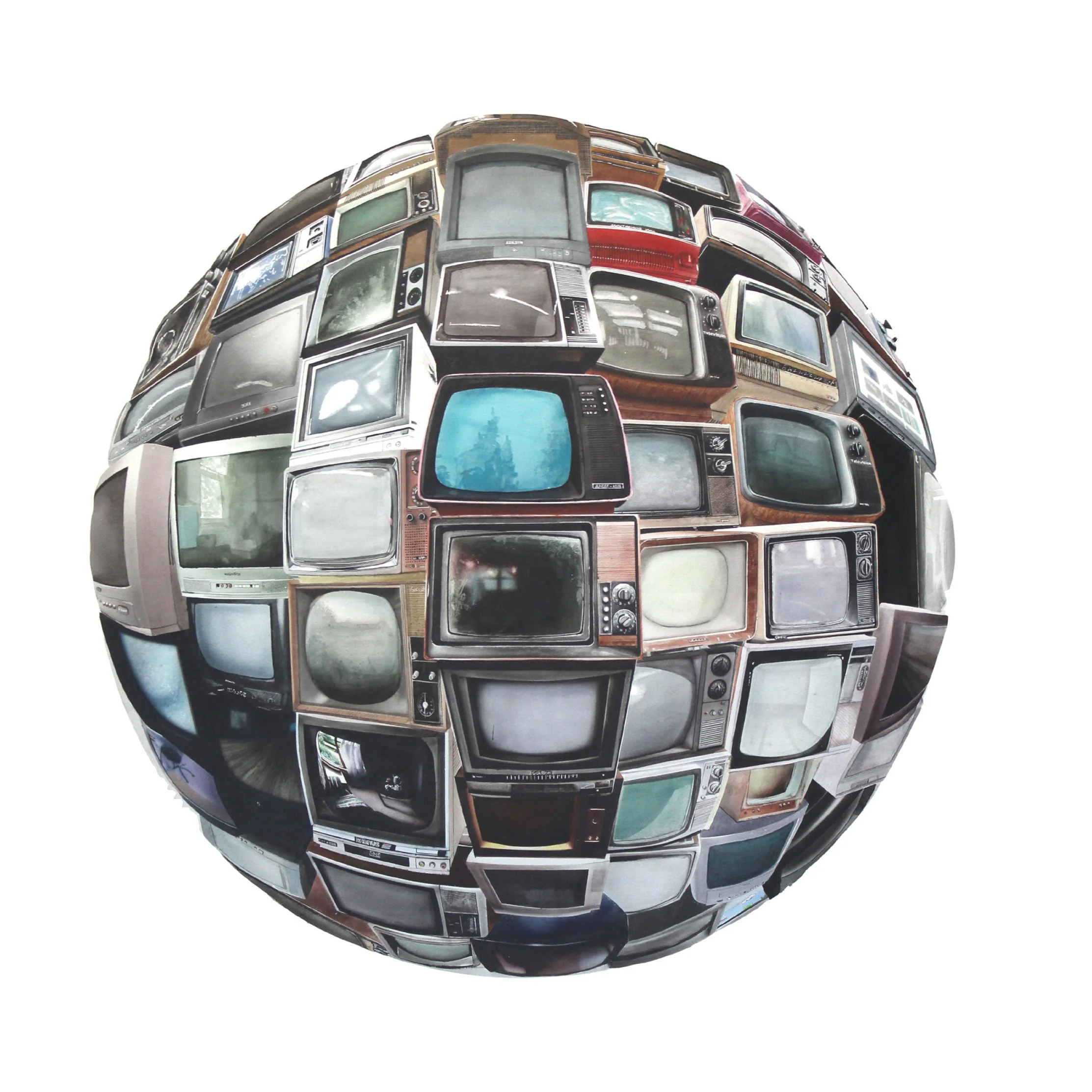
The first Panopticopías transform that structure into organisms made of televisions. Their spheres recall the compound eyes of certain insects: many surfaces facing different directions ultimately belong to a single body. Each screen contains a particular image and, brought together, they all construct a single field of vision.
From this emerges one of the paradoxes running through the series: multiplying images can create the illusion of multiplying perspectives. Visual abundance promises breadth and diversity. Yet images can circulate within similar structures, repeat and reinforce one another, and ultimately construct shared ways of interpreting reality. The larger the visible field, the harder it may become to recognize the structure organizing it.
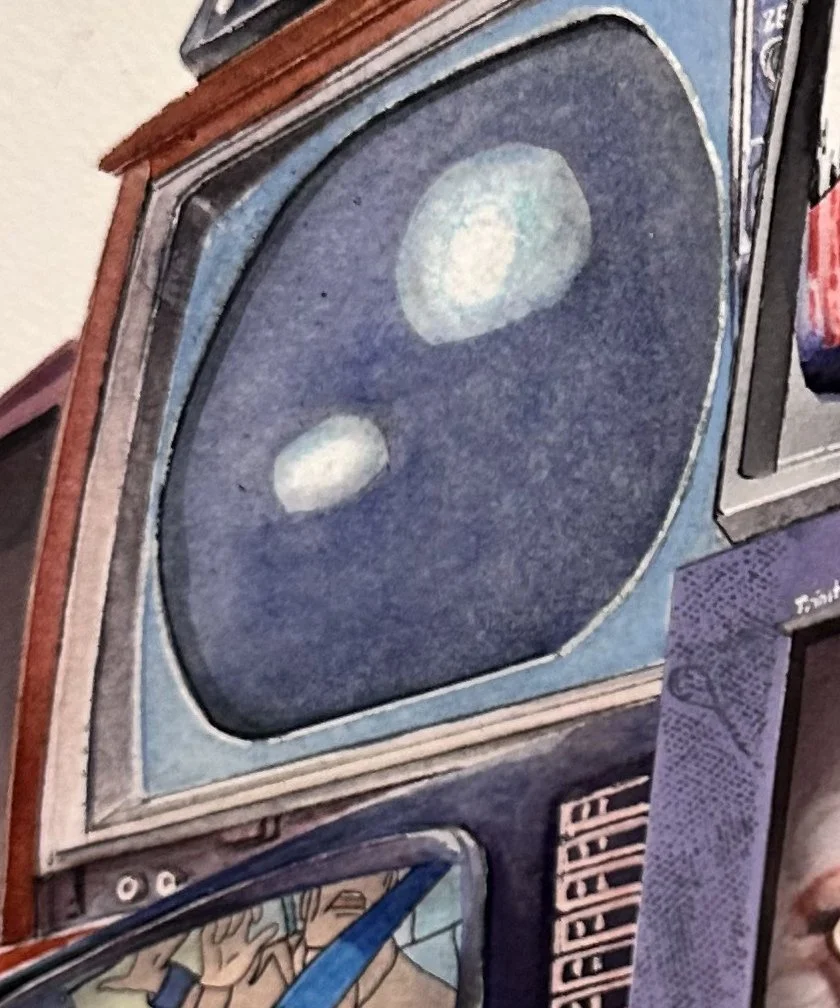
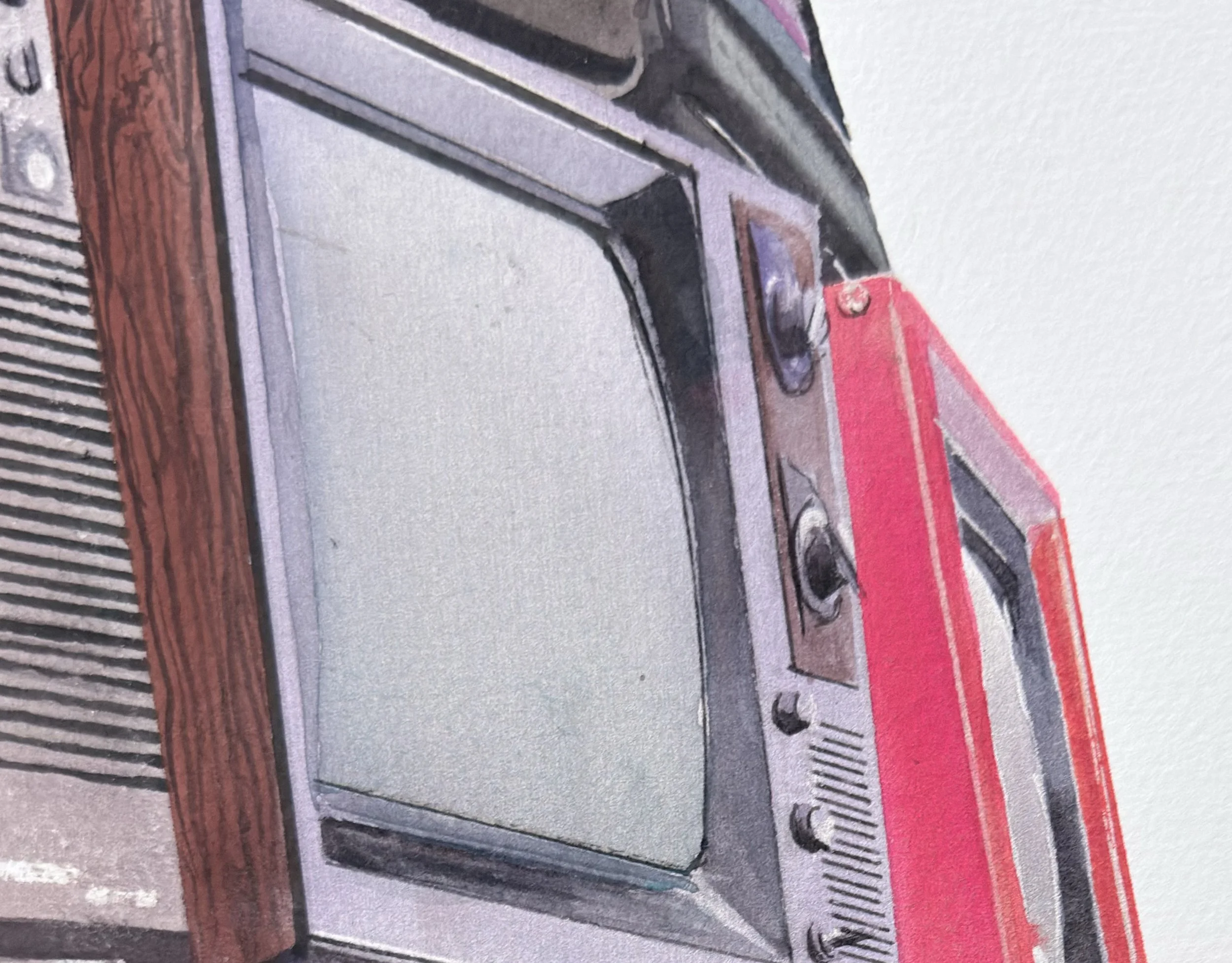
The spheres also introduce an ambiguity. Facing them, the viewer observes an accumulation of screens that takes on the appearance of an organism capable of returning their gaze. The television becomes screen, eye, object, and archive simultaneously.
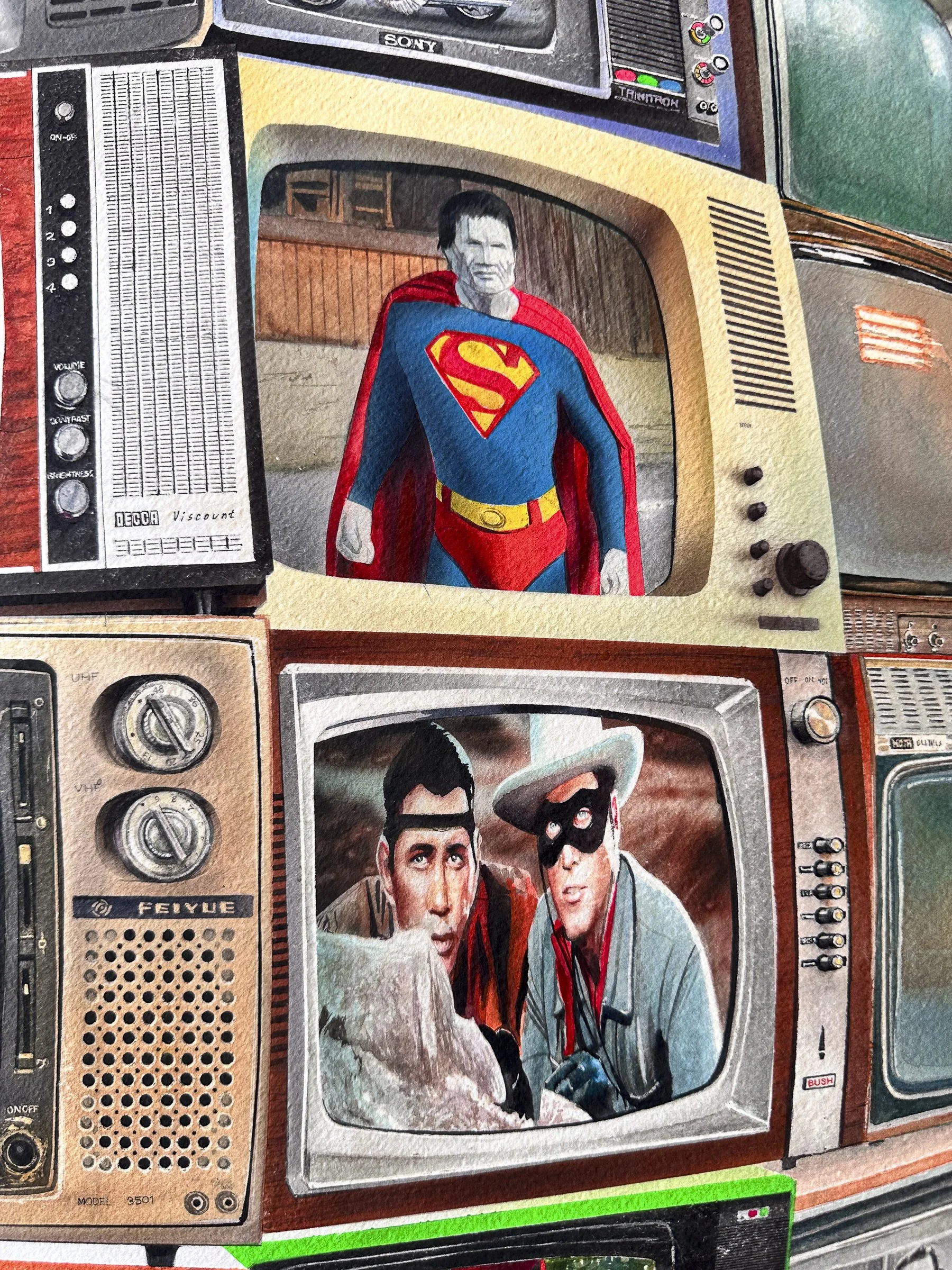
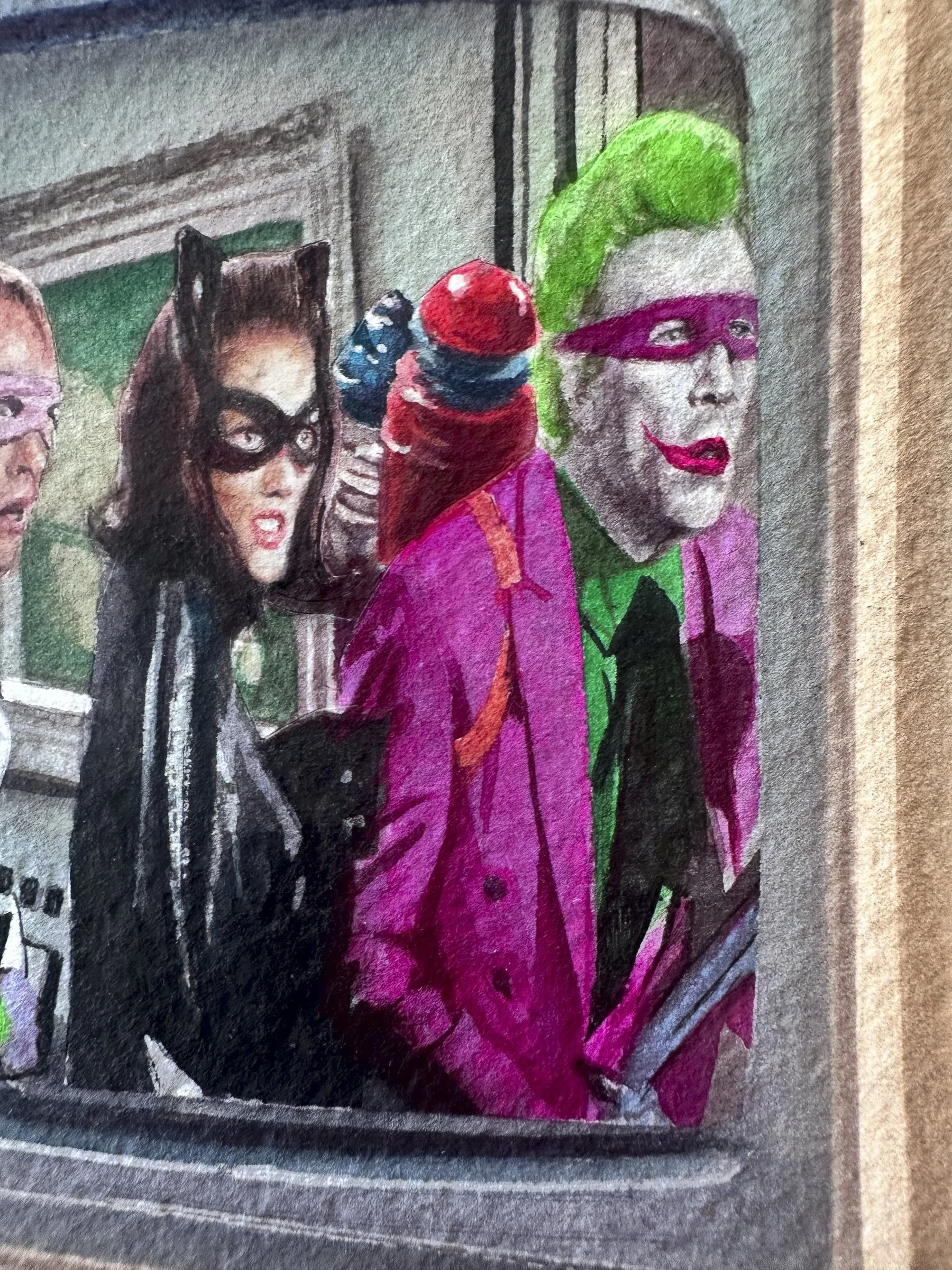
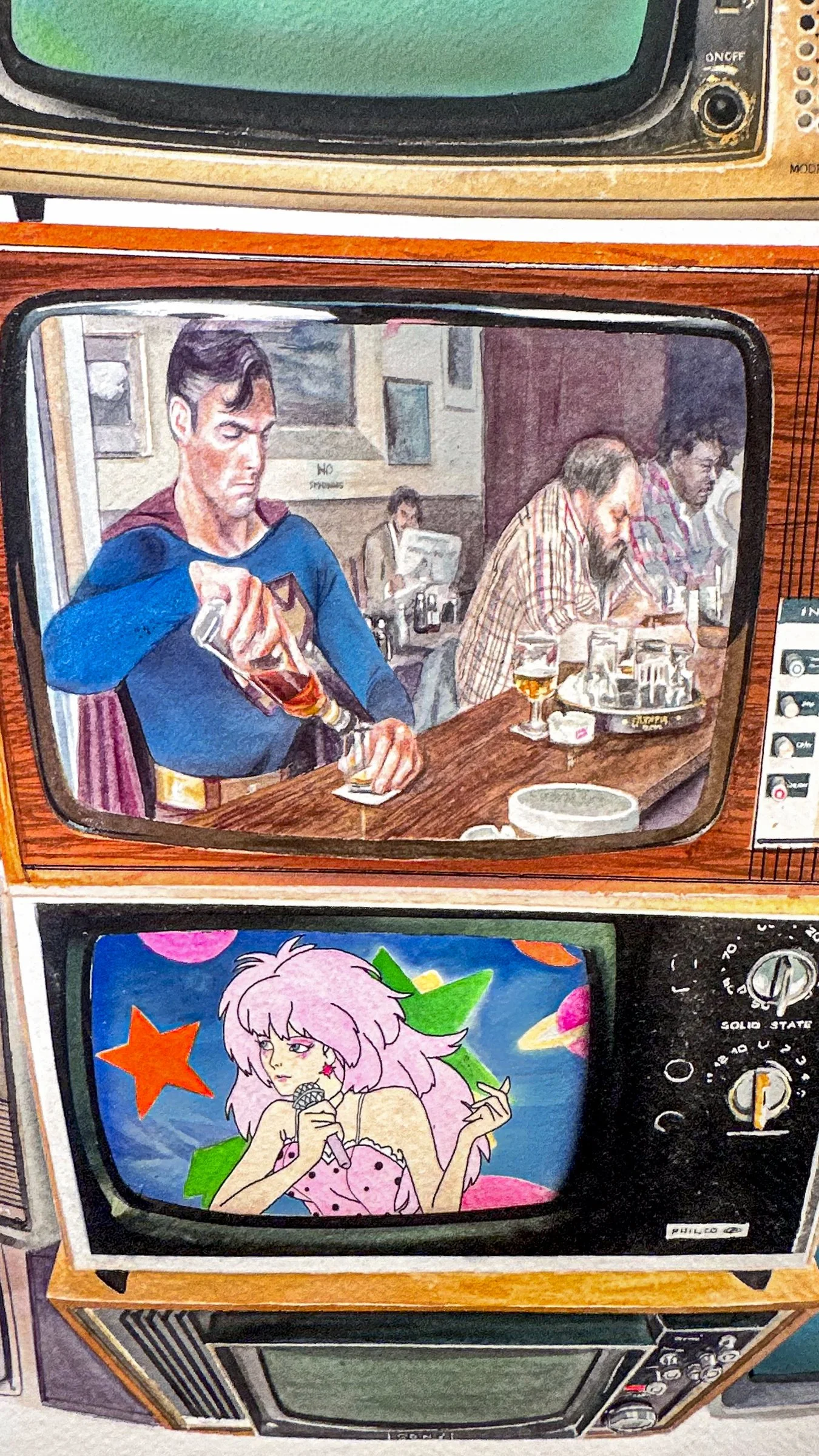
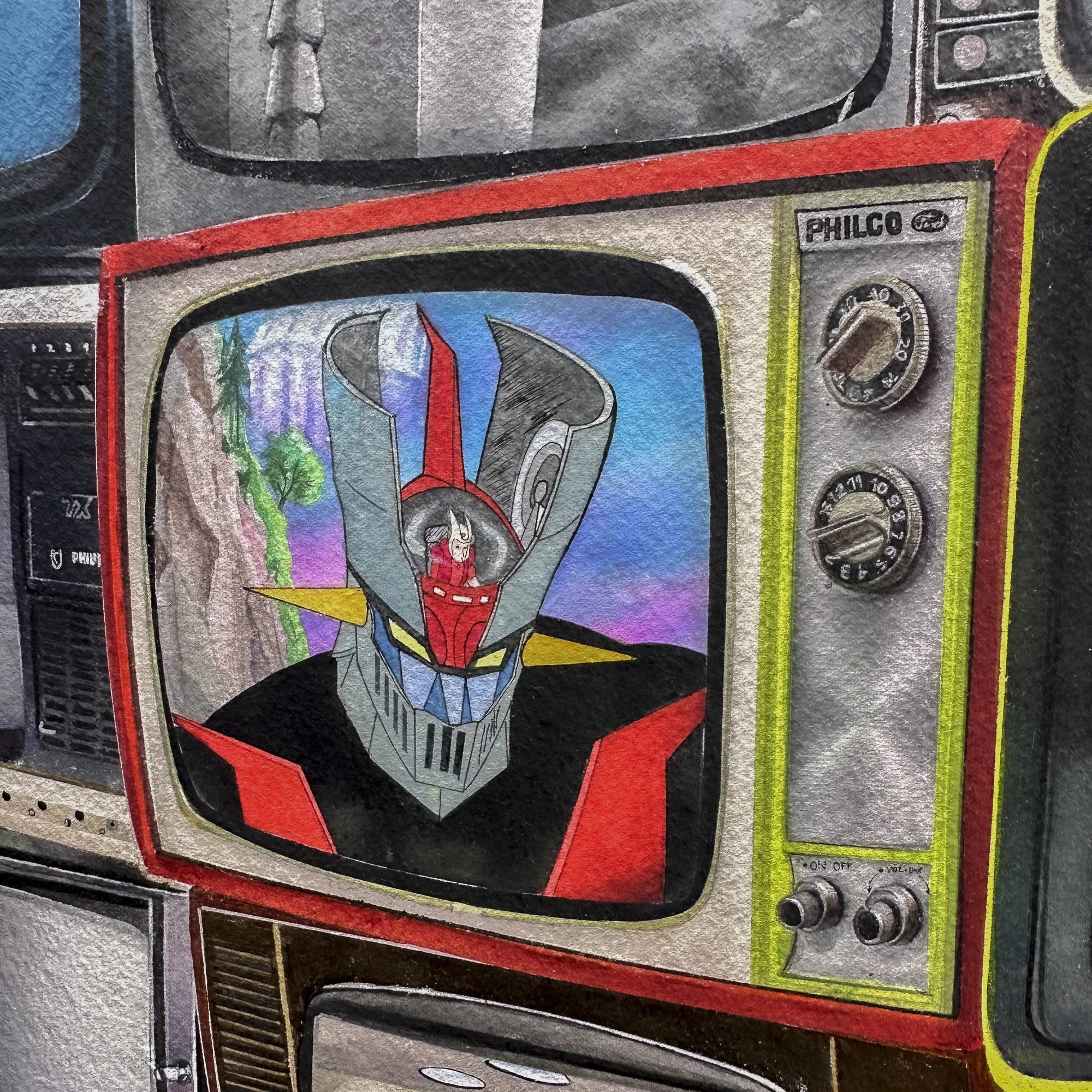
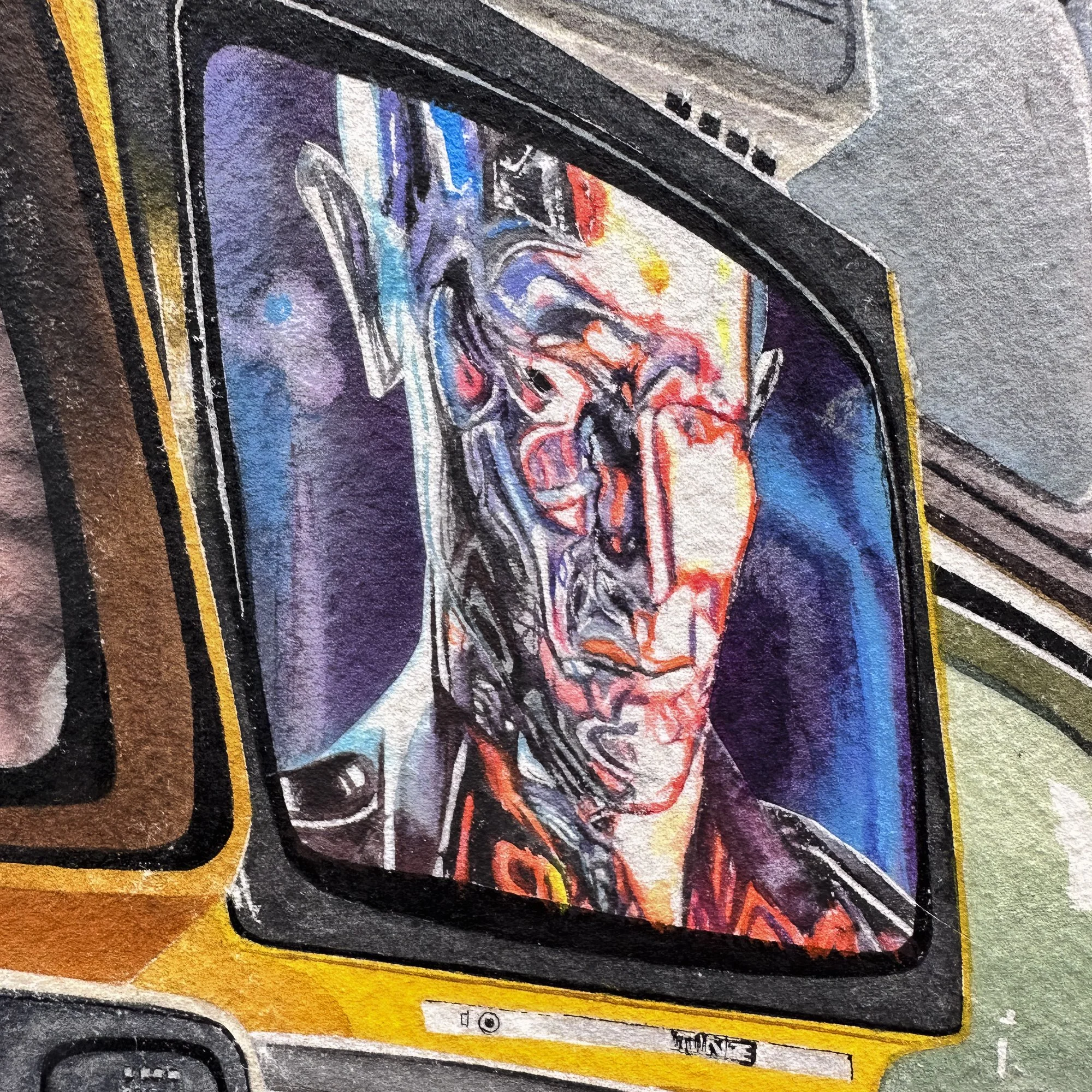
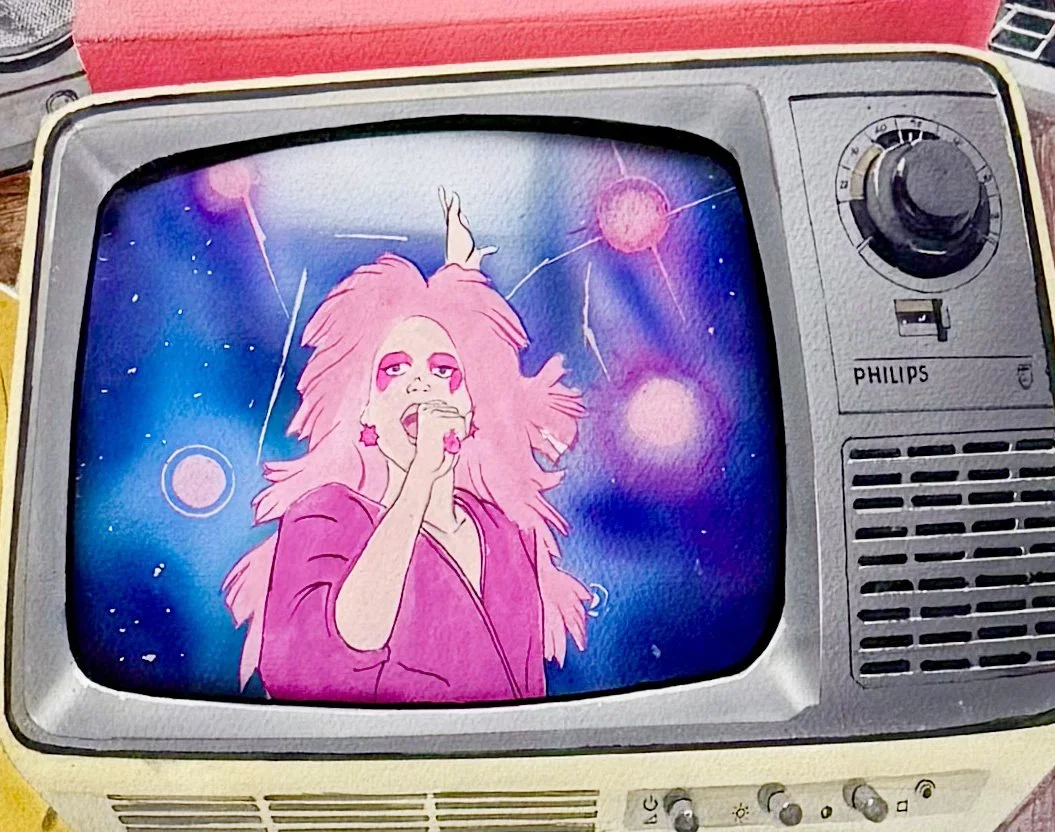
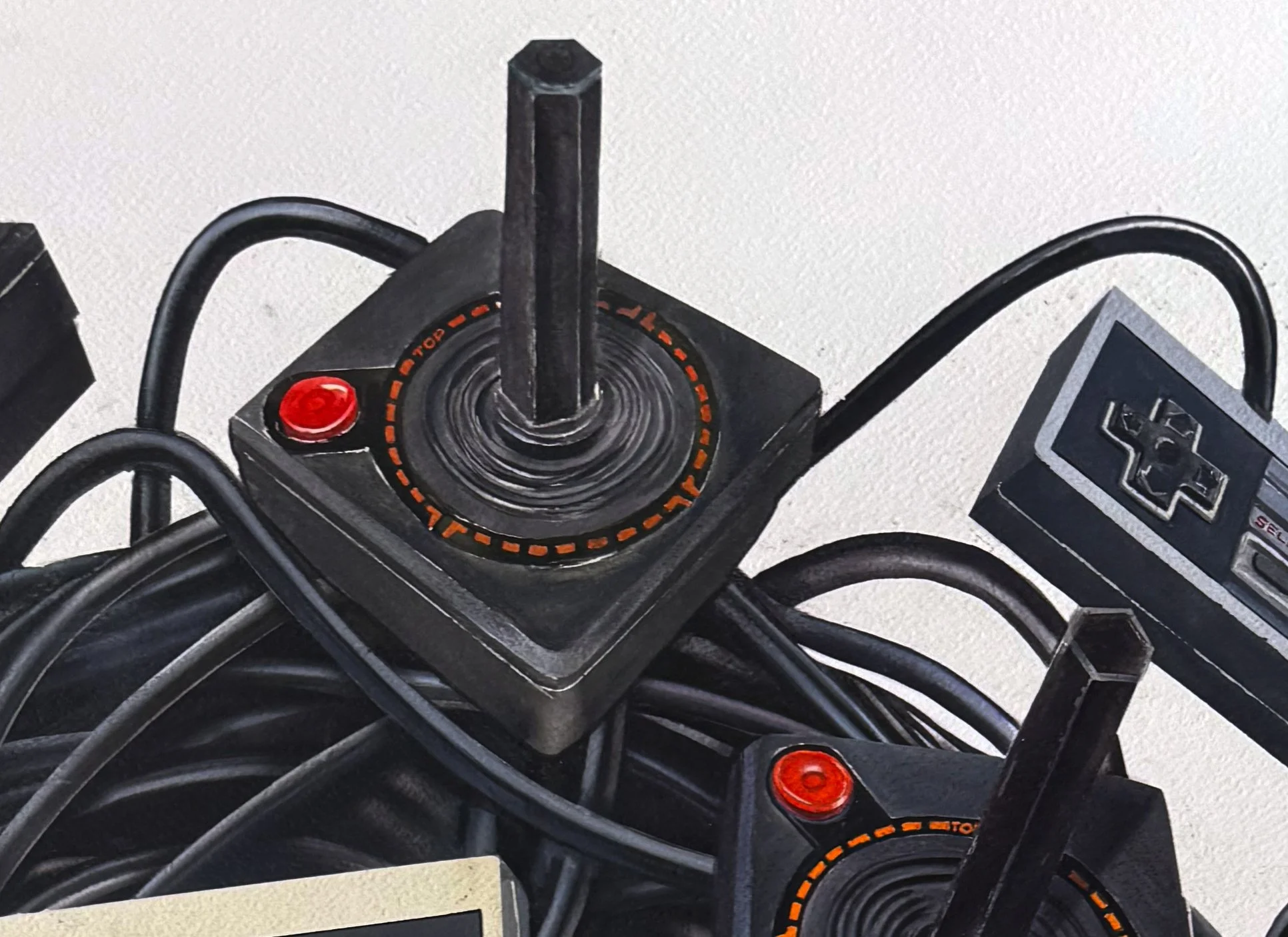
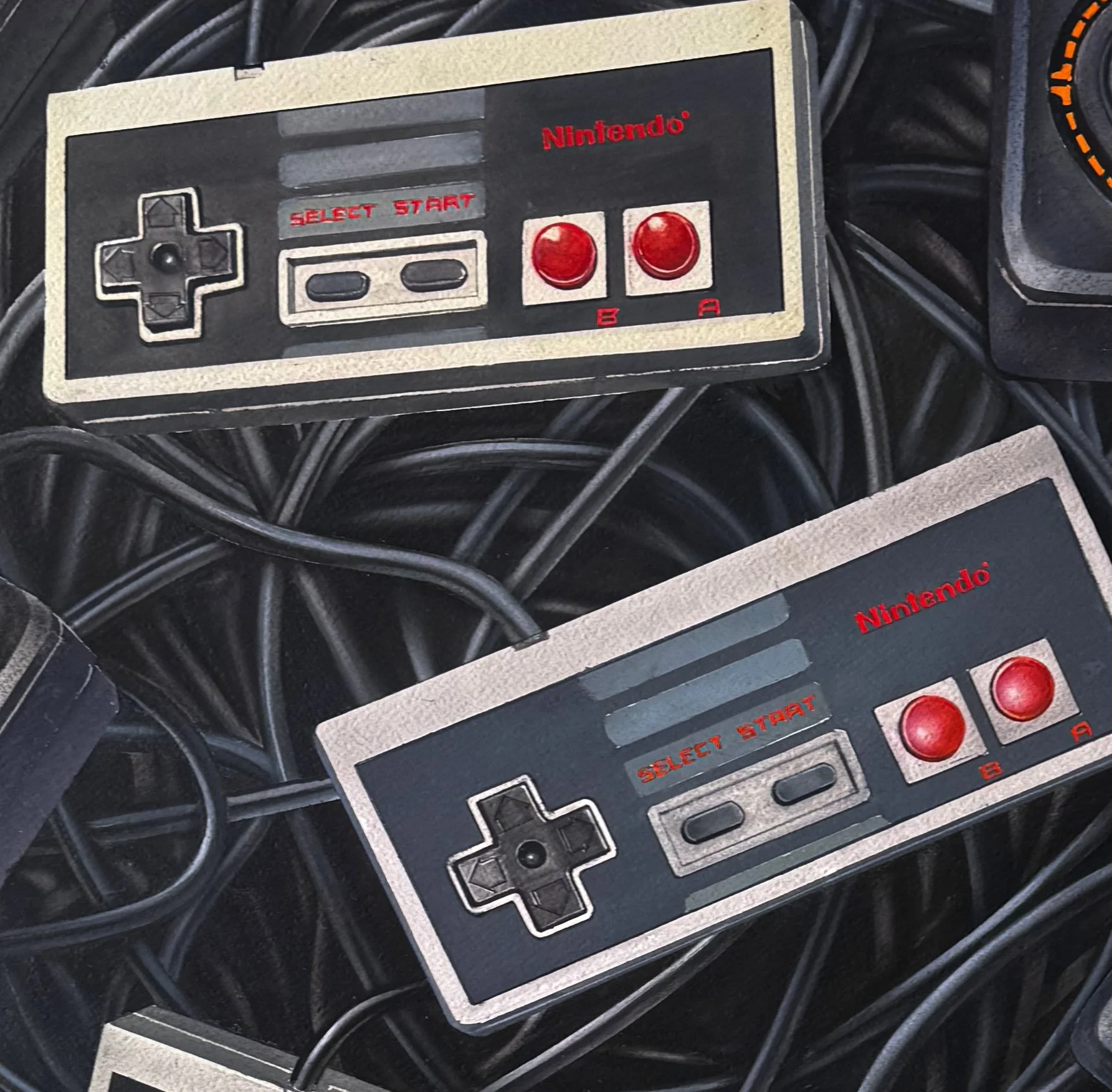
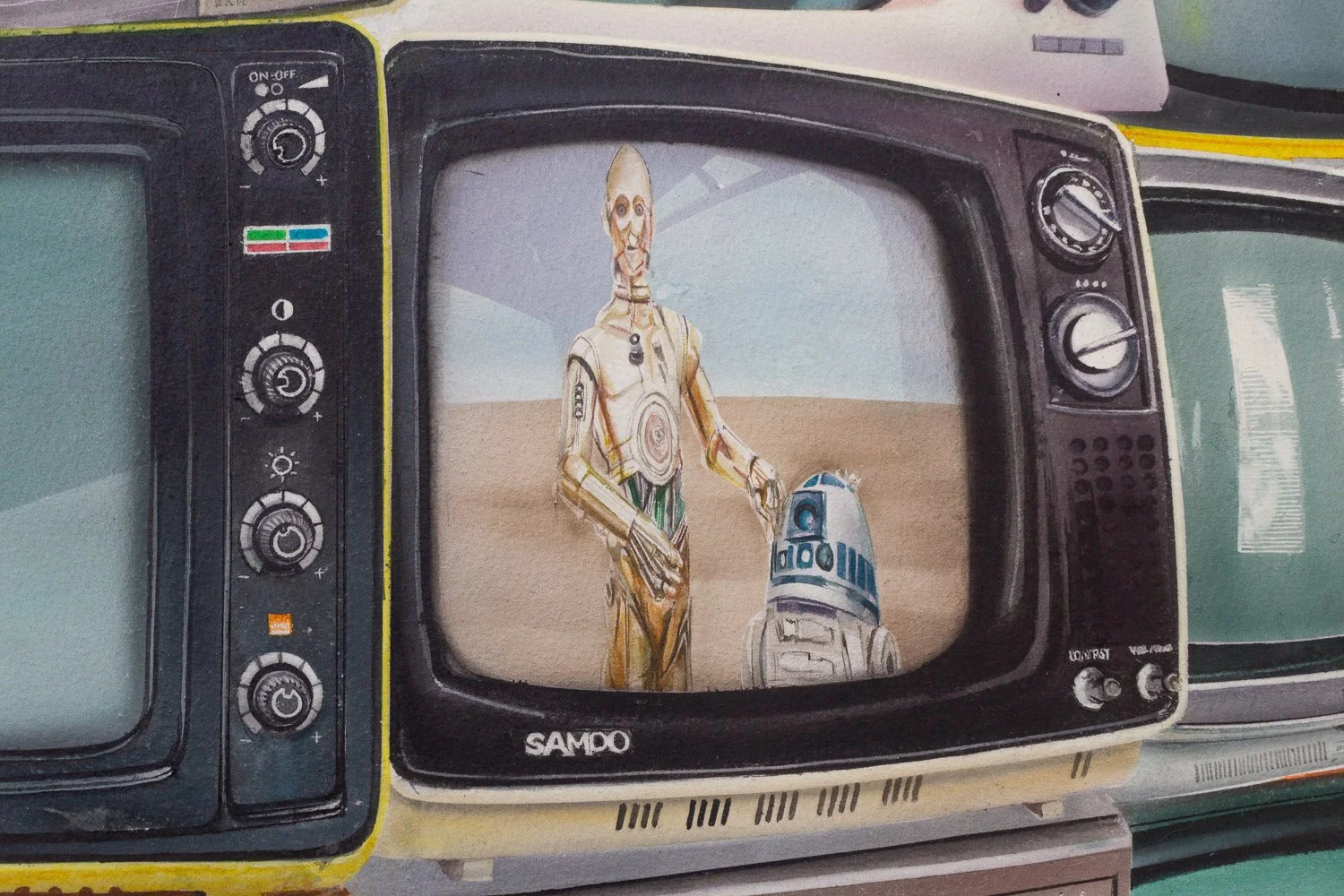
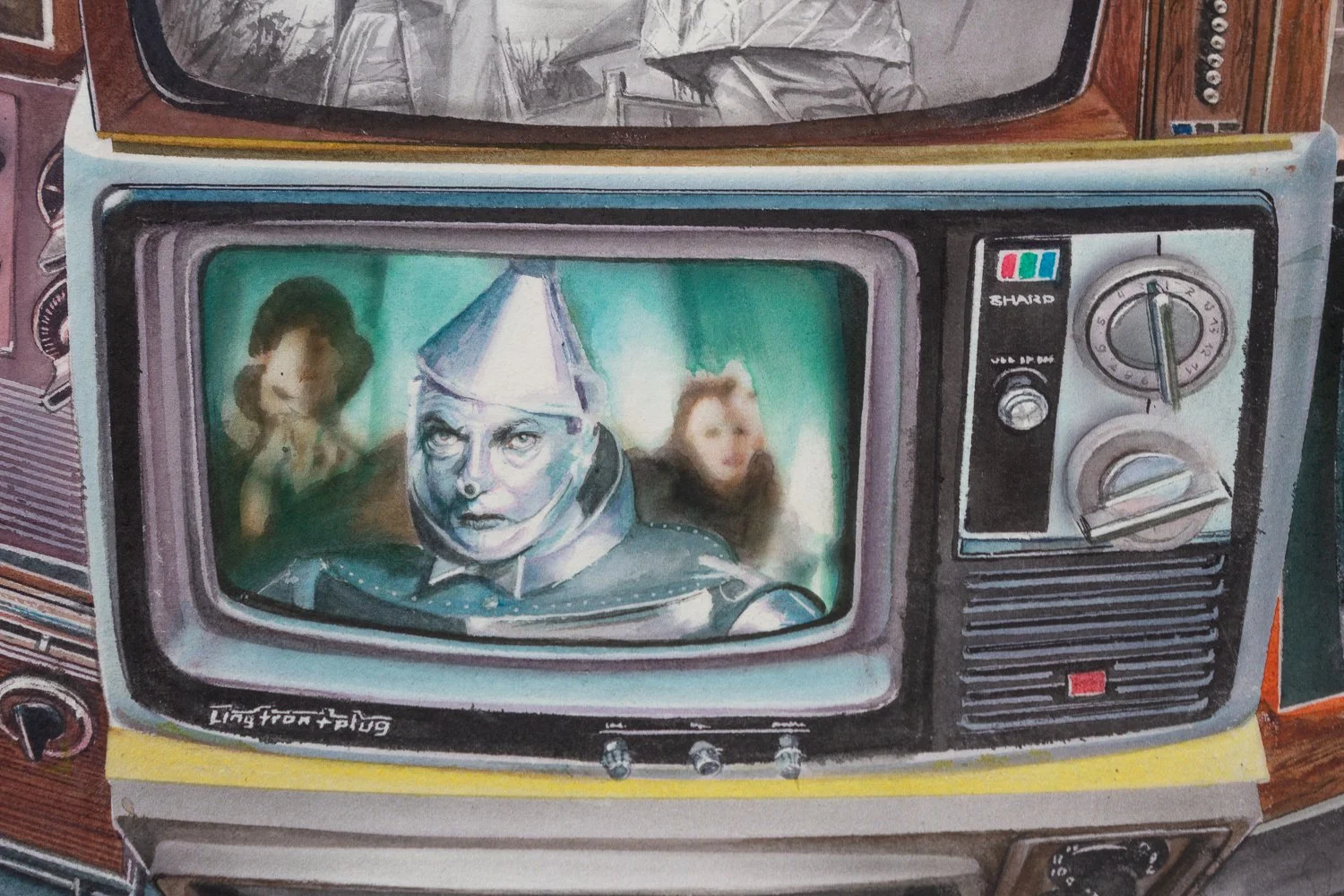
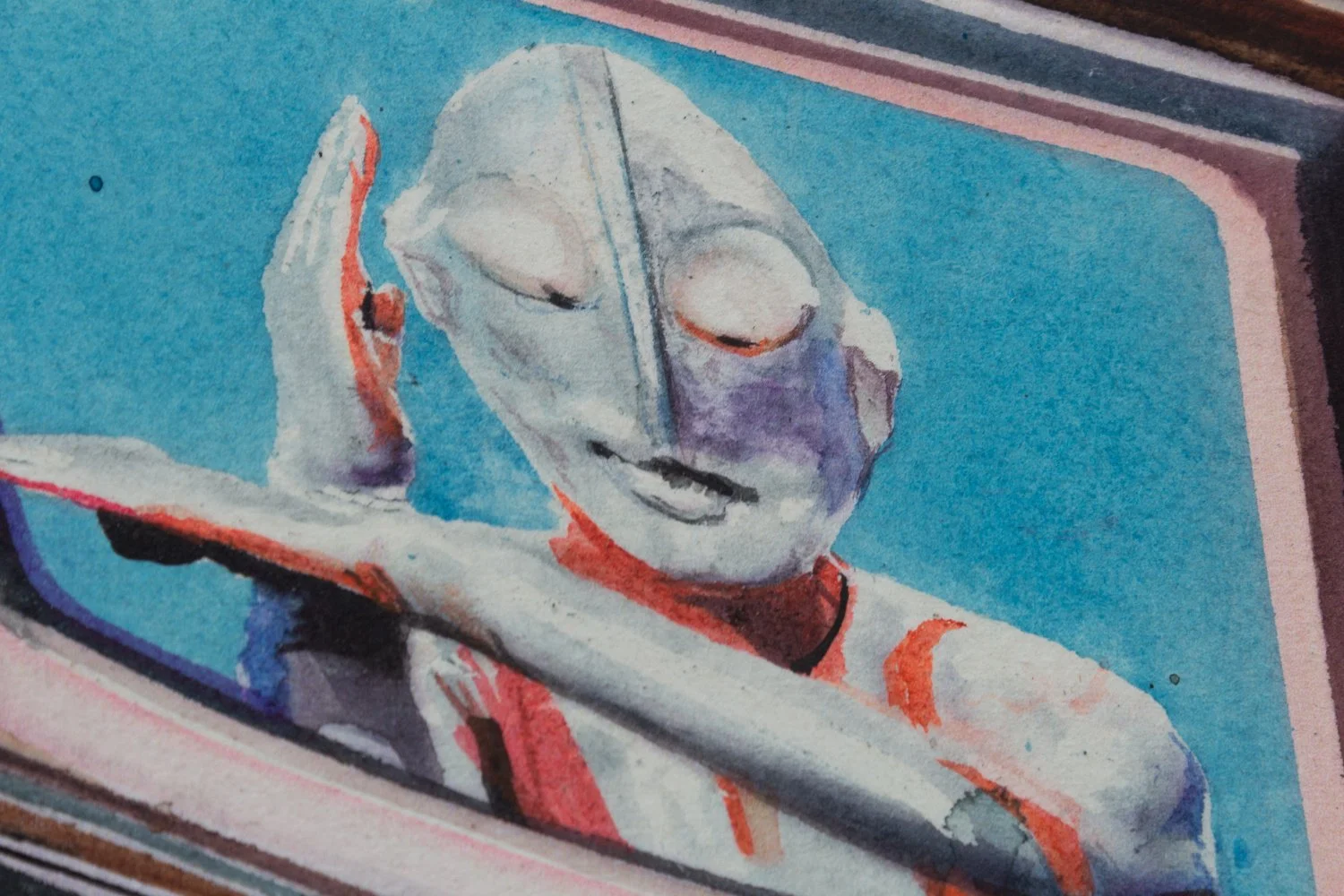
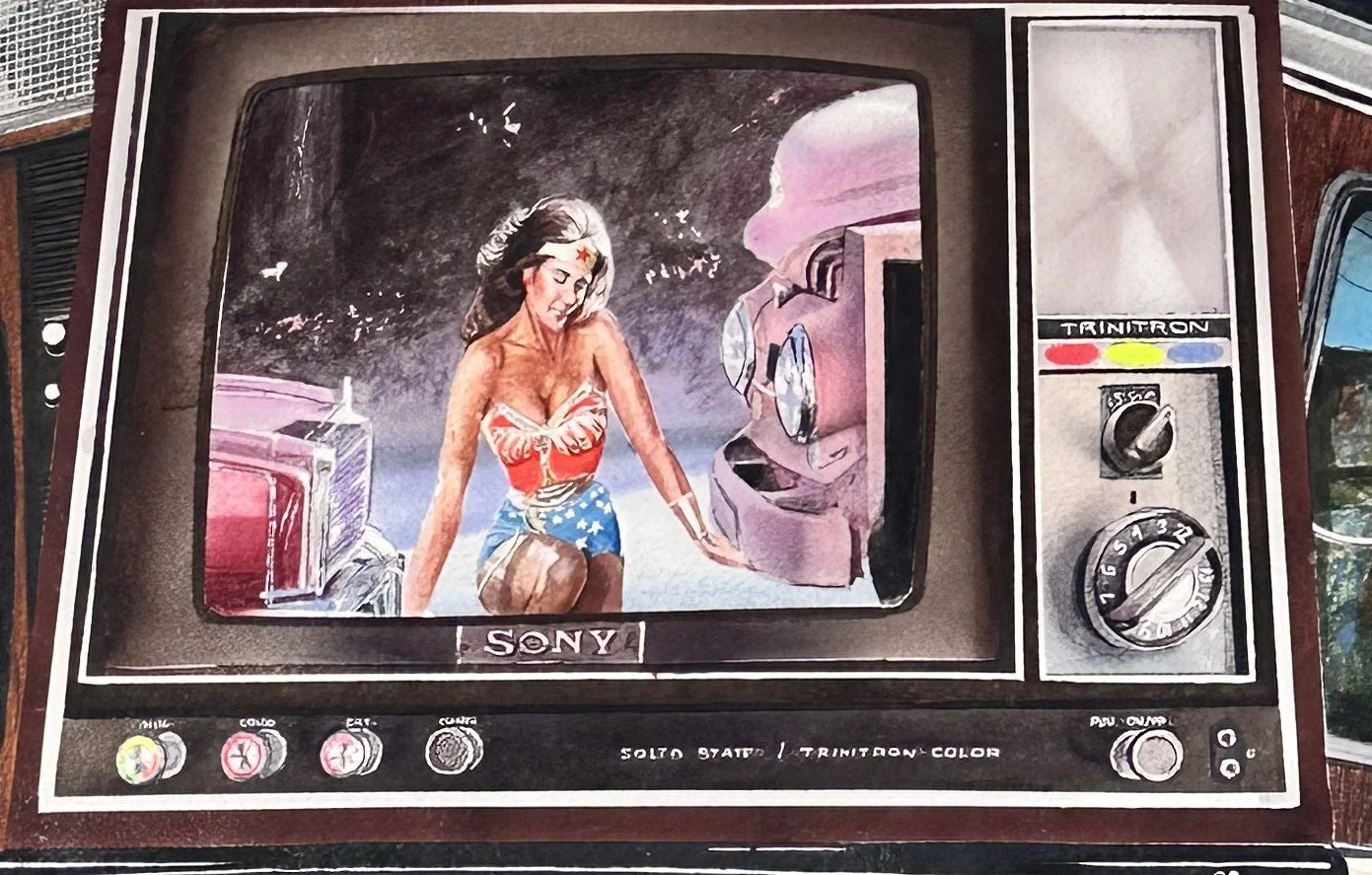
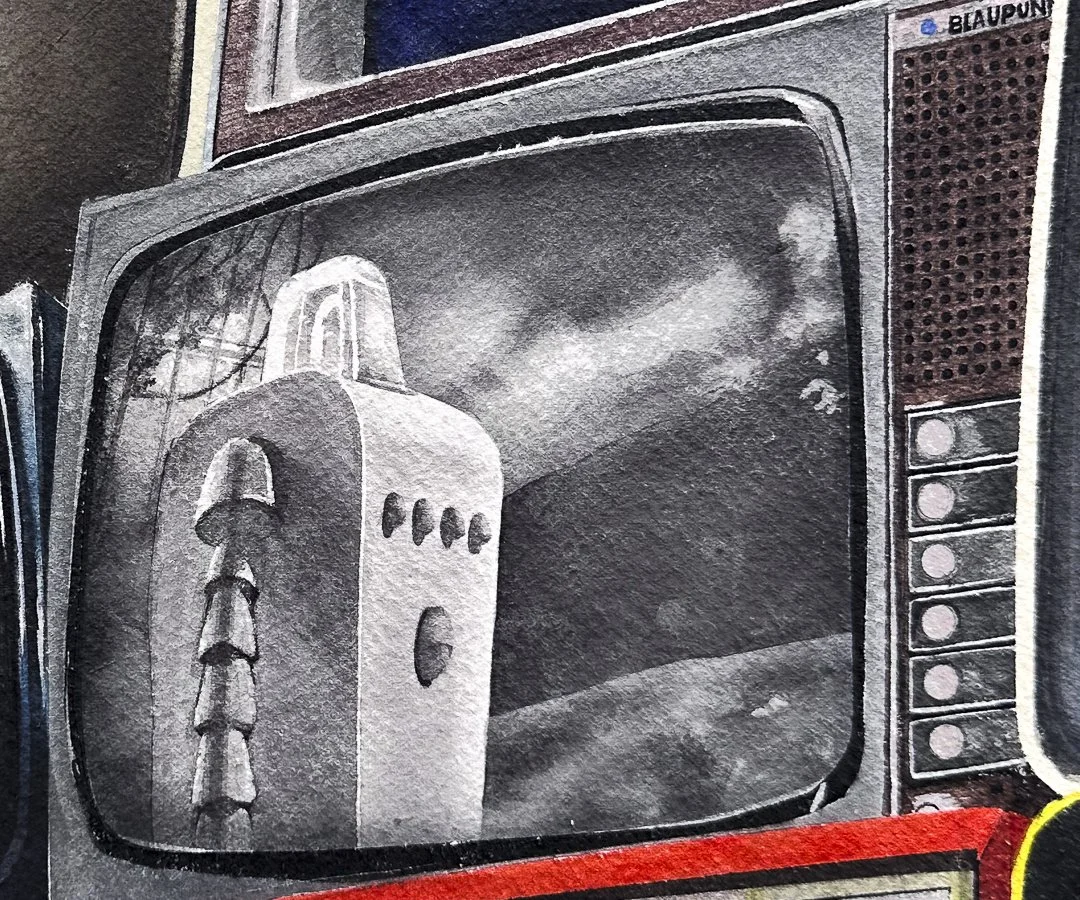
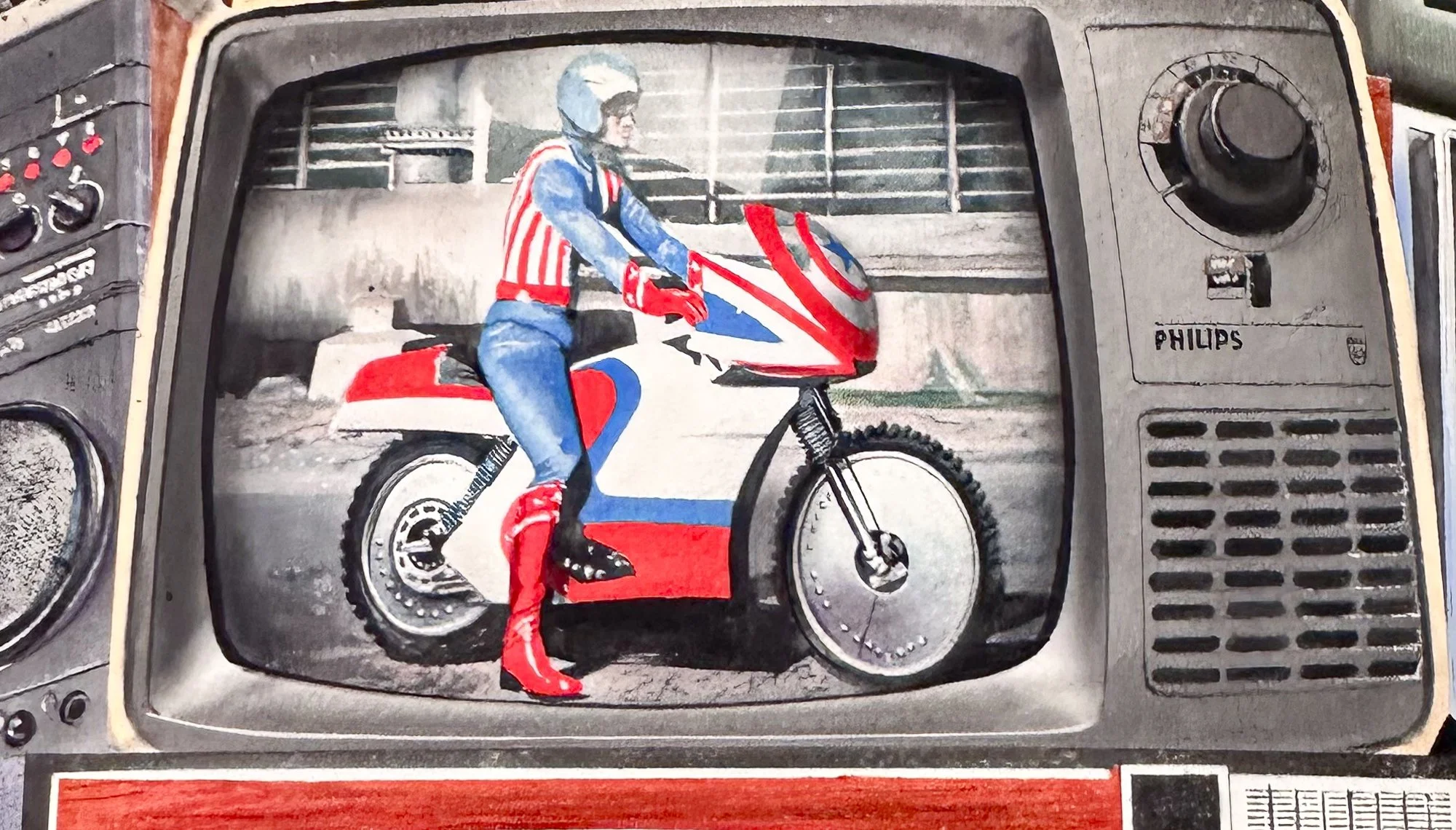
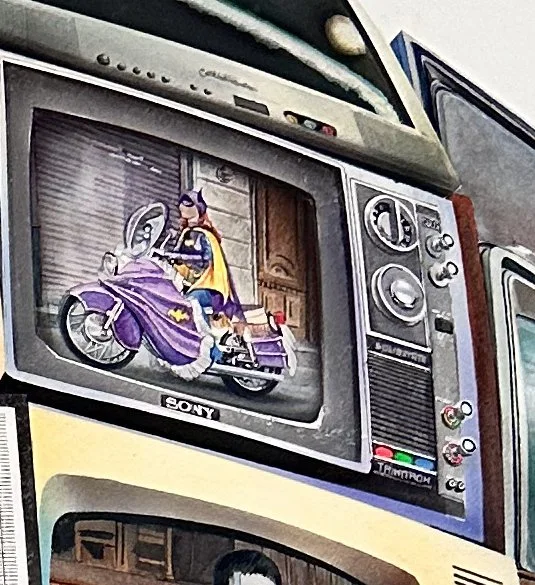
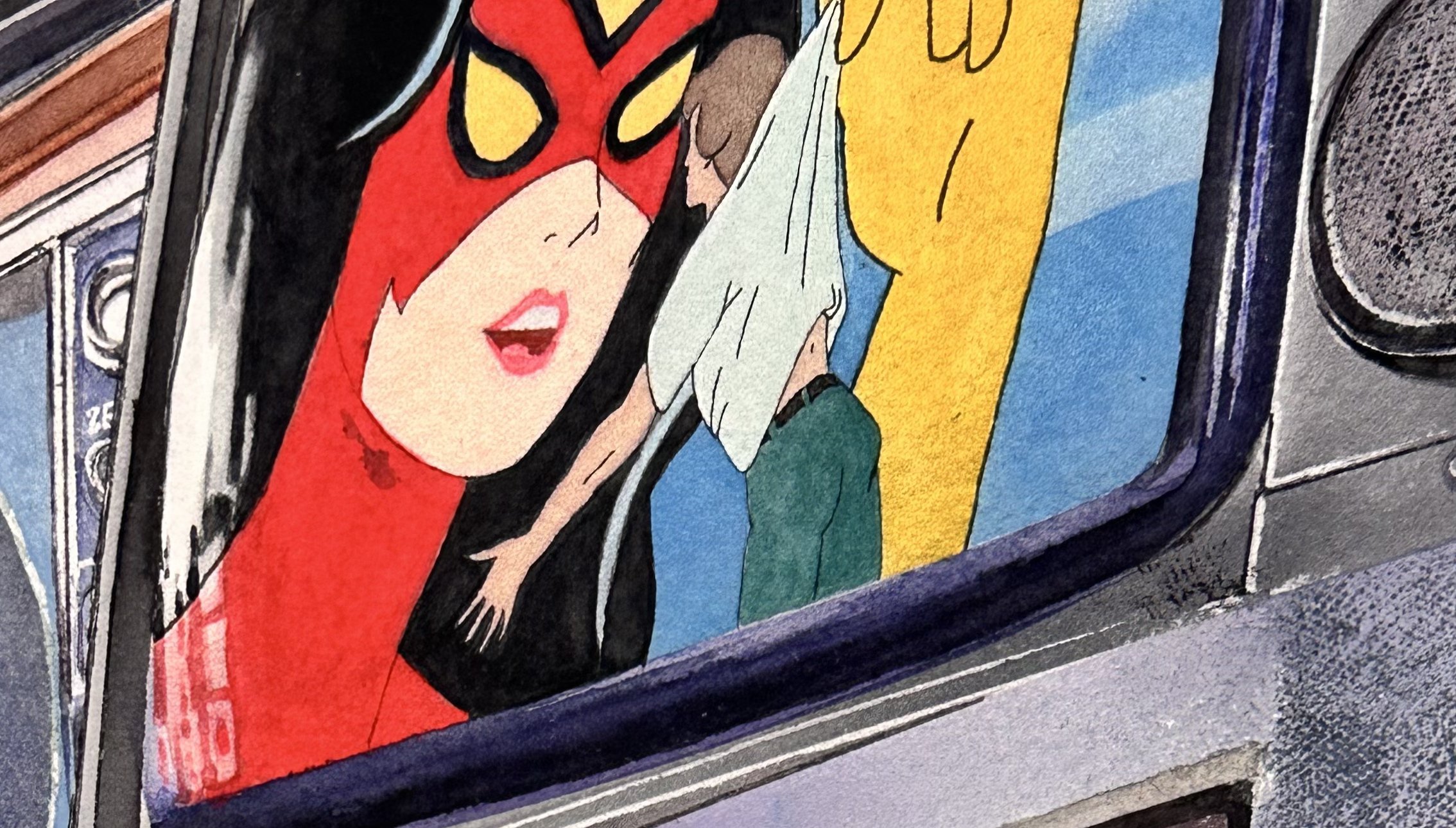
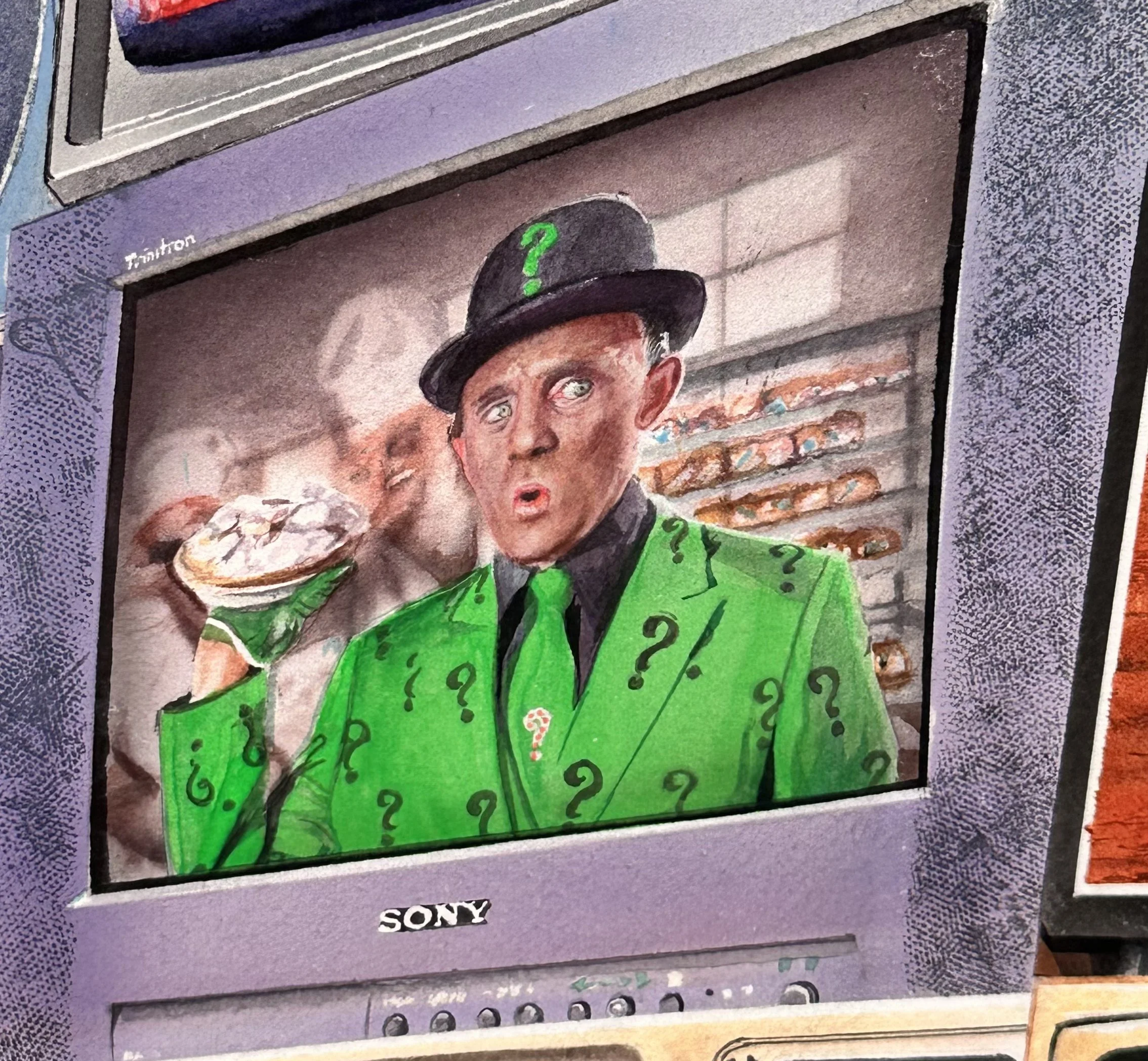
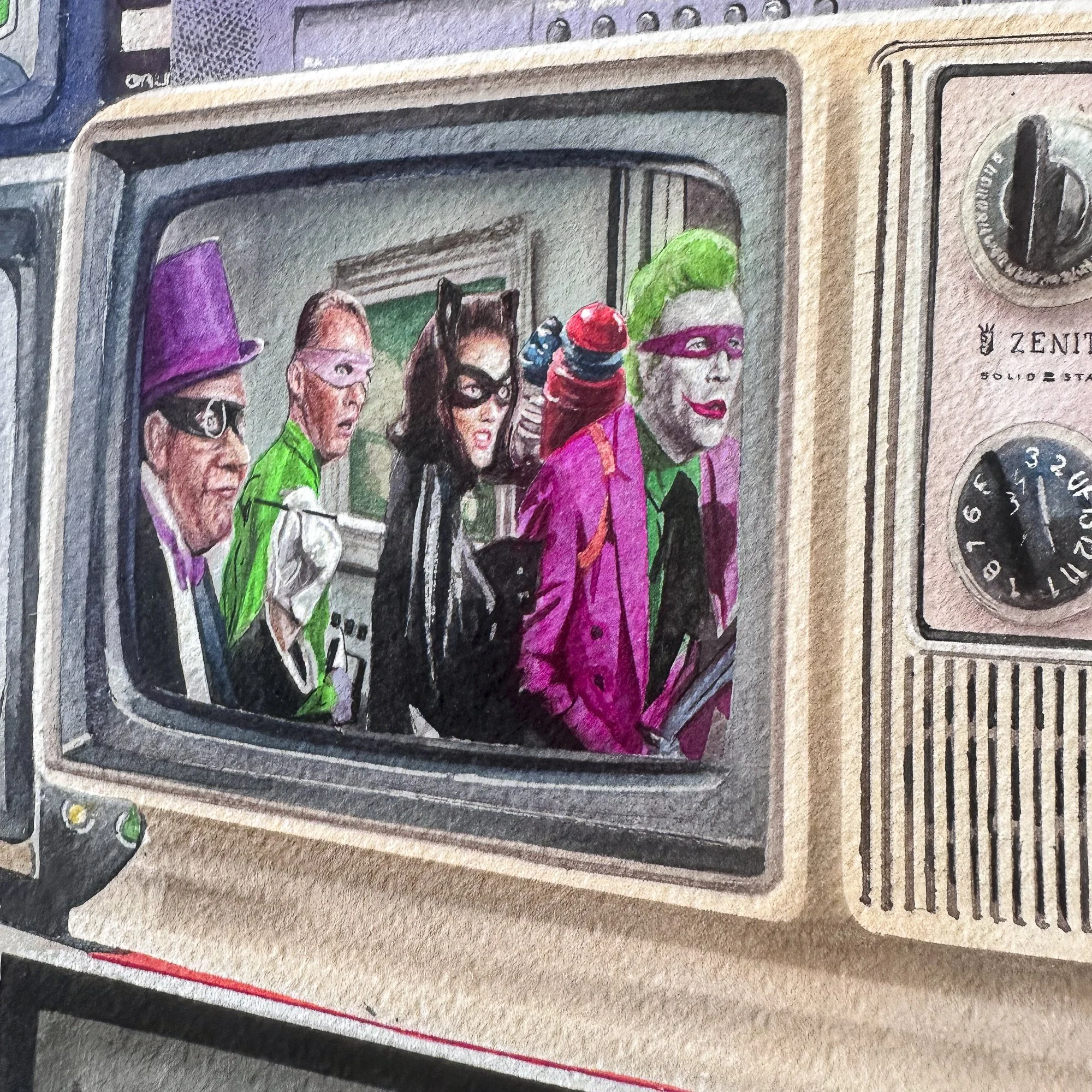
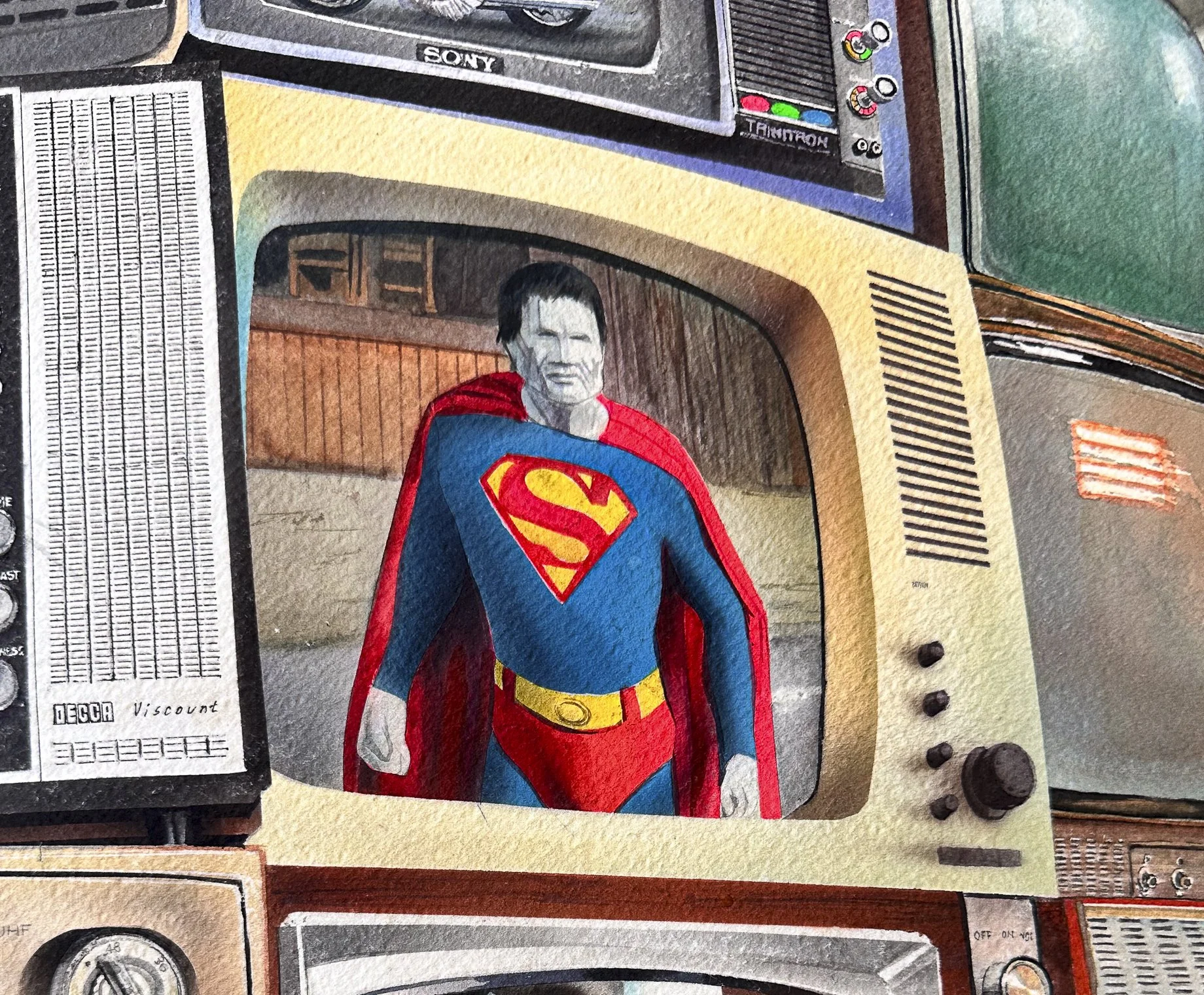
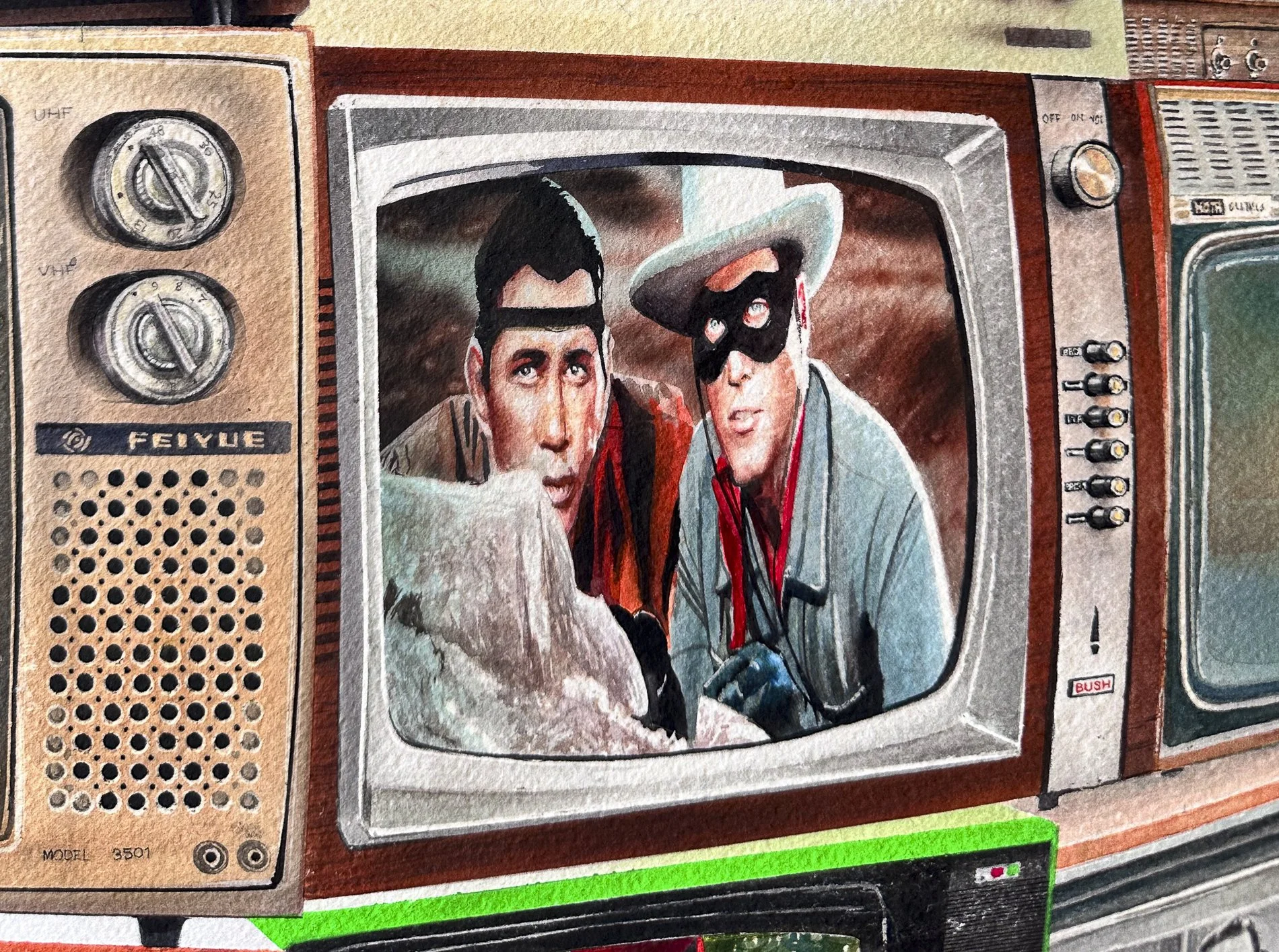
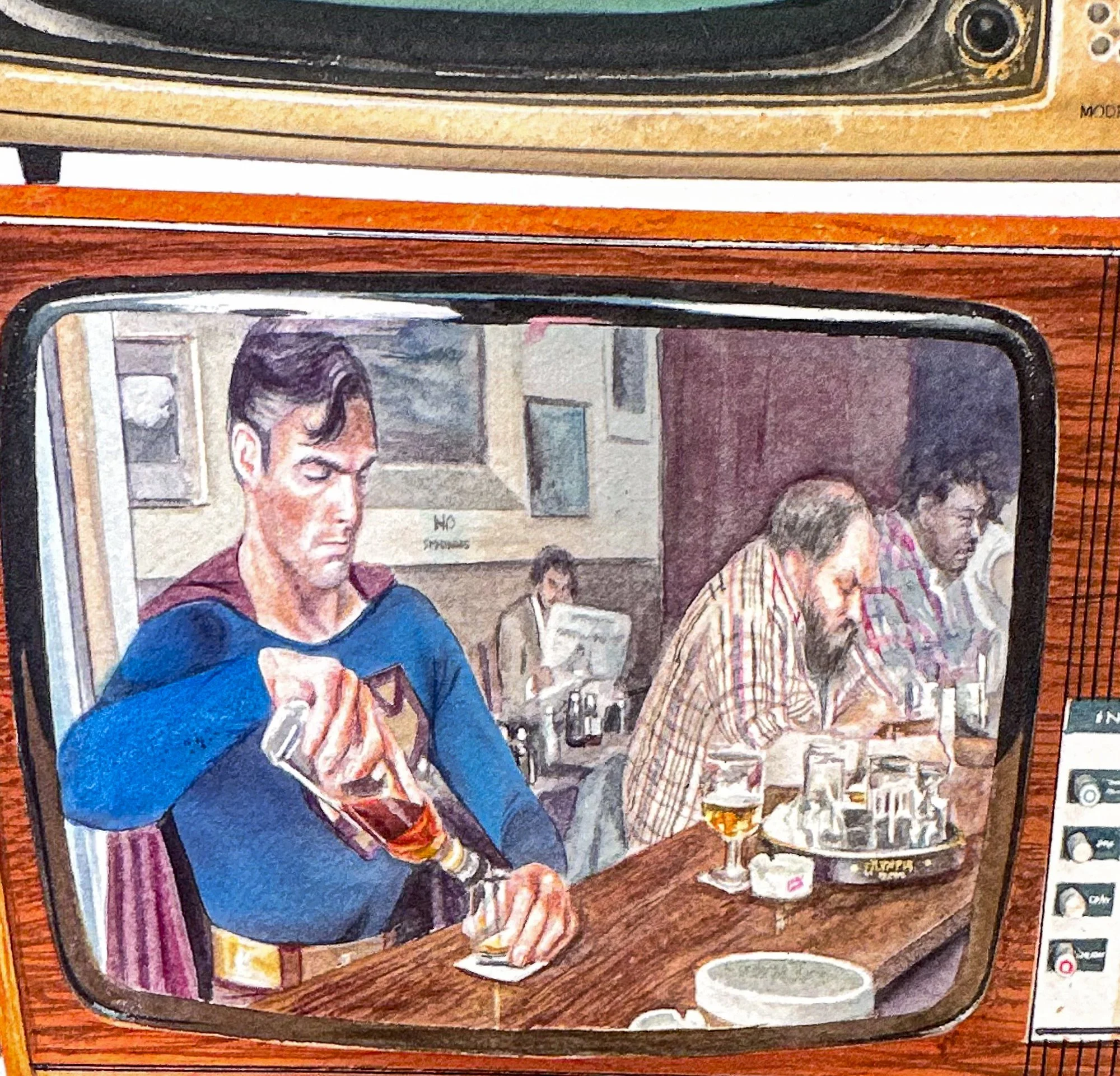
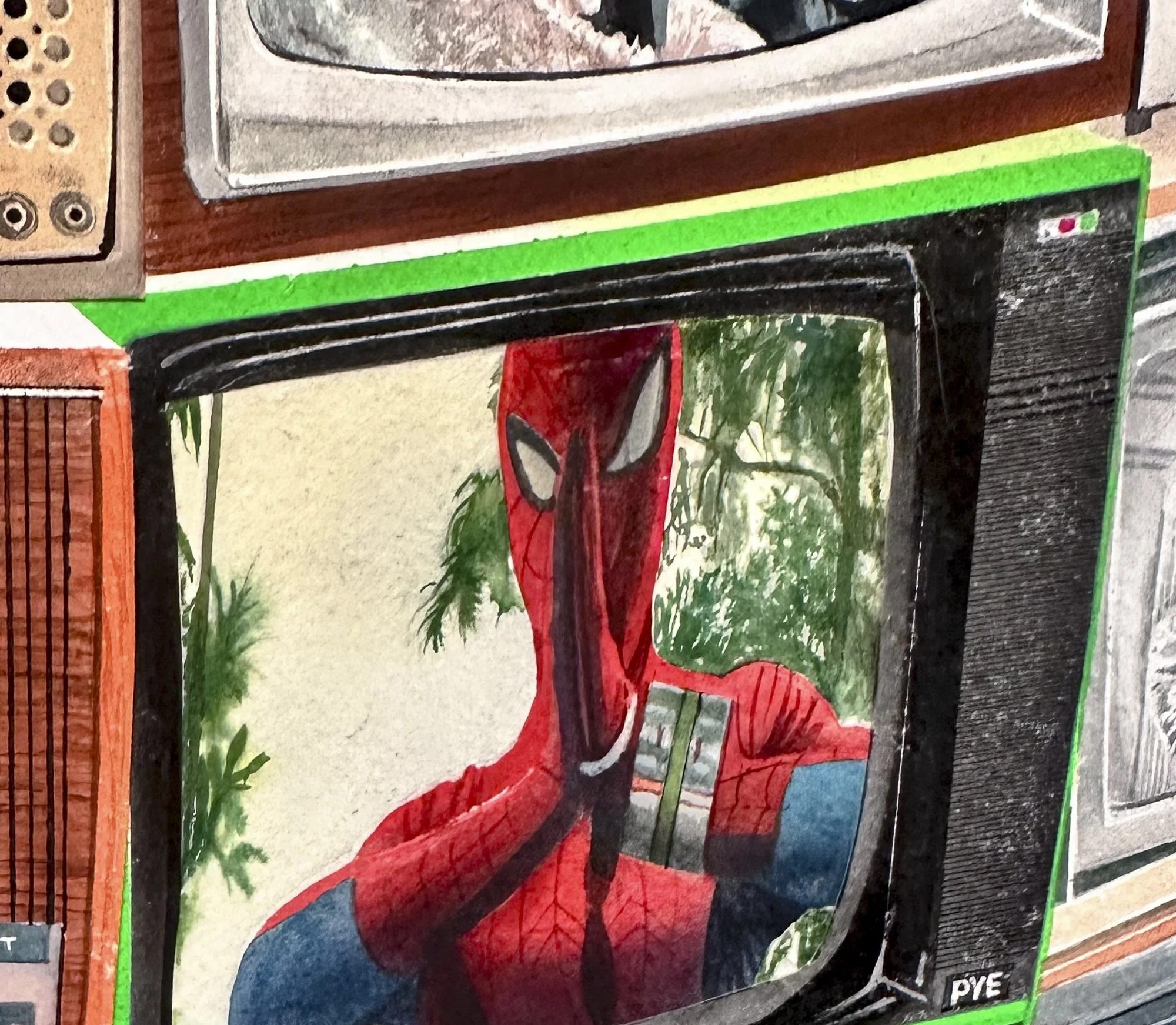
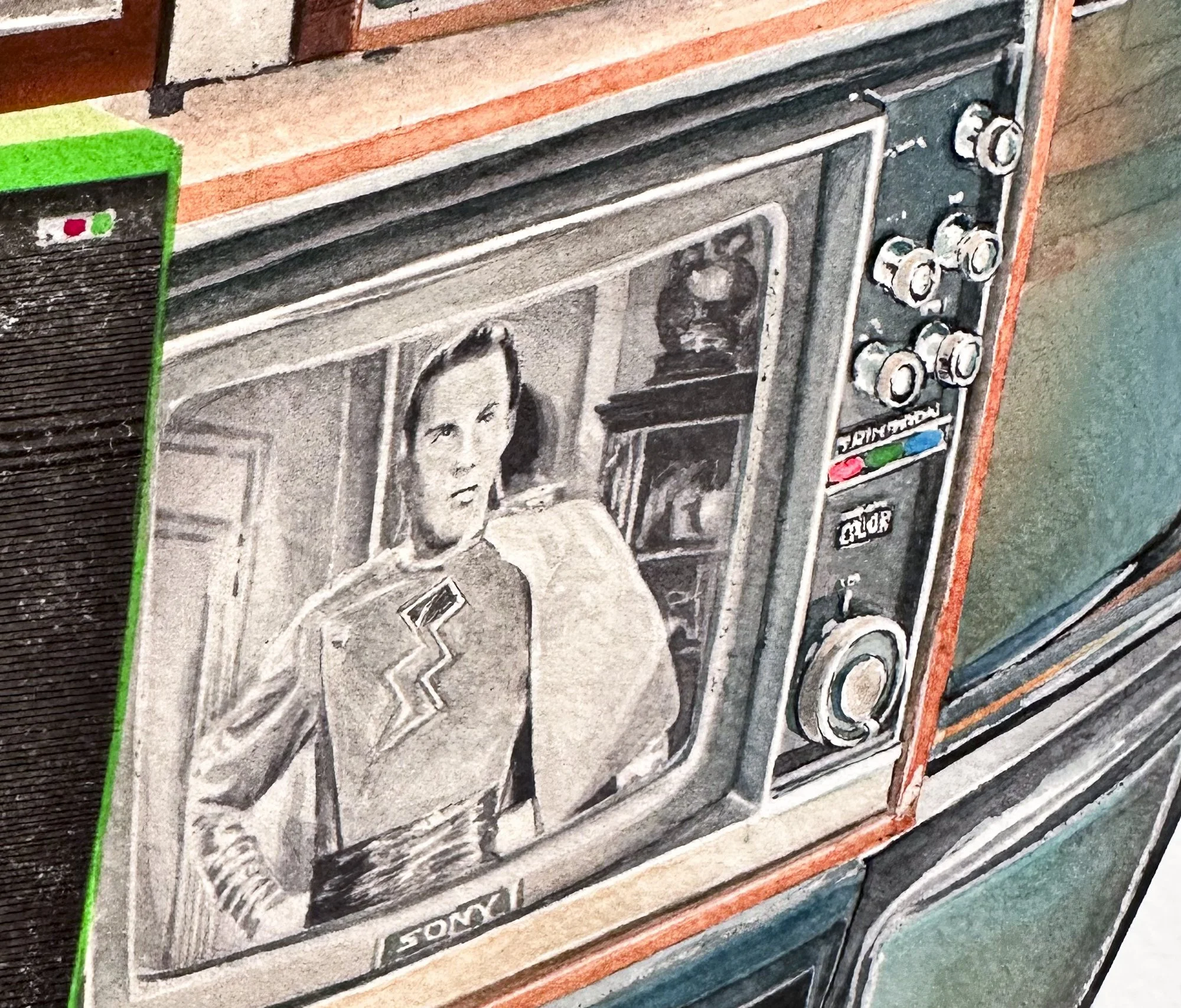
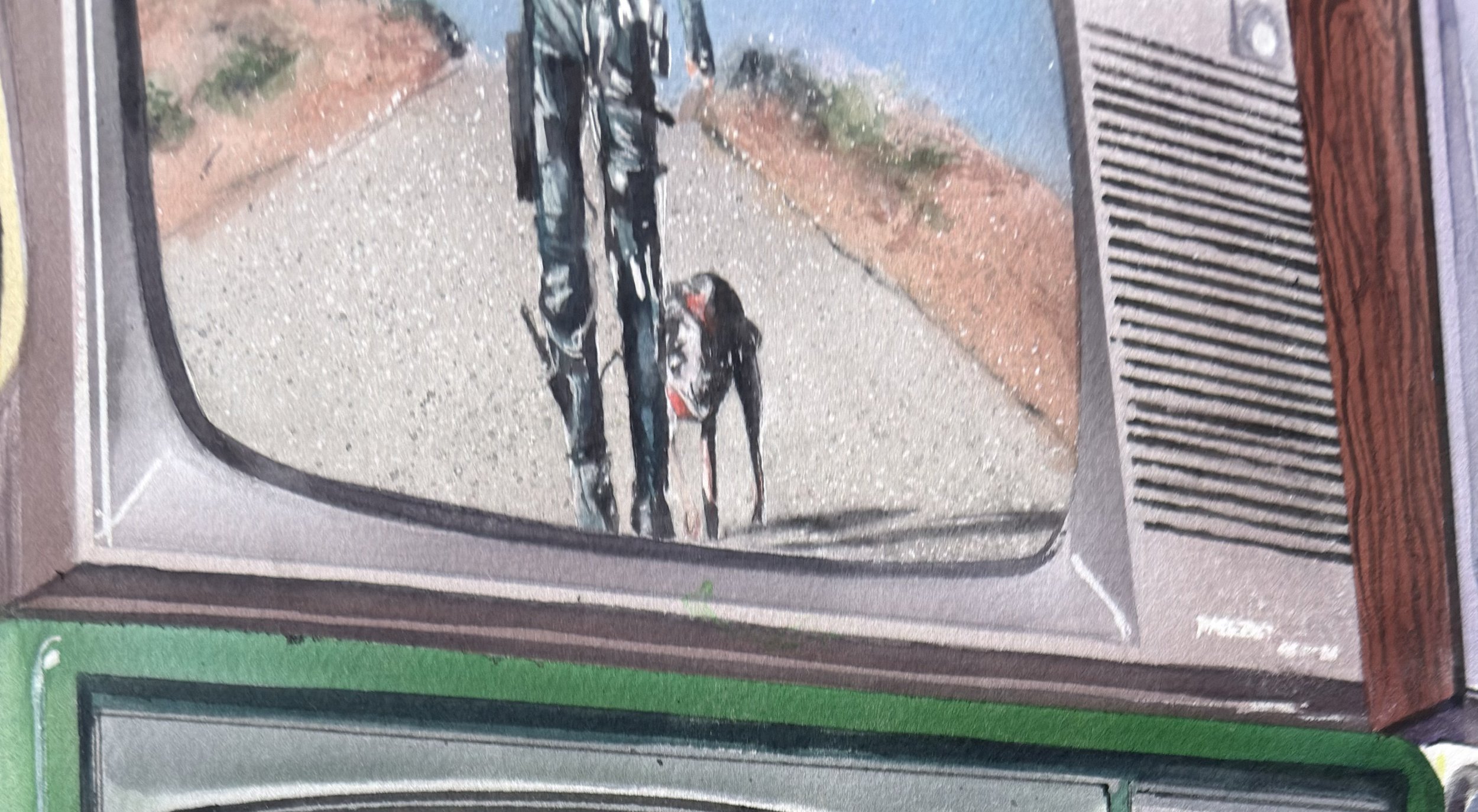
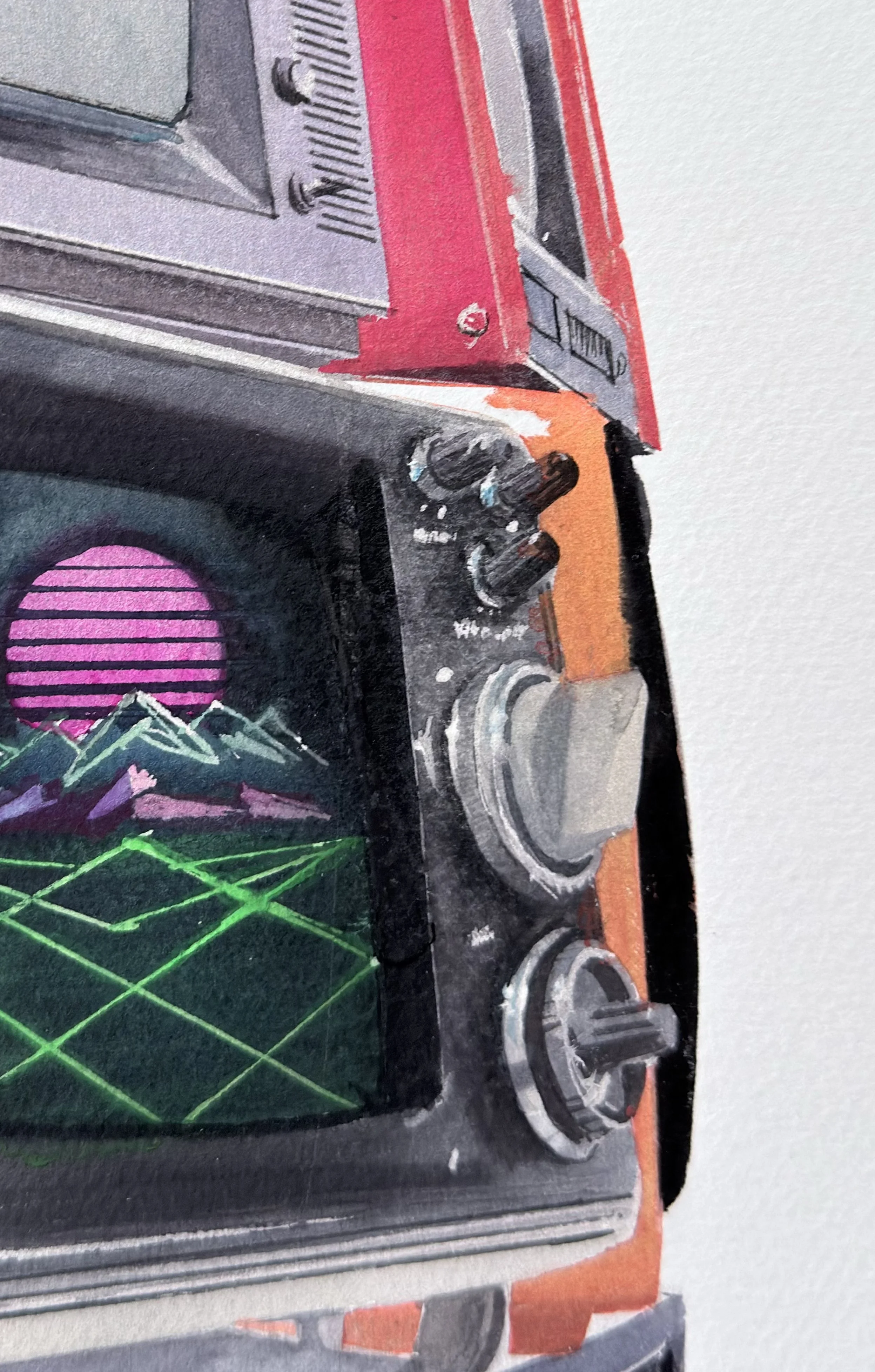
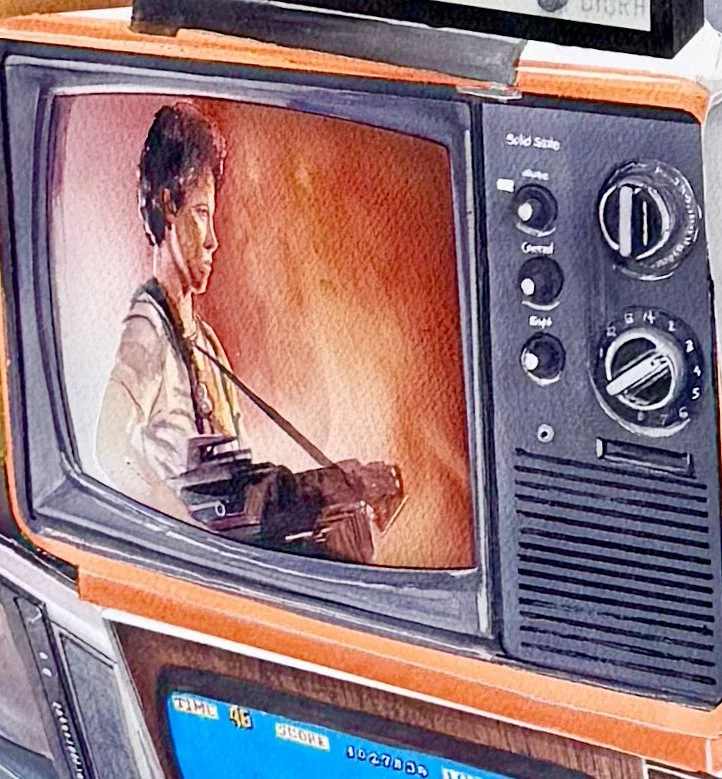
Within those eyes, political events, video games, fires, films, advertising, characters, and fragments of popular culture coexist. Time eventually unsettles the hierarchies that once separated them. A news item and a cinematic scene can survive in memory with a similar intensity.
For decades, television produced a particular form of collective present. Millions of people could find themselves facing the same image from different places.
What we shared, more than the event itself, was its appearance.
The digital screen shifted that experience to another scale. The surface that once occupied a precise place within the house began to multiply and accompany us. Computers and phones extended images into practically every hour of the day. What had once been an intermittent signal became a flow.
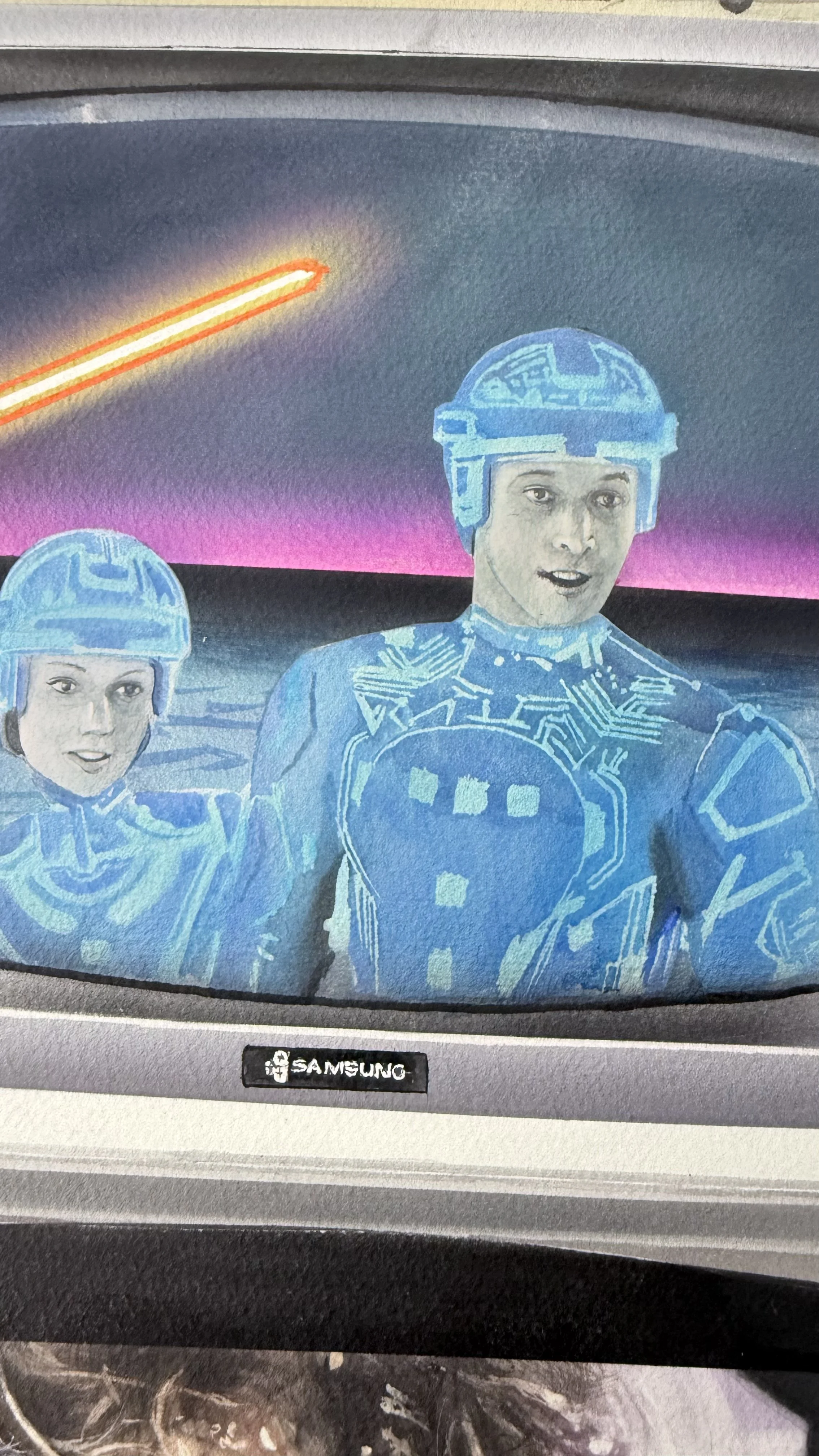
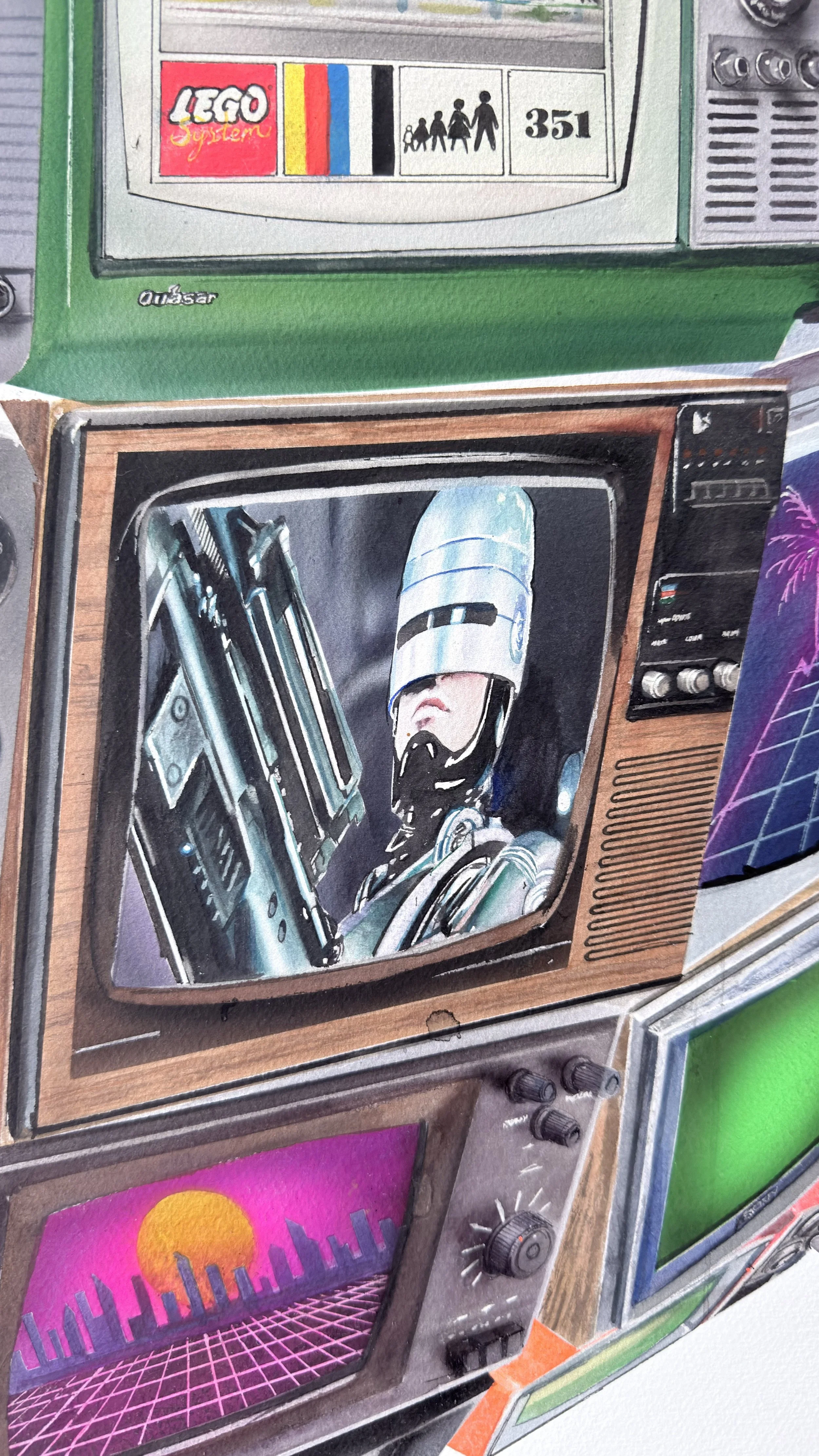
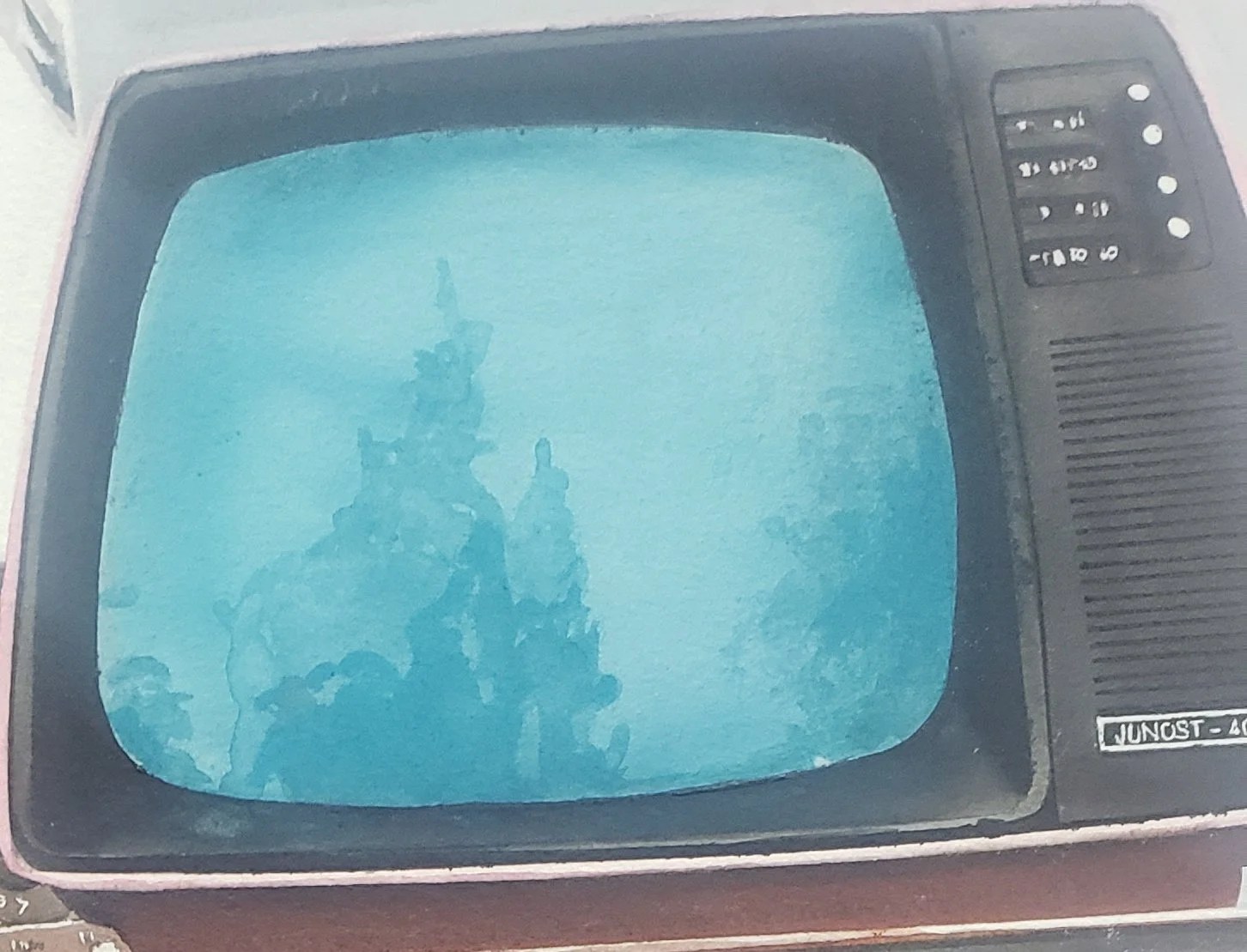
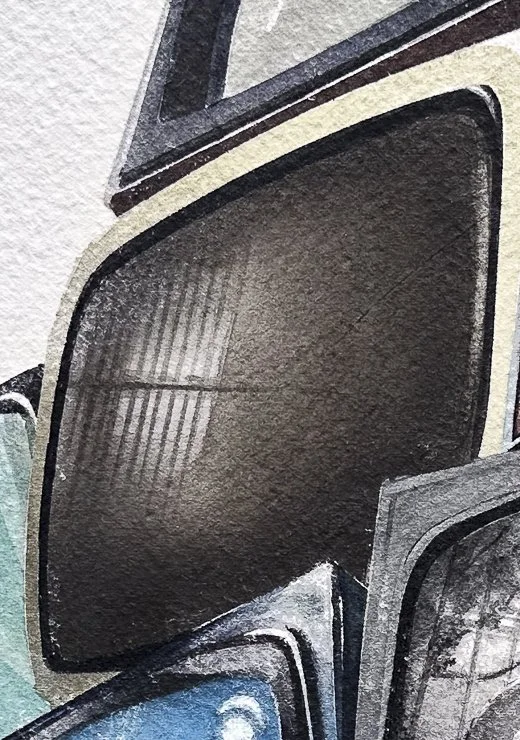
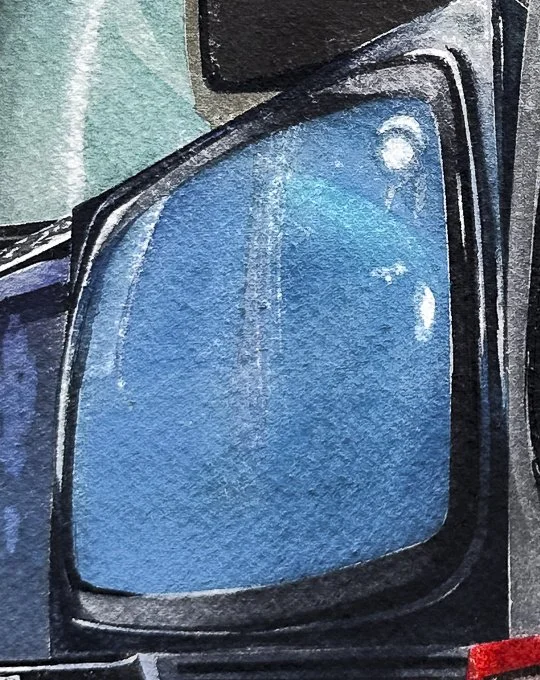
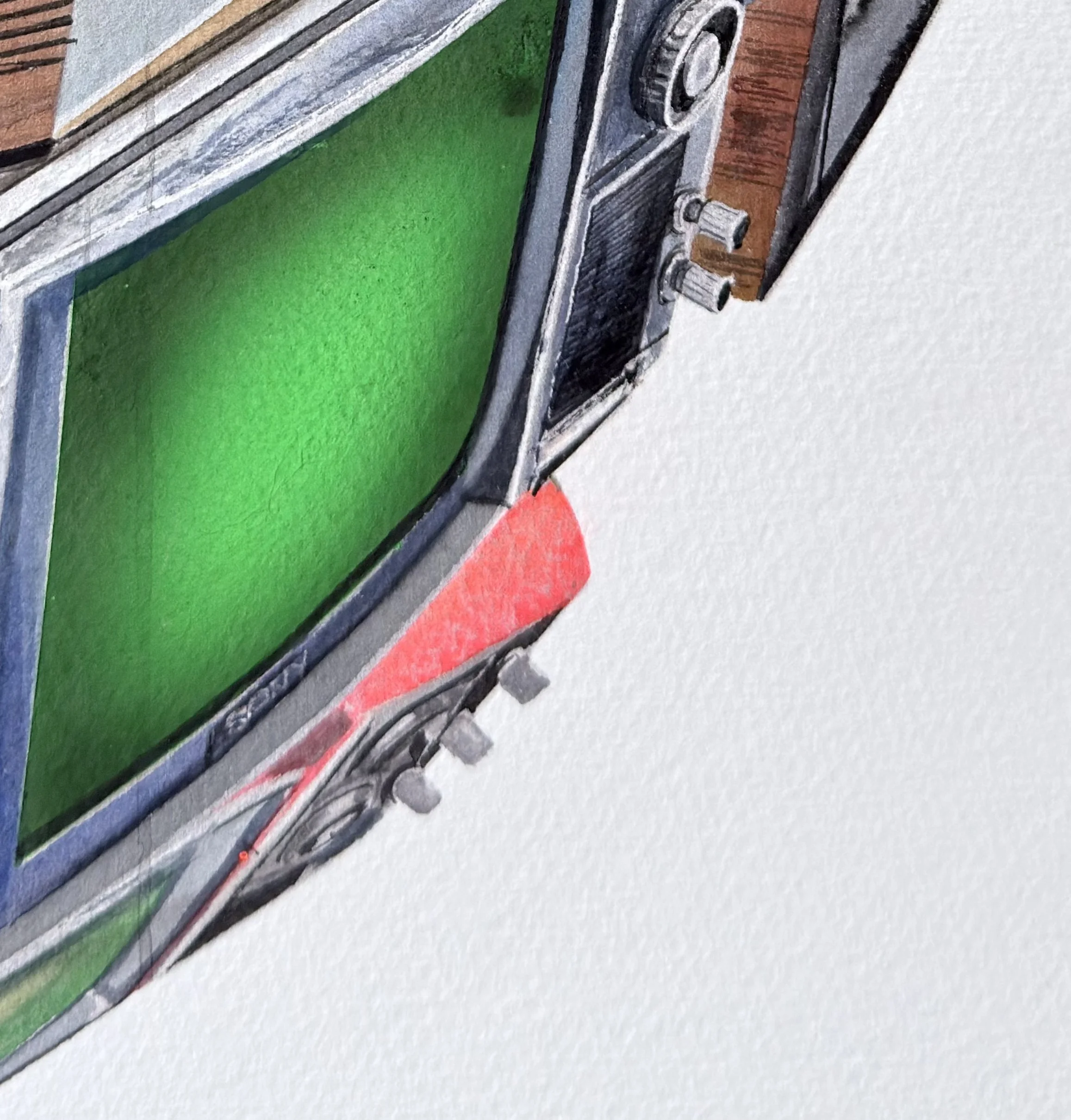
Watercolor introduces another time into that circulation. An electronic image appears, changes, and is replaced by another. In my works, that image acquires duration again. For weeks, I reconstruct with water and pigment devices and images conceived to circulate rapidly. The speed of transmission meets the slowness of the gesture. What is reproducible becomes a unique surface once more.
To paint a screen is, in a way, to stop it.
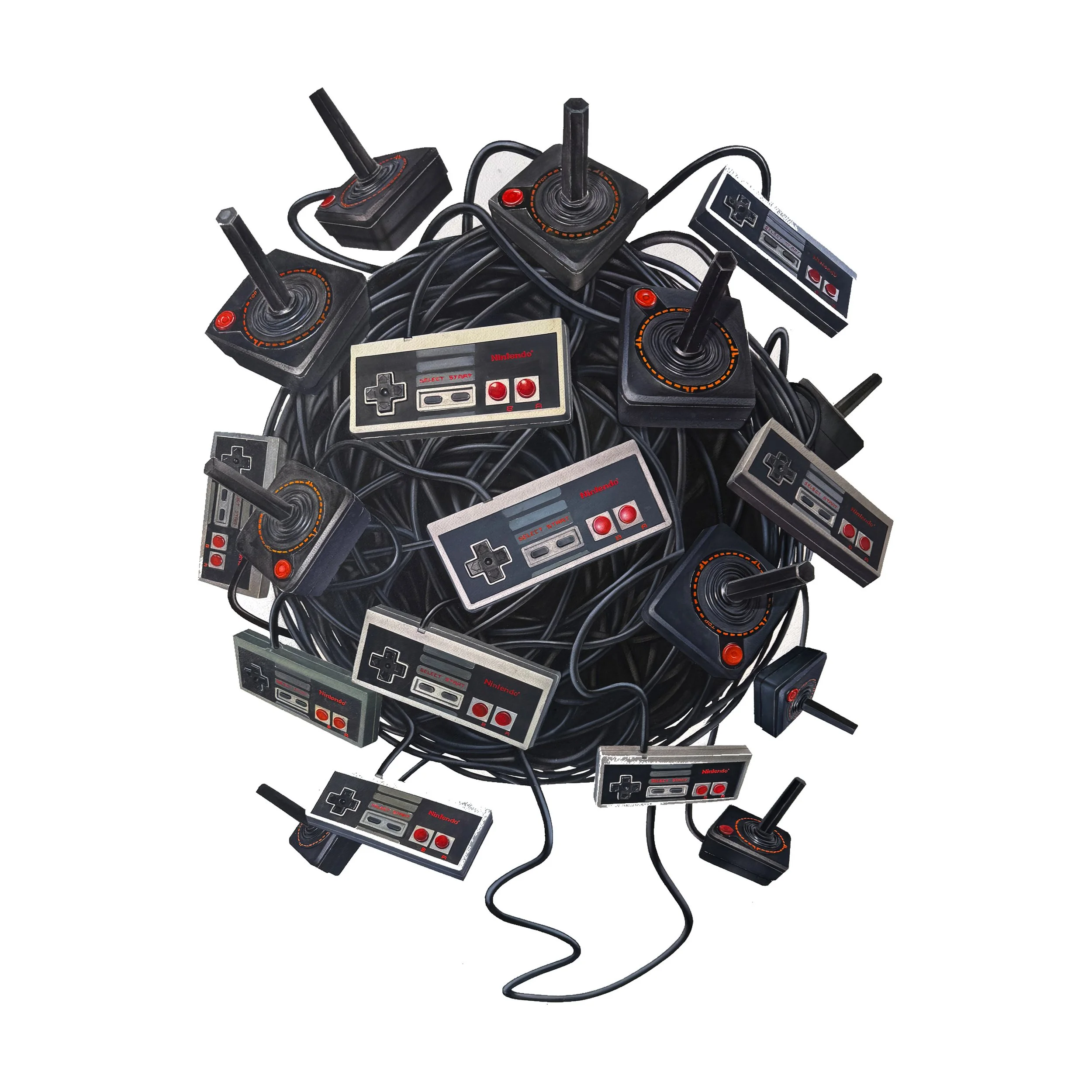
Over the years, Panopticopías has also transformed. The screens form spheres, landscapes, ruins, bodies, and situations in which visual culture, memory, and technology appear increasingly intertwined. The television begins to behave as architecture, organism, and landscape.
That transformation accompanies another that took place outside the works. The screen went from occupying a place within the everyday landscape to becoming one of the surfaces through which that landscape is organized and acquires meaning.
Technologies age before the forms of perception they helped construct. The television of my childhood can be switched off, disappear from a house, or become an obsolete object, while the forms of attention, desire, and memory developed before it continue to migrate to other surfaces.
Perhaps that is why I keep returning to those devices. Something more than a past technology remains in their remnants: ways of looking persist that we still recognize as our own.
There was a time when the signal ended.
Panopticopías asks what happened when it stopped doing so. -
In a few decades, the now century-old invention of television introduced the fascination for moving images transmitted (initially live and then also delayed) by screens inserted in domestic appliances, into most homes of a contemporary world that today appears to us with a certain nostalgia. Unlike the enchantment, spell, the object of daydream and even seduction, as Gaston Bachelard announced, of a campfire, around which clans and human groups have gathered throughout history to awaken the construction of their myths; the dazzling television broadcasts captured people from a single mono-channel channel that, rather than a two-way media (which would come somewhat later), became a network centrally distributed from institutional nodes that, hiding their biases under a false membrane of objectivity, were useful for the totalitarian dissemination of cultural and political beliefs.
Gonzalo Garcia's series “Panopticopias” deploys, with a set of images skillfully made with the large-format watercolor technique, an effective metaphor that points to that bias, enormously dystopian: a sign of those surfaces swept with a beam of electronic light that generates dynamic images, initially closed to interactions, and capable of producing early, effectively, massive emotions (and with these, the manipulation). Whether turned off or on, emitting colorful flashes; and often piled up in larger forms of compact appearance, what seems to be represented under a certain retro-futuristic aesthetics, is that behind these simultaneous discourses, supposedly multiple, there is a single emitter (even if with many faces).
As coupled machined/device signs strengthened strongly hierarchical social structures, the irruption of control came long before quantum supremacy. At the same time, entertainment became a sclerosis and an enormous waste of time that, suddenly, made untimely a programmed obsolescence of our species (dragging before it so many others), as Günther Anders announced. For the artist, this profound transformation goes against the grain of a classical epoch, where the contemplated was normally immersed in stillness. This drastic change of roles has made our civilization, still conditioned to the biological, stop many times even its capacity for thought.
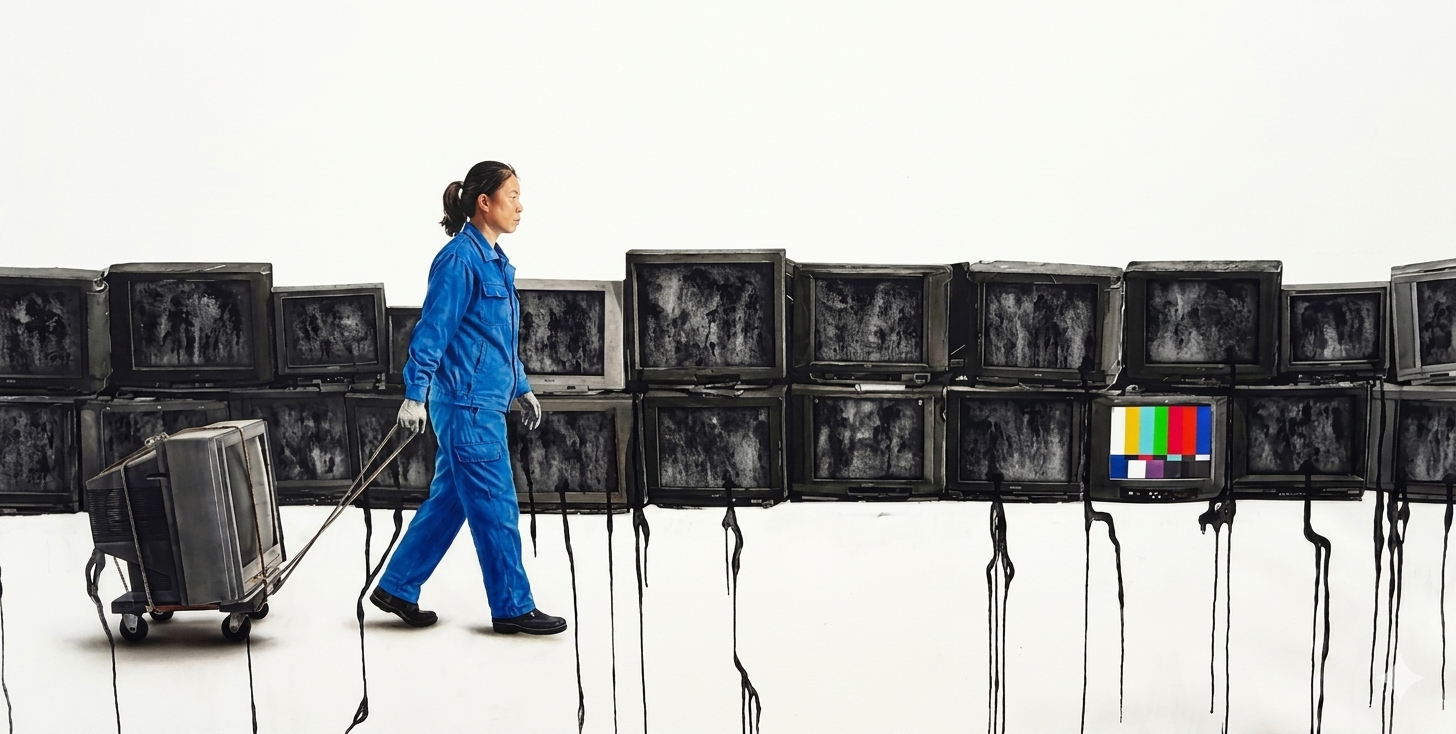
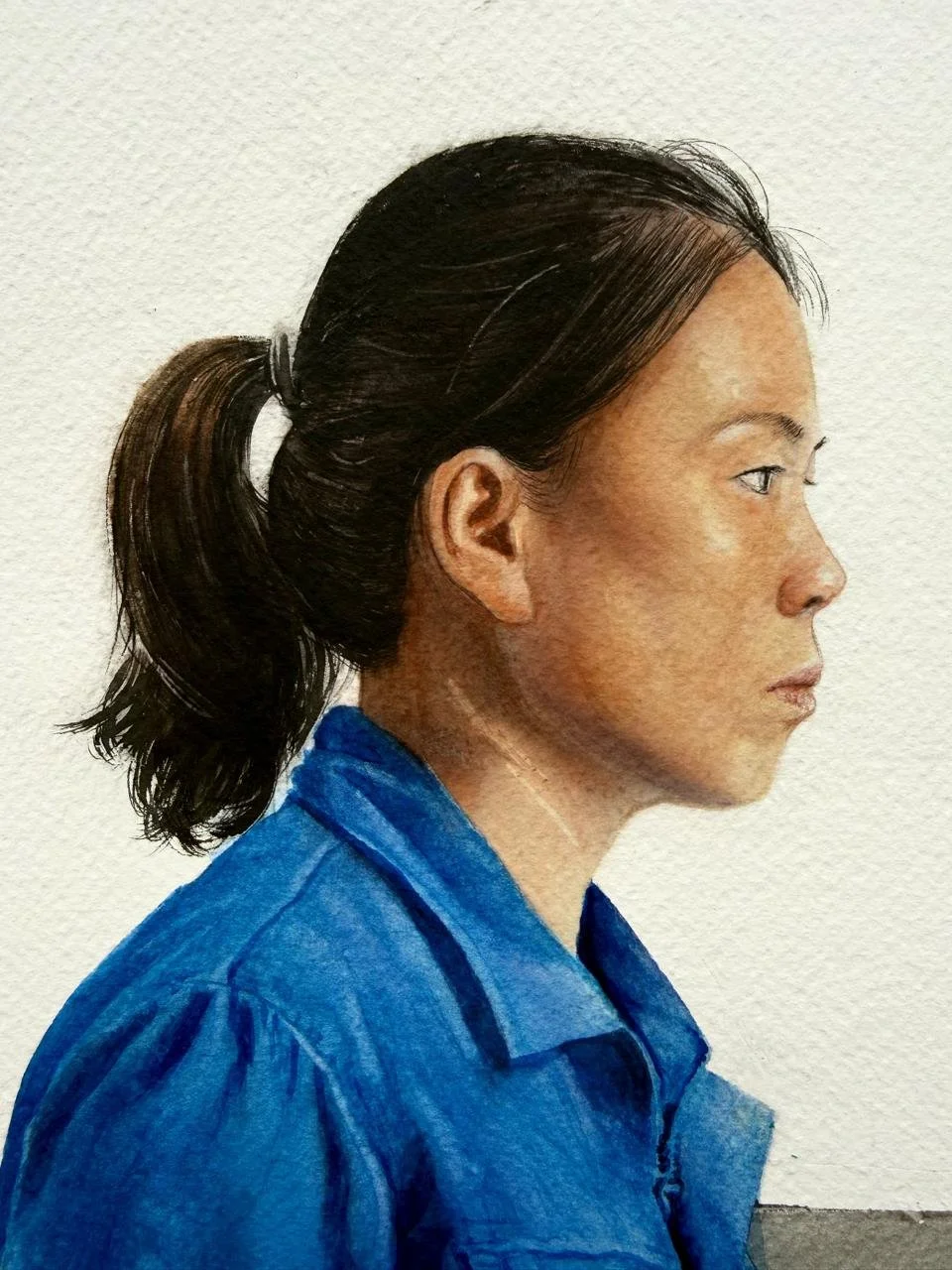
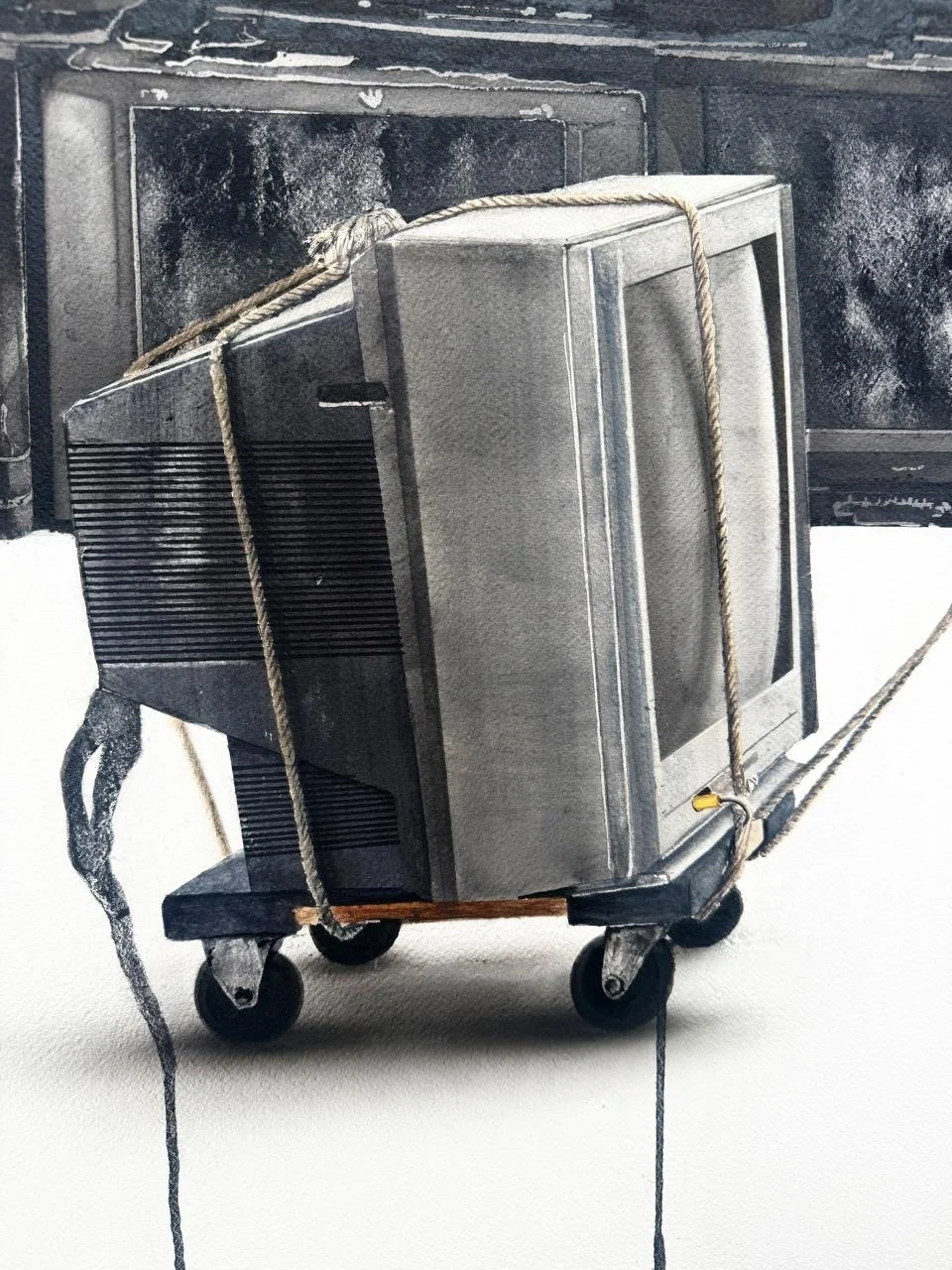
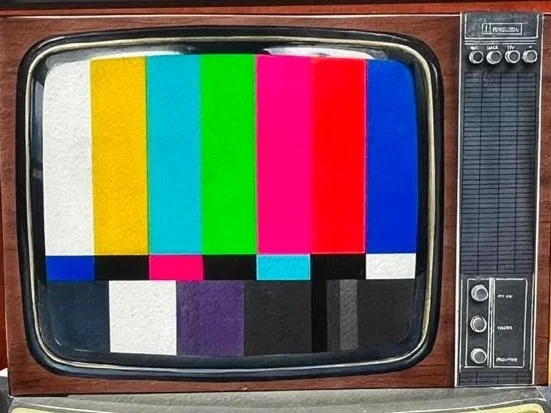
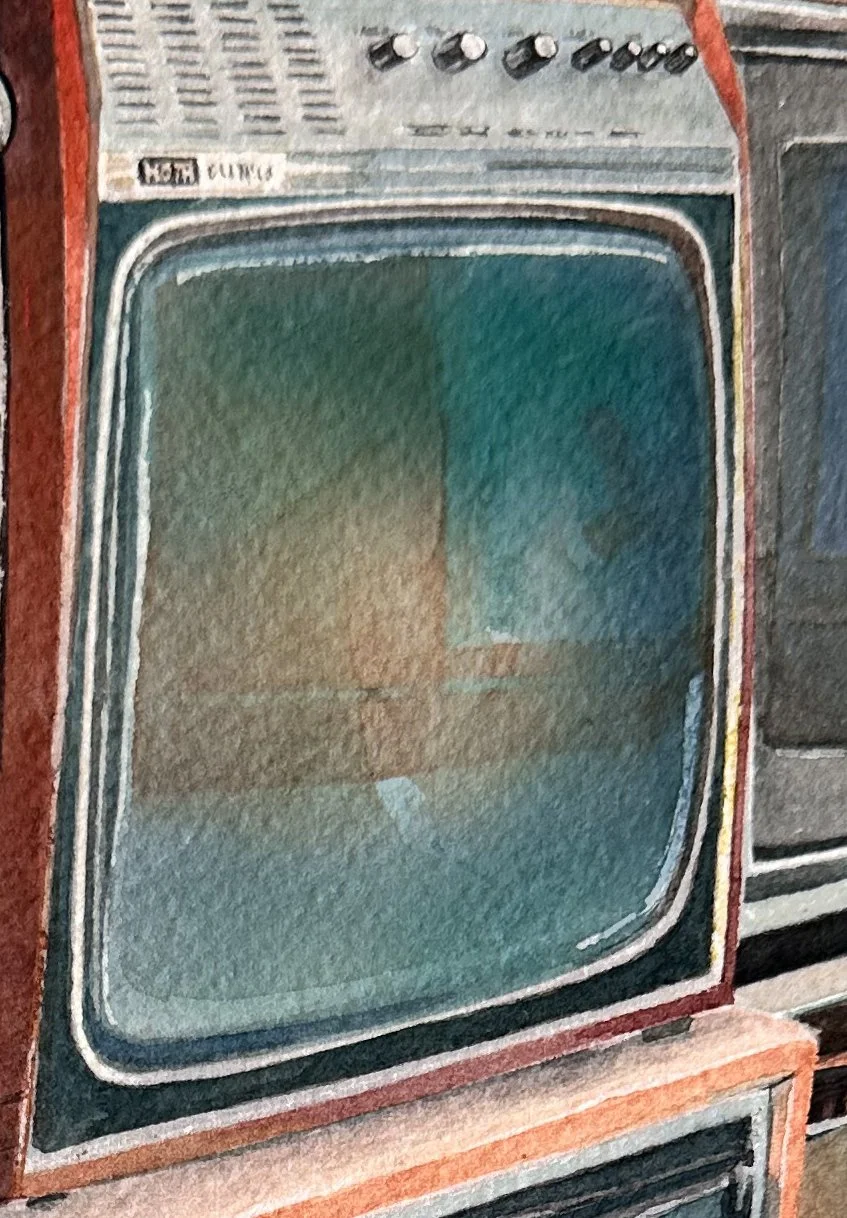
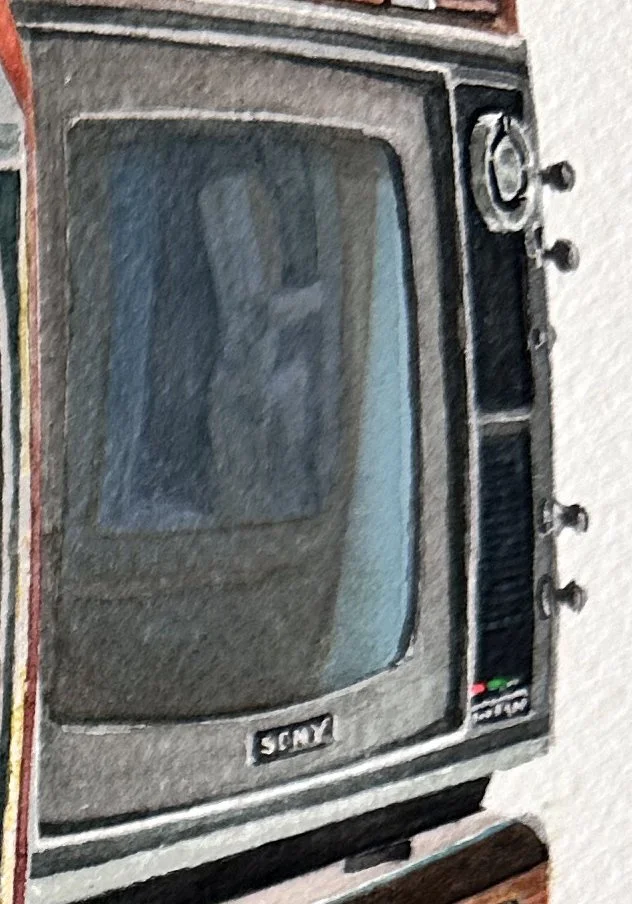
Even before the plasma or liquid crystal flat screens and the most recent OLED technology (which today flood shopping malls and streets, fit in hand or the pocket, omnipresent); these convex monitors seem the industrial prototype of those compound eyes that characterize several insects of amplified vision (made up of sensitive units called ommatidia, often hexagonal): invading then from the bedrooms to the rooms where people wait for a long time for the attention of public services (of which we have often been deprived). While this was happening, we became sort of workers, watchmen, custodians (and even technicians responsible, by omission) for the functioning of a technocracy that exceeds us and that, here, is exhibited as the metaphor of a rainbow (colored bars, with no sign) whose end is no longer in sight.
Emilio Tarazona, December 2022
Panopticopia #16, 2026 Watercolor on paper 115 × 115 cm

Panopticopias #10, 2025 Watercolor on paper 110 × 110 cm

Panopticopias #9, 2025 Watercolor on paper 110 × 110 cm

Panopticopias #8, 2025 Watercolor on paper 110 × 110 cm

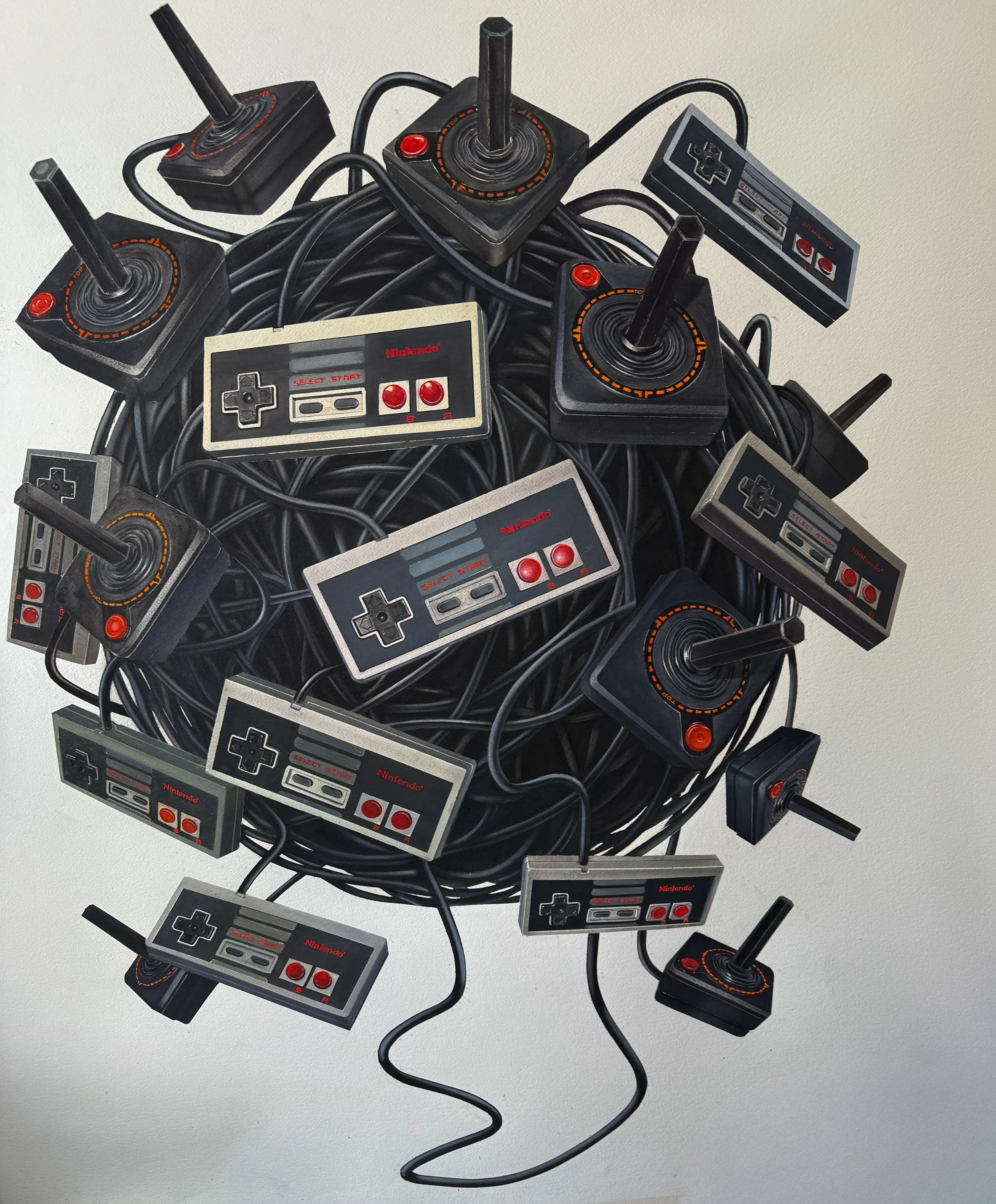
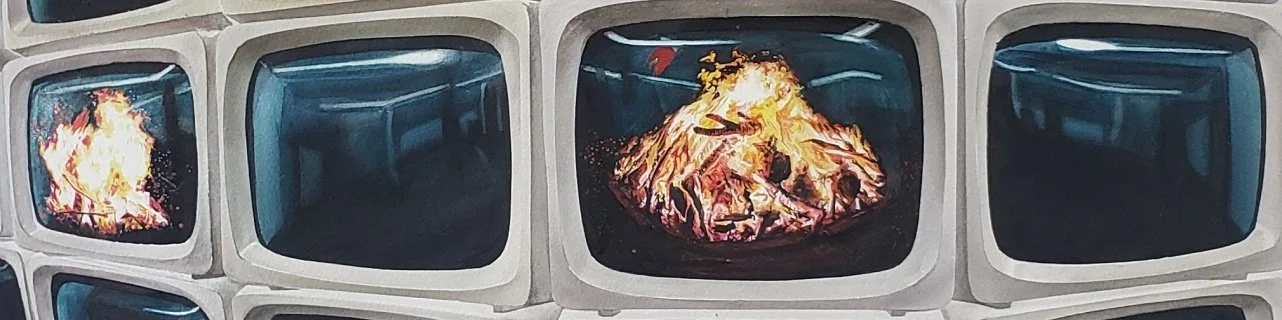
Panopticopias #7 — We Didn’t Start the Fire, 2024 Watercolor on paper 120 × 120 cm

Panopticopias #6, 2024 Watercolor on paper 121 × 121 cm

Panopticopias #5 — Robot Heart, 2024 Watercolor on paper 120 × 120 cm

Panopticopias #4, 2023 Watercolor on paper 91 × 91 cm

Panopticopias #3, 2022 Watercolor on paper 113 × 113 cm
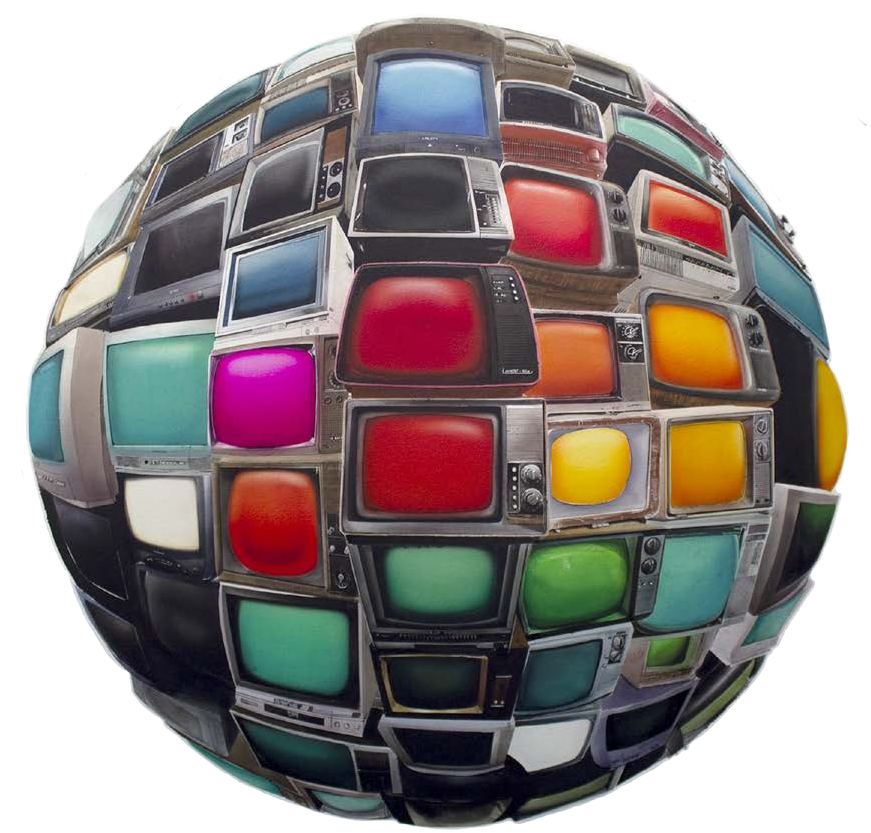
Panopticopias #2 — On, 2022 Watercolor on paper 113 × 113 cm
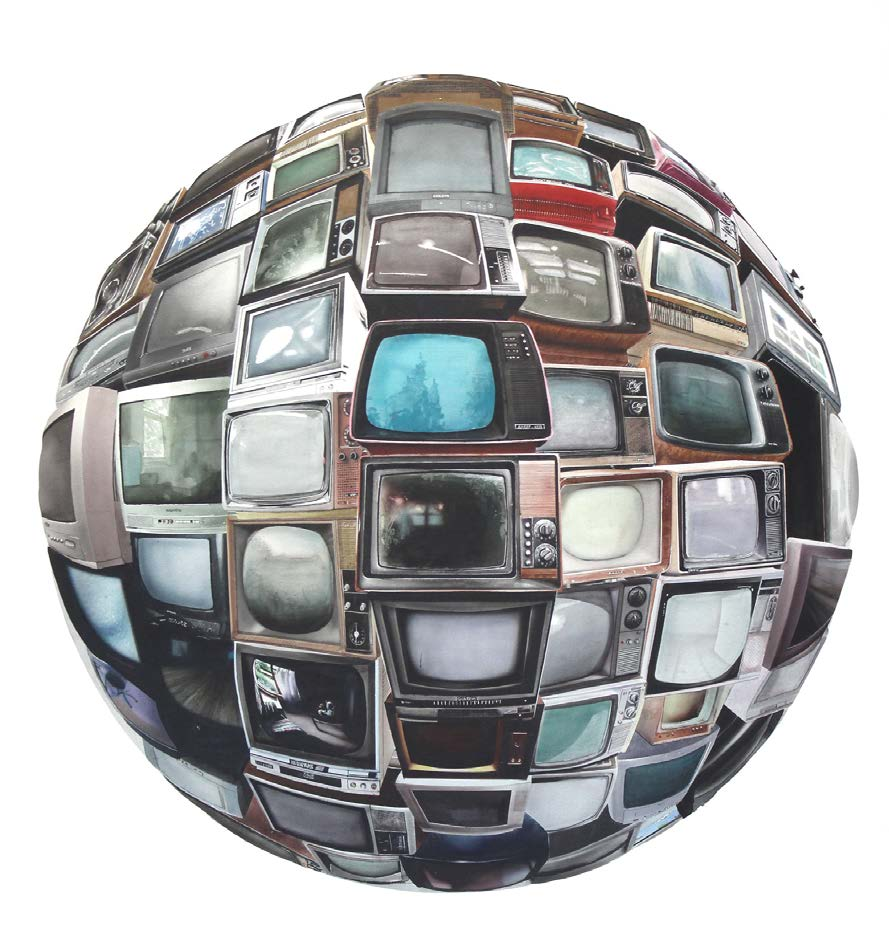
Panopticopias #1 — Off, 2022 Watercolor on paper 113 × 113 cm
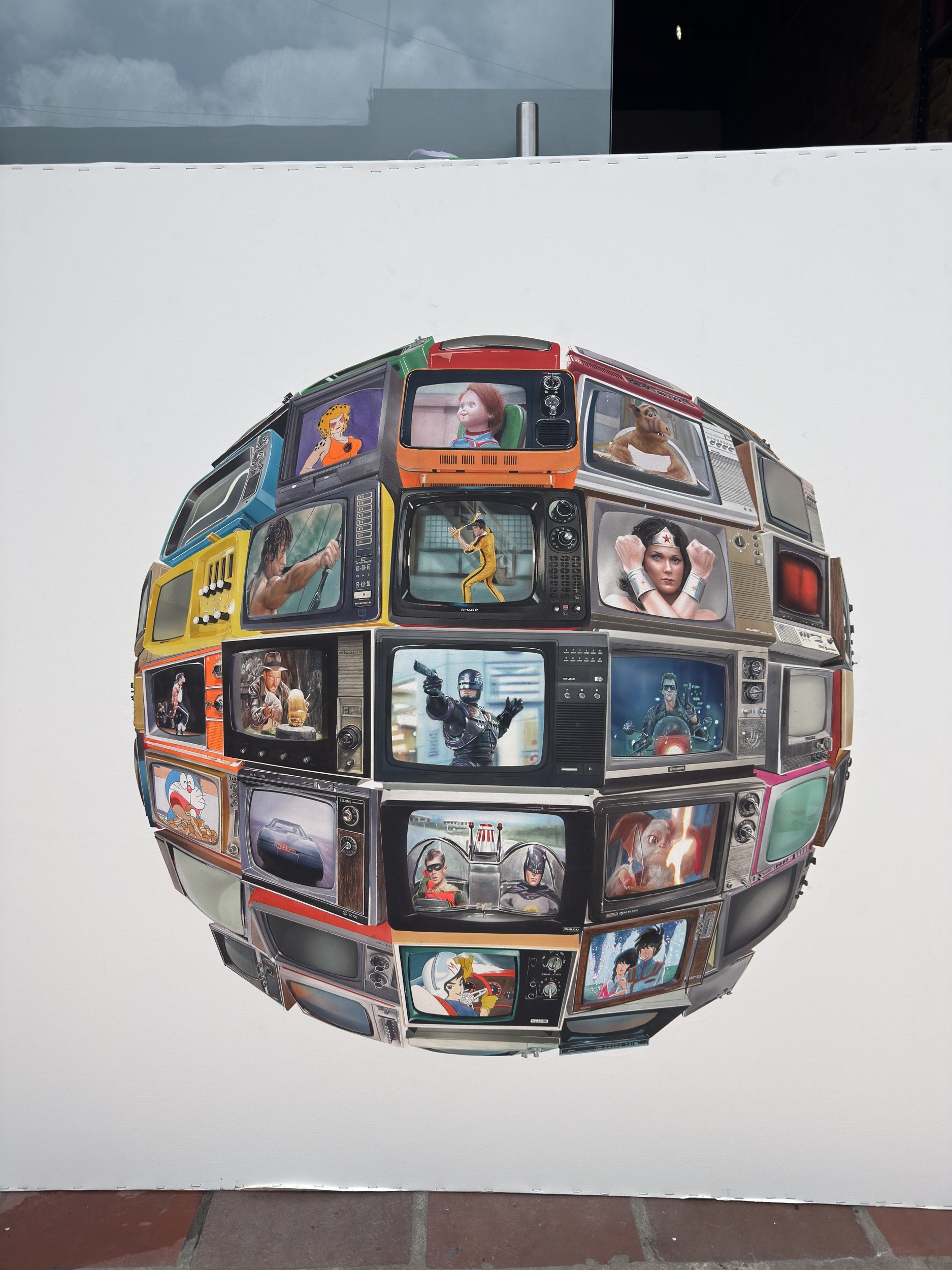
Panopticopias, 2026 · Watercolor on paper · 120 × 120 cm · Studio view
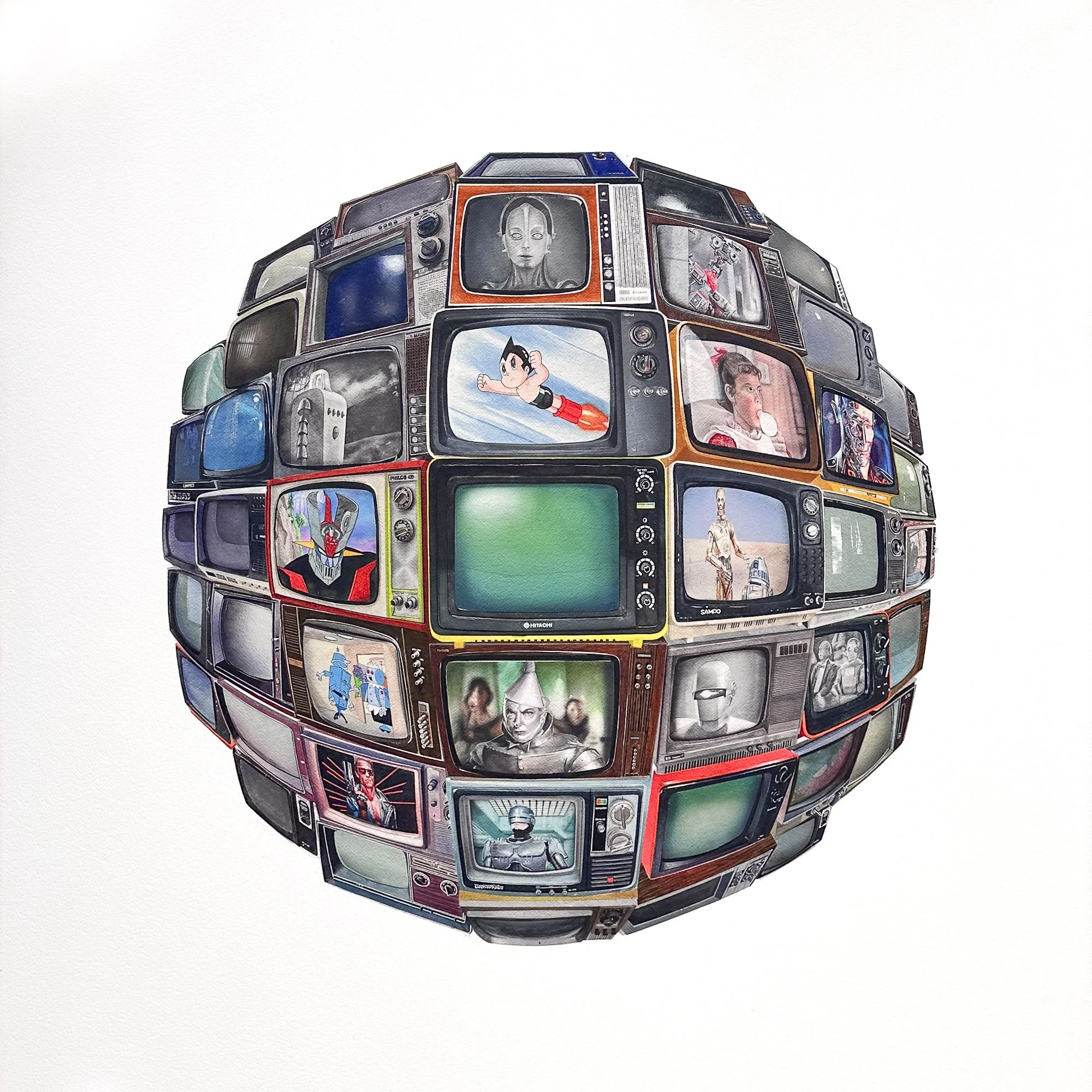
Panopticopias #10, 2025 · Watercolor on paper · 110 × 110 cm
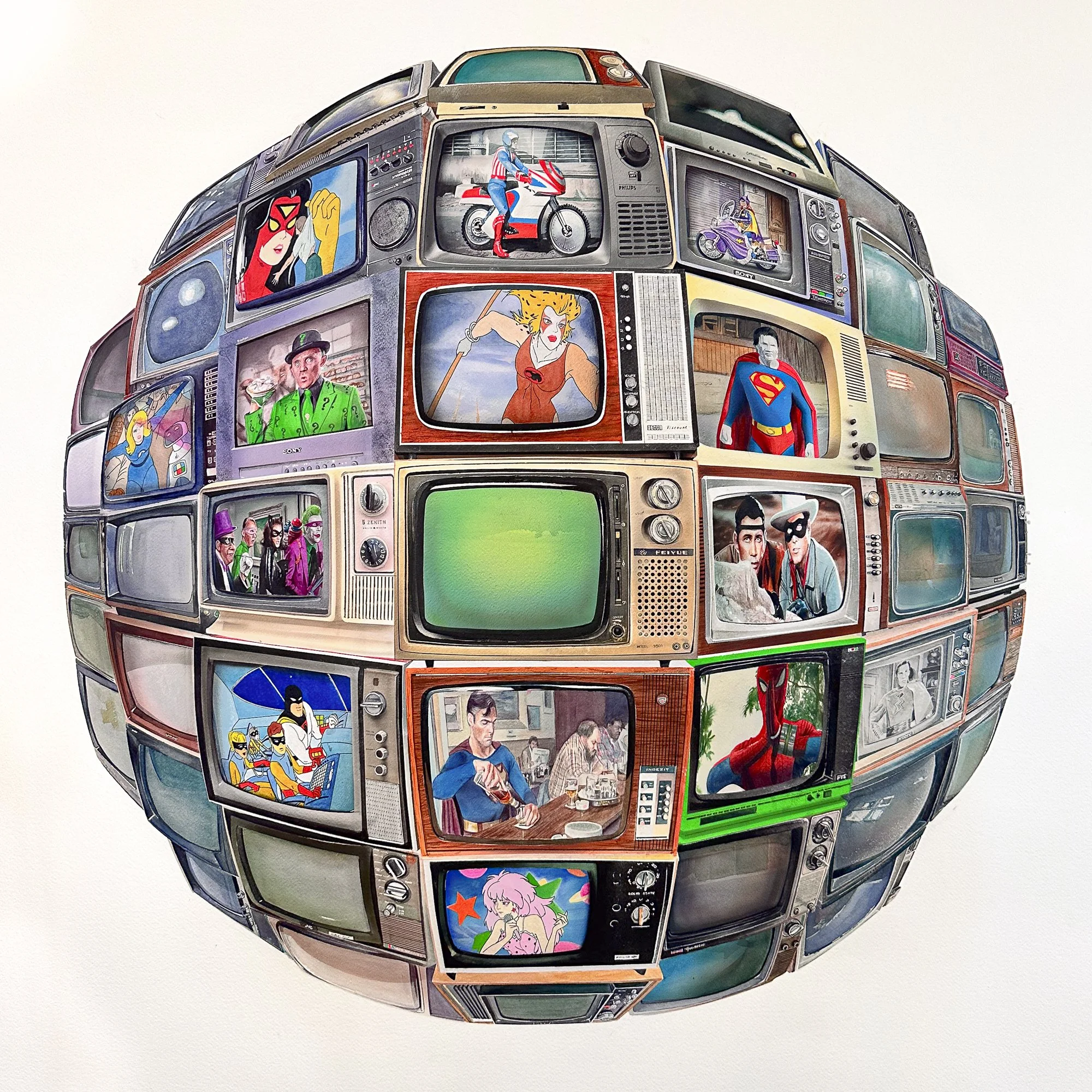
Panopticopias #9, 2025 · Watercolor on paper · 110 × 110 cm
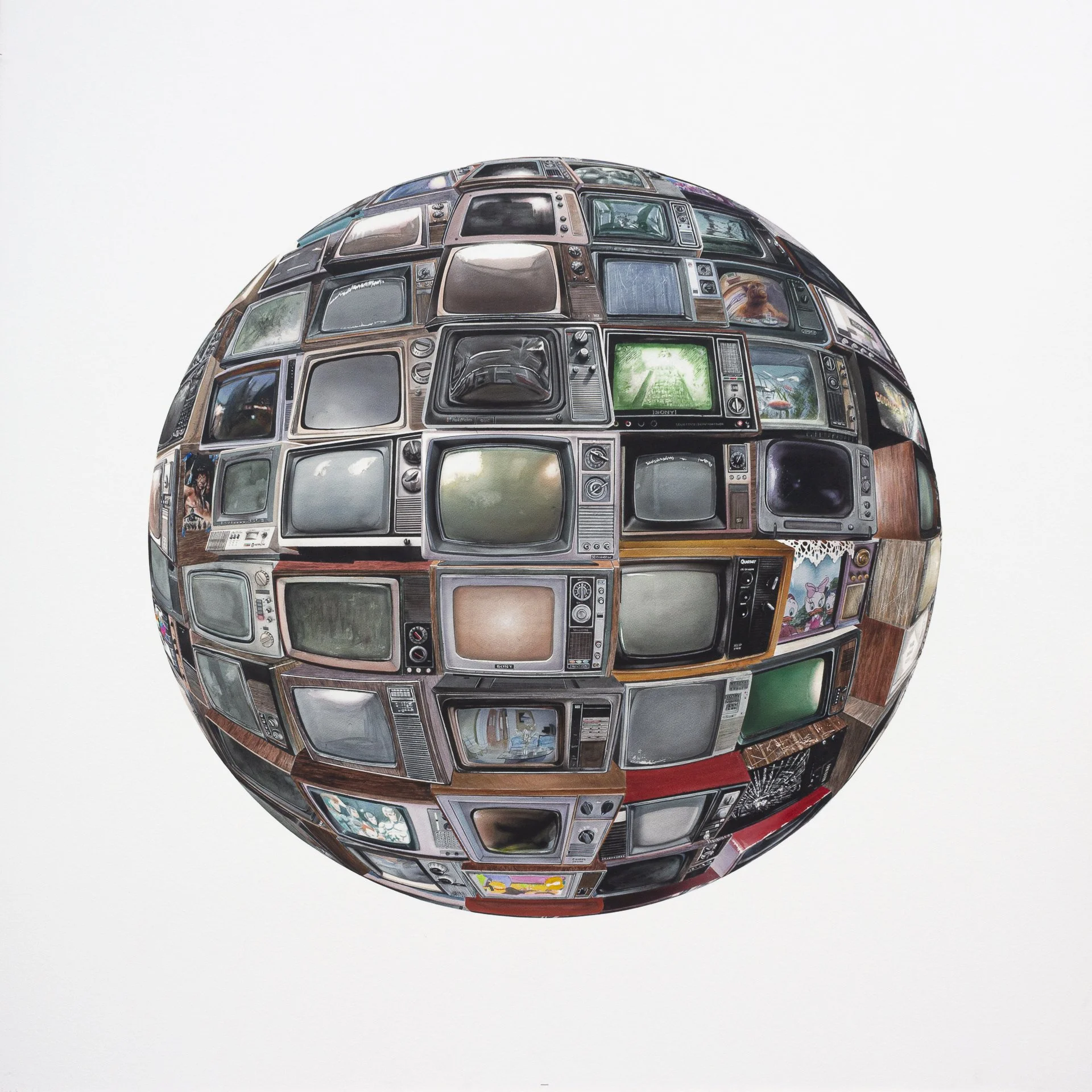
Panopticopias #3, 2022 · Watercolor on paper · 113 × 113 cm
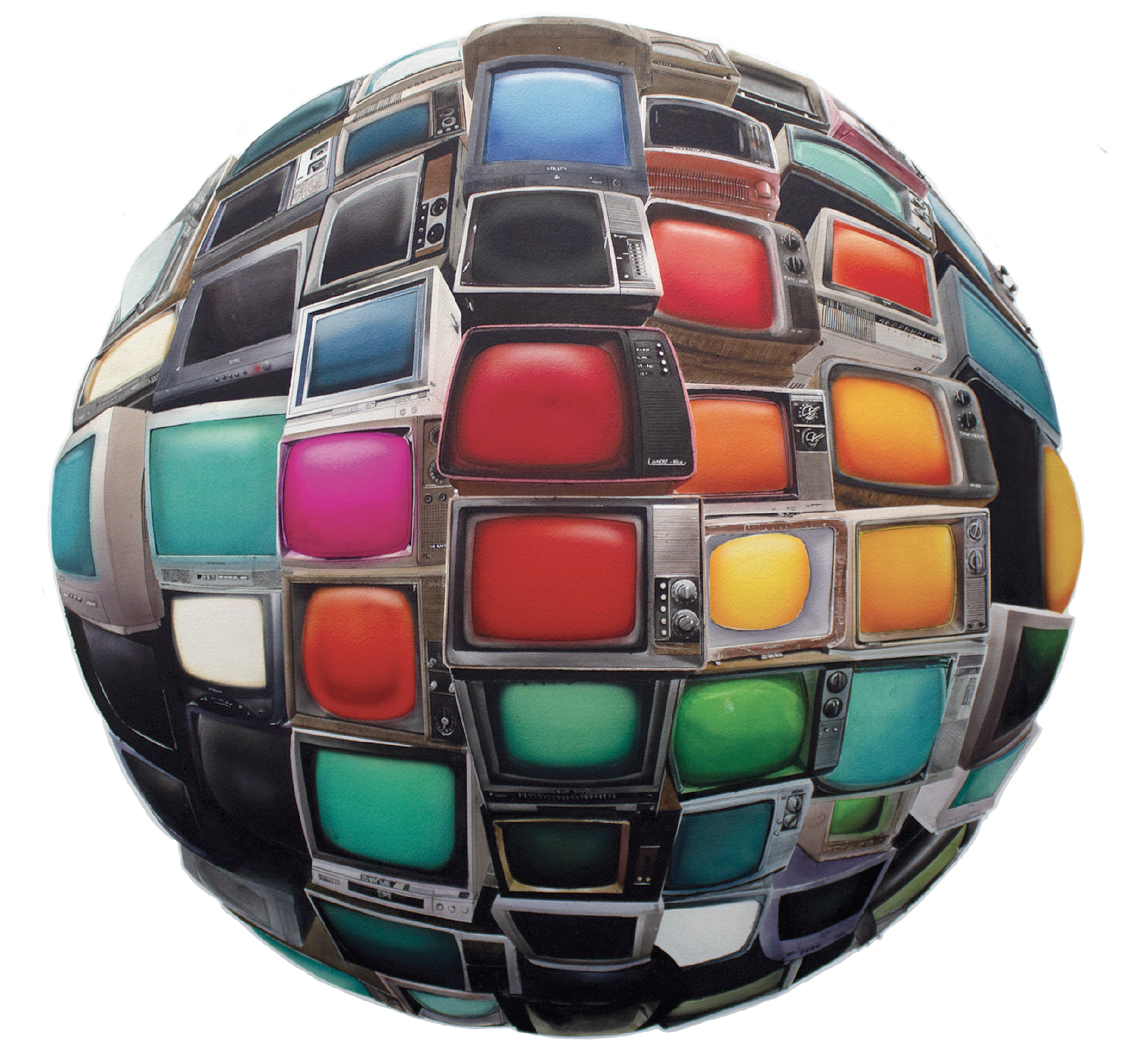
Panopticopias #2 — On, 2022 · Watercolor on paper · 113 × 113 cm
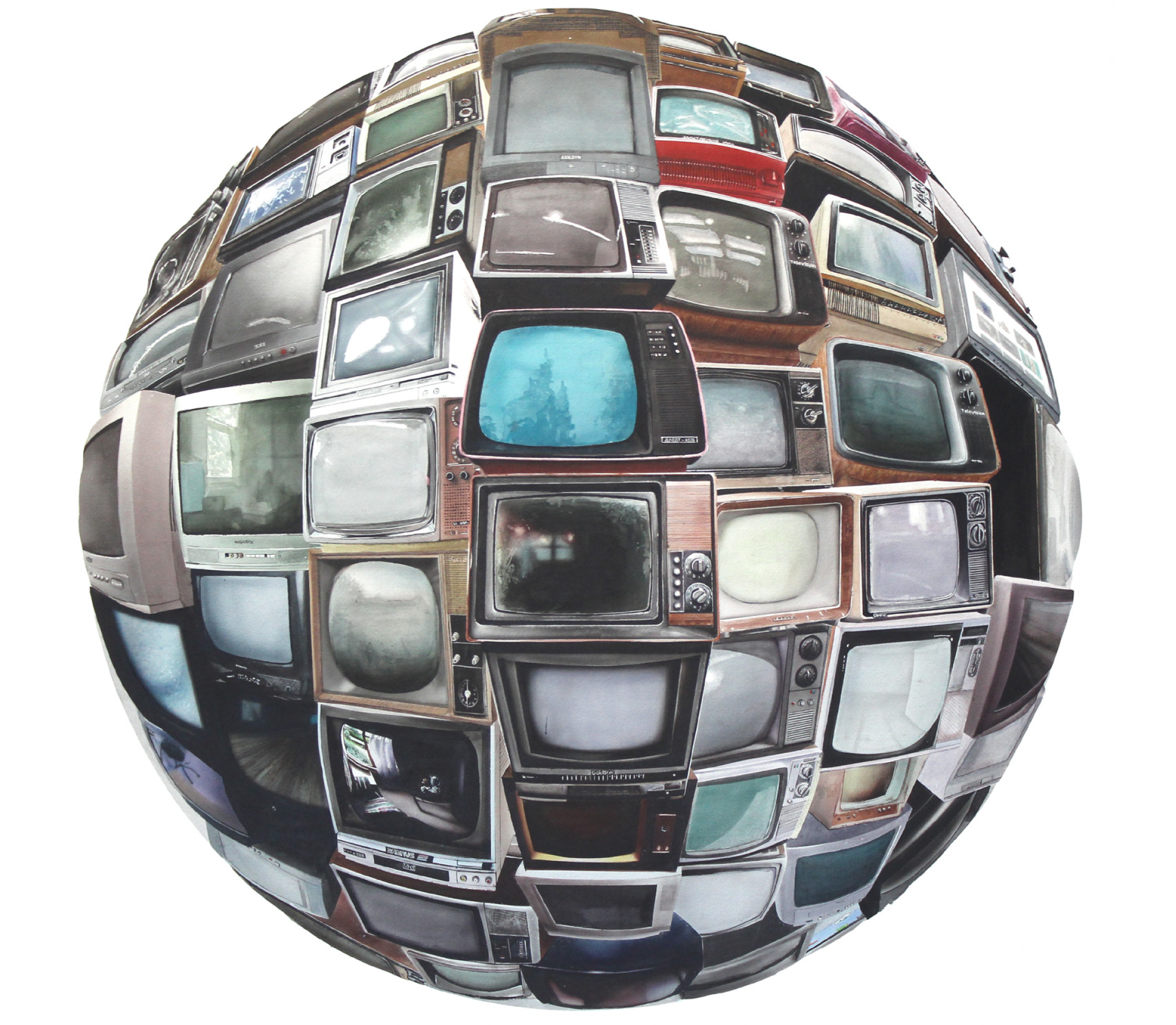
Panopticopias #1 — Off, 2022 · Watercolor on paper · 113 × 113 cm
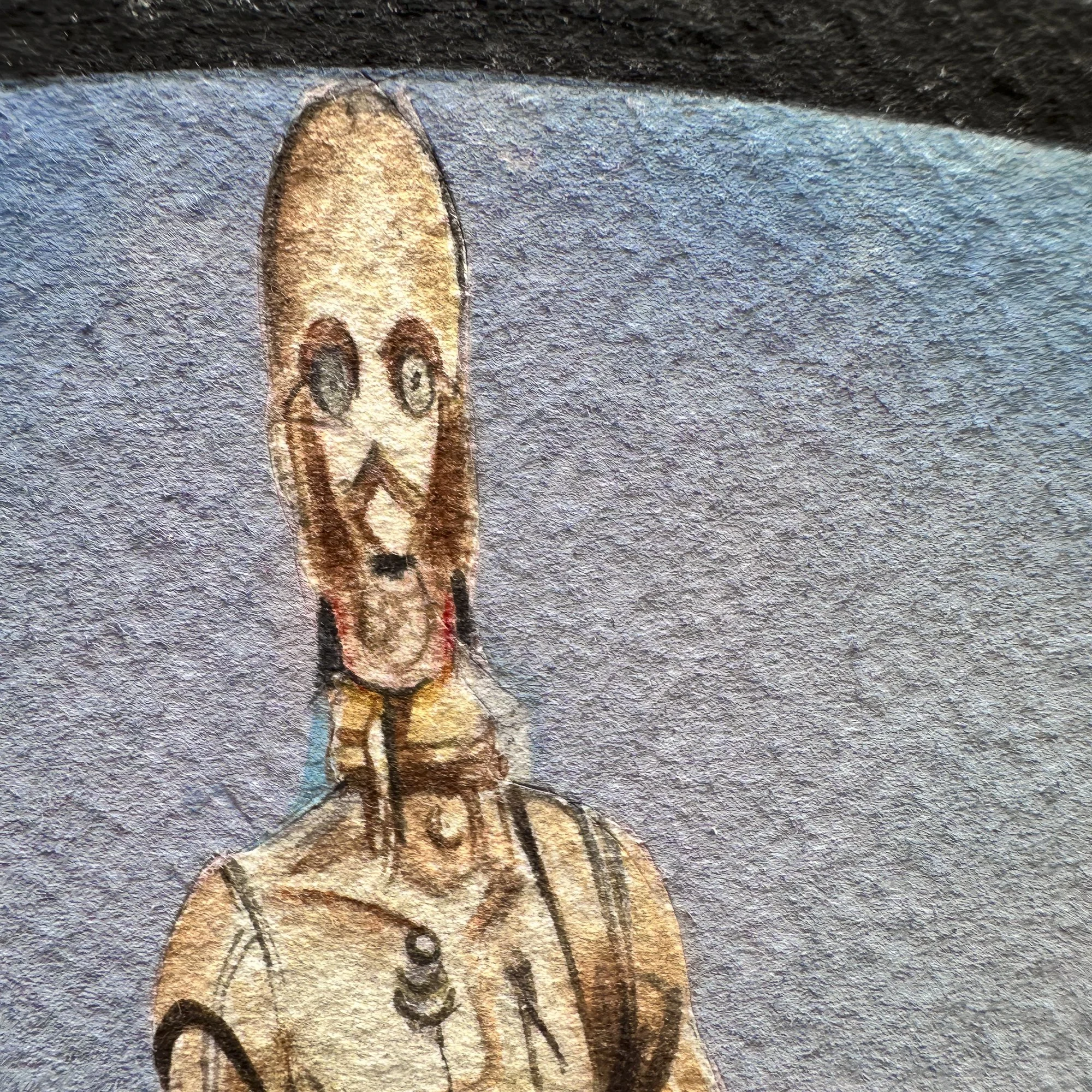
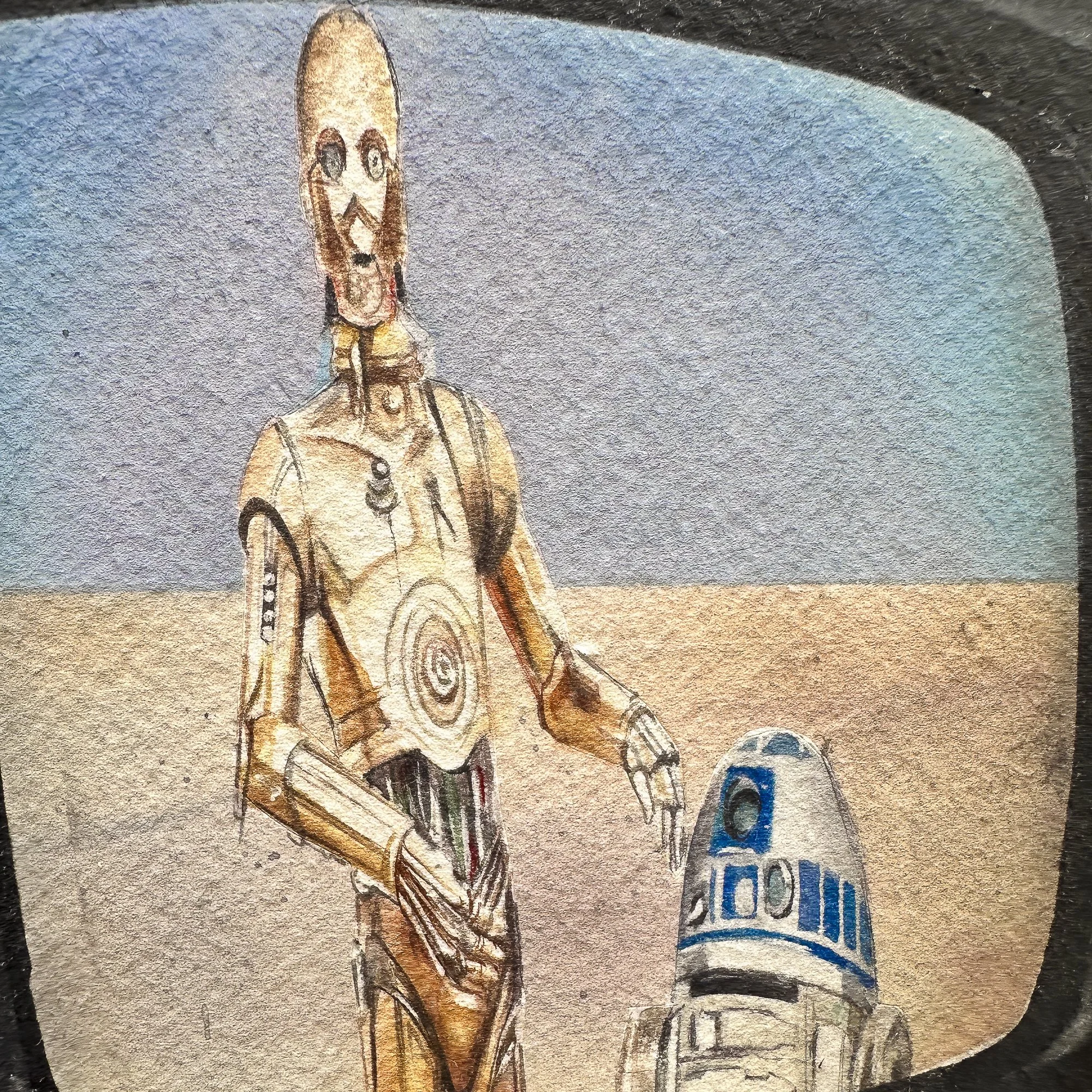
Panopticopias #10, 2025 · Detail · Watercolor on paper · C-3PO
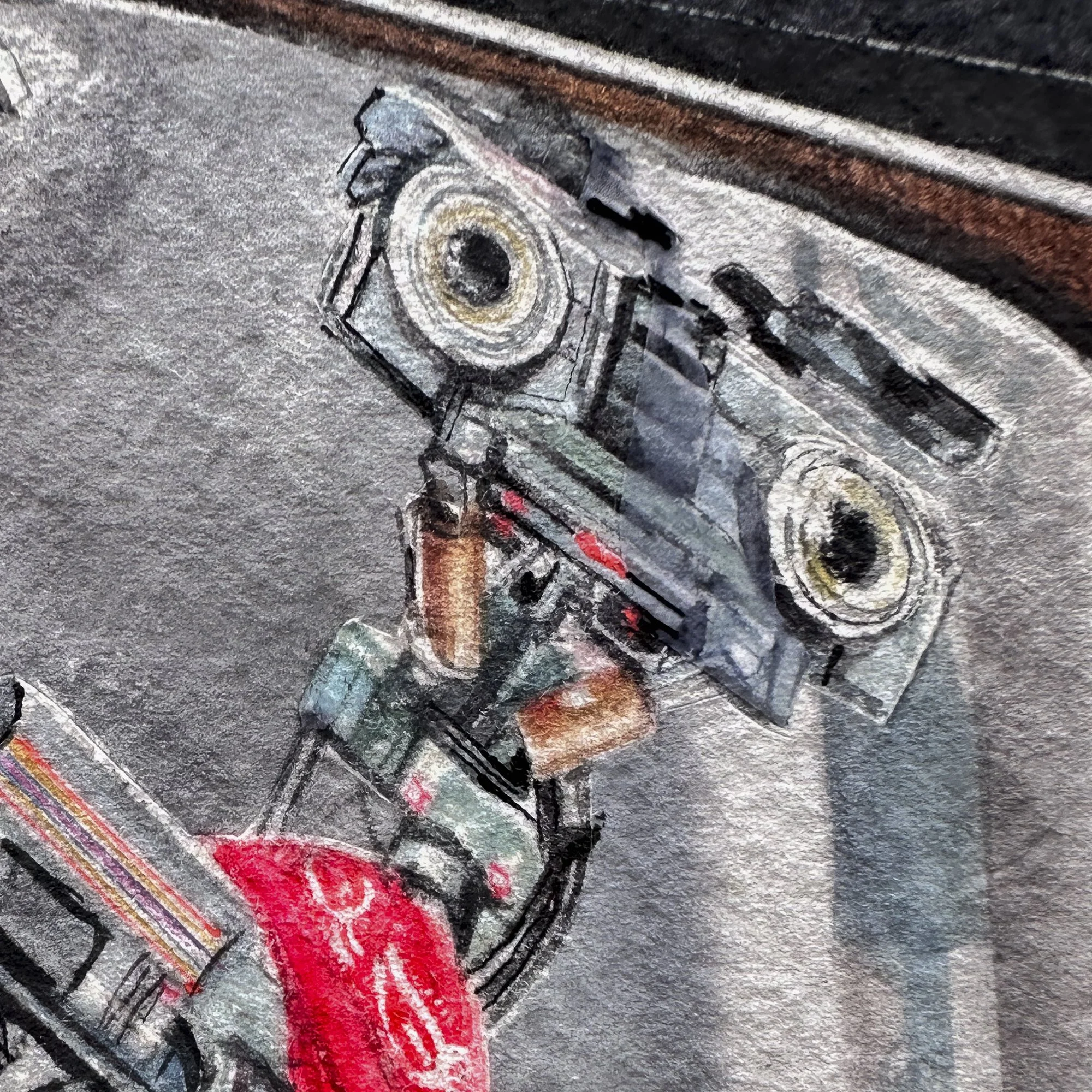
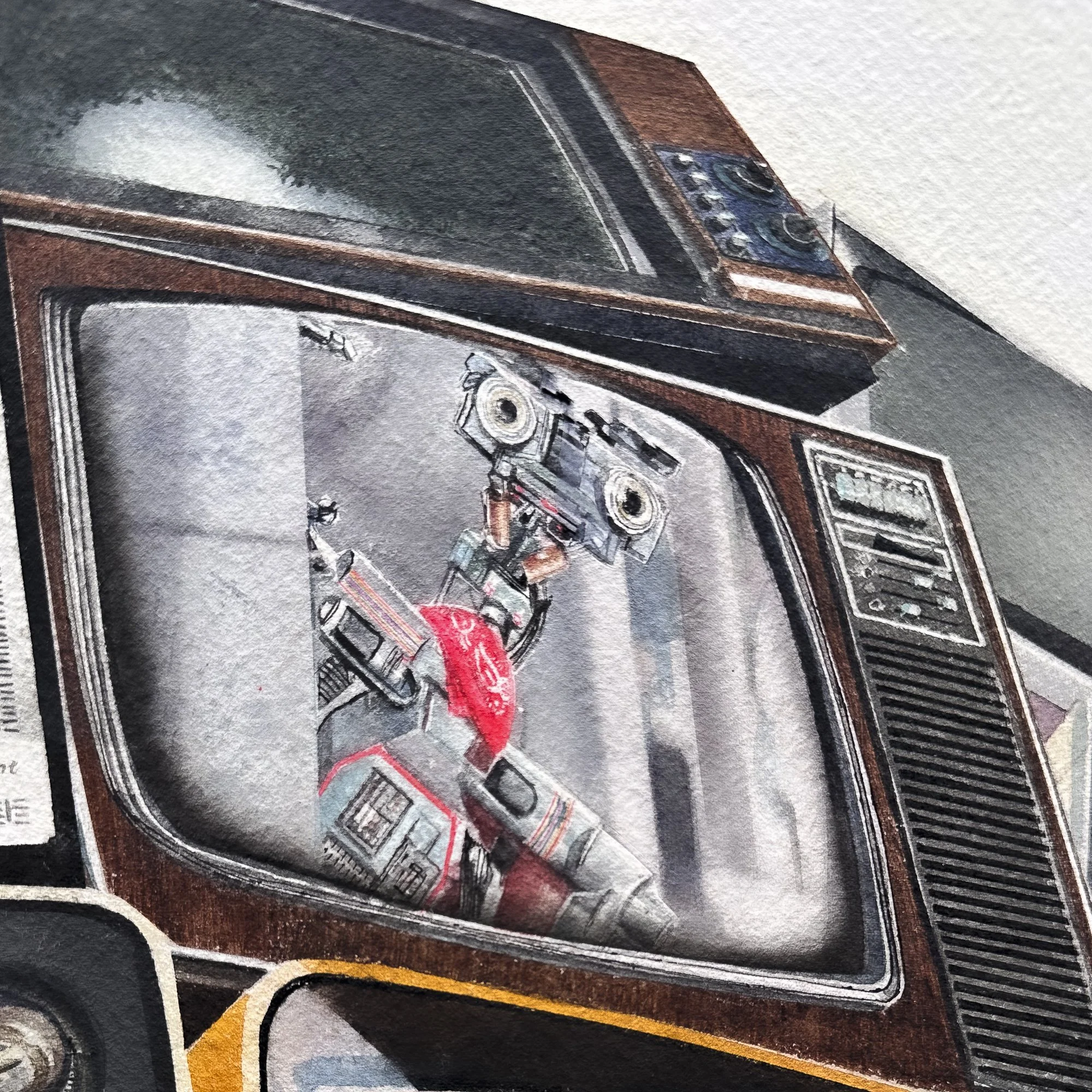
Panopticopias #10, 2025 · Detail · Watercolor on paper · Robot
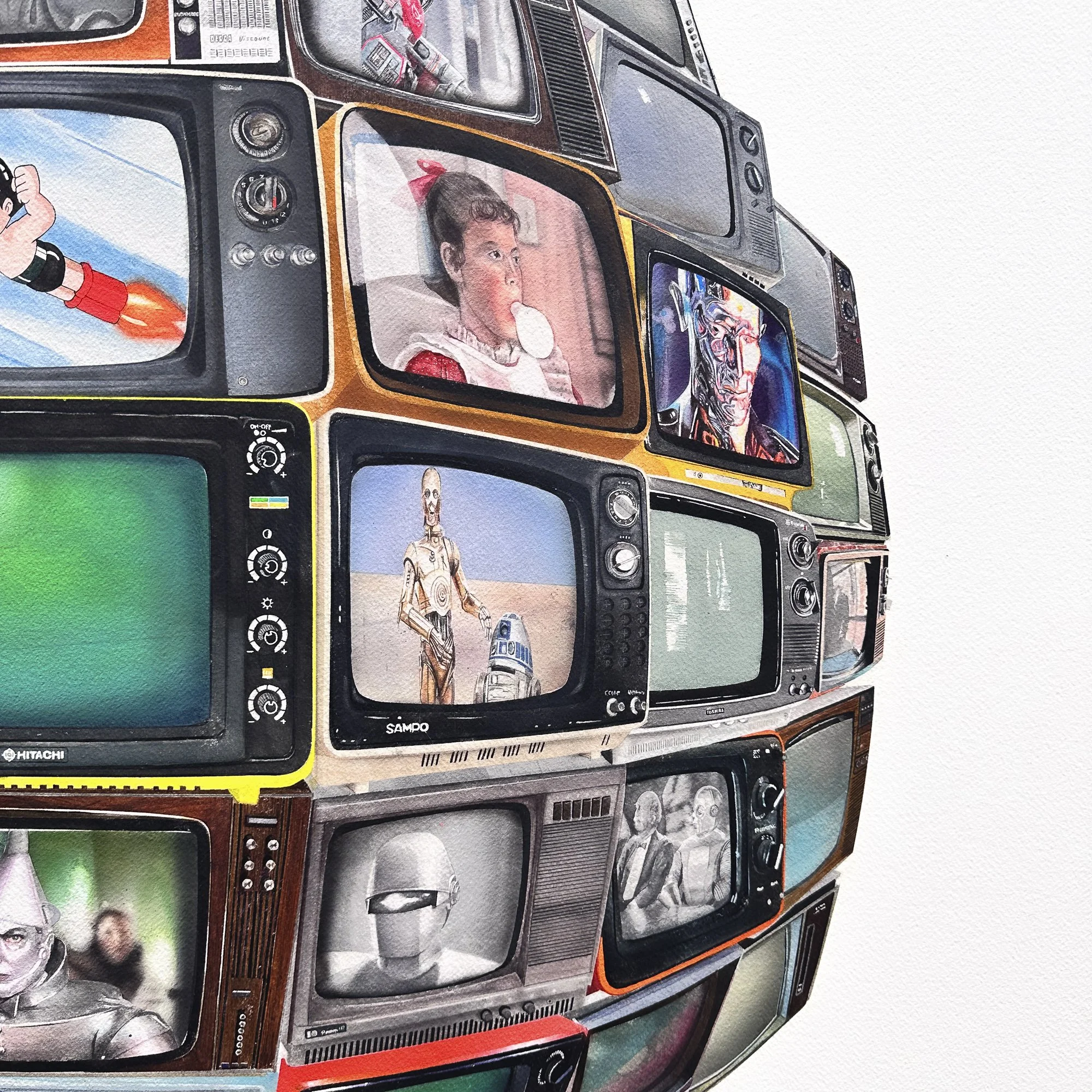
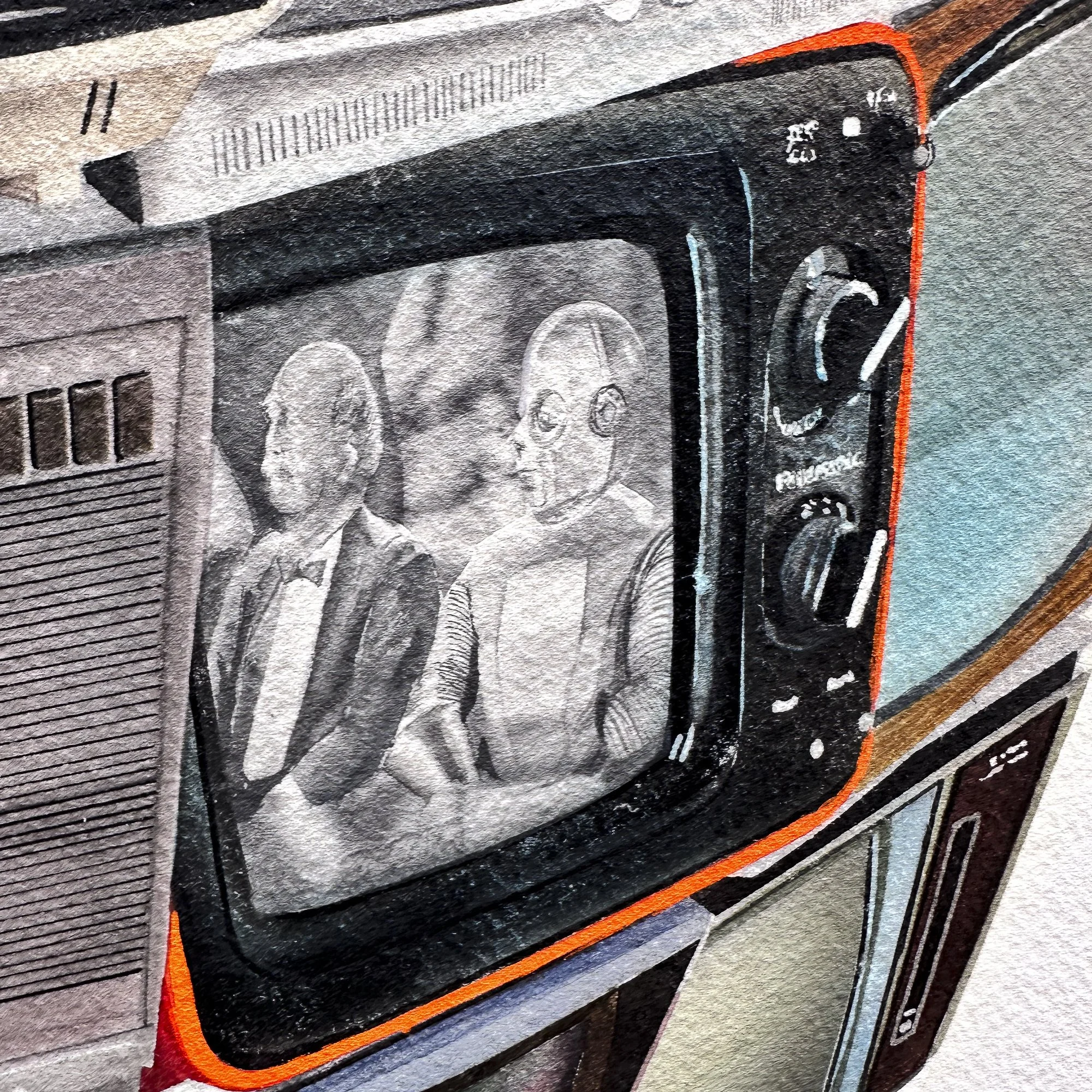
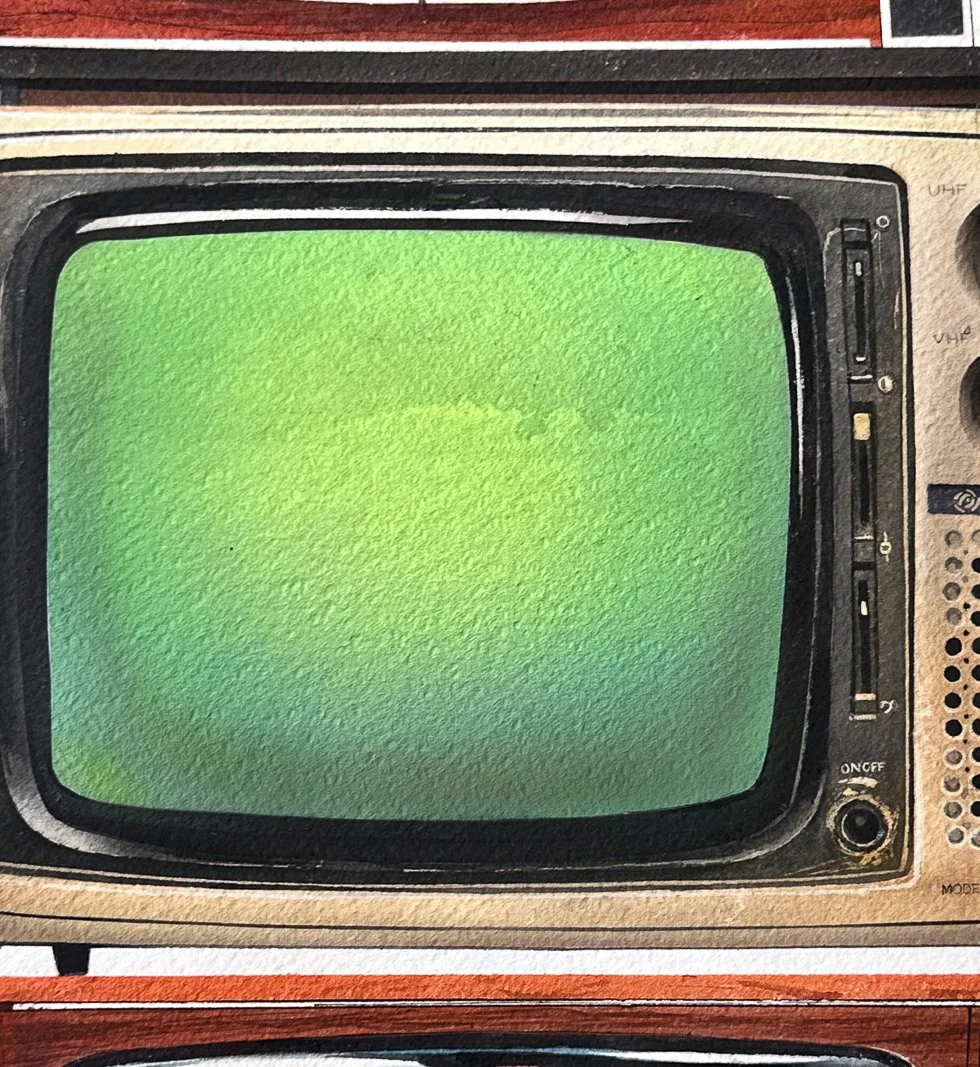
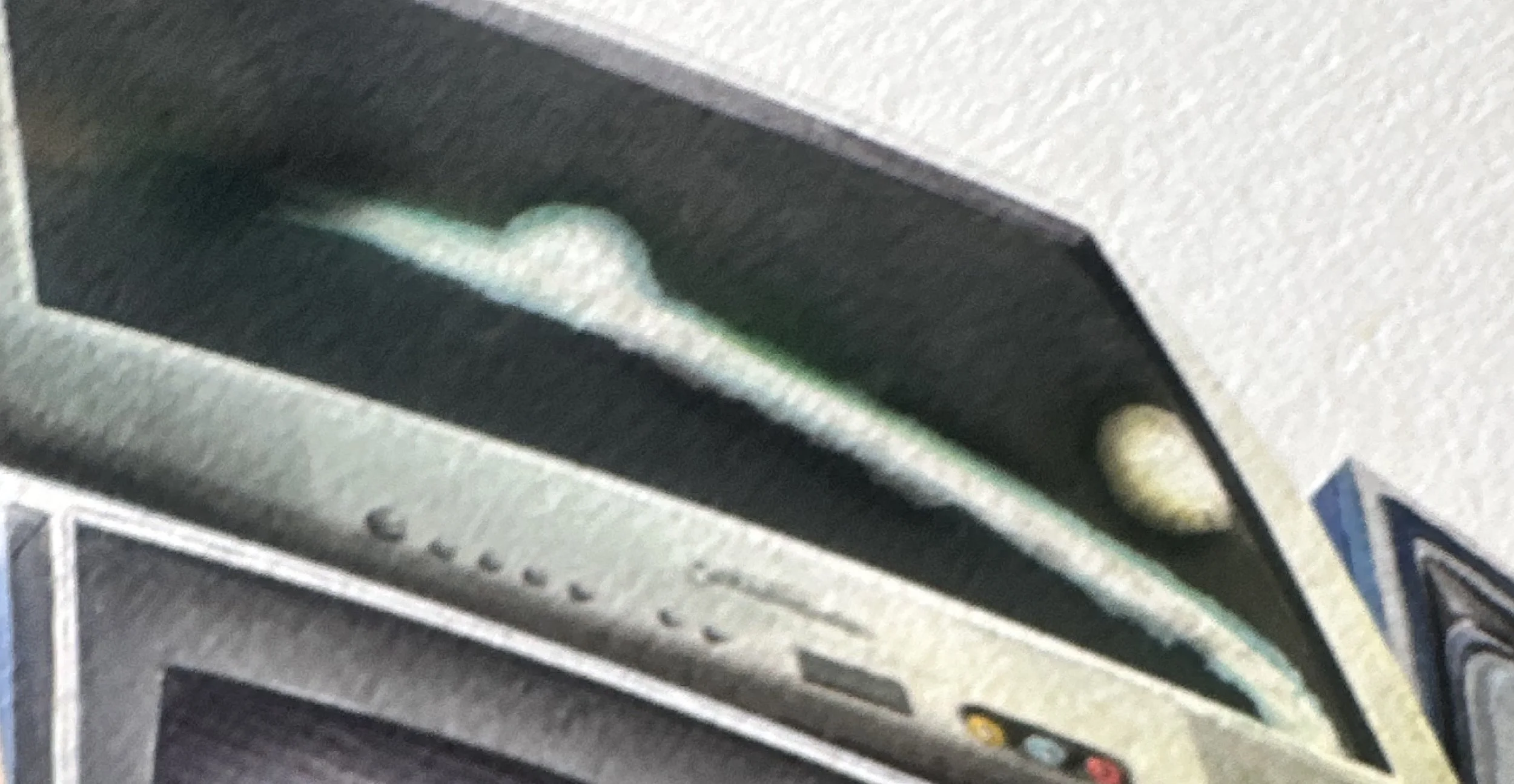
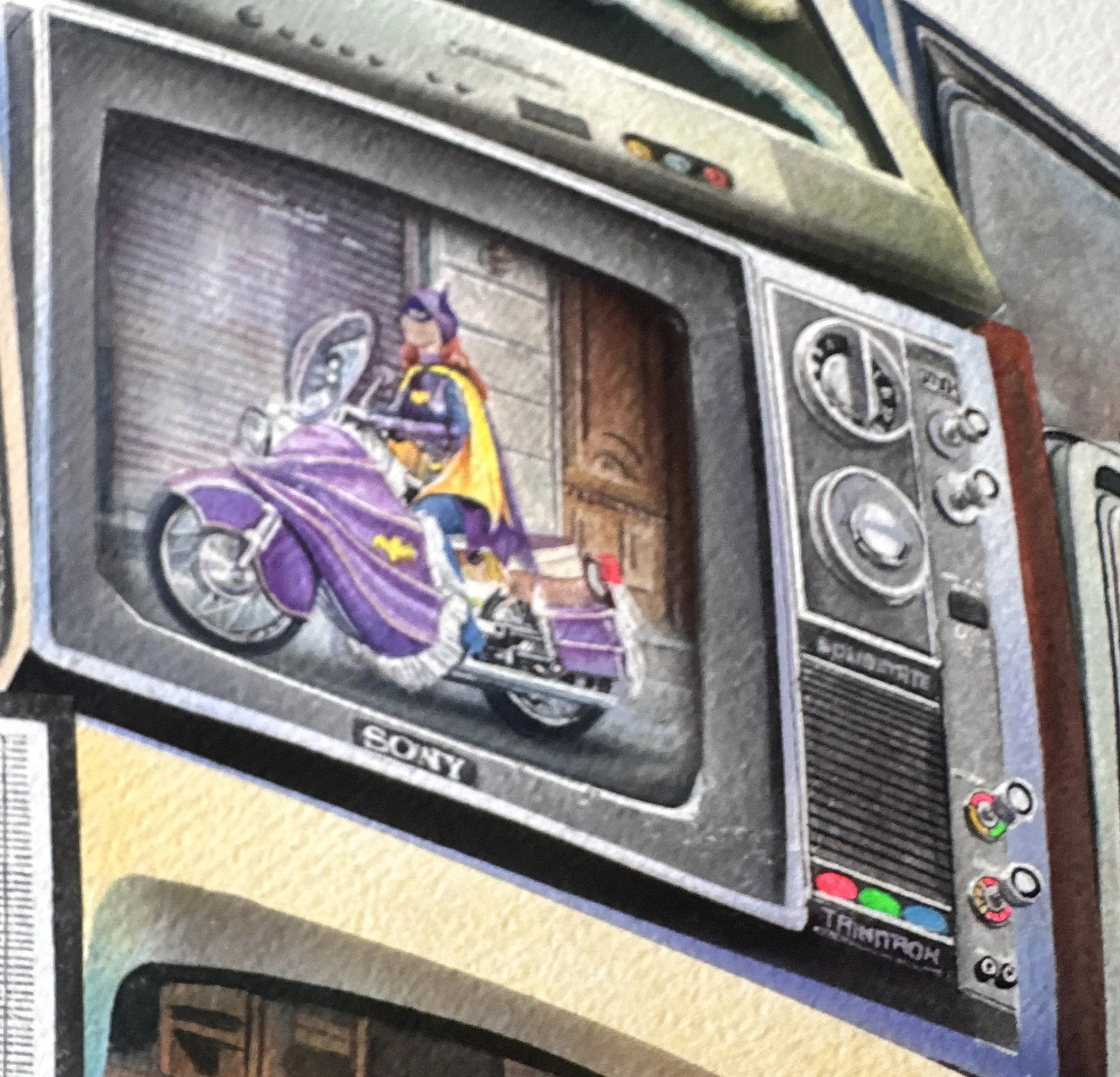
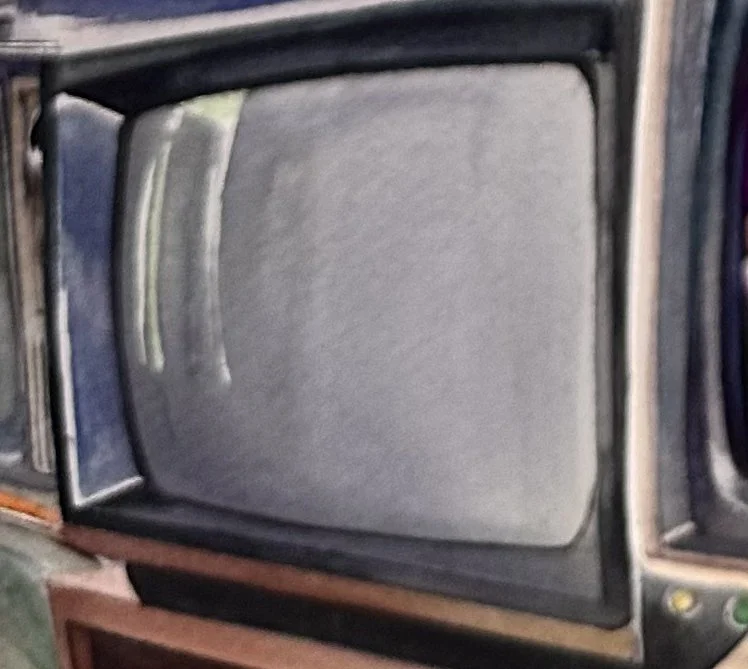
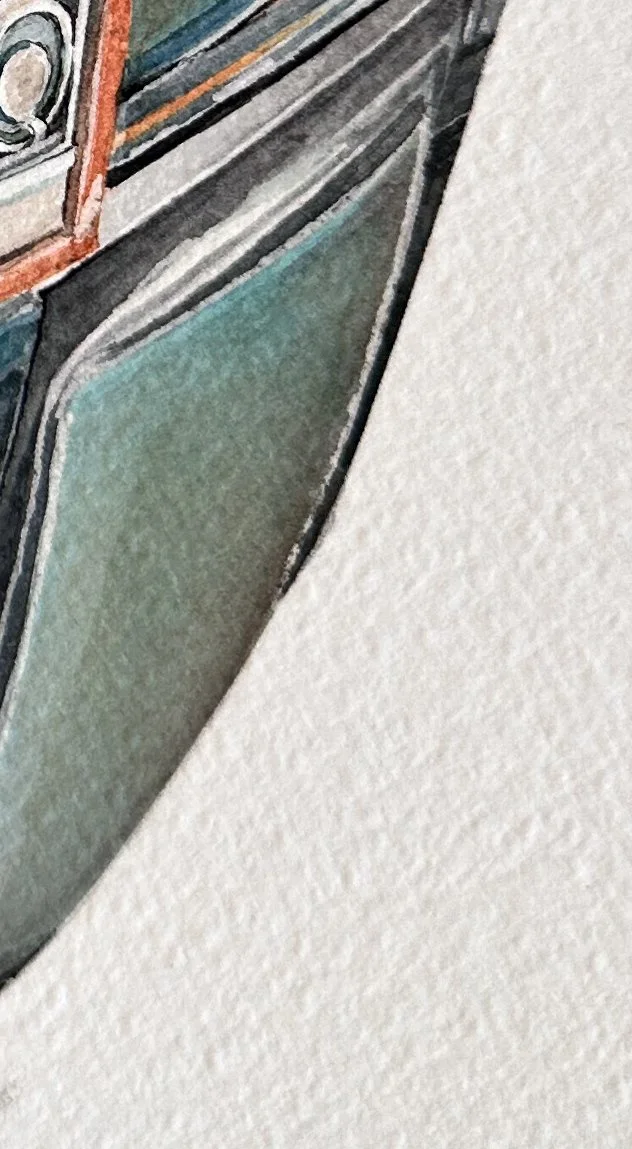
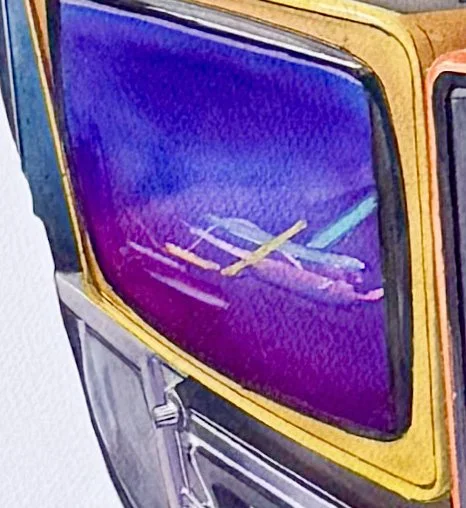
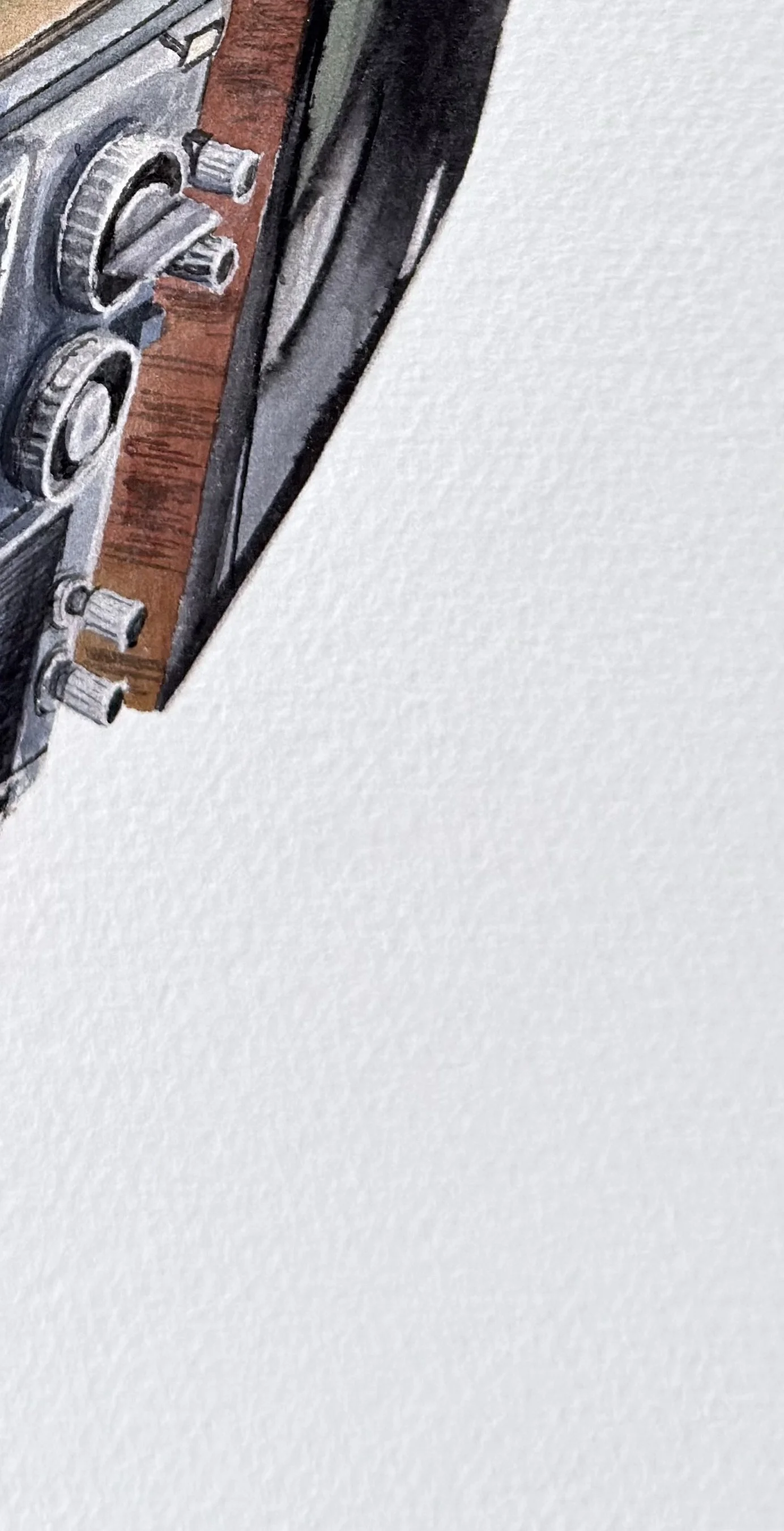
Panopticopias #10, 2025 · Detail · Watercolor on paper · Television screens
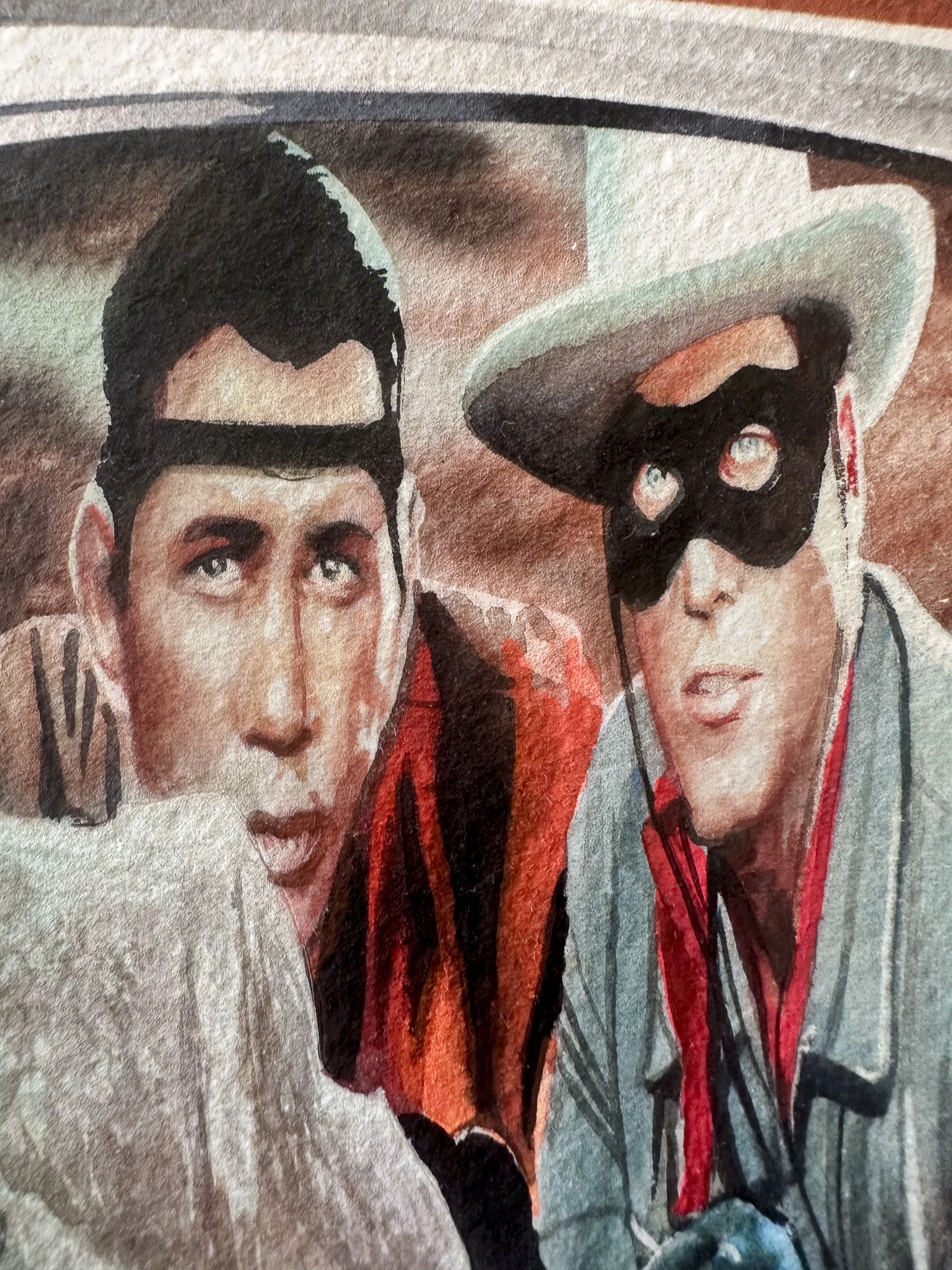
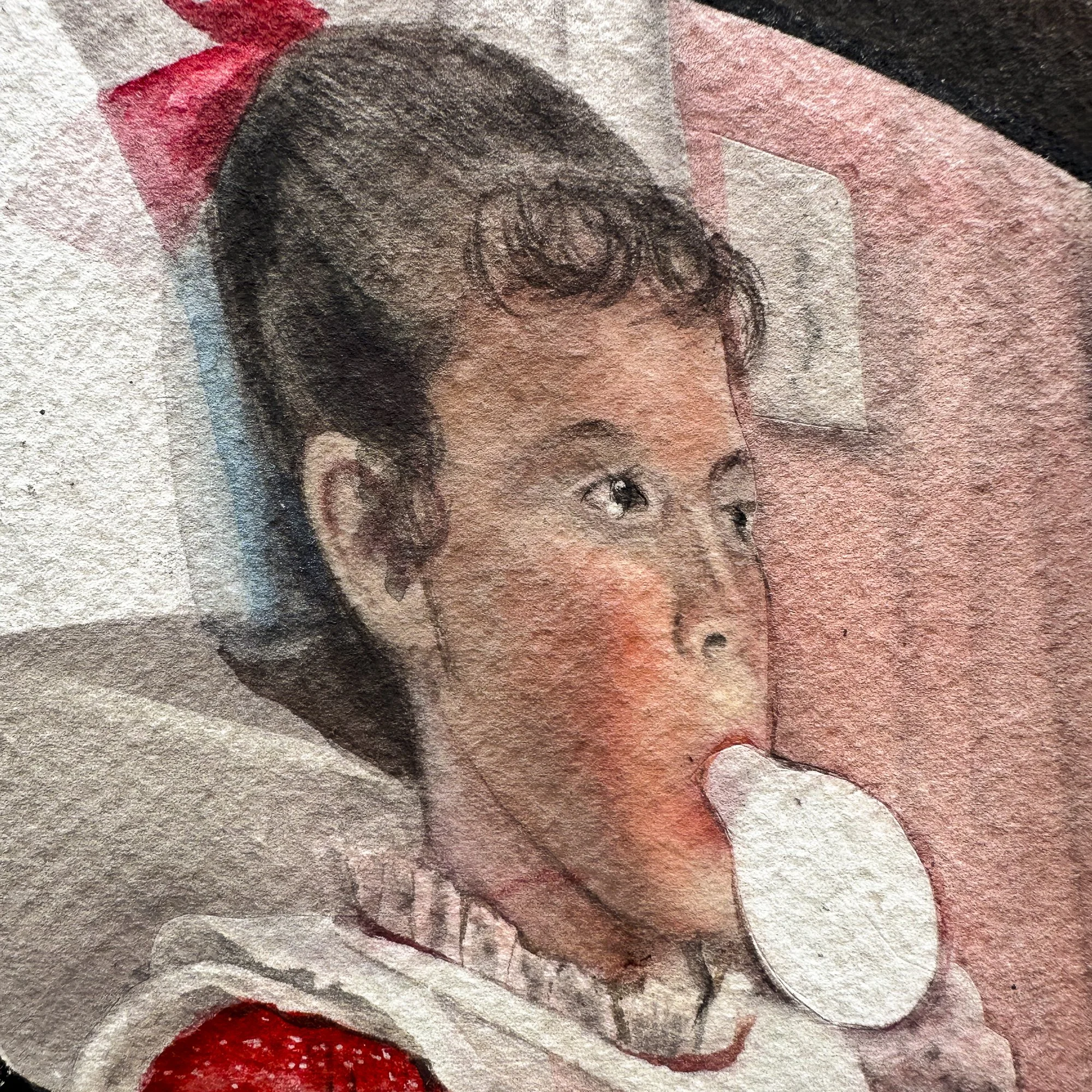
Panopticopias #9, 2025 · Detail · Watercolor on paper · Faces
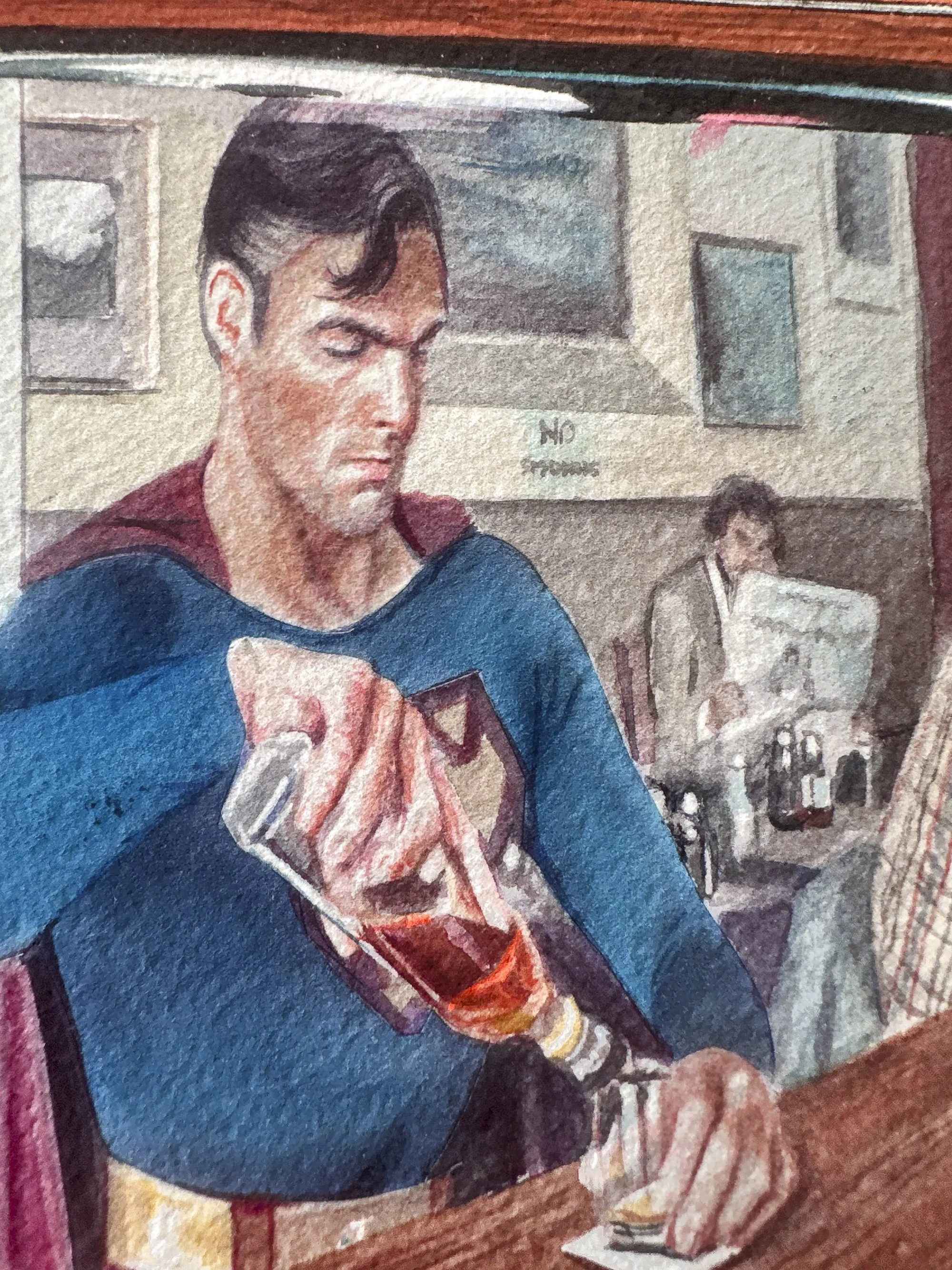
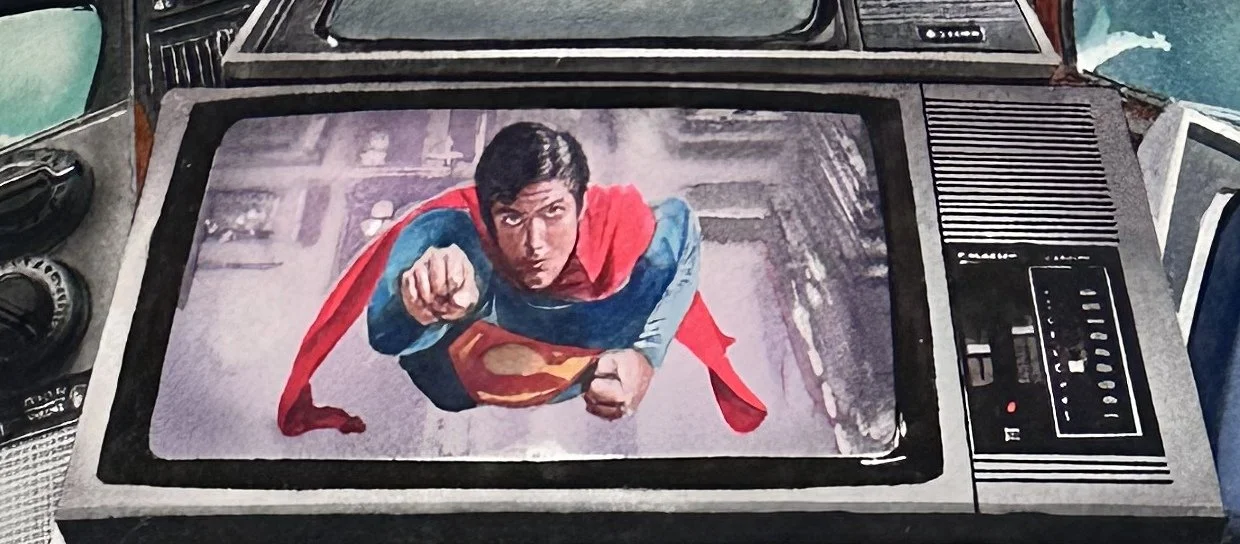
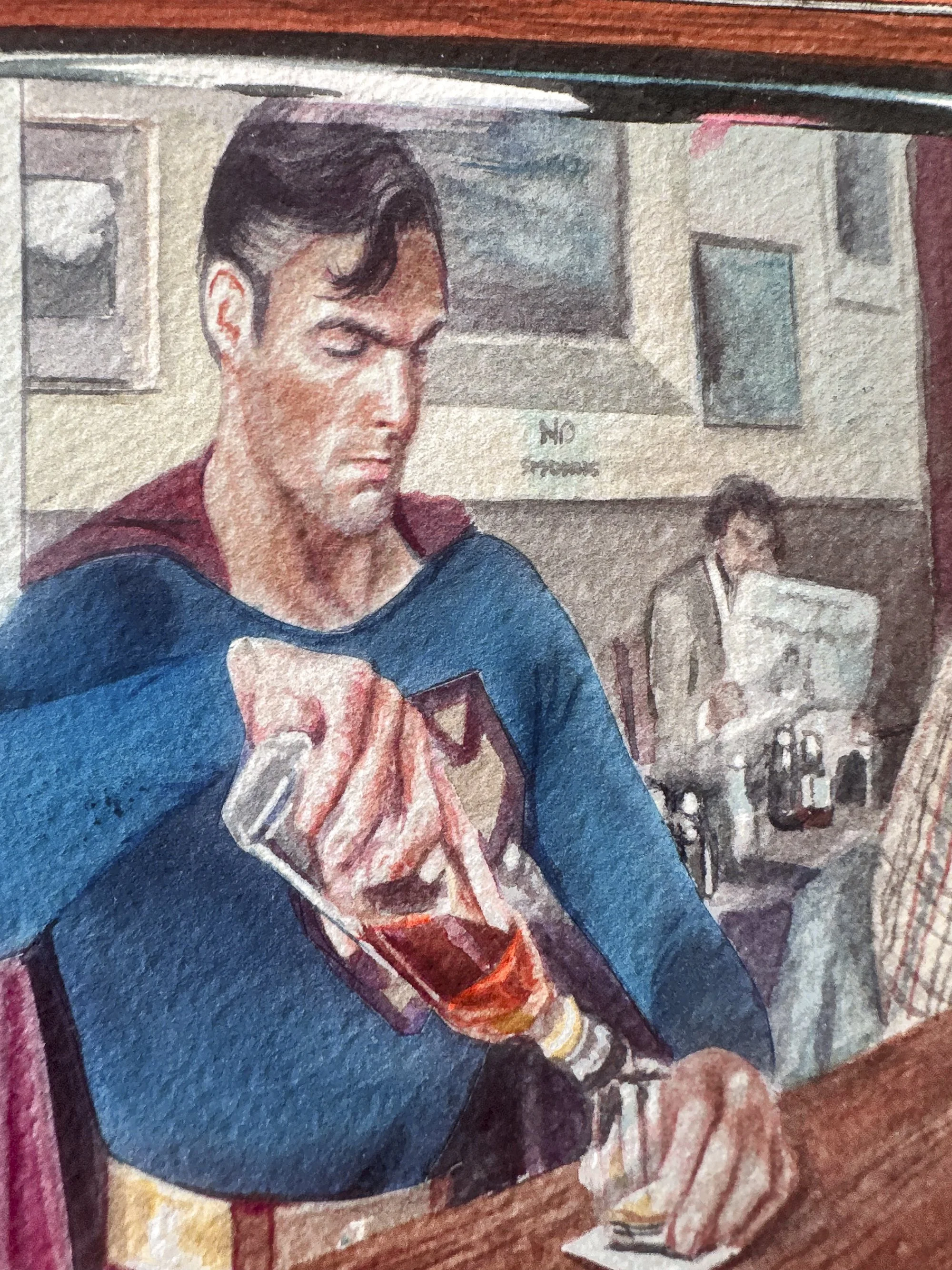
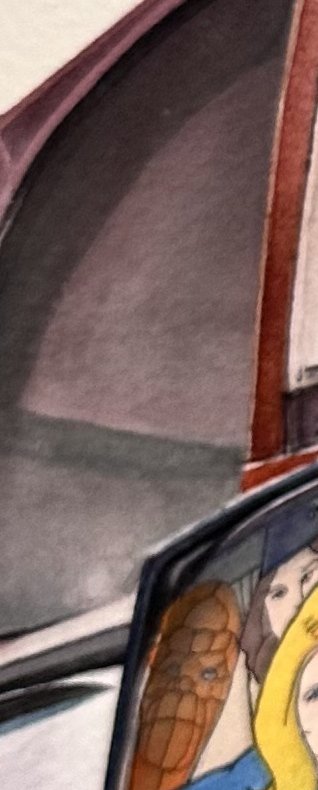
Panopticopias #9, 2025 · Detail · Watercolor on paper · Superman
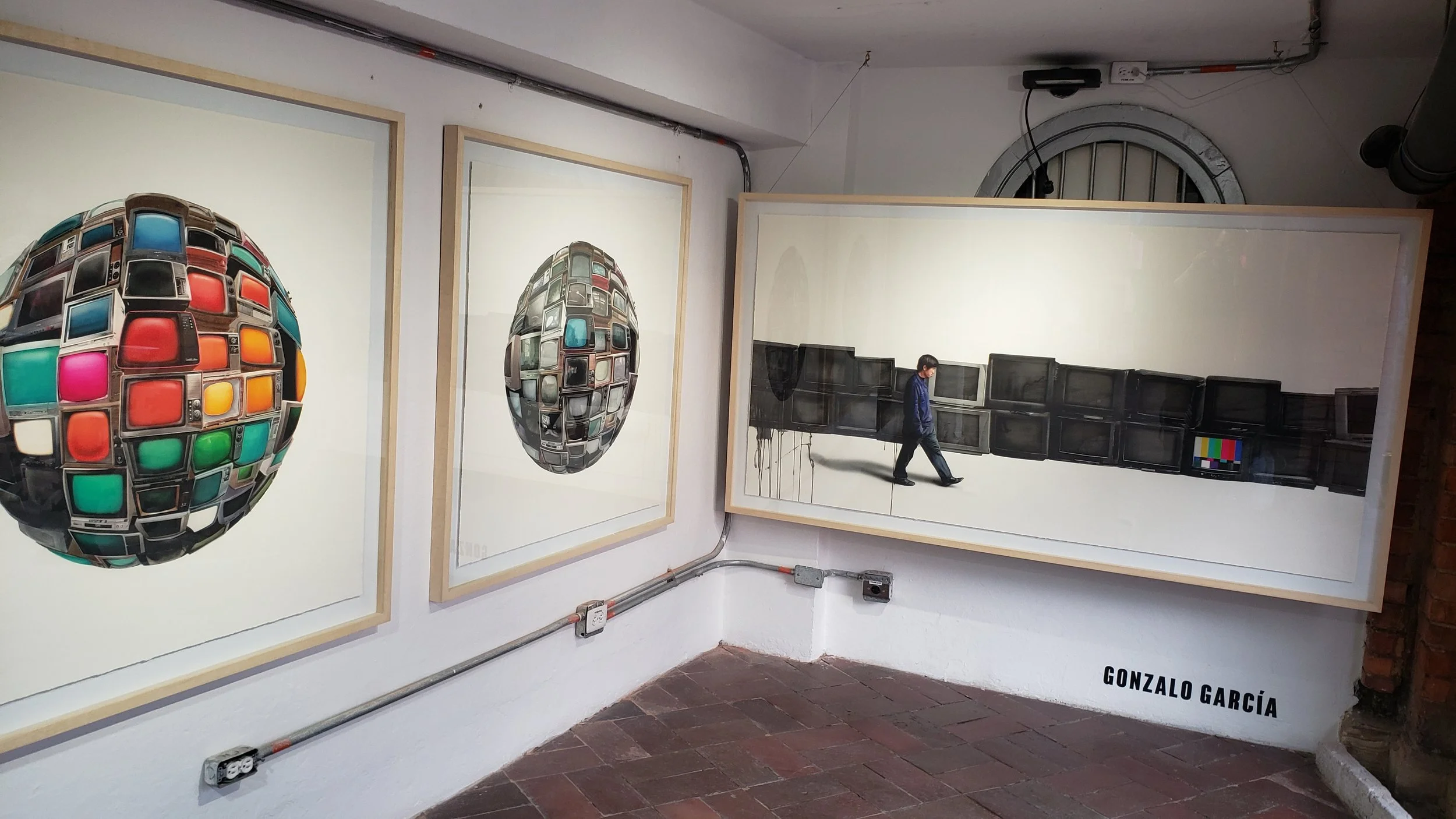
Panopticopias · Installation view, 2022
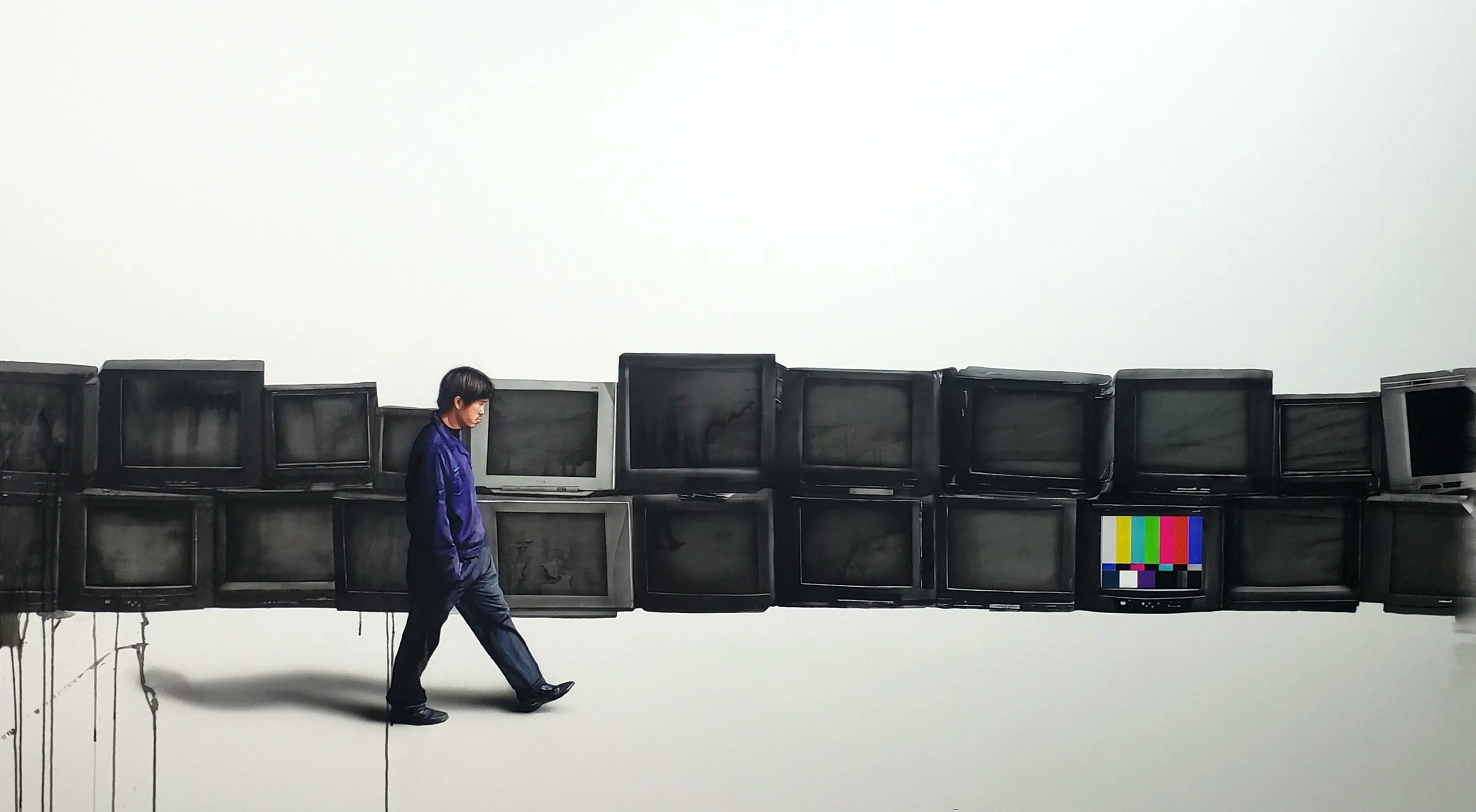
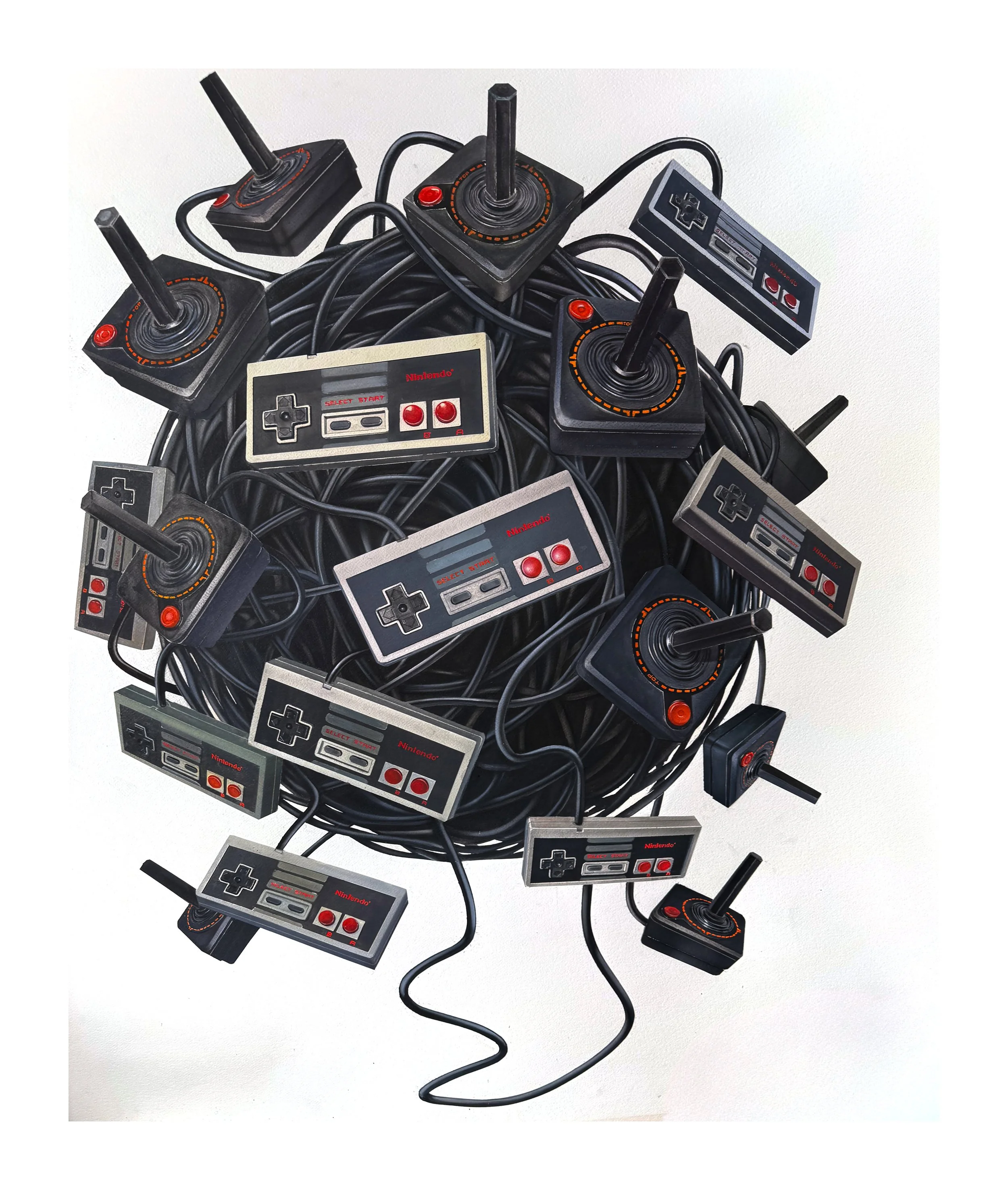
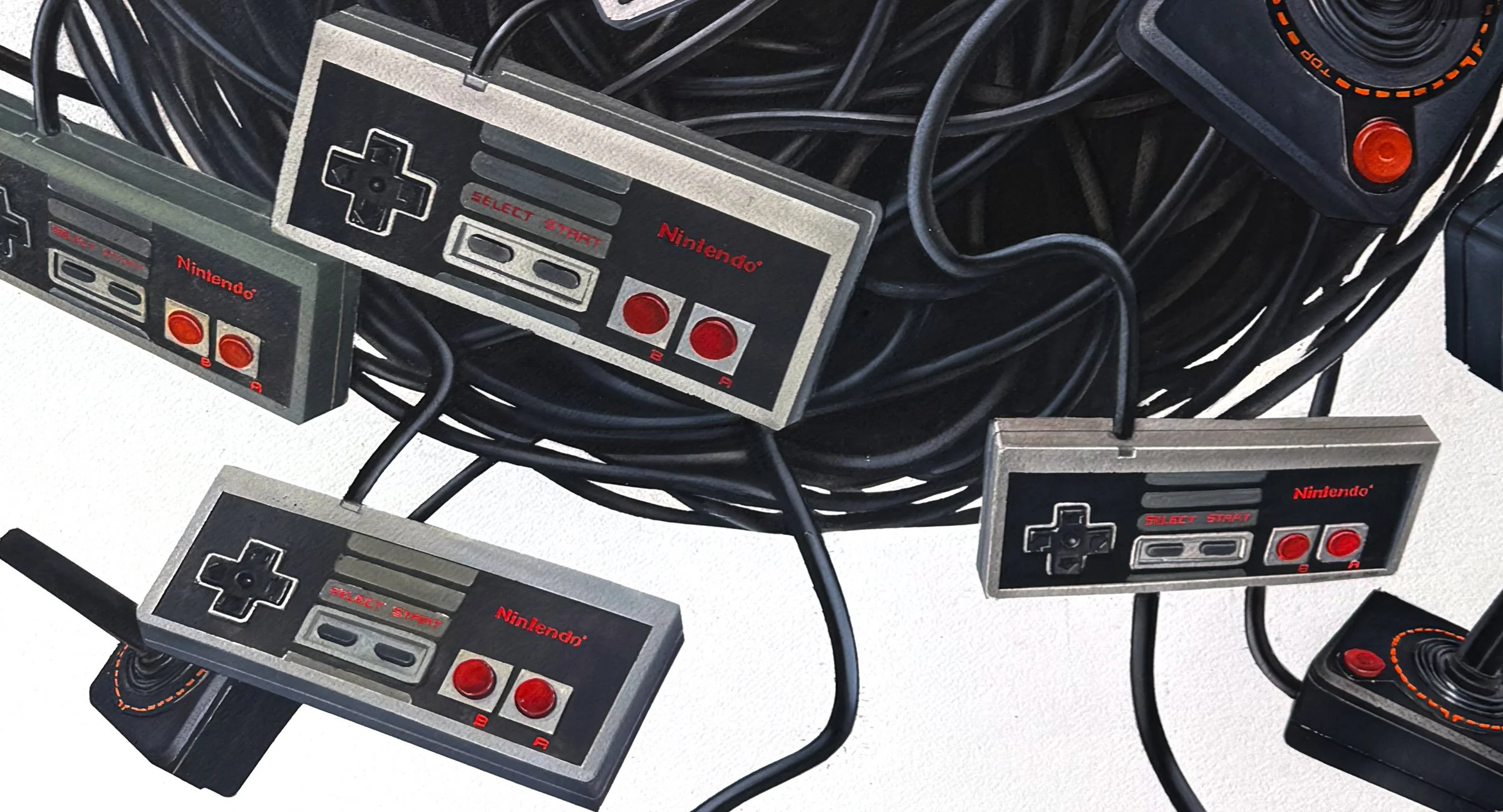
At the End of the Rainbow · Watercolor on paper
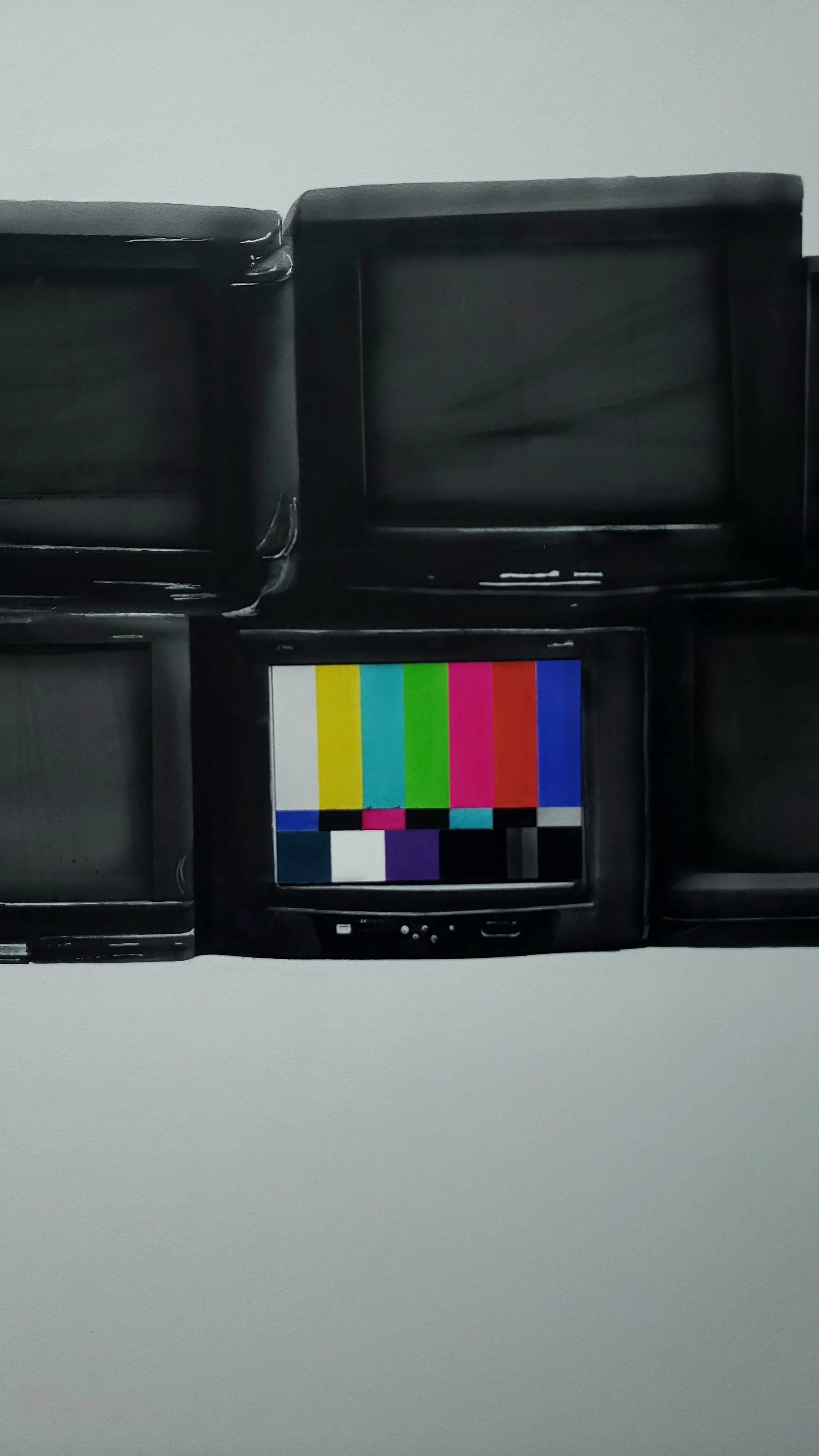
At the End of the Rainbow · Detail · Watercolor on paper



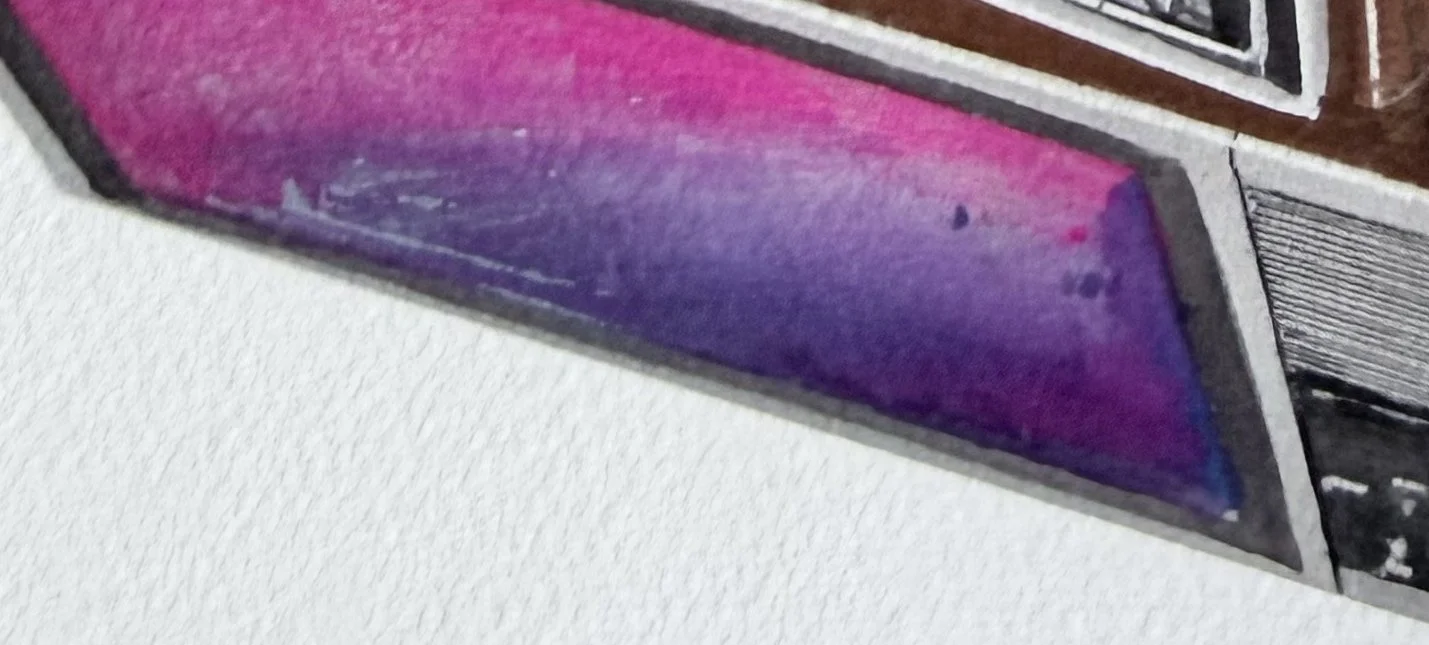

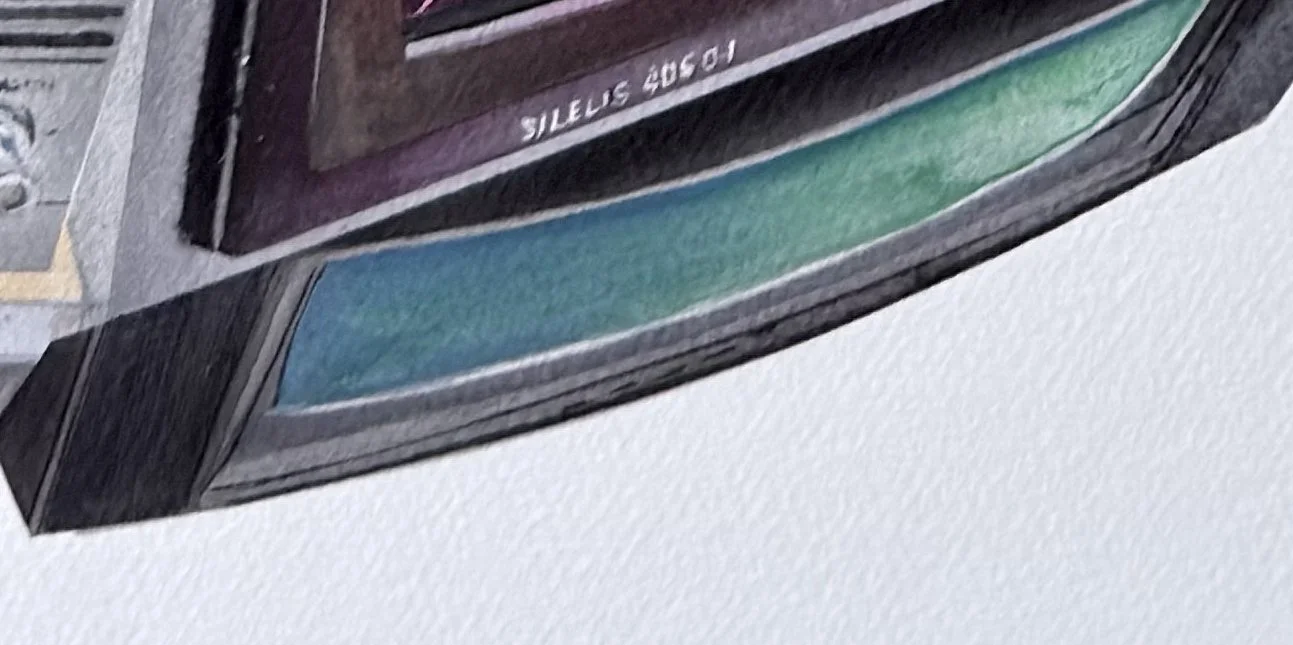
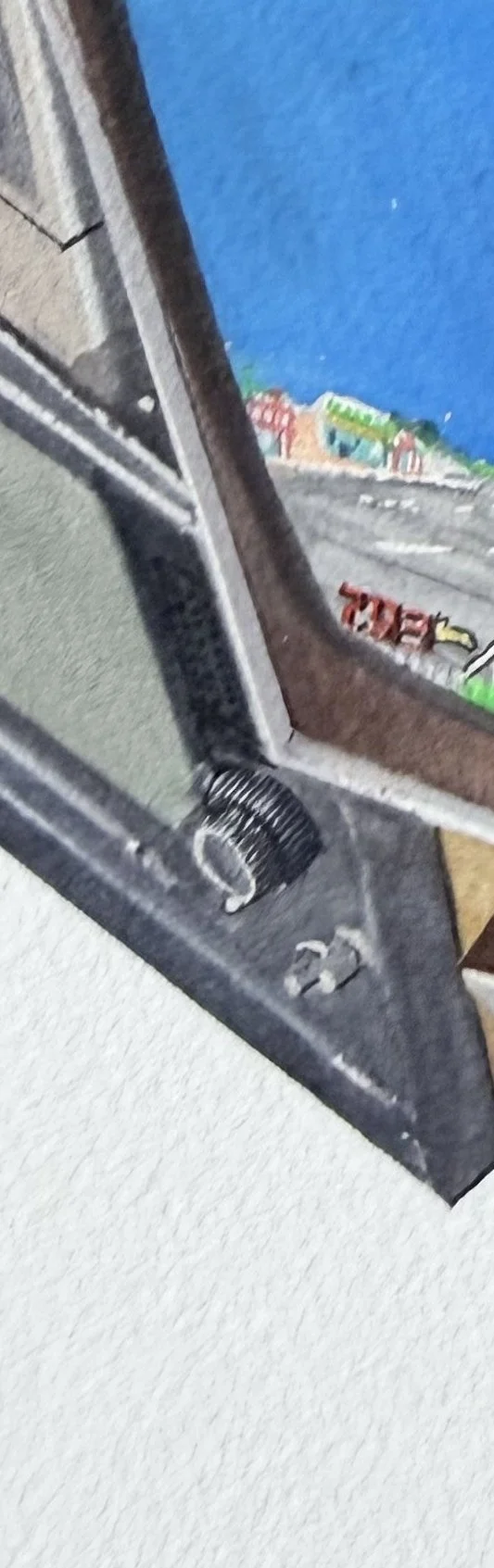
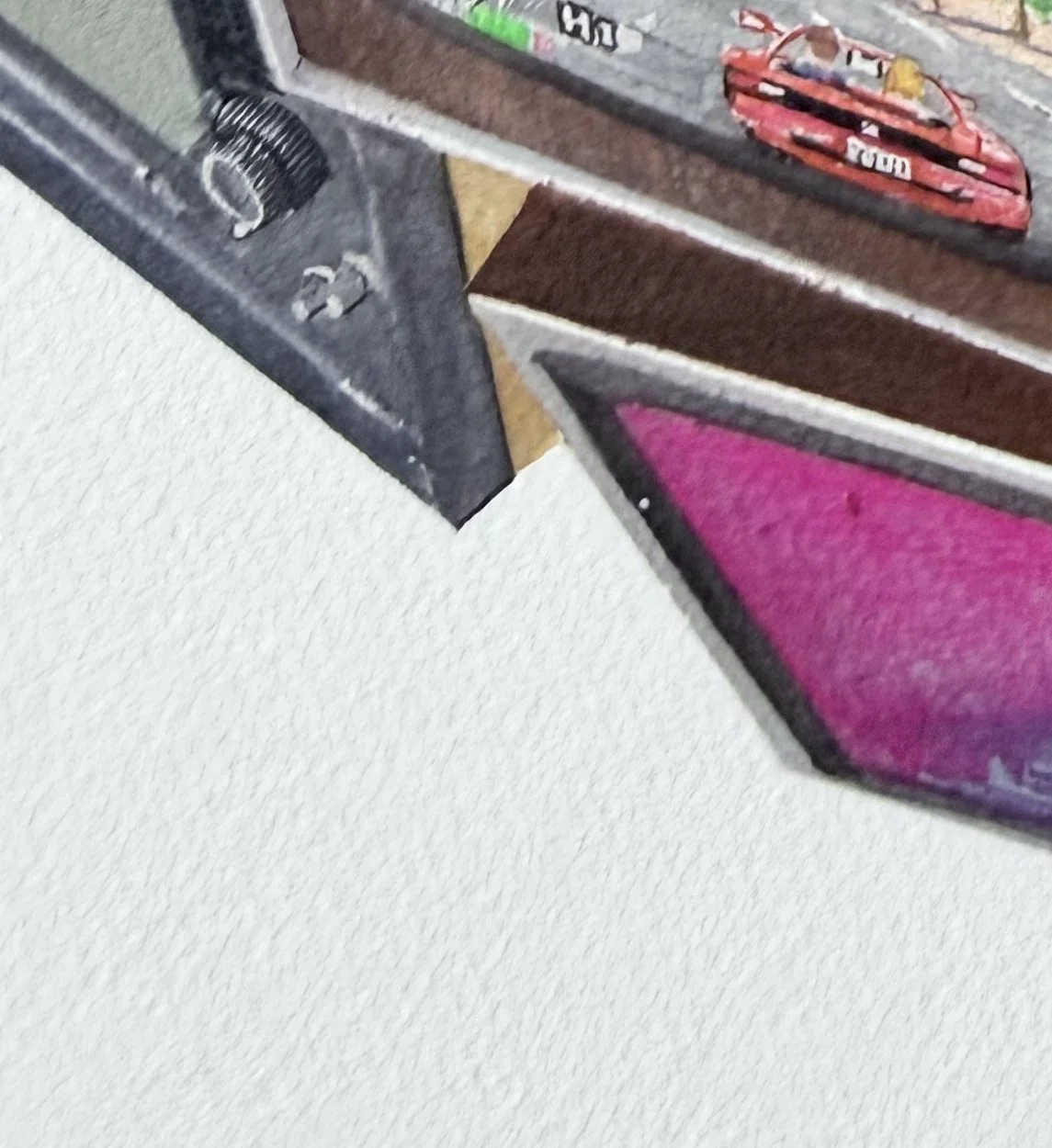
Click a work to enlarge it. Use the arrows to explore its details.

Watercolor on paper
115 × 115 cm / 45.3 × 45.3 in
Watercolor on paper
120 × 120 cm / 47.2 × 47.2 in
Watercolor on paper
120 × 120 cm / 47.2 × 47.2 in
Watercolor on paper
120 × 120 cm / 47.2 × 47.2 in
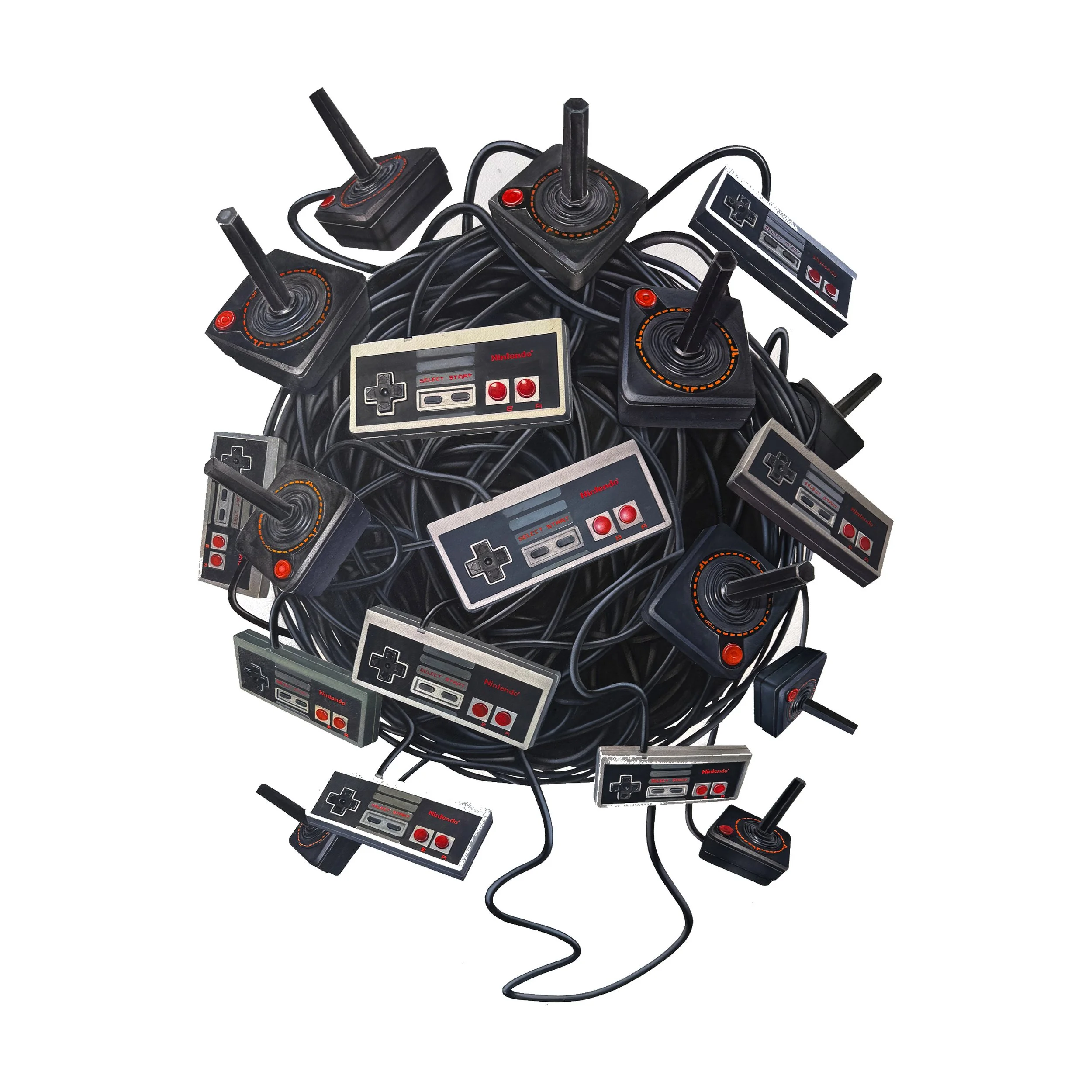
Watercolor on paper
120 × 120 cm / 47.2 × 47.2 in
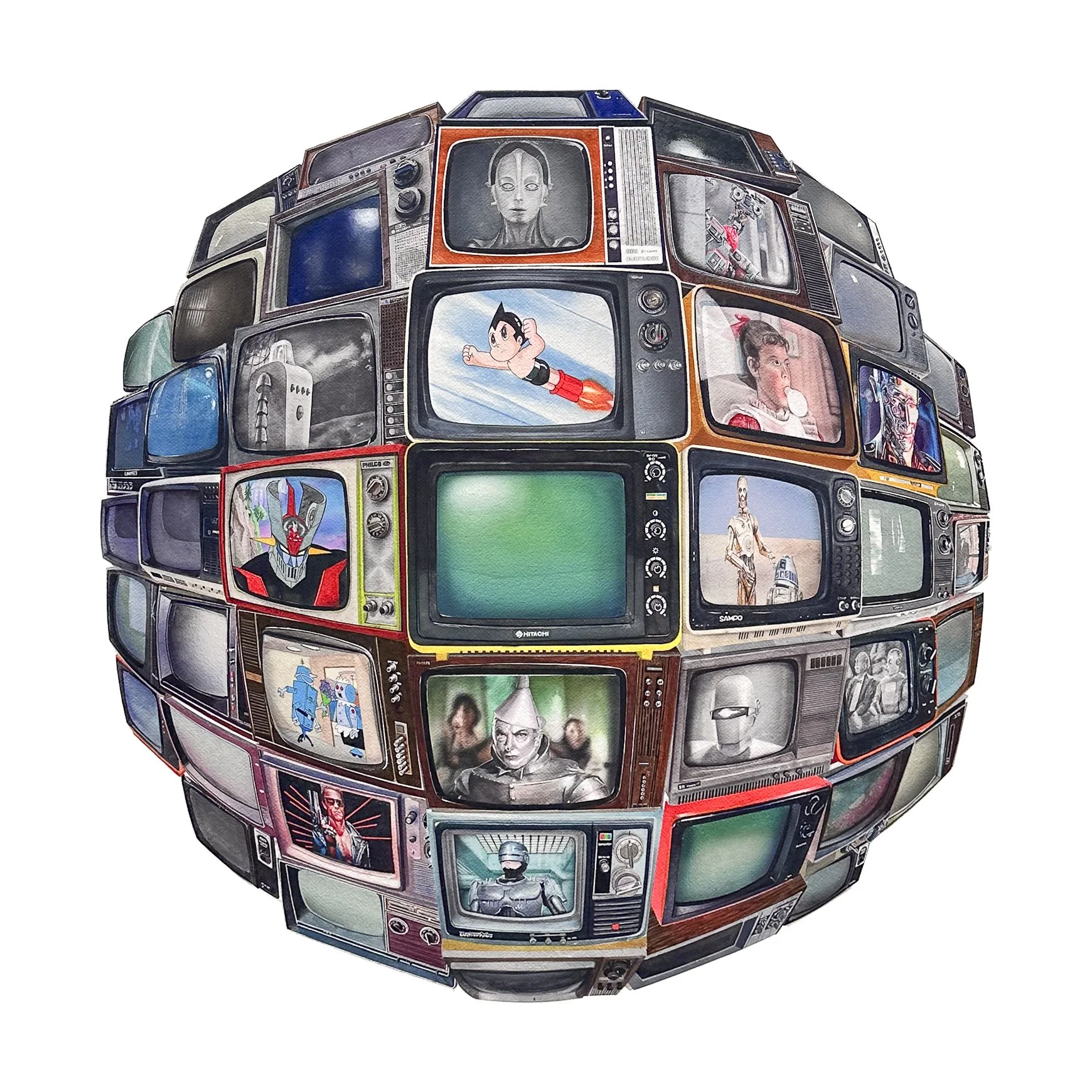
Watercolor on paper
110 × 110 cm / 43.3 × 43.3 in
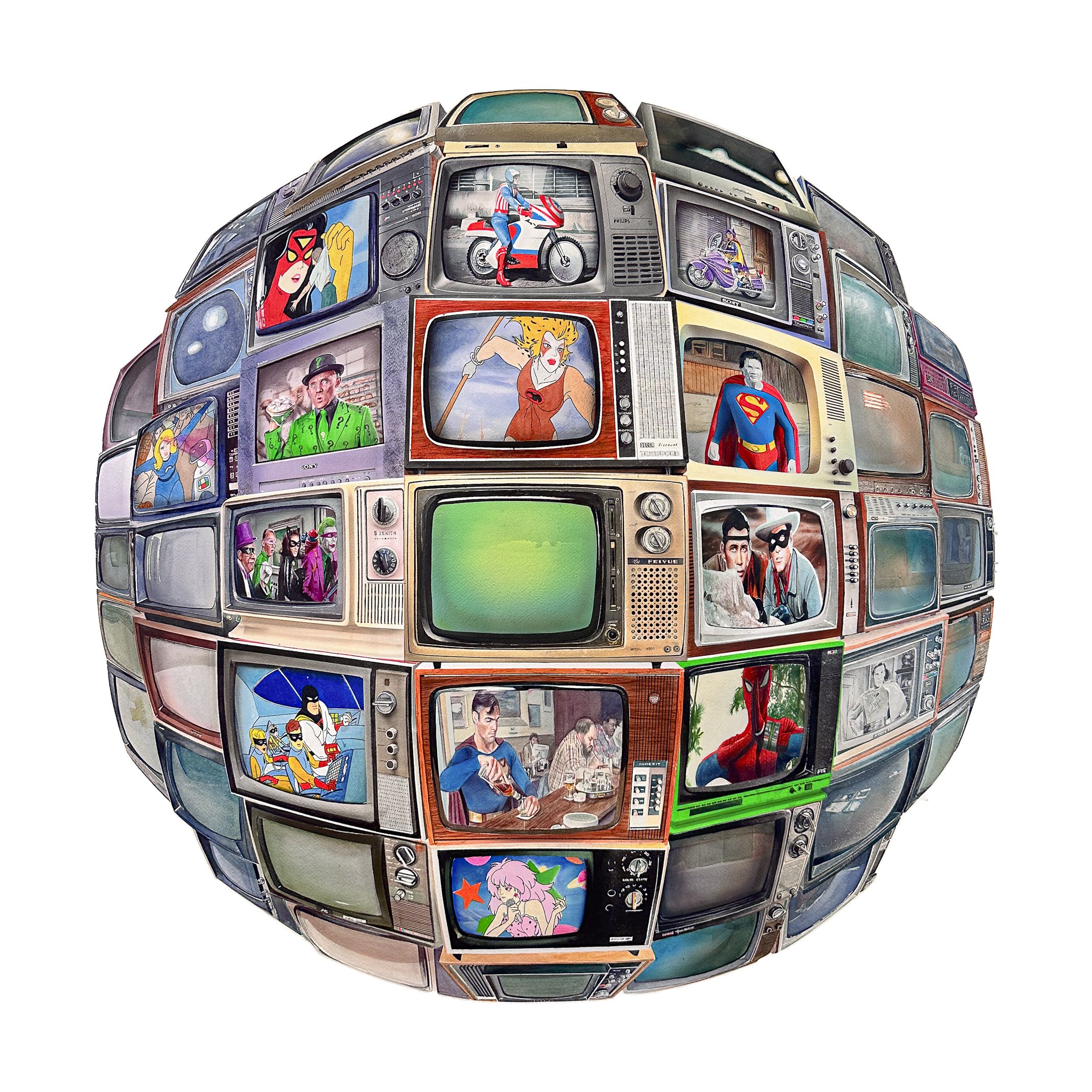
Watercolor on paper
110 × 110 cm / 43.3 × 43.3 in
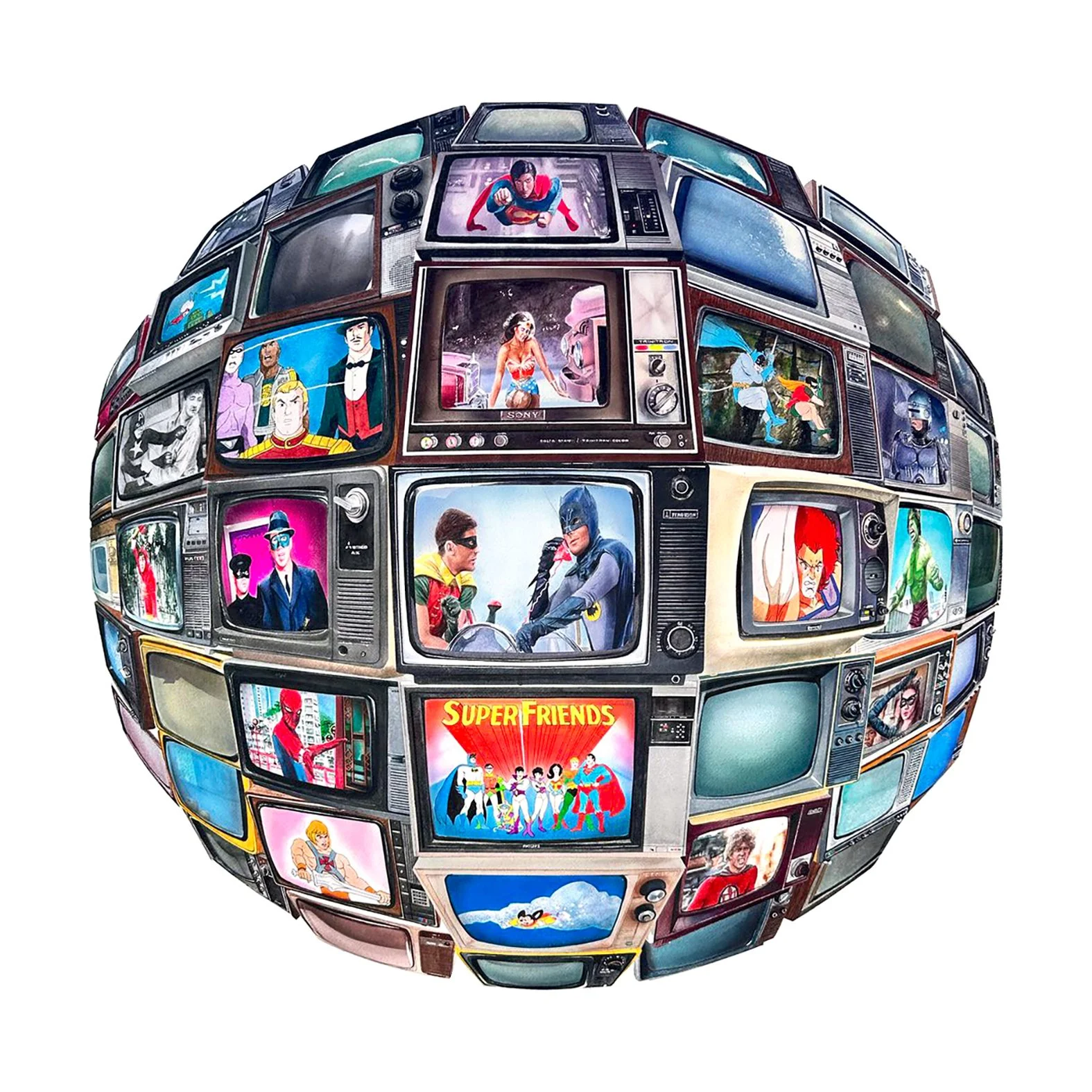
Watercolor on paper
110 × 110 cm / 43.3 × 43.3 in
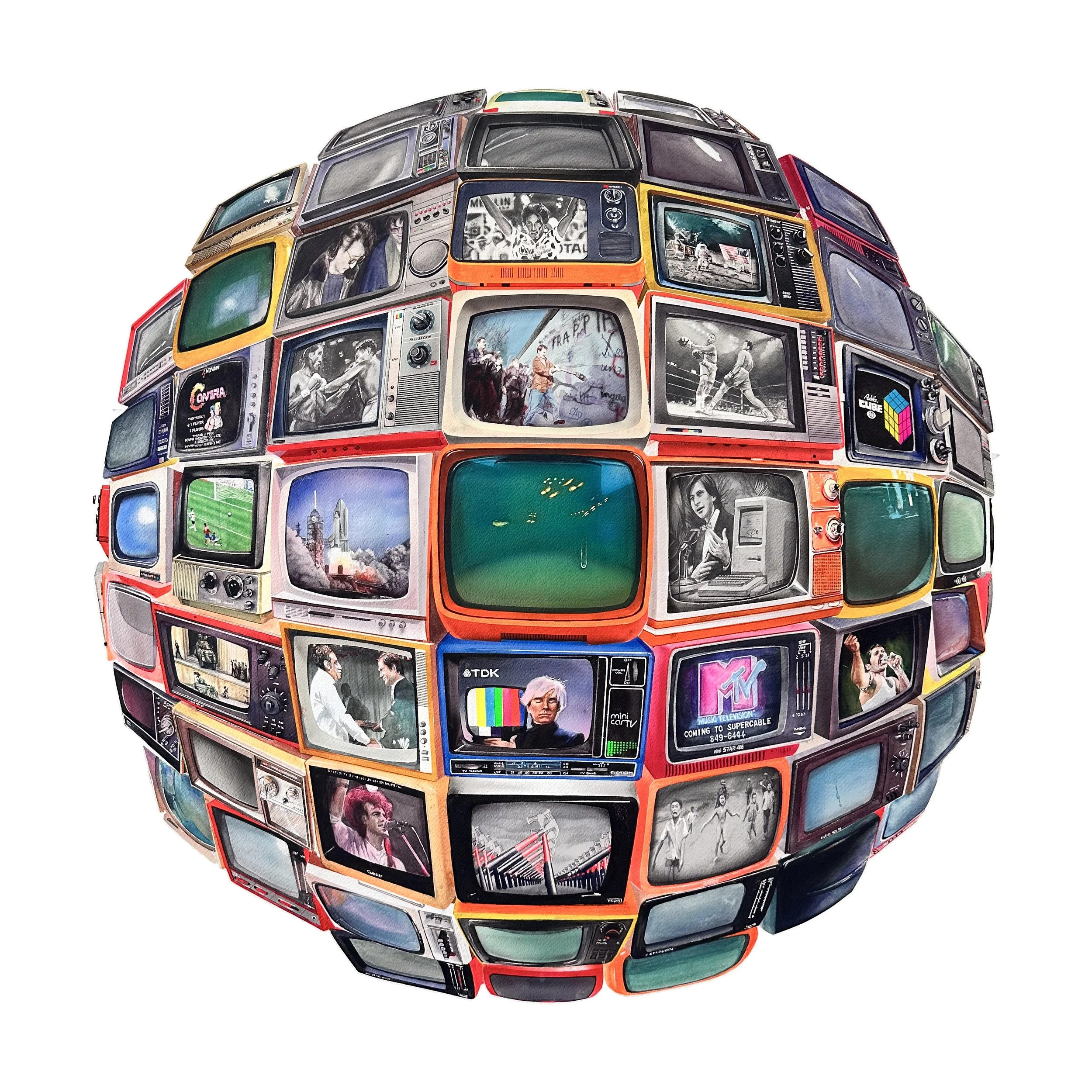
Watercolor on paper
110 × 110 cm / 43.3 × 43.3 in
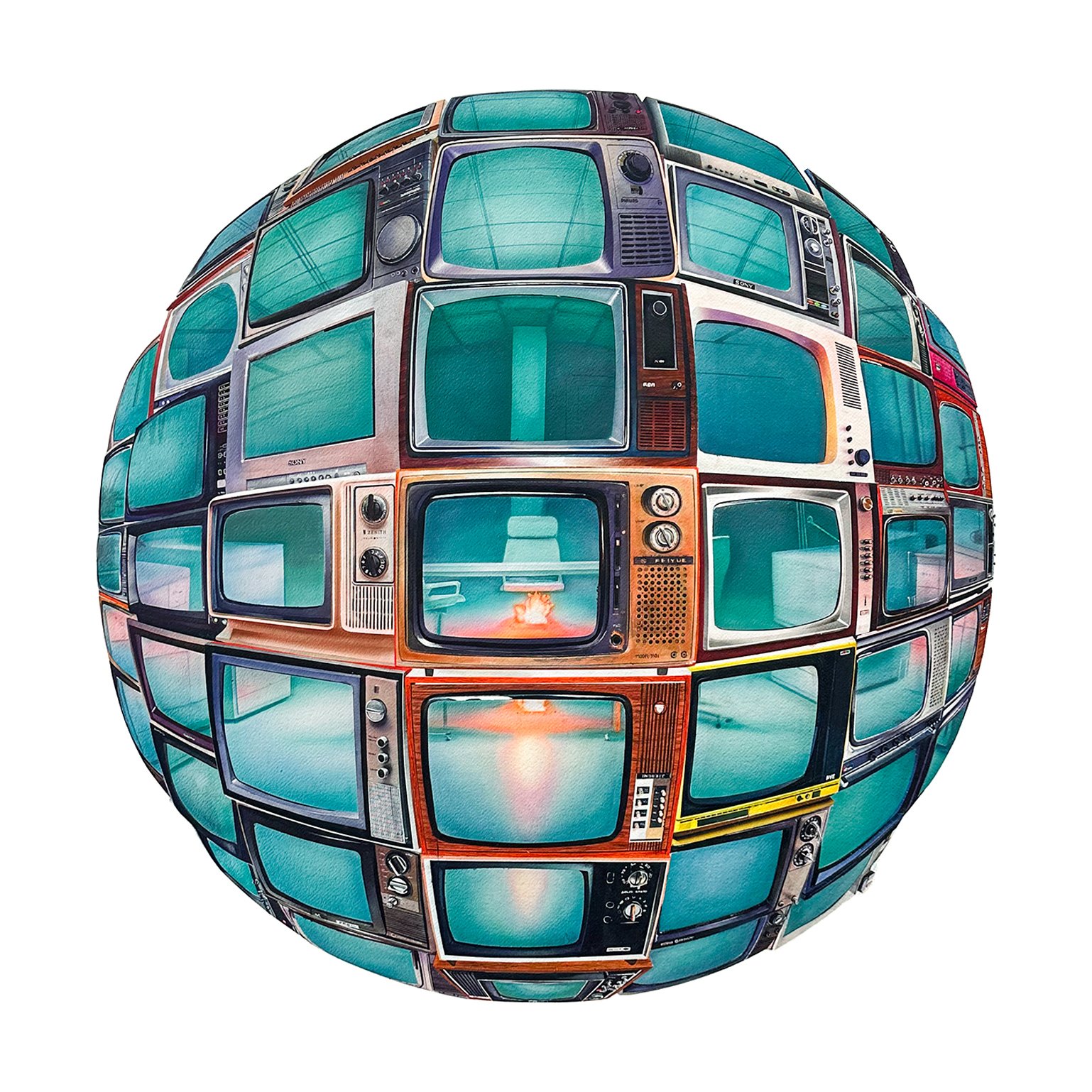
Watercolor on paper
120 × 120 cm / 47.2 × 47.2 in
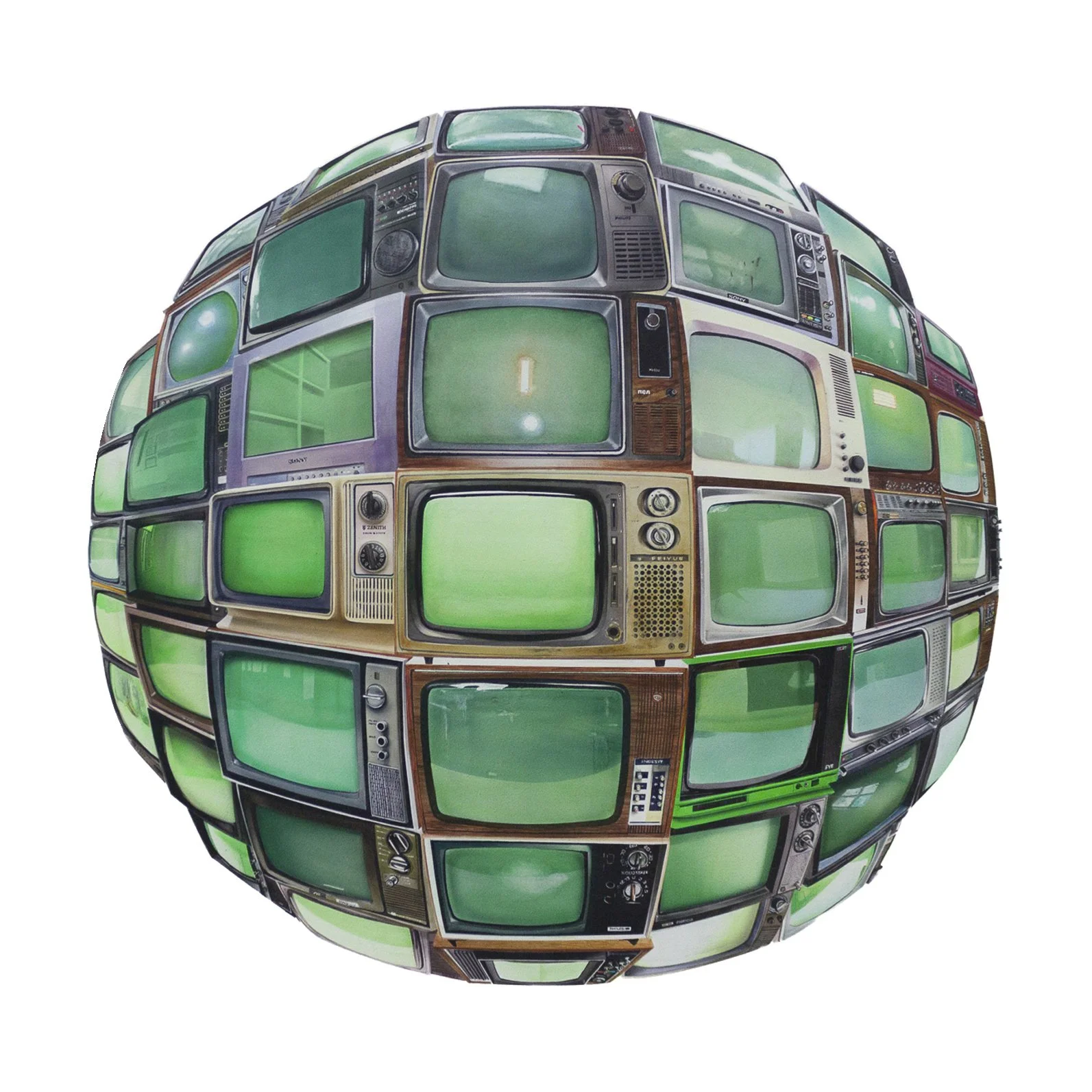
Watercolor on paper
121 × 121 cm / 47.6 × 47.6 in
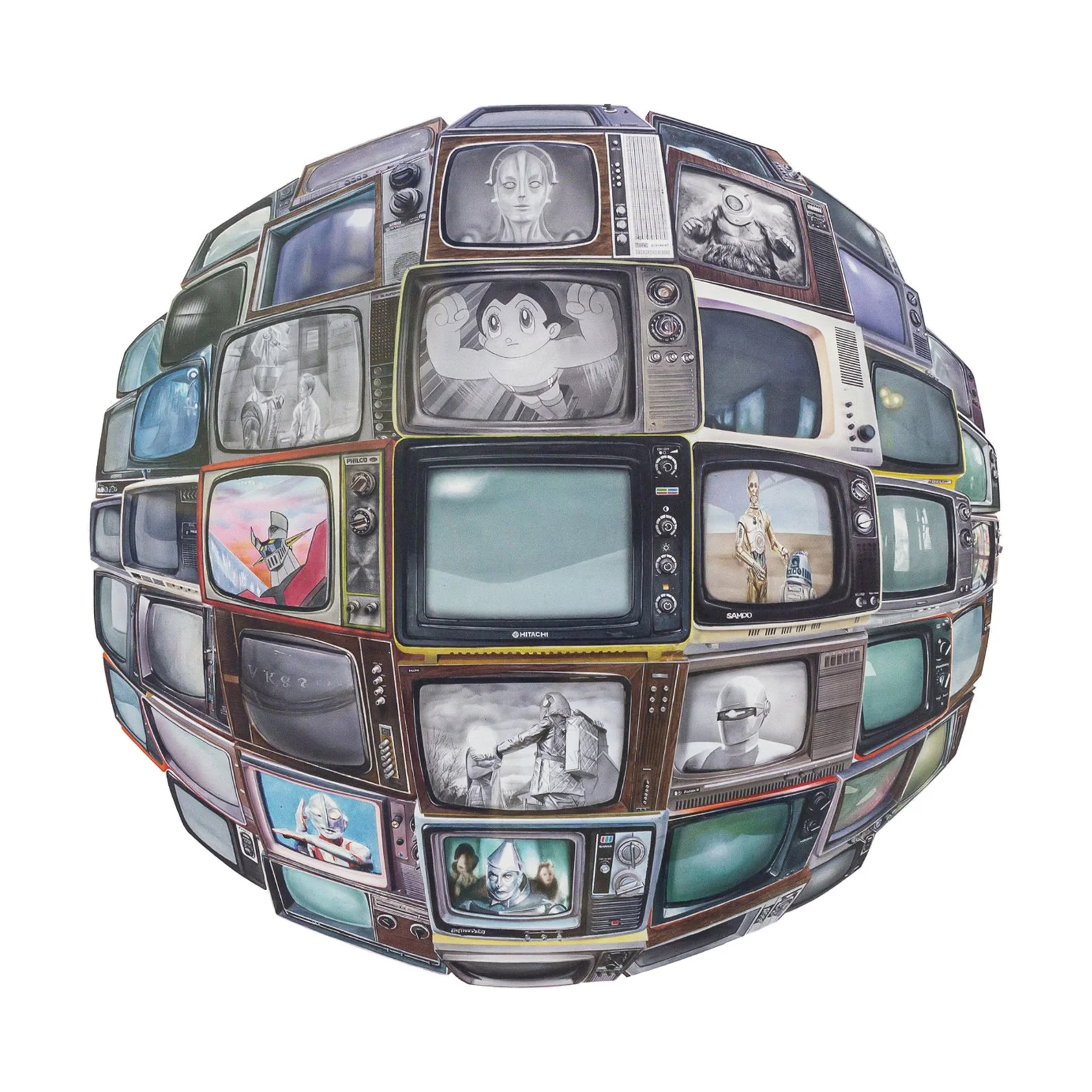
Watercolor on paper
120 × 120 cm / 47.2 × 47.2 in
Watercolor on paper
91 × 91 cm / 35.8 × 35.8 in
Watercolor on paper
113 × 113 cm / 44.5 × 44.5 in
Watercolor on paper
113 × 113 cm / 44.5 × 44.5 in
Watercolor on paper
113 × 113 cm / 44.5 × 44.5 in